REVIEW · PUERTO VALLARTA
Sea Turtle Release – A Puerto Vallarta Conservation Adventure
Book on Viator →Operated by ECOTOURS VALLARTA · Bookable on Viator
Baby turtles find their way at dusk. This Puerto Vallarta sea turtle release tour mixes real conservation work with a hands-on moment you’ll remember. A biologist-led talk sets the context, and then the evening sunset turtle release gives the day an emotional, natural-wonder payoff.
Two things I really like about the experience are the science-first approach (you learn how the protection work actually works) and the very human side of it, from guides like Michael and Francis to the small-group feel (up to 24 people). The main drawback to plan for is physical: you’ll walk about 1 mile total on sand and loose gravel, including stretches in the dark, so it’s not a great match if walking is hard for you.
In This Review
- Key Points You Should Know Before You Go
- Why This Puerto Vallarta Sea Turtle Release Feels Like Conservation, Not a Show
- Ecotours Vallarta Check-In and the Start at 4:50 PM
- The Van Ride and Beach Walk to the Coastal Habitat (Around 5:45 PM)
- Arrival at Sea Turtle Camp: Nest Monitoring and Hatchling Care
- The Sunset Turtle Release: Your Hands-On Conservation Moment
- A small, kid-friendly detail that makes a big difference
- Bonus wildlife moments you might see
- What’s Included (And Why That Impacts Value)
- What You Need to Bring (So Mosquitos Don’t Steal the Show)
- How Walking Time Adds Up (And Who Should Rethink It)
- Rain, Weather, and the Day-Nature Reality
- The Small-Group Feel: Why Questions Are Actually Answered
- Who This Tour Is Best For (And Who It’s Not)
- Should You Book the Sea Turtle Release in Puerto Vallarta?
- FAQ
- What time do I need to check in for the Sea Turtle Release tour?
- Is the tour offered in English?
- How long is the tour?
- How much walking is involved?
- Where does the tour start and end?
- What should I bring since mosquito repellent isn’t included?
- What happens if there are no baby turtles on the day of the tour?
- Is there restroom access during the tour?
- What if the weather is bad or the tour can’t run?
Key Points You Should Know Before You Go
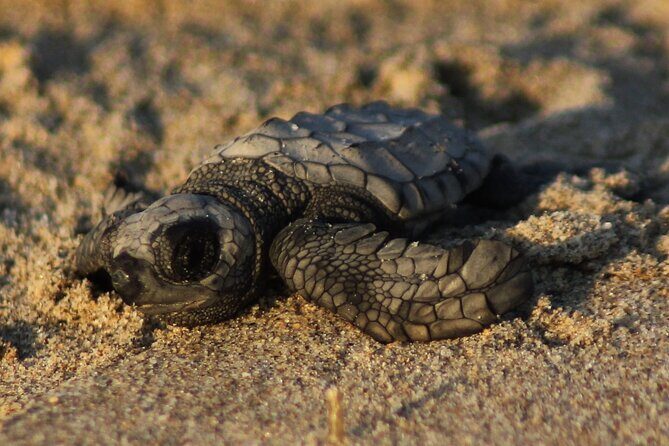
- Sunset release with a biologist so you’re not just watching—you’re helping hatchlings reach the ocean safely
- Guides who explain the science clearly, with bilingual support
- Short beach walk plus coastal habitat time (including mangroves and the shoreline environment)
- Hands-on participation: you help release baby turtles, with support for younger kids using a coconut
- Small group size (max 24) keeps the experience personal and manageable
Why This Puerto Vallarta Sea Turtle Release Feels Like Conservation, Not a Show
There are plenty of animal tours in Puerto Vallarta. This one hits different because the goal isn’t entertainment—it’s survival. You’re joining an effort that focuses on baby turtles during their most fragile moments, and that purpose shows up in how the tour is paced and explained.
The sunset timing also matters. Hatchlings released at dusk/night helps them get to the water when many predators are less active, and you feel that shift from learning to doing as the light falls. It’s the kind of experience that turns a beach evening into a conservation story you can actually participate in.
I also like that this tour’s tone is grounded. You spend time understanding nest monitoring and hatchling care before you get to the dramatic part, so your hands-on moment doesn’t feel random. It feels guided.
You can also read our reviews of more tours and experiences in Puerto Vallarta.


Ecotours Vallarta Check-In and the Start at 4:50 PM
Your experience begins at Ecotours Vallarta / Dive ShopProa 20, in Marina Vallarta (address: Proa 20, Marina Vallarta, 48335 Puerto Vallarta, Jal., Mexico). Plan to check in around 4:50 PM, then you’ll meet your guide and group for a quick, engaging biology and conservation talk at 5:00 PM.
This first briefing is important for two reasons. First, it helps you understand what you’re seeing later, including basic sea turtle life cycle concepts. Second, it sets expectations about the release process, the beach walk, and what you’ll need to do when it’s time to help.
You’ll also have restroom access before departure, which sounds small until you’re standing on a shoreline thinking about timing. This tour stays organized, and that early planning helps.
The Van Ride and Beach Walk to the Coastal Habitat (Around 5:45 PM)
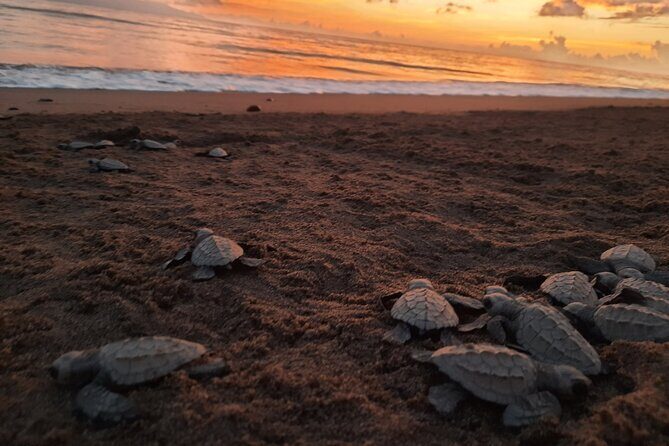
After the intro, you’ll head out by air-conditioned vehicle. Expect a short drive that can feel a bit bumpy at times, so if you’re sensitive to uneven roads, you’ll want to sit where you feel most comfortable.
Once you arrive, there’s a gentle beach walk—about 10 minutes and under half a mile—where your guide points out the local coastline environment. This part is more than a warm-up stroll. You’ll learn about what’s around you, including mangroves, and why this habitat matters for marine life.
Practical note: sand can be deceptively tricky. Even if the walk is short, you’re moving over sand and sometimes loose gravel, and your pace matters. Wear footwear that grips well. If your feet slip on beach days at home, that’s your clue to plan differently here.
Arrival at Sea Turtle Camp: Nest Monitoring and Hatchling Care
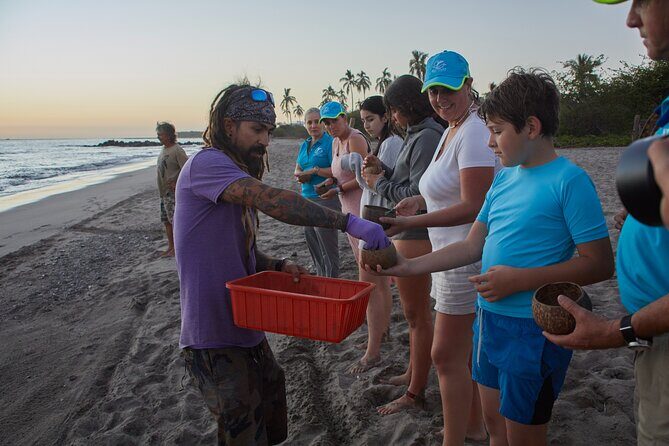
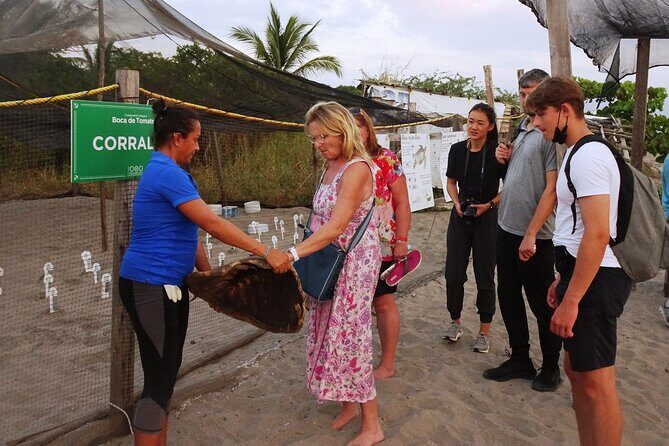
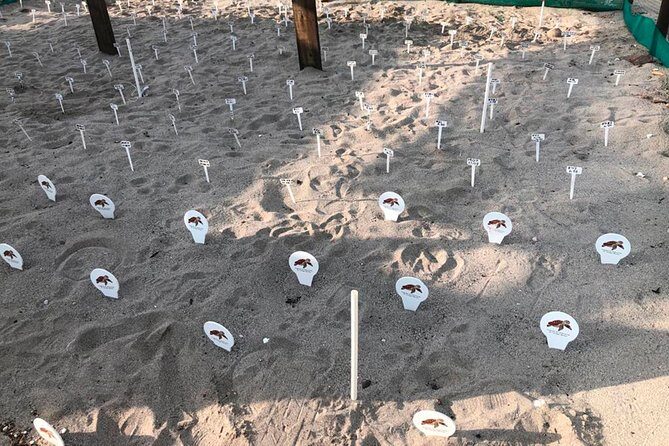
Next you’ll be introduced to the sea turtle camp and the ongoing conservation work behind the scenes. This is the stage where the tour turns from a nice beach activity into something you can explain back home.
You’ll hear how the team works with nests and hatchlings, including nest monitoring and hatchling care. That matters because sea turtles don’t just need protection once. They need protection repeatedly, from the nest stage through the moment hatchlings leave the sand.
This is also where you’ll see the camp’s routine and learn how decisions are made day to day. And there’s a key reality check here: if there aren’t baby turtles available on your tour day, the operator will contact you to re-schedule your reservation. That policy is part of the value—you’re not being pulled along for a guaranteed “performance” if nature doesn’t cooperate.
The Sunset Turtle Release: Your Hands-On Conservation Moment
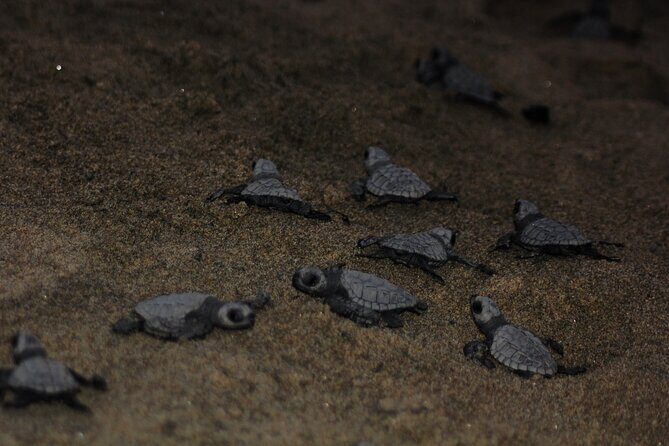
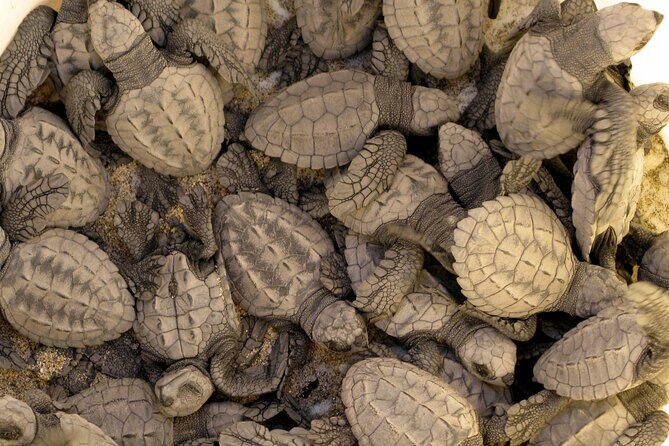
Then comes the main event: the sunset turtle release. You join a biologist (bilingual guide support) for the moment when you help hatchlings safely reach the ocean.
The release happens when the light is right, and that timing has a purpose. In many sea turtle projects, dusk/night conditions help hatchlings avoid predators and improve the odds of reaching water quickly. On the beach, you’ll feel the difference between simply watching and actively participating, because you’re helping set the first direction these tiny turtles take.
You’ll likely release multiple hatchlings during your time at the beach. It’s also a chance to connect emotionally with what you’re doing. Many people name their turtles during the moment (and yes, it can feel oddly personal in the best way).




A small, kid-friendly detail that makes a big difference
If you’re traveling with kids, there’s a practical method built in: parents help children under 7 carry a coconut to the sand where hatchlings are released into the ocean. It’s a memorable, hands-on way to include younger kids without turning the experience into a free-for-all.
Bonus wildlife moments you might see
On some departures, your guide may point out other wildlife during the walk—like birds or even crocodiles seen in nearby areas. Don’t count on it, but it’s a nice reminder that you’re not just visiting a single moment; you’re walking through a real ecosystem.
What’s Included (And Why That Impacts Value)
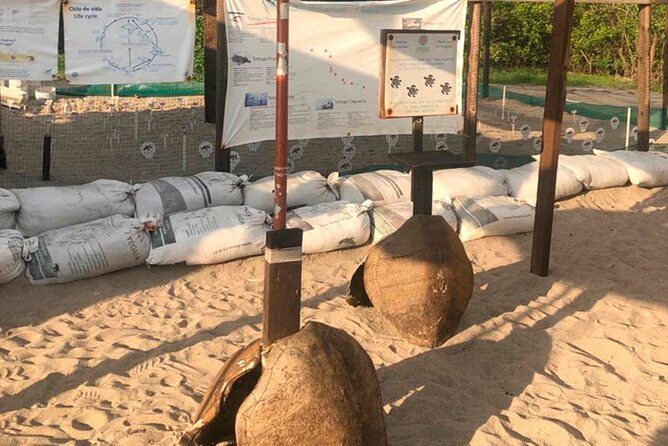
This tour isn’t just a ticket to an animal encounter. It includes key pieces that make the day easier and the science more credible.
Included:
- Air-conditioned vehicle
- Bottled water
- Snacks: granola bar, juice, and sodas
- Biologist bilingual guide
To me, the value here is the combination. You’re getting transportation, a guided biology lesson, time at a camp doing real work, and then a structured release moment with expert oversight. Many “wildlife” tours stop at viewing. This one builds toward action.
Also, the group size cap of 24 travelers matters. Smaller groups usually mean fewer bottlenecks at the beach and more chance to ask questions without shouting over everyone else.
What You Need to Bring (So Mosquitos Don’t Steal the Show)
The tour does not include mosquito repellent, and you really should bring it. Even if you think you can tough it out, evening beach air can bring annoying bites fast. Pack repellent and apply it before you get near the shoreline.
Other practical items you’ll be glad you brought:
- Grippy footwear for sand and loose gravel
- A light layer if you run chilly at sunset (temperatures can shift on the coast)
- Water refills after if you’re prone to dehydration, since you’ll get water during the tour but not all-day hydration
And keep in mind: this is a short tour, about 2 hours total (approx.), so you don’t have time for comfort fixes after the fact. Plan to show up ready.
How Walking Time Adds Up (And Who Should Rethink It)
The walking requirement is one mile total over sand and loose gravel. That includes beach time going out and returning, and some of the return may be in darker conditions.
If you have limited mobility, this is a serious factor. The tour itself isn’t marketed for people who have trouble walking, and it’s not recommended for travelers with problem to walk. It’s also not recommended in advanced stages of pregnancy due to the amount of walking required.
This is where my advice gets simple: don’t judge the walk based on the distance alone. Sand changes everything. Loose gravel can slow you down. Darkness can make footing feel less steady. If you’re on the fence, lean toward skipping this one or asking a staff member very directly if the walk pace can be adjusted.
For most people, though, it’s doable. The walk segments are short and the overall pace feels manageable, especially because the tour is organized around rest and guided stops.
Rain, Weather, and the Day-Nature Reality
This experience requires good weather. If it’s canceled due to poor weather, you’ll be offered a different date or a full refund.
Weather matters here for two reasons. First, safe beach conditions affect footing. Second, timing for sunset release depends on natural conditions. In conservation work, nature sets the rules more than the calendar does.
There’s also the baby turtle availability reality. If there are no baby turtles on your tour day, the operator will contact you to re-schedule. That reduces the risk of you paying for a tour that turns into a generic beach walk with no release.
The Small-Group Feel: Why Questions Are Actually Answered
One of the most loved parts of the tour is the way guides handle questions. People often want to know what they’re doing, what the turtles face, and how conservation changes outcomes.
Guides including Michael, Maggie, and Francis have been highlighted for being friendly and clearly passionate about sea turtles, with answers that connect the science to the moment you’re participating in. When the group is capped at 24, it’s easier for a guide to actually hear you—and for you to hear back.
It’s a rare mix: friendly tour energy plus real expert instruction. That combo makes the experience feel authentic, not performative.
Who This Tour Is Best For (And Who It’s Not)
This sea turtle release is best for:
- Families who want an educational outing that includes a hands-on moment
- Couples who like nature experiences with meaning, not just photos
- Nature lovers who care about conservation outcomes and want to see how tourism can support real protection work
- People comfortable walking on sand and okay with an evening on the beach
It’s not a great match for:
- Anyone with significant difficulty walking
- People in advanced stages of pregnancy
- Anyone who dislikes mosquito exposure and won’t bring repellent
If you’re traveling with kids, it’s especially strong because you’re not just pointing at animals. Kids can participate in the release process with support (including the coconut method for younger children).
Should You Book the Sea Turtle Release in Puerto Vallarta?
If you want a Puerto Vallarta activity that feels purposeful, book this. The combination of biologist guidance, camp-based conservation context, and a structured sunset hatchling release makes it far more than a beach excursion.
I’d only hesitate if walking on sand and loose gravel is a problem for you, or if evening beach conditions (including mosquitos and darker return footing) don’t suit your comfort level. If those are non-issues, this is one of the rare tours where you’ll leave feeling like you helped something real, in a way you can understand.
FAQ
What time do I need to check in for the Sea Turtle Release tour?
You’ll check in at 4:50 PM at Ecotours Vallarta / Dive ShopProa 20, Marina Vallarta. The group talk starts at 5:00 PM.
Is the tour offered in English?
Yes. The tour is offered in English, and the guide is described as bilingual.
How long is the tour?
The duration is listed as about 2 hours.
How much walking is involved?
You must be able to walk 1 mile total on sand and loose gravel. The day includes a short beach walk on the way to the camp and additional walking time, including on the return.
Where does the tour start and end?
It starts at Ecotours Vallarta / Dive ShopProa 20, Marina Vallarta, 48335 Puerto Vallarta, Jal., Mexico. It ends back at the same meeting point.
What should I bring since mosquito repellent isn’t included?
Bring mosquito repellent. It’s specifically noted as essential for your comfort and protection during the trip.
What happens if there are no baby turtles on the day of the tour?
If there aren’t baby turtles available, the sales staff will contact you to re-schedule your reservation.
Is there restroom access during the tour?
Yes. Restroom access is available before departure at the check-in point, and restrooms are also available when you return.
What if the weather is bad or the tour can’t run?
The experience requires good weather. If canceled due to poor weather, you’ll be offered a different date or a full refund.