REVIEW · PLAYA DEL CARMEN
Scuba Diving in Cenote Kukulkan from Playa del Carmen
Book on Viator →Operated by The Cenote Guy · Bookable on Viator
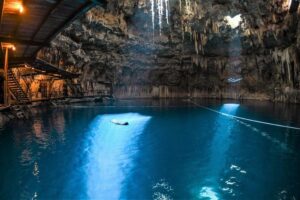
Cenote Kukulkan is the kind of place that feels unreal. This small-group scuba day pairs all equipment and round-trip transport with careful safety checks and a guide who explains the Mayan and science side of what you’re seeing. My favorite part is the feel: max 4 people makes it calm, personal, and you get time for real questions. I also like how the guide sets you up step-by-step, including a tank pressure inspection and guided pacing so you can actually enjoy the light and walls. One possible drawback: there’s an extra entrance fee on top of the tour price, and the rules around certification and timing are strict.
You start early, roll out of Playa del Carmen, and come back by about 2:30 to 3:00 pm. Expect two underwater sessions on two different lines, snacks and refreshments during the day, and a typical Mexican meal afterward (sometimes sandwiches if restaurant options are limited). Before you book, check that you meet the practical requirements: minimum Open Water certification, minimum age 15, and no underwater cameras.
If you want a smooth, safety-first cenote experience without big-bus chaos, this one is built for you.
In This Review
- Key things I’d circle before you go
- Morning logistics: getting to Cenote Kukulkan smoothly
- The 30-minute ride: Mayan context and what your guide will cover
- Gear prep and tank checks: the part that keeps things calm
- Two underwater sessions on two different lines at Cenote Kukulkan
- Timing on site: what happens after the first session
- The included lunch and what to expect after you’re back on land
- Entrance fees: the one extra cost you should budget
- Who this Cenote Kukulkan experience is best for
- The small-group advantage you’ll actually feel
- What to bring (and what to skip)
- Should you book this Cenote Kukulkan scuba experience?
- FAQ
- What time does the experience start in Playa del Carmen?
- How long is the tour?
- Is scuba certification required?
- What age is the minimum for this experience?
- What’s included besides the guide?
- What is not included?
- Are underwater cameras allowed?
- Can I take a flight soon after?
Key things I’d circle before you go
- Small group (max 4): easier communication, less waiting, and more hands-on coaching.
- Included gear rental: you won’t have to source a whole kit before showing up.
- Tank pressure inspection + gear check: you get a real pre-entry sanity check, not a rushed handoff.
- Two underwater lines: you’re not just repeating the same stretch; you’ll do two separate routes.
- Light refraction stops: the guide pauses at points where the lighting changes the whole mood.
- No underwater cameras: plan to rely on memory and photos you take topside.
Morning logistics: getting to Cenote Kukulkan smoothly
The day starts at 8:00 am at Fruit Stand Centro, 77710 Playa del Carmen, Q.R., Mexico. The tour notes that the scuba gear is already in the vehicle when you meet, so you’re not standing around while everything gets hauled out at the last second. If you’re staying in town, this is one of the nicer “show up and go” setups versus arranging your own transportation and gear.
Plan for a full morning. The total outing is about 7 hours, with return to the meeting point between 2:30 pm and 3:00 pm. That means you should treat the afternoon back in Playa as your buffer time—grab a relaxed meal, do some shopping, and don’t schedule anything stressful right after.
Also pay attention to the language note: the experience is offered in English, which matters when safety briefings are detailed. And it helps when you’re also trying to understand the Mayan and scientific context.
You can also read our reviews of more scuba diving tours in Playa del Carmen
The 30-minute ride: Mayan context and what your guide will cover
Right after you get moving, you’ll drive about 30 minutes toward the cenote. During that time, the guide shares what you’ll do that day and explains the importance of cenotes in Mayan culture.
This is more than just trivia. Understanding the why behind the place changes how you experience it. Cenotes are not random holes in limestone. They’re part of a cultural and environmental system the Mayans relied on and respected. On this tour, you get some background before you’re even suited up, so your attention is already pointed in the right direction once you’re on-site.
You’ll also get a practical setup conversation. Your guide will ask about your previous scuba experience and offer tips to help you feel comfortable for these specific conditions.
Gear prep and tank checks: the part that keeps things calm
Once you reach the site, you get time to prepare your equipment. The tour runs a structured sequence:
- you set up your scuba gear,
- you and the guide do a gear readiness check together,
- the guide checks the tank’s pressure and performs a detailed inspection,
- you walk around the premises to get familiar with the entry point and the dive path,
- then you receive a security and scuba briefing before the first underwater session.
I love this style because it lowers the mental noise. Many “adventure” tours rush the setup. Here, you’re getting checks, then getting oriented on where you’ll go, then hearing the safety plan. That order helps you feel like you’re not guessing.
One smart rule to remember: there’s no underwater camera allowed. If you’re hoping to bring a GoPro or similar, you’ll need to leave it behind. If you’re the type who depends on photos for proof, you’ll want to be okay with just enjoying the view and soaking it in.
Two underwater sessions on two different lines at Cenote Kukulkan
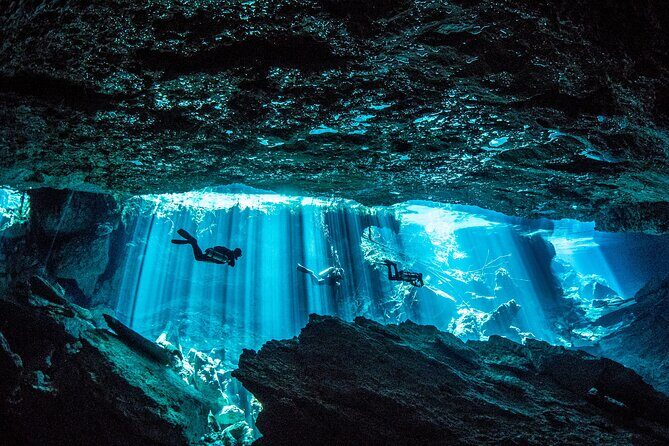
The core of the experience is two underwater sessions on two different lines. The guide doesn’t treat it like a repeat performance. Doing two separate routes matters in a cenote, because the way light travels and the way you see the walls can change with direction and position.
Before you enter, there’s a security and briefing. After that first session, the tour says the surface interval is determined based on the first dive. That tells me the pacing is responsive to how things go underwater, not rigidly timed on paper. For you, that usually means you’re not being pushed into a schedule that ignores real conditions.
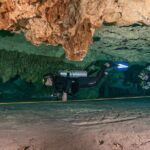
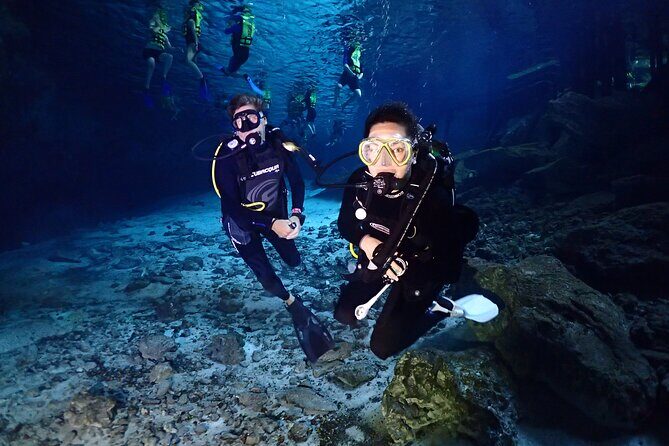
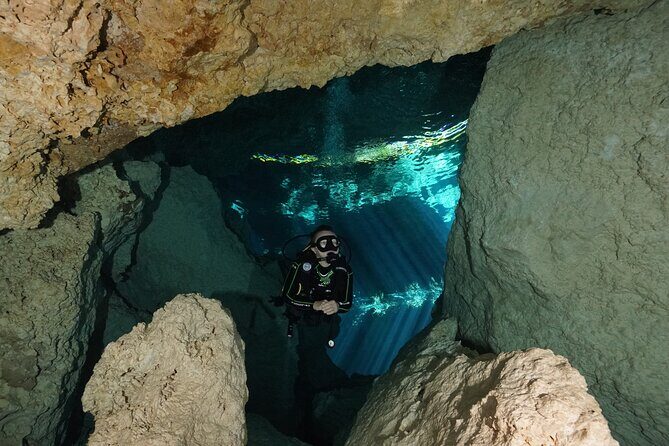
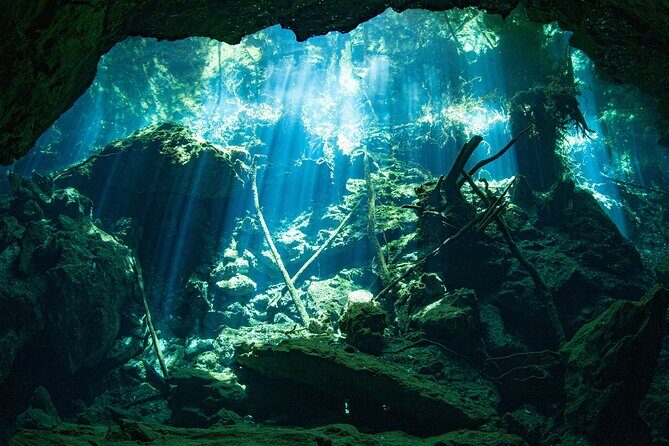
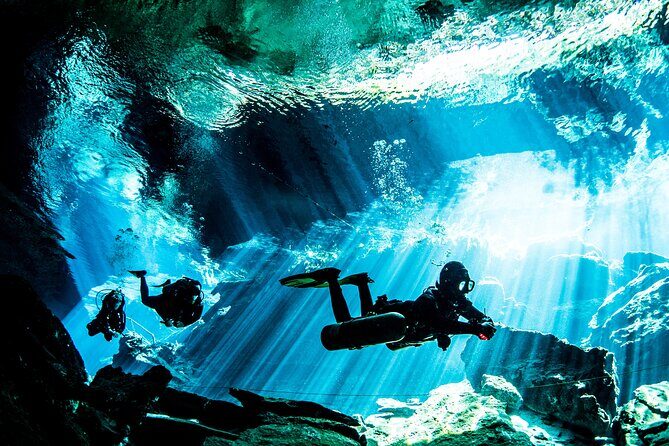
Another detail I really like, and it came through in the feedback: the guide makes the right stops so you can take in the beauty of the light refractions. That’s the magic many people come for. In water like this, lighting isn’t just pretty—it’s what makes the rock look alive. Pauses sound simple, but they make the difference between “getting through it” and actually noticing the cenote’s character.
Your guide also seems to mix storytelling with what you’re literally seeing. In one set of feedback, Remi was praised for giving both history of the cenotes and scientific context about what participants were observing underwater. That combo helps you feel like you’re learning, not just following bubbles.
Timing on site: what happens after the first session
Between the two underwater sessions, you’ll have a surface interval based on what happens during the first one. The tour doesn’t promise a specific number of minutes, and that’s fine. Cenote conditions and your own pace can affect how long you need at the surface.
What you should plan for is a mindset shift. This isn’t about racing time. It’s about controlled comfort: staying relaxed, following cues, and letting the light and walls do the work. If you’re anxious about buoyancy or air use, now is when it helps that you had that earlier conversation about your experience level.
Also remember: the activity is not suitable 12 to 18 hours before taking a plane. If your trip includes a flight on the same day range, you’ll want to move this tour earlier in your schedule.

The included lunch and what to expect after you’re back on land
After the two underwater sessions, you’ll share a meal together at a typical Mexican restaurant. The tour notes that Covid-19 restrictions may limit restaurant choice, and you might be given sandwiches instead. Either way, the meal is included, and the plan also includes snacks and refreshment throughout the day.
I like that there are snacks and drinks built in. After being in full gear and then moving through two underwater sessions, you don’t want to be relying on whatever you find nearby on your own. You’ll have at least the basic fuel and hydration covered.
Also, the group size matters here. With max 4 participants, mealtime feels more like sharing an experience than waiting in a line with strangers who all go home at different times.
If you’re coming from a morning of suit-up and briefings, a simple Mexican meal is the right landing spot.
Entrance fees: the one extra cost you should budget
Here’s the practical part: entrance fees are not included. You’ll pay MX$300.00 per person for access to both cenotes.
This matters for value. The tour package includes professional guidance, scuba equipment rental, snacks and refreshments, and a typical lunch, so you’re not paying extra for most of the “day of” stuff. The entrance fee is basically the mandatory site cost. If you’re comparing this to a cheaper option, make sure you’re comparing apples to apples with the entrance included.
Tip: if you’re traveling with friends, it can help to budget this per person rather than assuming it’s wrapped into the base rate.
Who this Cenote Kukulkan experience is best for
This tour is built for people who meet the scuba requirements and want a structured, calm day.
It’s mandatory that you have scuba certification (minimum Open Water). The minimum age is 15. Your most recent scuba experience should be at least 6 months ago. The tour also isn’t recommended for travelers with heart problems or other serious medical conditions.
A big fit factor is comfort with rules. There are clear restrictions: no underwater cameras, timing rules around flying, and certification requirements. That can feel strict, but it’s usually how you get a safer experience in a cenote environment.
If you’re experienced and want something special, this one has a strong track record in the feedback. One review praises the guides and mentions that the small group felt intimate, with stops timed for the best light moments. Another review singled out Remi for safety, knowledge, and making the experience feel both exciting and well run. Even a long-time scuba instructor described the experience as unforgettable, which says a lot about the quality of the guidance and the uniqueness of the setting.
The small-group advantage you’ll actually feel
Max 4 travelers isn’t just a marketing line. It changes how the day flows:
- you get a clearer read on what to do,
- it’s easier for the guide to spot how you’re handling adjustments,
- and you’re less likely to spend your time waiting.
In a cenote, waiting can feel long because you’re holding gear, managing expectations, and staying mentally ready. A smaller group usually means fewer logistics hiccups and more time watching and learning instead of shuffling between checkpoints.
It also helps with pacing. When the guide decides the surface interval based on the first underwater session, you want a group that can adapt without stress. A small group typically makes that smoother.
What to bring (and what to skip)
The tour includes scuba equipment rental and snacks, so you can travel light. What you should focus on is staying practical for a wet environment and a long morning.
Don’t plan on using an underwater camera. If you want photos, plan for topside moments instead.
Beyond that, bring:
- swimwear you’re comfortable in (since you’ll be suiting up),
- a change of clothes for after,
- and anything you need for comfort while waiting around before and after sessions.
The less you’re fiddling with last-minute gear, the more you can relax and enjoy the day.
Should you book this Cenote Kukulkan scuba experience?
Book it if you want a cenote day that feels organized, small-group, and guided—with real attention to safety checks and a guide who explains what you’re seeing. The combination of included gear rental, included meal, snacks, and a time window that brings you back by mid-afternoon is strong value for a structured cenote experience.
Skip it (or at least think hard) if you don’t meet the scuba certification requirement, if you’re close to a flight in the 12–18 hour window, or if medical factors make you cautious. Also factor in the entrance fee of MX$300 per person. For many people, that’s the only extra cost worth planning for.
If you’re craving the classic cenote look—those light refractions and that calm underwater atmosphere—this is one of the cleaner ways to get there from Playa del Carmen.
FAQ
What time does the experience start in Playa del Carmen?
You meet at 8:00 am at the Fruit Stand Centro location in Playa del Carmen.
How long is the tour?
The total experience is about 7 hours. You return between 2:30 pm and 3 pm.
Is scuba certification required?
Yes. Scuba certification is mandatory, with a minimum of Open Water.
What age is the minimum for this experience?
The minimum age is 15 years old.
What’s included besides the guide?
The package includes a professional multilingual guide, snacks and refreshments, scuba equipment rental, typical Mexican lunch, and transportation from the meeting point.
What is not included?
The entrance fee is not included. Entrance to both cenotes costs MX$300.00 per person.
Are underwater cameras allowed?
No. No underwater cameras are allowed.
Can I take a flight soon after?
The tour notes it is not suitable 12 to 18 hours before taking a plane.