REVIEW · ISLA MUJERES
Scuba diving at MUSA the underwater museum for certified divers
Book on Viator →Operated by Pocna Dive Center · Bookable on Viator
Statues underwater is a rare kind of magic. This two-tank MUSA and Manchones reef scuba outing off Isla Mujeres is built for certified divers who want real marine life plus an art-and-conservation experience. I like that the tour includes the full gear setup and a small group vibe, so you get more help when you need it.
The biggest pluses are the all-in equipment included setup and the way the crew keeps things organized with snacks and refreshments between your underwater time. One thing to consider: a portion of your schedule is travel to and from MUSA, so if you want lots of slow, long statue-hunting time, plan around the fact the whole experience runs about 5 hours total.
In This Review
- Key highlights to know before you go
- MUSA and Manchones: what you’re really paying for
- The 5-hour flow off Isla Mujeres (and why it matters)
- Meeting the staff: small group energy and steady guidance
- Equipment included: what that means for your packing list
- MUSA statues: how to see more than the postcard version
- Manchones reef: the living counterpart to the museum
- Who this is for: certified divers only, and how to think about that
- Price and value: what $135 really covers
- What to bring (and what to do) for the smoothest experience
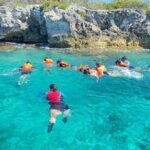
- The boat experience: simple and functional
- Best fit: who will enjoy MUSA and Manchones most
- Should you book this MUSA two-tank outing?
- FAQ
- Is this scuba experience only for certified divers?
- How long does the tour take?
- How much does it cost?
- What’s included in the price?
- Are snacks and drinks provided?
- Do I get a small-group experience?
- What marine life can I expect to see?
- How many statues are at MUSA?
- Where do I meet for the tour?
- What if the weather is bad?
- Is the tour offered in English?
Key highlights to know before you go
- Two tank sessions for a good balance of statue viewing and reef life
- All scuba equipment provided, so you can travel lighter
- Small group (max 10) means easier, steadier attention from your guide
- MUSA + Manchones coverage: statues plus a working reef ecosystem
- Snacks and refreshments between your underwater time
- English offered for clear safety and trip guidance
MUSA and Manchones: what you’re really paying for
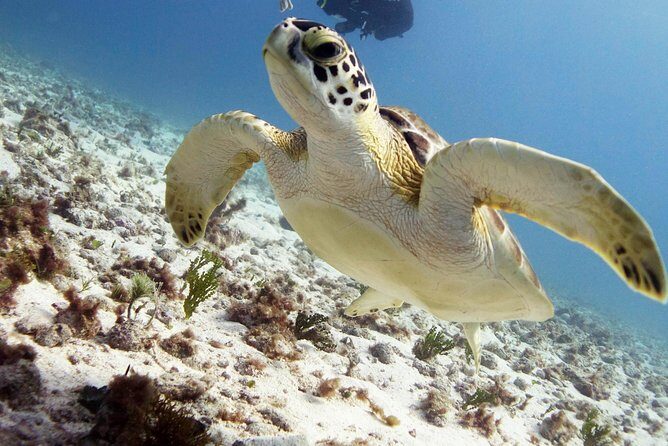
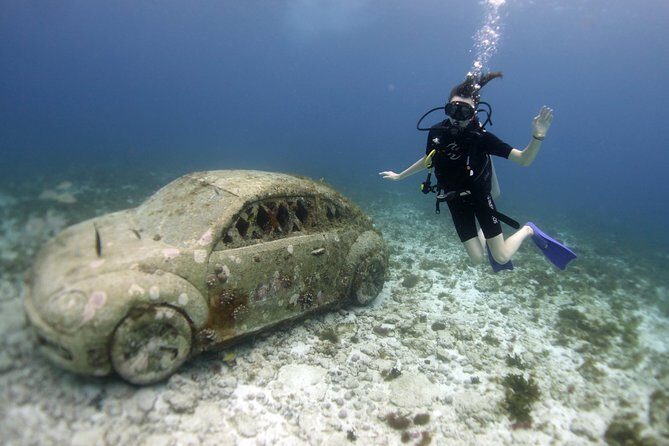
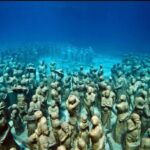
This is not a generic reef tour. You’re paying for two things that happen in the same morning: a visit to MUSA, the underwater museum with hundreds of growing installations, and a stop at Manchones reef, where the “usual” underwater drama—fish, corals, and bigger animals—shows up.
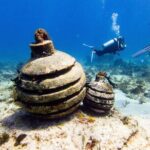
At MUSA, you’re looking at over 450 statues (and they keep expanding). That matters because it changes what you see each time the museum grows. You’re not just touring an attraction; you’re seeing a living collection designed to support marine habitat while visitors look on. When you pair that with Manchones, you get variety: art-adjacent structure at MUSA, then a more open reef feel at Manchones.
The practical value here is simple: with two sites scheduled back-to-back, you get more total underwater time and more species variety than you’d typically get from just doing one area and turning around early.
You can also read our reviews of more museum experiences in Isla Mujeres
The 5-hour flow off Isla Mujeres (and why it matters)
The tour runs about 5 hours and includes two separate underwater tank sessions. You’ll start at the Pocna scuba center on Ave Matamoros #15 (Centro, Isla Mujeres), and you’ll return to the same meeting point afterward.
Why the timing matters: you’re balancing transit time, gear prep, boat time, and two underwater segments. One piece of real-world advice from past experiences is that the MUSA portion involves enough travel out and back that your time spent staring at statues may feel shorter than you hoped. In other words, you’ll see the museum, but the tour still moves like a trip with structure—not like a free-form hangout.
You’ll have breaks between the two underwater parts. That’s where the snacks and refreshments help. Isla Mujeres water outings can make you hungry fast, especially if the boat ride and gear work leave you a bit worn out before the first tank.
Also, you can choose from two tour times. That’s not just a scheduling detail—picking the one that fits your day can help you avoid squeezing the outing into the one part of your itinerary where you’re already tired.
Meeting the staff: small group energy and steady guidance
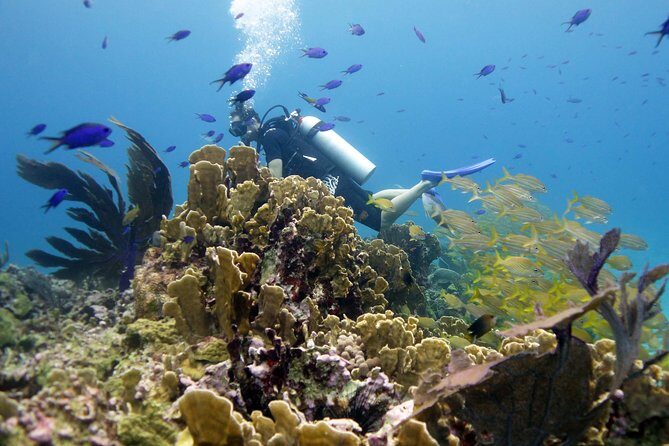
This is capped at 10 travelers, and that small number is a big deal underwater. Fewer people generally means you spend less time waiting, more time getting clear direction, and more chances for the guide to notice small problems early (like buoyancy habits that need correction, or simple navigation that benefits from a quick check-in).
The names that show up in the tour team’s reputation include Pepe and Danni. Pepe is described as especially patient, including for people who feel stressed with their first breaths underwater and need extra reassurance and walkthroughs. Danni is described as kind and attentive—exactly what you want when you’re on the water and things can feel busy.
If you want a calmer experience—more teaching, less herd movement—this small-group structure is one of the best reasons to book this specific outing.
Equipment included: what that means for your packing list
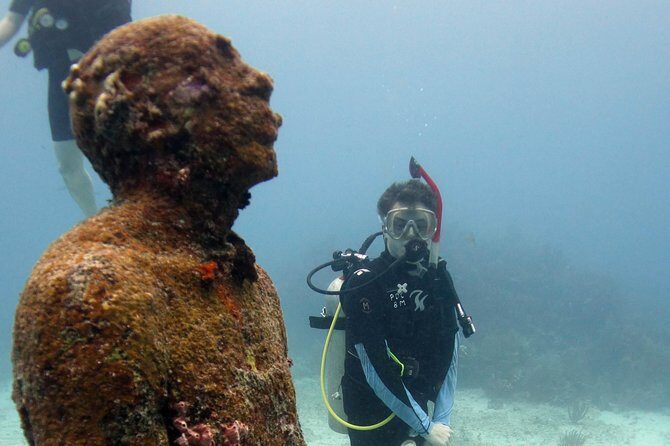
The tour includes the use of scuba equipment, which is one of the best value levers here. For many divers, renting gear adds up quickly, and it can also be annoying if your schedule is tight.
You’re also getting refreshments on the boat (fruit, plus water are included). That means you’re not stuck trying to time snacks perfectly between transfers and underwater time. It also helps if you’re prone to feeling low-energy on water days.
What I’d still plan for: even with gear provided, you should bring the gear that supports your visibility and comfort choices. The best practical tip from past experiences is that an underwater light can be helpful on this tour, especially if you want to see the details where marine life clusters around structures. If you’re sensitive to low light or you like examining the museum installations up close, a small light can upgrade your experience.
MUSA statues: how to see more than the postcard version
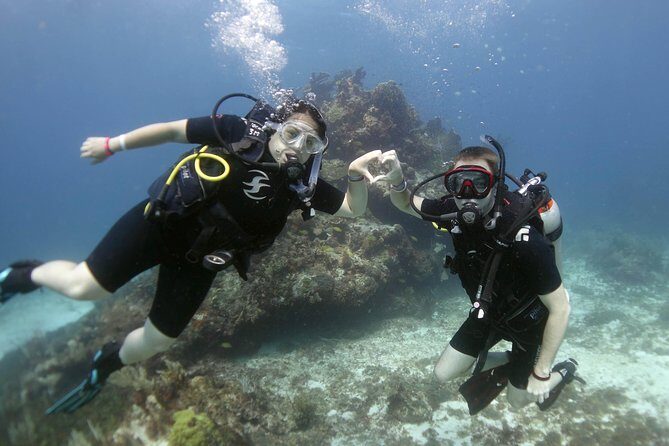
MUSA has a lot of statues, but seeing it well comes down to how you move through the museum. Because the tour runs with a defined schedule, you’ll typically be guided to hit the main statue areas and then return to the reef segment plan.
Here’s the honest tradeoff: if your dream is a slow, long, photo-by-photo museum tour, the logistics of traveling out, doing the key statue zone, and then heading back can shorten the “stay and study” time you imagine. One practical takeaway is to go in with a mindset of focused browsing, not endless wandering.
To get better value from the statue portion, do two things:
- Aim for variety over perfection. You’ll see a wonderful spread of marine life—corals and different fish species around the structures. If you chase every single detail, you may lose the bigger picture of what’s happening across the installation area.
- Use your visibility tools. An underwater light can help you notice small life and texture details that are harder to see with ambient light alone.
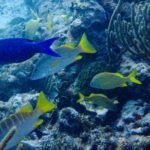
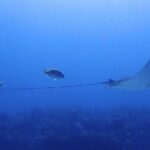
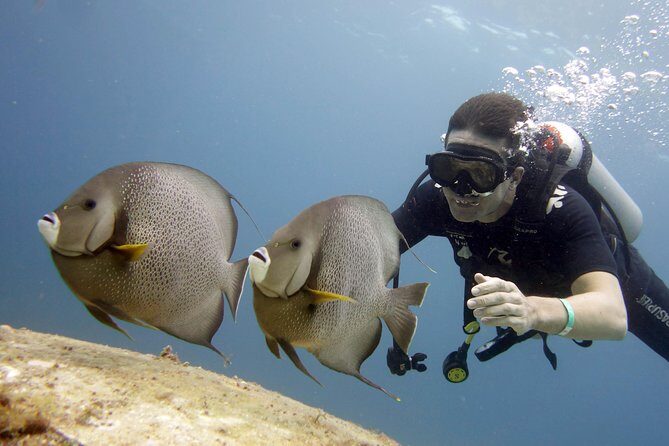
As you go, you can expect the kind of animal spotting that makes people keep coming back: turtles, rays, crustaceans, and a range of reef fish. Not every tank will produce the same sightings, but the range of species is why MUSA is such a popular attraction.
You can also read our reviews of more scuba diving tours in Isla Mujeres
Manchones reef: the living counterpart to the museum
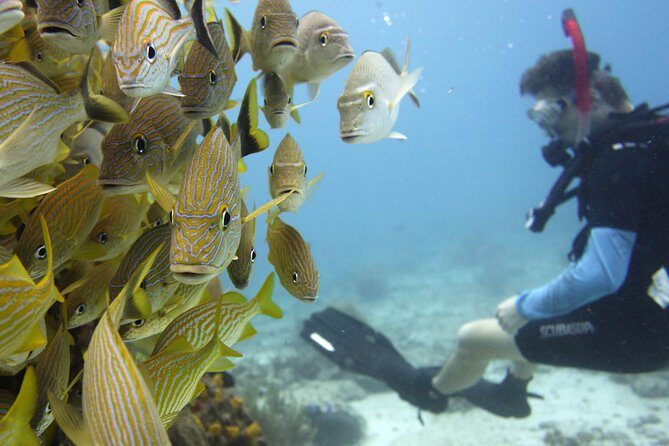
After MUSA, you shift to Manchones reef, a separate section off the Southern tip of Isla Mujeres. This is where the trip balances its “museum” identity with a more classic reef feel.
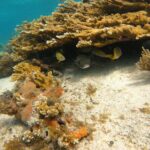
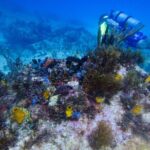
Manchones is where you’ll likely spend more time thinking about the reef itself: fish activity, coral structure, and the way animals use the reef edges and calmer zones. The tour description highlights that you can expect tropical marine life here as well, including corals and fish species, plus the possibility of larger animals like rays and turtles.
This second site matters for two reasons:
- Variety boosts your odds. If the museum area is busy with certain fish types, the reef structures can shift the mix.
- You get a clearer sense of the habitat. MUSA is built around sculptural installations that attract marine life. Manchones is a reef system feel—so the comparison helps you understand what you’re looking at.
Who this is for: certified divers only, and how to think about that
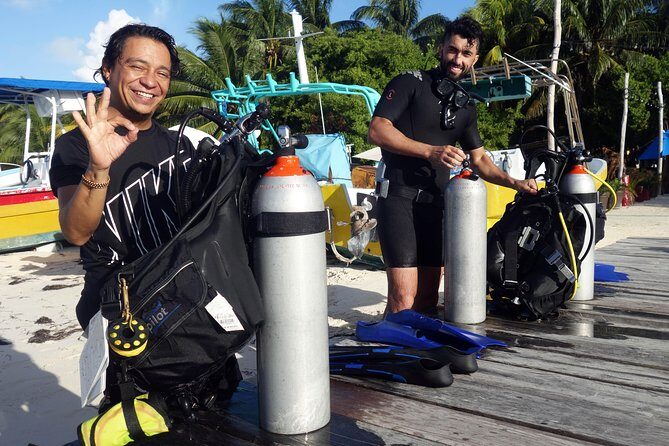
This specific option is for certified divers only. If you’re not certified yet, you’ll need to take a Discover Scuba Diver class first to qualify for the certified experience.
That rule isn’t just paperwork. It affects how the day feels for everyone onboard. Certified divers generally move through buoyancy, safety procedures, and underwater positioning with less friction, which helps the guide manage the group’s timing and keeps the outing enjoyable rather than stressful.
If you’re worried about your first time underwater or you’re rusty, look at this as a learning path:
- start with the required class if you need it
- then come back for the museum-and-reef package once you’re comfortable with the basics
Price and value: what $135 really covers
At $135 per person, this isn’t a budget-only outing, but it also isn’t priced like a luxury private charter. The value comes from what’s included and what you’re supporting.
Your price includes:
- Scuba equipment
- Refreshments on the boat (including fruit and water)
- The donation that supports the upkeep and growth of MUSA
That last piece is important. Part of what you’re paying isn’t just a service fee—it’s directly tied to maintaining the underwater museum and helping it continue growing. If you care about divers’ role in conservation and long-term reef-friendly projects, that donation component is a key reason this tour feels “worth it” rather than just “something to do.”
A hidden value factor is the small-group max of 10. If you’ve ever been in a larger group where your guide can’t give good attention to everyone, you know why that matters. You’re paying for control and care as much as you’re paying for transport and equipment.
What to bring (and what to do) for the smoothest experience
This outing gives you the essential gear, but you still want to show up prepared so your underwater time is enjoyable.
My practical checklist:
- Bring your certification details (since this option is certified-only)
- Consider bringing an underwater light if you want better visibility for the museum structures and the small life that hides in shadows
- Wear comfortable swimwear and plan for a boat day (you’ll be on the water for hours)
- Don’t forget any personal items you normally need for a water outing, since the included items focus on scuba setup and simple boat refreshments
One more tip: because the tour includes two underwater segments in a single morning, try to start your day fueled. The fruit and water help, but your energy still matters when you’re managing gear and breathing through the first tank.
The boat experience: simple and functional
One note from past experiences is that the boat can feel more basic than you might picture from glossy tour photos. That doesn’t automatically mean a problem. For many divers, what matters is whether the crew runs the day safely and keeps everyone cared for between tanks.
The good sign here is the consistent emphasis on attentiveness and care from the team. People highlight that instructors are focused on making the experience comfortable, not just checking boxes. If you want a smooth, friendly operation with clear support, this tour’s reputation seems to line up.
Best fit: who will enjoy MUSA and Manchones most
This is a strong match if you:
- are a certified diver looking for a two-site outing
- want statues plus reef life in one outing
- like the idea of small-group attention (max 10)
- care about a museum project connected to conservation and long-term growth
It’s also a solid option if you’re diving with teens or family members who are already certified and ready to follow guide direction. A first underwater experience can be stressful for some people, but the team’s reputation for patience is part of why the day tends to land well for families.
If you’re someone who wants maximum time staring at one installation and doing slow, lingering exploration, you may feel the schedule compresses your statue time. If that’s you, go in with realistic expectations and lean on an underwater light to make the minutes count.
Should you book this MUSA two-tank outing?
I’d book it if you want an efficient, well-supported way to see MUSA’s statues and also get reef variety at Manchones—with gear handled for you and a small group size that makes guidance feel personal. The donation element tied to keeping MUSA growing is also a meaningful part of the value.
I wouldn’t push it as hard if your top priority is a very slow, long-form museum exploration. The day is structured, and getting to and from the statue areas takes time. Still, you’ll see plenty of marine life, and the practical tip about bringing an underwater light can help you squeeze more detail out of your time.
Bottom line: if you’re a certified diver who wants a memorable Isla Mujeres underwater experience with support and variety, this is a strong pick.
FAQ
Is this scuba experience only for certified divers?
Yes. This option is for certified divers only. If you’re not certified, you’ll need a Discover Scuba Diver class to qualify for the certified experience.
How long does the tour take?
The total time is about 5 hours.
How much does it cost?
It costs $135.00 per person.
What’s included in the price?
You get use of scuba equipment and refreshments on the boat.
Are snacks and drinks provided?
Yes. Fruit and water are included, and there are refreshments on the boat between your underwater time.
Do I get a small-group experience?
Yes. The tour has a maximum of 10 travelers.
What marine life can I expect to see?
You can expect tropical marine life including corals and fish species, with the possibility of turtles, rays, and crustaceans.
How many statues are at MUSA?
MUSA has over 450 statues and they continue to grow.
Where do I meet for the tour?
You meet at Pocna scuba center on Ave Matamoros #15 in Isla Mujeres. The tour ends back at the same meeting point.
What if the weather is bad?
This experience requires good weather. If it’s canceled due to poor weather, you’ll be offered a different date or a full refund.
Is the tour offered in English?
Yes, the experience is offered in English.