REVIEW · ISLA MUJERES
Scuba Diving Adventure WITHOUT CERTIFICATION! Try it today!
Book on Viator →Operated by Aqua Adventures Eco Divers, 5 STAR PADI · Bookable on Viator
Trying scuba feels faster than you think. This Discover Scuba setup in Isla Mujeres is designed for real beginners, with an instructor beside you from the first skills practice to your time underwater at MUSA and the Manchones reef. I love that you get a real course-lite day, not a “just jump in” experience.
Two things I especially like: the step-by-step training (classroom basics, then skills in about 3–4 feet of water) and the super-close supervision that keeps first-timers feeling calm. One consideration: if you run cold, ask up front about wetsuits—a couple of first-timers have mentioned they weren’t always offered automatically, even though the water can still feel warm.
In This Review
- Key takeaways before you book
- A certification-free taste of scuba in Isla Mujeres
- Classroom basics, then skills in 3–4 feet of water
- Your gear setup: fins, mask, weights, BCD, and a wetsuit check
- Two underwater stops: MUSA and the Manchones reef
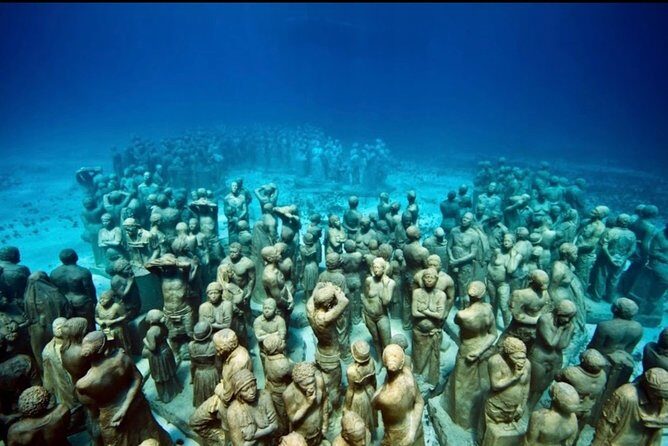
- MUSA (the underwater museum)
- Manchones (coral reef)
- Timing that feels doable
- Small groups and close instruction: why you feel safe
- Getting your bearings: meeting point and schedule at 11:00 am
- Underwater museum photos and the extra way to remember it
- Is $160 a good value for this full experience?
- Using your Try Scuba work toward PADI Open Water
- Who should book this experience?
- Should you book this Discover Scuba day in Isla Mujeres?
- FAQ
- Do I need scuba certification for this experience?
- What happens before you go underwater?
- Which underwater sites will we visit?
- What scuba equipment is included?
- How big are the groups?
- How long is the tour and when does it start?
- Will this help if I want PADI Open Water later?
- What if the tour is canceled or I need to cancel?
Key takeaways before you book
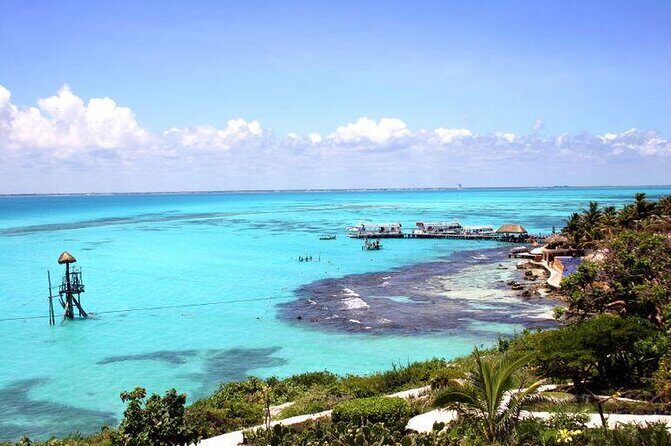
- Discover Scuba training in two stages: a 30-minute basics session, then practice in very shallow water
- Small-group feel: described as capped at four travelers, with a max of 10 travelers overall
- Two major underwater targets: MUSA (the underwater museum) and the Manchones coral reef
- All essential gear included: fins, mask, weights, BCD (plus wetsuits are typically available)
- Support that matches your comfort level: instructors stay hands-on through required skills and both underwater sessions
- A clear next step if you want certification: your work can count toward PADI Open Water credit
A certification-free taste of scuba in Isla Mujeres
If you’ve wanted to try scuba but you’ve been waiting for the “right” moment, this is the right shape of tour. It’s built around Discover Scuba, which means you don’t need a certification to participate. Instead, the day is structured like a mini-course: learn what to do, practice safely in shallow water, then head out for the underwater experience at two famous sites.
The value here isn’t just that you see sea life. It’s that you get guided confidence. Many first-timers worry that they’ll freeze, mess up the breathing, or feel lost underwater. This program is designed to prevent that. You learn the procedures first, then you repeat the key skills right away—so when you gear up later, you’re not guessing.
One more practical upside: the group size stays small. In the overview, it’s capped at four travelers, and the general maximum is 10. Either way, it’s not the “crowd and hope” style that can make beginners feel rushed.
You can also read our reviews of more scuba diving tours in Isla Mujeres
Classroom basics, then skills in 3–4 feet of water
The day starts with 30 minutes of training. You meet your instructor, go over the basic skills and procedures, and you get your first chance to ask questions before anyone expects you to go underwater for real.
Then comes the part that makes this experience work for beginners: shallow water training. You and your instructor practice the required skills in about 3–4 feet of water. That depth is important. It’s deep enough to feel like the ocean, but shallow enough that you can stand and breathe while you build muscle memory. For first-timers, that “I can do this” feeling matters more than people expect.
From the review notes, I’ve seen a pattern: instructors don’t just explain. They coach. Names that come up often include Pedro, Nina, Dani/Daniel, and Danny, and several descriptions highlight patience and extra reassurance during safety skills. If you’re anxious, that personal coaching is what turns a scary idea into a fun afternoon.
Practical tip: listen for the instructor’s cues about breathing and buoyancy. If you can follow their rhythm here, the open water part becomes easier fast.
Your gear setup: fins, mask, weights, BCD, and a wetsuit check
You’re not expected to show up with scuba gear. The experience includes the essentials: fins and mask, plus weights and a BCD (buoyancy control device). That matters because gear fit and comfort affect everything—if something sits wrong, you’ll fight it all day instead of enjoying the water.
One detail from the feedback is worth taking seriously: wetsuits are usually available, but a couple of first-timers said they weren’t offered automatically. If you tend to feel cold (even mildly), ask at the start to confirm you’ll get a wetsuit before heading out to sea. It’s a simple question that can save the second half of your day from feeling uncomfortable.
Also, take a moment to get used to how the mask feels. If you spend the training time focused on breathing and keeping your face comfortable behind the mask, everything else gets easier.
Two underwater stops: MUSA and the Manchones reef
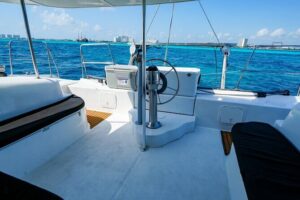
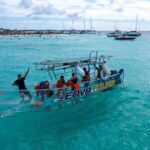
This is where the day earns its reputation. You’ll head out by boat to two dive sites (the underwater museum and a nearby reef area), with your instructor supervising and assisting the entire time.
MUSA (the underwater museum)
MUSA is the big draw for many first-timers because it makes underwater exploration feel structured. Instead of just looking for sea life, you’re also taking in the installations and sculptures on the sea floor. It’s a great first underwater stop because your attention has something specific to follow.
It’s also a strong confidence-builder. You can focus on staying calm and breathing while still having that “wow” factor. Several reviews mention that the experience includes time at MUSA with underwater visibility in Isla Mujeres that makes the whole scene feel easy to take in.
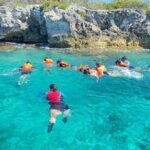
Manchones (coral reef)
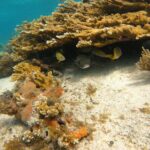
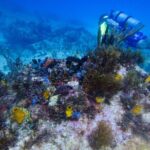
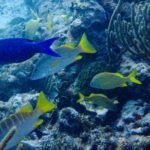
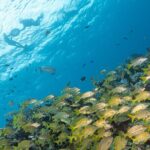
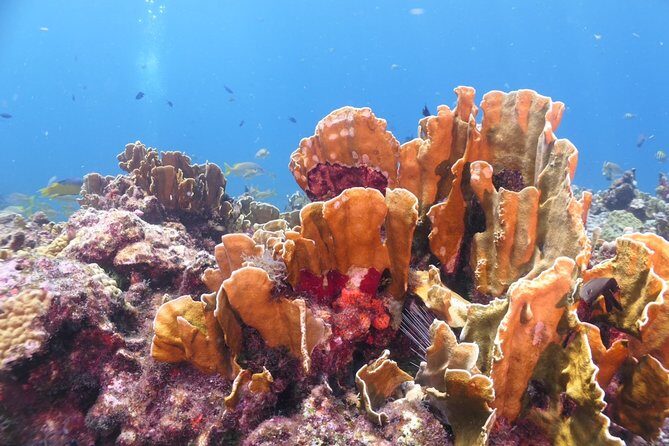
After MUSA, you go to Manchones, known for coral and reef fish. This is the “sea life moment” where you look for movement—fish everywhere, coral structure, and bigger wildlife sightings for lucky groups.
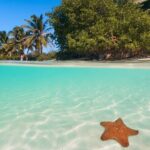
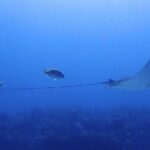
From the feedback, the sightings can be impressive even for beginners: baby turtles, sting rays, and lots of reef fish show up in multiple accounts. One review also describes a moment where a fish behavior looked dramatic (so you might see feeding or close-up action). The point for you: go in ready to slow down and watch, because this part is about noticing details, not just completing the experience.
Timing that feels doable
A few notes from the experience help set expectations: some groups report about 40 minutes underwater per site, and the day typically feels like a half-day commitment (around 6 hours total). Between sites, you’ll have surface intervals and you may get snacks during those breaks, which is a nice touch when you’ve been practicing skills and then heading out.
Small groups and close instruction: why you feel safe
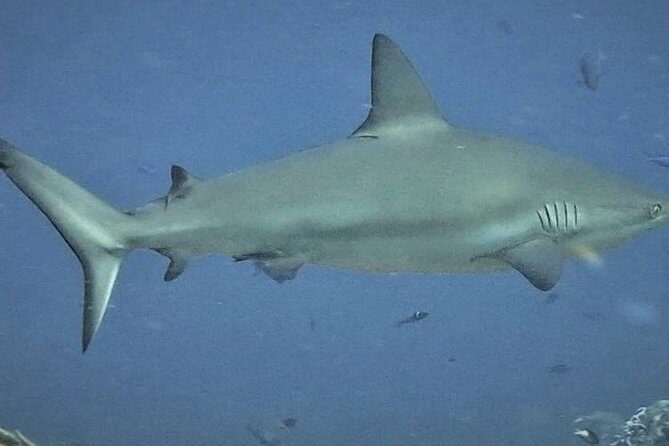
The biggest theme in the feedback is confidence. People describe instructors staying with them the whole time, holding your hand during key steps if needed, and explaining each move clearly.
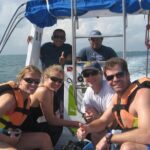
That kind of supervision matters most during the moments you can’t “figure out by yourself”—like the required skills and any fine-tuning you need once you’re underwater. Instructors named in the reviews include Nina, Pedro, Dani/Daniel, and Danny, plus guides like Javi and Jonathan referenced for their guiding role. The common thread is the same: careful attention and step-by-step guidance.
The group size also supports this. When the experience is capped at four travelers (and no more than 10 overall), you’re less likely to be shuffled between instructors or left waiting while someone else gets time in gear.
If you’re bringing kids, this small-group setup can be a real win. One family experience describes bringing a 14-year-old and an 18-year-old, with the instructor working effectively with the kids during training and staying close during the later underwater time. That doesn’t mean this is a kiddie playground—it’s still real scuba practice—but it suggests the instruction style can adapt.
Getting your bearings: meeting point and schedule at 11:00 am
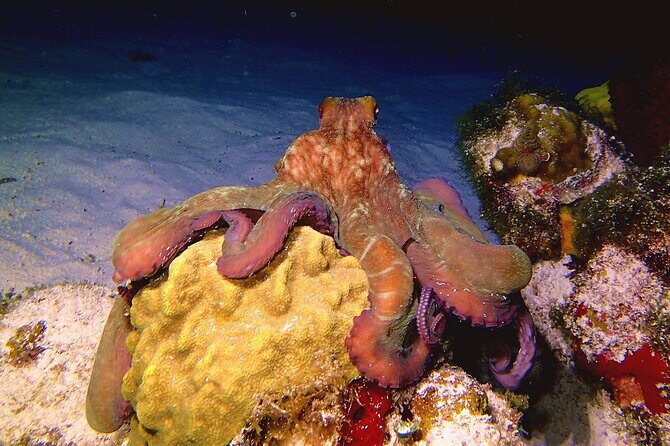
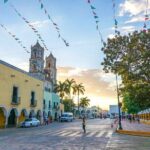
The day begins at 11:00 am at Aqua Adventures Eco Divers, 5 Star Padi Dive Center Centro, located across from Javi’s Cantina on Av Juárez 13, Isla Mujeres, Q.R., Mexico. Your trip ends back at the meeting point.
This is a practical timing choice. An 11:00 am start gives you a slow morning on the island and still leaves you with enough afternoon to recover and grab food afterward. The duration is listed as about 6 hours, so plan your day around it and don’t stack another major activity right before or after.
Because the meeting point is in Centro and described as near public transportation, you don’t need complicated logistics to reach it. If you’re staying close by, you can probably walk or grab a short ride. If you’re arriving via ferry routes from Cancun, you might find staff already accustomed to handling that flow, based on how some guests describe being greeted.
Underwater museum photos and the extra way to remember it
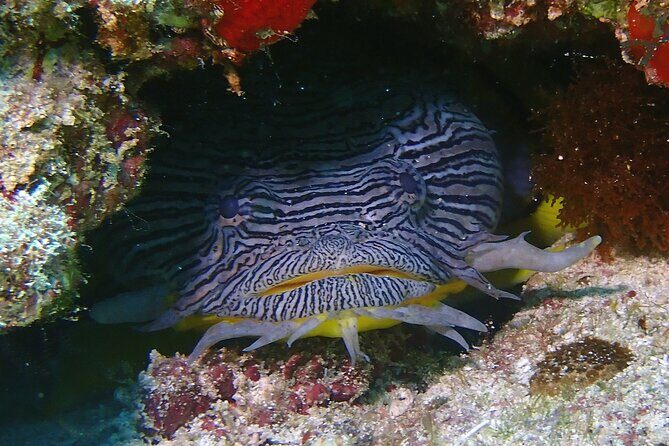
If you like keeping memories, this experience can include photography support. In one review, Lucia is mentioned for taking beautiful pictures during the day. Another name, Benjamin, is referenced in connection with photo opportunities, with a note that it took a little time to get in touch after the second site.
What this means for you: assume you’ll have chances to capture the day, but also be ready to ask questions on timing and delivery for photo packages. If you care about photos, it’s smart to confirm how the photographer(s) work and how you’ll receive images before you head underwater.
Also, bring a sensible mindset: underwater photos are easier when you’re relaxed and moving slowly. If you focus on breathing and staying comfortable, you’ll look better in photos—and you’ll enjoy the whole day more.
Is $160 a good value for this full experience?
At $160 per person, this isn’t a budget “activity only” price. You’re paying for a full beginner-guided day that includes training time, instructor supervision, boat transportation to two sites, and all essential scuba equipment like the BCD, weights, mask, and fins.
What makes it feel like value is the combination:
- You’re not just snorkeling. You’re getting taught key scuba skills and practicing them first.
- You’re seeing two distinct underwater environments: MUSA plus the reef at Manchones.
- You’re traveling with close supervision in a small-group setting.
If you’ve been pricing “try scuba” elsewhere, you’ll notice a huge spread. Some options feel like they cut corners on training depth or supervision. Here, the structure is clear: classroom first, then shallow-water skills, then two underwater sites. For many first-timers, that reduces anxiety and makes the experience feel worth paying for.
A quick sanity check: if you’re truly cold-natured, factor in how you’ll handle wetsuits and comfort. If you’re comfortable and relaxed, your day turns into exploration instead of endurance.
Using your Try Scuba work toward PADI Open Water
One of the most useful parts of this experience is the link to next steps. The program notes that if you decide to become PADI Open Water while you’re here, they can give you credit for the work you do during this session.
That matters because certification is usually a bigger commitment than people plan for. This try-scuba tour acts like a doorway. If you end up enjoying the training and the underwater time, you already have momentum—and you’ve completed parts of the learning process under supervision.
If your goal is Open Water, treat this as the beginning of a learning arc, not just a one-day thrill. The more you practice what your instructor teaches, the easier your future certification can feel.
Who should book this experience?
This one is best for you if:
- You’ve never done scuba before and want real instruction before you go underwater
- You feel nervous about breathing underwater and want hands-on coaching
- You want to see MUSA and a reef site in one organized day
- You want a clear next step toward PADI Open Water
It may not be the best fit if you want a long, slow, unstructured ocean day. This is more “guided training + two underwater sessions” than “wander and float for hours.”
And if you’re with a partner and one of you is more comfortable than the other, the instructor approach described in the feedback is encouraging. Several experiences mention instructors adapting their support so both people can feel safe and included.
Should you book this Discover Scuba day in Isla Mujeres?
I’d book it if you want the easiest path from curious to confident. The strongest reasons: training in shallow water before you go out, close instructor supervision, and the chance to experience both MUSA and Manchones with all the gear handled.
Do it with one small preparation mindset: plan to ask about wetsuits if you run cold, pay attention during the shallow-water practice, and don’t rush yourself once you’re underwater. If you treat the day like a lesson you’re allowed to learn, you’ll get the most out of the whole experience.
FAQ
Do I need scuba certification for this experience?
No. This is a Discover Scuba experience designed for people trying scuba without certification.
What happens before you go underwater?
You start with about 30 minutes of training with your instructor. Then you practice skills in shallow water at roughly 3–4 feet.
Which underwater sites will we visit?
You’ll go to two sites in the National Marine Park: MUSA (the underwater museum) and Manchones (a coral reef).
What scuba equipment is included?
The experience includes essential gear such as fins and a mask, plus weights and a BCD. Wetsuits are mentioned as available in guest feedback, and it’s smart to confirm you’ll get one if you’re prone to feeling cold.
How big are the groups?
The experience highlights say the group is capped at four travelers for the adventure, and the additional information also lists a maximum of 10 travelers.
How long is the tour and when does it start?
It starts at 11:00 am and runs for about 6 hours (approx.). The activity ends back at the meeting point.
Will this help if I want PADI Open Water later?
Yes. The program states that if you decide to become PADI Open Water while you’re here, they provide credit for the work you did during this session.
What if the tour is canceled or I need to cancel?
The experience requires good weather. If it’s canceled due to poor weather, you’ll be offered a different date or a full refund. You can cancel for a full refund up to 24 hours before the experience’s start time; within 24 hours, refunds aren’t available.