REVIEW · PUERTO VALLARTA
Puerto Vallarta: Mole Poblano Workshop
Book on GetYourGuide →Operated by ChocoMuseo Puerto Vallarta · Bookable on GetYourGuide
Mole starts with a market stop. This Puerto Vallarta Mole Poblano workshop turns a classic Mexican sauce into a hands-on lesson: you visit the local market with an English-speaking guide, learn what makes Mole Poblano tick (including the chili side of it), and then cook under direction at ChocoMuseo. I especially love the ingredient-hunting part and the fact you leave with a jar of your own mole to keep your flavor memories going.
You’ll also want to know the workshop is truly participatory. If you’re hoping for a mostly sit-and-watch food tour, this one may feel like too much work (good work, but still work) since you’ll be prepping and cooking, not just observing.
In This Review
- Key highlights you should care about
- Puerto Vallarta Mole Poblano in 3 hours: what you’re really buying for $87
- The market ingredient hunt: learning what to buy (and why it matters)
- ChocoMuseo session: mole history, chili spotting, and a real plan
- Cooking your own Mole Poblano: cacao, nuts, spices, and the sauce logic
- The meal and your take-home jar: turning practice into a usable recipe
- Price and logistics: value check and how to plan your day
- Who should book (and who should skip)
- Should you book the Puerto Vallarta Mole Poblano Workshop?
- FAQ
- What is the duration of the Mole Poblano workshop?
- What days does it run and what time does it start?
- Where does the activity take place?
- Is the workshop taught in English?
- How big is the group?
- What is included in the price?
- Do I get to take the mole home?
- Are there options for dietary restrictions?
- What should I bring?
- Is transportation included to and from the museum?
- Is it suitable for children or wheelchair users?
Key highlights you should care about
- Market skills first: you learn how to pick key ingredients, especially dried chiles
- Small group pace: limited to 5 participants, with time to ask questions
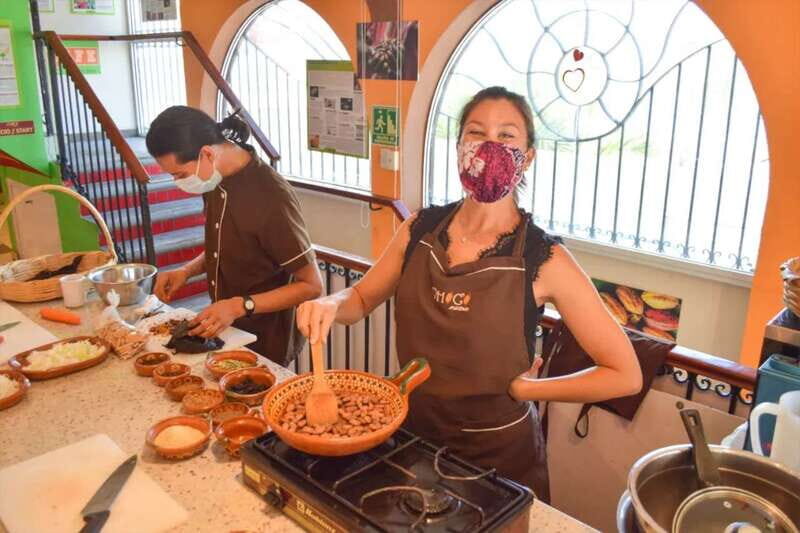
- Hands-on mole making: you cook with nuts, spices, vegetables, and cacao beans, not a passive demo
- Chili identification focus: you get practice spotting and understanding the different chiles that drive the flavor
- Take-home jar: you package some of your mole so you can keep using it after the workshop
Puerto Vallarta Mole Poblano in 3 hours: what you’re really buying for $87
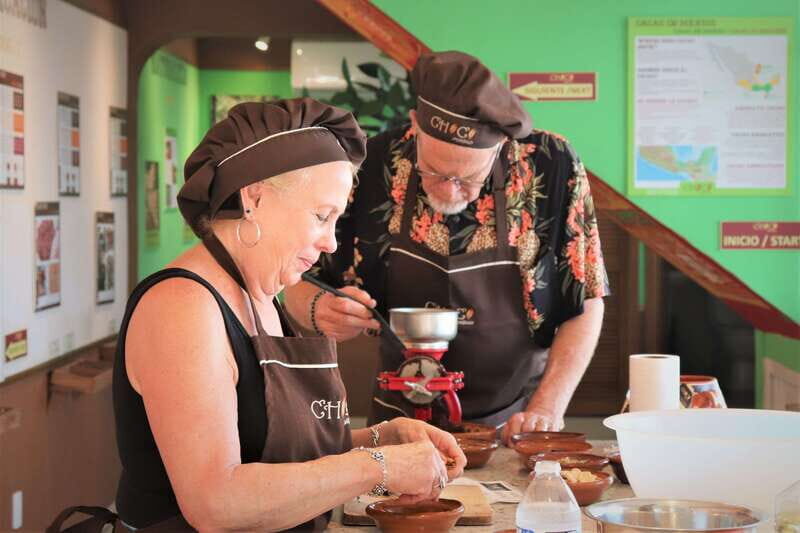
At $87 per person for a 3-hour experience, you’re paying for three things at once: expert guidance, a guided market ingredient run, and a finished meal that uses what you made. In other words, it’s not just a cooking class with a snack at the end. It’s an end-to-end flavor workflow—shop, learn, cook, eat, then package your results.
The time window matters too. Three hours is long enough to learn the process and actually make mole, but short enough that you’re not burning half a day. The workshop runs at 10:30 AM Monday through Saturday, which is ideal if you like mornings (and if you’re trying to avoid late-day crowds).
Because the group is capped at 5 participants, you get a calmer pace and more face time with the instructor. Past participants have praised instructors like Martin for patience and Zoar for keeping things organized and moving without rushing. That’s a big deal with mole, since it has a lot of ingredients and steps—and you’ll want help when the process starts to feel like culinary homework.
One more practical point: round-trip taxi transfer to the market is included, but transportation to/from the museum before and after the workshop is not. So build your day plan around being at the starting location at the right time.
A few more Puerto Vallarta tours and experiences worth a look
The market ingredient hunt: learning what to buy (and why it matters)
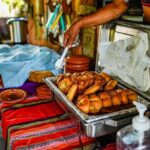
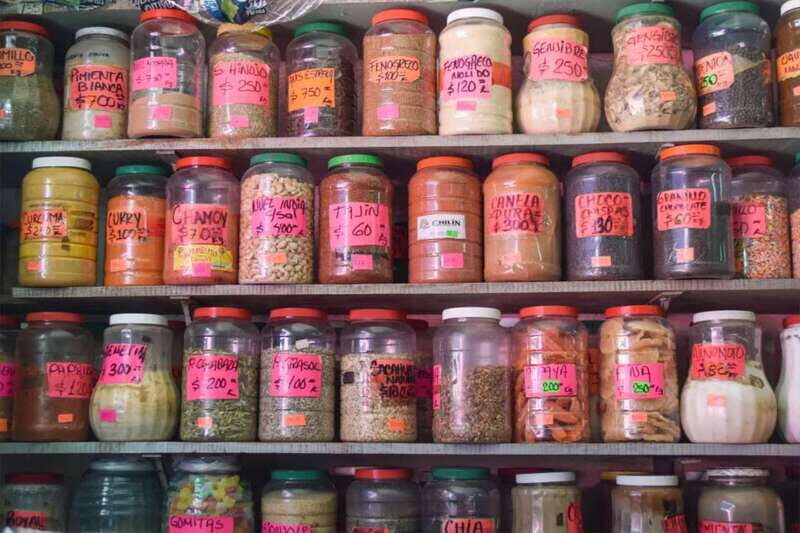
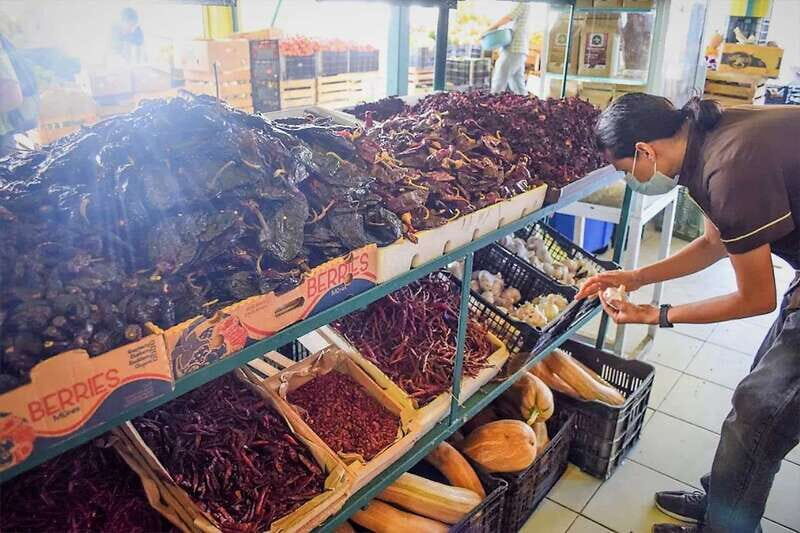
The workshop starts with the market visit, and this is where the whole experience becomes more than just cooking. You’ll go in with a plan: choose the ingredients for mole, guided step by step. You’ll also learn what to look for in specific items—especially dried peppers, which are central to the sauce.
Here’s what makes this market time valuable for you: mole isn’t one flavor. It’s a structured blend of dried chiles, nuts, spices, vegetables, and cacao beans. If you don’t know how to select key chiles, you end up with a sauce that tastes off—often too bitter, too smoky, or simply not balanced. The market guide helps you identify those differences fast, using practical cues you can actually remember later.
You also come away with a better instinct for shopping back home. When you later spot dried chiles or cacao products in a store, you’ll be less likely to buy blindly. Even if you never attempt mole again from scratch, you’ll be more confident choosing ingredients that create depth instead of just heat.
Comfort tip: wear comfortable shoes and clothes. Market walking plus prep work later means you’ll want to stay steady on your feet.
ChocoMuseo session: mole history, chili spotting, and a real plan
After the market run, you shift gears into the making process at ChocoMuseo Puerto Vallarta. This is where you get the story behind Mole Poblano—its origin and history—so the food isn’t just a technique. It also helps you understand why the sauce relies on layers: multiple ingredients contribute different types of flavor and texture, not just one dominant spice.
One of the most useful segments is the focus on identifying different chiles. Mole is famous, but the real skill is recognizing how those peppers influence flavor. During the session, you’ll spend time learning how to distinguish them and what that means for the final sauce. This is exactly the kind of information that makes mole feel manageable, not mysterious.
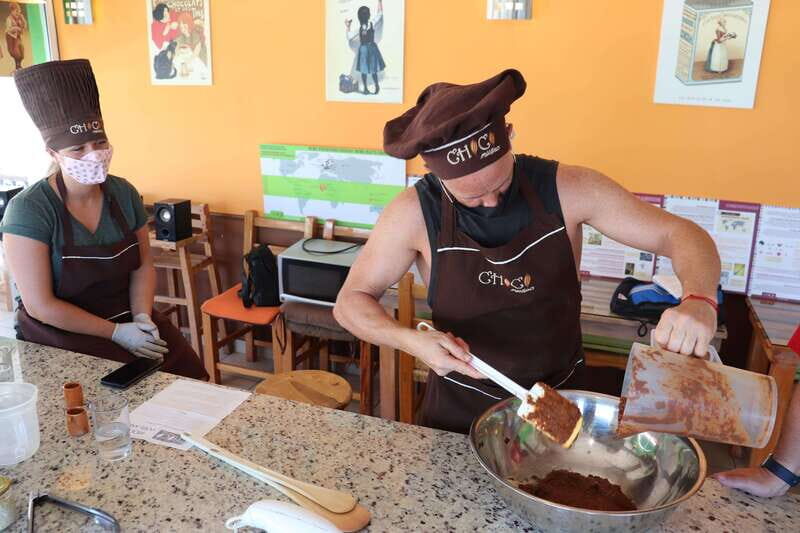
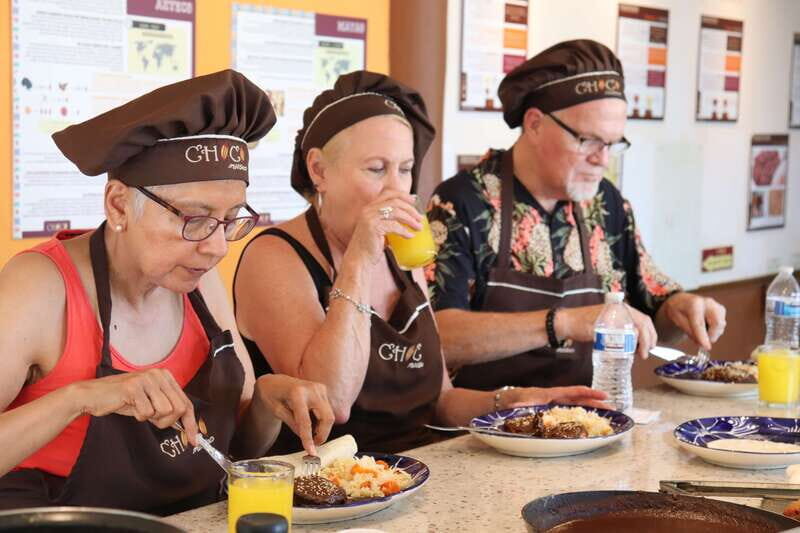
You’ll also get set up with workshop gear: an apron and hat for the duration. That sounds like a small detail, but it signals something important—you’re meant to work. The setting is designed for cooking, and the instruction style supports active participation.
And yes, the pace is designed for a small group. With only up to 5 people, the instructor can give direct guidance and check that you’re doing the right steps. That matters for mole because you’re working with multiple components that need proper processing, not just stirring one pot.
Cooking your own Mole Poblano: cacao, nuts, spices, and the sauce logic
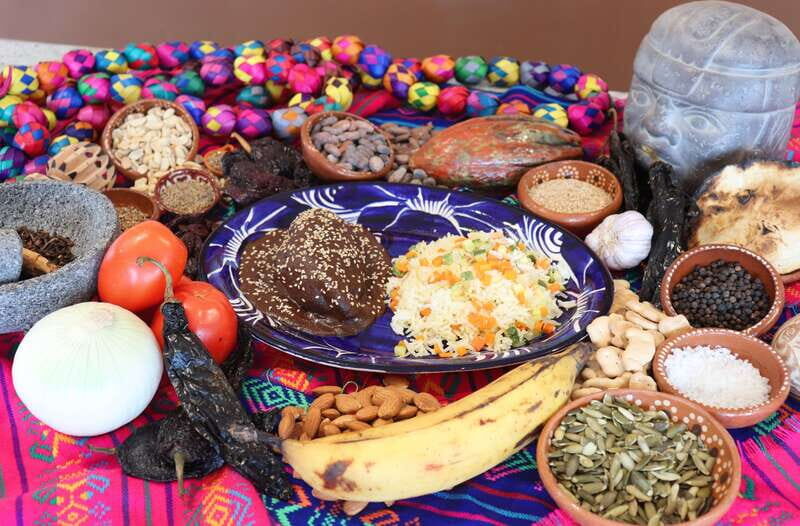
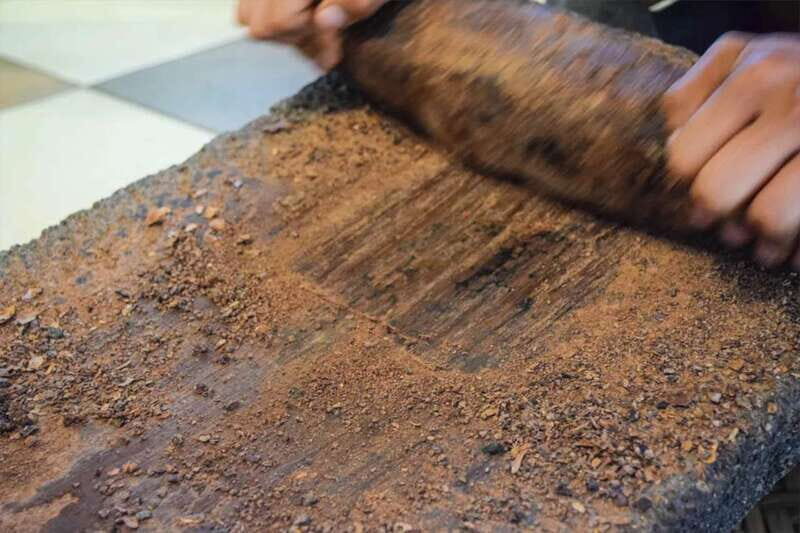
The core of the workshop is you making mole—under direction—using the ingredients you selected earlier. You’ll work with a blend that includes nuts, spices, vegetables, and cacao beans, which is where the sauce earns its signature profile: savory depth plus warming spices plus a chocolate-like undertone.
What I like about this setup for your learning is that it teaches the logic of mole. Many people think mole is just “chili with chocolate.” It’s not. Cacao contributes bitterness and aroma, nuts add body and richness, and vegetables plus spices help round everything out. The chiles give structure, but they’re only one piece.
Also, be prepared for a sauce with many steps. The workshop is built for it, but mole takes time and attention. You’ll likely do prep tasks, then bring ingredients together, then reach a finished sauce stage that’s ready for eating. The instructor keeps it organized so it doesn’t feel chaotic, which is exactly how mole should be handled.
If you’re worried you’ll feel out of your element: you won’t be alone. The class format is small, and the instruction is meant to help you keep moving. If you’ve never cooked with cacao beans or multiple dried chiles before, this is a friendly environment to start.
Diet note: the workshop can be adapted for vegan, vegetarian, gluten free, and lactose free diets. So if you eat with restrictions, you can still join and expect the lesson to adjust rather than forcing you to skip core parts.
The meal and your take-home jar: turning practice into a usable recipe
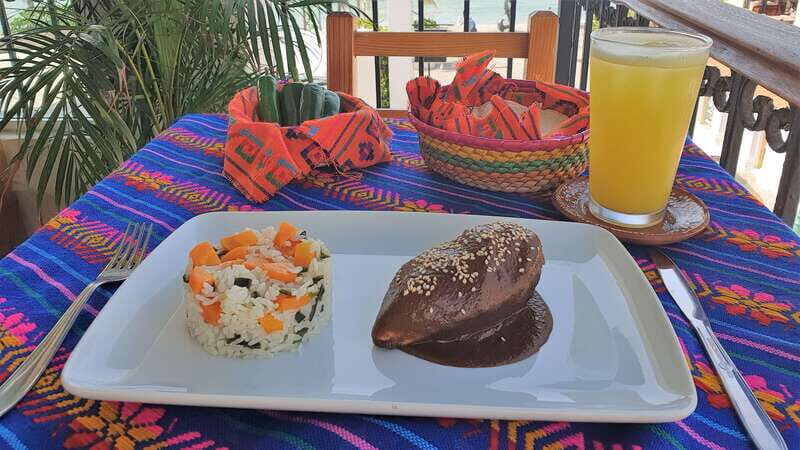
The best part of many cooking classes is the meal. Here, the meal uses the mole you prepared, so you taste the result of your work instead of tasting someone else’s final product. You’ll eat mole served with rice and chicken, with a vegetarian/vegan option available depending on the adaptation.
You’ll also get a non-alcoholic drink made with fruits or plants bought in the market. That’s another practical win: it reinforces the idea that mole culture doesn’t stop at one dish. You’re sampling flavors that connect to the ingredients you handled earlier.
Then you get to take your mole home. You’ll put some of your creation into a jar so you can use it later. This matters more than it sounds. A cooking class can teach technique, but the jar turns it into a real future meal. You can serve it over chicken, with rice, or adjust for your own cooking. Even if you don’t attempt the full process again, you still get to enjoy the taste you learned.
One more nice detail: getting to package your own mole means you’re leaving with a tangible reminder. It’s hard to forget a sauce you successfully made and sealed.




Price and logistics: value check and how to plan your day
Let’s talk value, because $87 for food and a workshop could be a steal or a rip-off depending on what’s included.
In your case, the price includes:
- Market guide support
- Round-trip taxi transfer to the market
- Ingredients purchased at the market (for your dressings and meal)
- Apron and hat
- The meal and your non-alcoholic drink
- A jar of your own mole
What’s not included: transportation to and from the museum before and after the workshop. Also, the activity runs 3 hours, so plan around that window.
So is it good value? For me, it scores well because you’re not just paying for a recipe. You’re paying for guided ingredient selection (the part that trips most people up), active cooking help, and a meal that’s directly connected to what you made. And with the small group size, your money buys attention—not just a seat at a counter.
Practical planning tip: since you start at 10:30 AM, you’ll want to be positioned to arrive on time. If you’re staying in central Puerto Vallarta, it’s usually easiest to plan taxis for the non-included parts, while relying on the included taxi for the market transfer.
Who should book (and who should skip)
This is a great match if you:
- Want a hands-on cooking experience, not a passive food walk
- Love learning where ingredients come from and how to choose them
- Want a true Puerto Vallarta food activity that goes beyond tacos and margaritas
- Prefer a small group format where questions are possible
You might want to skip or reconsider if you:
- Need a wheelchair-accessible option (the workshop is not suitable for wheelchair users)
- Are traveling with kids under 12 (not suitable)
- Want a purely observational experience (you’ll be cooking, not just watching)
It also works well if you eat with dietary needs, since adaptations are supported for vegan, vegetarian, gluten free, and lactose free diets.
Should you book the Puerto Vallarta Mole Poblano Workshop?
If your goal is to learn mole in a way you can actually use later—through ingredient knowledge, technique, and a take-home jar—then yes, this is a smart booking. The market component is the difference-maker, because it teaches you how to pick the peppers and cacao that create the soul of the sauce.
If you’re the kind of person who enjoys rolling up your sleeves and tasting as you go, you’ll likely leave feeling like you added a real skill to your travel story, not just a meal to your camera roll.
If you want, tell me your travel dates and dietary preferences, and I’ll help you fit this 10:30 AM slot into a simple Puerto Vallarta day plan.
FAQ
What is the duration of the Mole Poblano workshop?
The workshop lasts 3 hours.
What days does it run and what time does it start?
It runs Monday through Saturday and starts at 10:30 AM.
Where does the activity take place?
It’s in Puerto Vallarta, Jalisco, and the experience provider is ChocoMuseo Puerto Vallarta.
Is the workshop taught in English?
Yes, the instructor speaks English.
How big is the group?
The group is limited to a maximum of 5 participants.
What is included in the price?
The price includes a market guide, round-trip taxi transfer to the market, ingredients purchased at the market, apron and hat, a meal, a non-alcoholic drink made with fruits or plants from the market, and a jar of your own mole.
Do I get to take the mole home?
Yes. You’ll put some of your mole into a jar to take home.
Are there options for dietary restrictions?
The activity can be adapted for vegan, vegetarian, gluten free, and lactose free diets.
What should I bring?
Bring comfortable shoes and comfortable clothes.
Is transportation included to and from the museum?
Transportation to and from the museum before and after the workshop is not included. Round-trip taxi transfer to the market is included.
Is it suitable for children or wheelchair users?
It is not suitable for children under 12 and it is not suitable for wheelchair users.