REVIEW · PALENQUE CHIAPAS
Palenque: Yaxchilán and Bonampak Archaeological Area Tour
Book on GetYourGuide →Operated by Jaguar Negro · Bookable on GetYourGuide
Mayan ruins hit different at dawn. This Palenque tour pairs Yaxchilán’s stone carvings with Bonampak’s polychrome murals, plus a boat ride on the Usumacinta River right along the Mexico–Guatemala border. If you like archaeology but also enjoy wildlife and river scenery, this is a strong mix in one long day.
What to love here is the combo: the carvings and quiet scale of Yaxchilán, and then the wall paintings at Bonampak that feel like time travel. The main drawback is simple: it is a long day with a lot of time on the road, and the on-site time can feel tighter than you might hope.
In This Review
- Key things to know before you go
- Early start from Palenque and the Usumacinta boat ride
- Yaxchilán’s stone stelae and lintels, with less tourist pressure
- Bonampak and its murals from 790 AD: the scenes you came for
- The long drive reality: why the day can feel like two trips
- Price and what $105 buys you in Chiapas
- Who should book this Palenque Yaxchilán and Bonampak day tour
- Should you book this tour?
- FAQ
- FAQ
- What time does the tour depart from Palenque?
- How long is the tour?
- Which archaeological sites are included?
- How long do you spend at Yaxchilán?
- How long do you spend at Bonampak?
- Is there a boat ride?
- What meals are included?
- Are entrance fees included?
- Is breakfast included for everyone?
- Will you meet the Lacandones?
Key things to know before you go
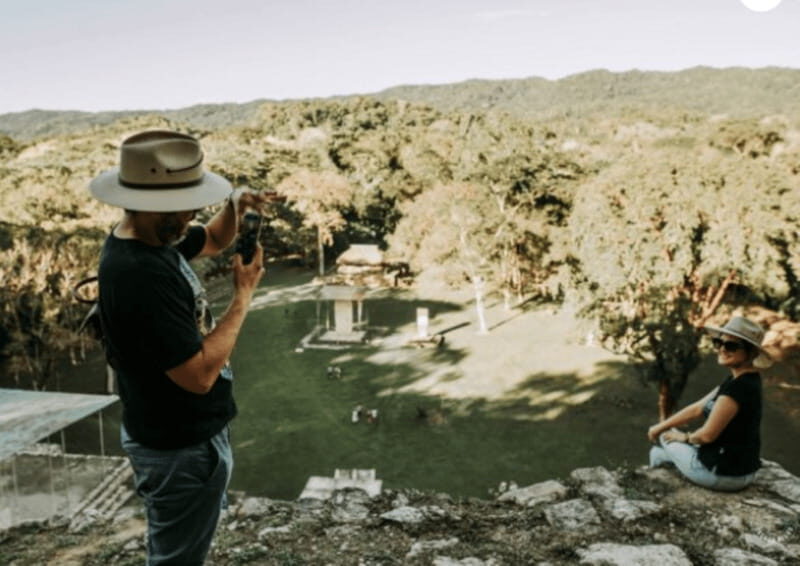
- Very early departure from Palenque (around 5:30–6:00 AM), so plan your sleep the night before.
- A 40-minute Usumacinta boat ride with real chances at seeing crocodiles and colorful birds like toucans and macaws.
- Yaxchilán time is short and active: plan for roughly 1.5 hours on site, and prioritize the best stone details first.
- Bonampak murals are the star: polychrome paintings from 790 AD inside a temple made of three rooms.
- You may meet Lacandones and learn about Mayan language and traditional clothing as part of the cultural stop.
- Lunch is extra: breakfast is included, and many people plan for lunch as an add-on.
Early start from Palenque and the Usumacinta boat ride
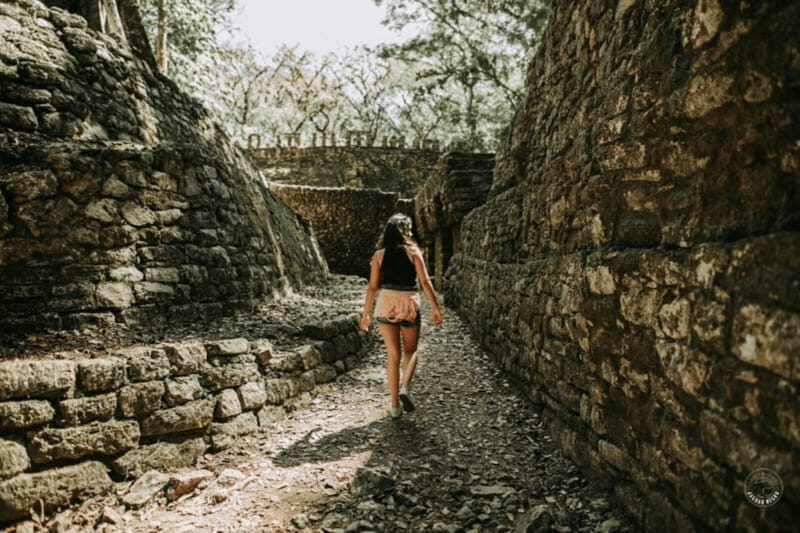
Your day begins with a fast alarm. You leave Palenque around 6:00 AM, and in practice it can be even earlier. The upside is that you get daylight for the most important pieces: the river, the ruins, and enough time to get back without missing anything.
Once you’re on the move, the route aims at the Corozal border area, with a scenic boat ride along the Usumacinta River. The boat portion is about 40 minutes, and it’s not just transport. It’s where the “Chiapas outdoors” side shows up. Keep your eyes open for birds such as toucans and macaws, and if conditions are right, you might spot crocodiles along the banks.
This part is also a good reality check for the day: you’re crossing into a remote, river-and-jungle zone where schedules can tighten. If you’re prone to getting car-sick, this is the section where you’ll want to be prepared. Bring water, stay hydrated, and keep a light snack mindset even if you plan to eat breakfast early.
You can also read our reviews of more tours and experiences in Palenque Chiapas.
Yaxchilán’s stone stelae and lintels, with less tourist pressure
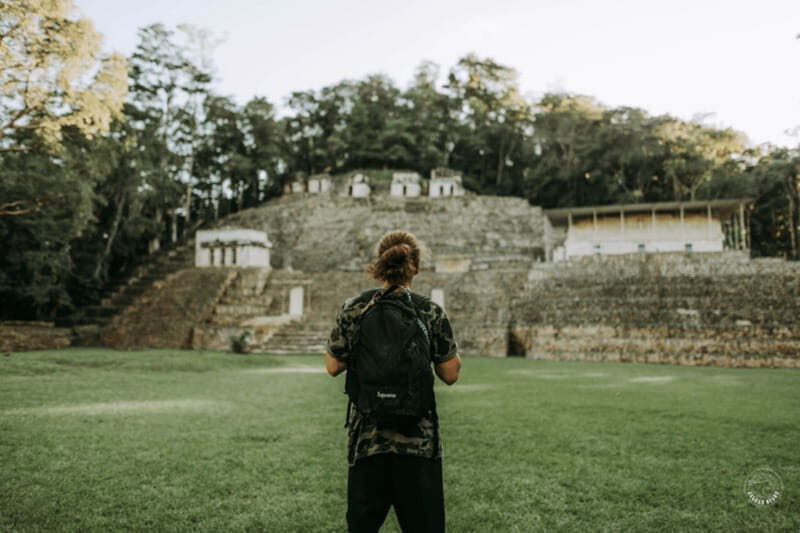
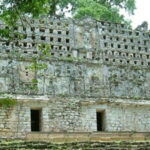
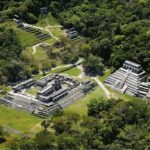
Yaxchilán is a late Classic Mayan city (roughly 600 to 900 AD), and it shows in the craftsmanship. I love that it’s not just big, it’s detailed: think stelae and lintels carved into stone, surrounded by jungle and towering ceiba trees. The carvings make the site feel human and purposeful, like someone planned it to last.
The on-site time is typically about 1.5 hours. That’s not enough to do everything, so go in with priorities. Start with the main stone pieces you came for, then look for framing details where carvings are part of the architecture rather than just decoration. If you’re the type who always zooms in on inscriptions or faces, you’ll feel energized here because the setting is quieter than the bigger, more crowded ruins.
One important planning note: some schedules may feel shorter than what you expect from the headline description. So treat Yaxchilán as the “high-impact stop.” You’ll see a lot in a short window, especially because the place is spread out in a way that makes you slow down naturally.
Optional onsite guiding is often available, but it’s not included. If you want deeper interpretation, ask for the cost and confirm before you pay. One practical move: if you’re traveling with someone who wants guidance, you might decide to split your priorities—one person focuses on the carvings, the other focuses on historical context.
Bonampak and its murals from 790 AD: the scenes you came for
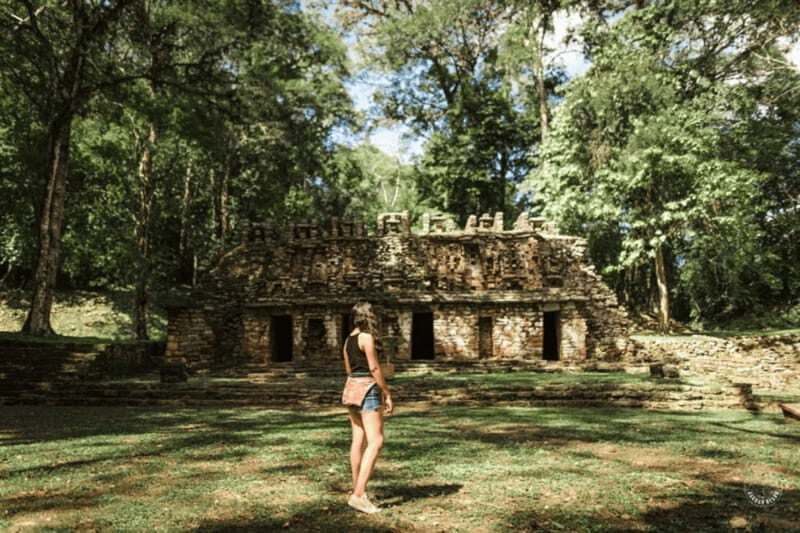
Then comes the part most people remember. Bonampak is known for its polychrome murals, dated to 790 AD. The paintings aren’t in an open-air hall. They’re inside a temple with three rooms, which changes how you experience them. It feels focused and enclosed, like the site is designed to keep attention on the walls.
What you’ll take away is the sense of everyday Mayan life portrayed through color and storytelling. The murals are famous because they show more than ruins and monuments. They show people, roles, clothing, and scenes that make the past feel specific rather than abstract. Even if you’re not a murals expert, the impact is immediate: the color and composition do the work for you.
Your time at Bonampak is around one hour. That’s enough to see what matters, but it’s not enough to linger for long if you stop to photograph everything or if the group moves slowly. Go in ready to look, not just scan. Take a few minutes to really stare at one section of a room before moving on to the next.
This is also where the tour adds cultural texture beyond the stones. You’ll have the opportunity to meet the Lacandones, and learn about their Mayan language and traditional clothing. Even without a deep lecture, that human connection can shift the way you read the murals. You’re not just seeing art; you’re seeing a living bridge between past and present.
The long drive reality: why the day can feel like two trips
This tour sells a single day. In real life, it can feel like two experiences stacked on top of each other: travel-heavy mornings, then concentrated time in two sites.
The schedule is advertised around 12.5 hours, but it can run longer. The reason is usually simple: distances, border area pacing, and the fact that the day is built around fixed ruin entry windows. If you’re sensitive to timing, treat this trip like you’re committing to a full workday plus travel.
What helps is the planning rhythm. Breakfast is included, and you’ll likely get a welcome break early on. Lunch is typically extra, and many operators offer a pre-order option. If lunch is offered to you that way, it’s often worth using it, because it prevents the group from drifting into slow, chaotic lines.
Also watch your energy pacing. It’s tempting to sprint from photo spot to photo spot. The better approach is to spend less time “capturing” and more time actually looking. The ruins reward attention, and you want your body to cooperate when you’re walking in humidity and sun.
On the road, safety is generally handled by the driver and routine stops. Still, because the day is tight, some mornings can run fast. If you’re the type who gets tense in a van or bus, sit where you feel most comfortable, keep your seatbelt on, and plan to breathe through the rough parts of the drive.
Price and what $105 buys you in Chiapas
At $105 per person, you’re not just paying for entrances to two ruins. You’re also paying for round-trip transportation in Chiapas, passenger insurance within transportation, entrance fees for both archaeological sites, and the Usumacinta boat trip. Add in one breakfast, and the price starts to make more sense fast, especially because these locations are remote from Palenque.
The value equation depends on you. If you’re staying only a short time in Chiapas and don’t want to plan transport, this can be a bargain. You’re effectively buying a prepared logistics package that also includes a river outing and a cultural meeting with Lacandones.
Where the cost can shift is when you choose extras. The tour itself doesn’t turn into a full guided lecture inside every ruin. You can usually add guidance onsite for an additional fee. Also, lunch is not included in the base list. When you budget, assume you’ll spend extra for lunch if you want a proper sit-down meal rather than grabbing snacks only.
If you do your own math and you’re traveling as a duo or solo, the fixed transportation and boat can make the tour worth it. If you hate early starts and long car hours, you may prefer splitting your time into two separate trips so the sites get breathing room.
Who should book this Palenque Yaxchilán and Bonampak day tour
This is best for archaeology lovers who understand that time is managed by distance. You’ll like it if:
- you want Yaxchilán’s stone work and Bonampak’s murals in one day
- you enjoy wildlife chances on the river, not just museum-style sightseeing
- you can handle an early departure and a long day
You might skip it if you:
- need lots of hours on site and get frustrated when the schedule moves quickly
- want a deeply guided, slow-paced experience at each ruin
- dislike long vehicle rides without frequent stops
One more note on expectations: this experience feels more like transportation plus structured site visits than a full-day, detailed museum-style guided tour. That can be a positive. You get to see both highlights, and then you can decide whether to pay for extra guiding once you’re there.
Should you book this tour?
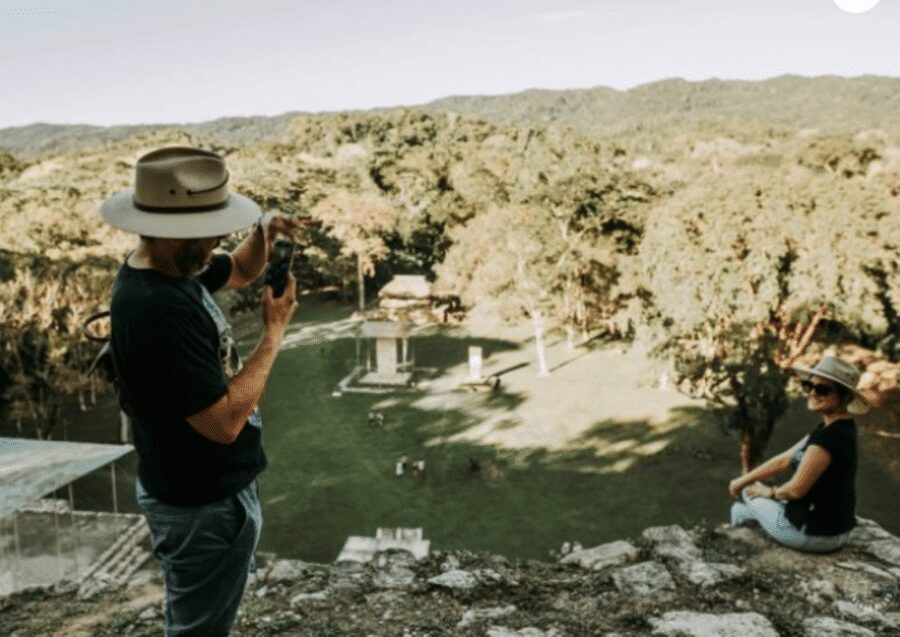
I think you should book it if your travel time is limited and you’re aiming for maximum Mayan impact: Yaxchilán for stone details and Bonampak for the murals in three rooms. The boat ride on the Usumacinta River adds a real change of pace, and the cultural stop with Lacandones can make the day feel less like a checklist.
But don’t book it if you’re hoping for a relaxed schedule. Plan for early mornings, a lot of time on the road, and site windows that can feel shorter than the romantic version of the day. If you’re unsure, use the rule of thumb: if you can handle a long day, this tour can be a very efficient way to experience two of Chiapas’s best-known Mayan sites.
FAQ
FAQ
What time does the tour depart from Palenque?
The tour is scheduled to start very early, with departure listed at around 6:00 AM from Palenque.
How long is the tour?
The duration is listed as 12.5 hours.
Which archaeological sites are included?
You visit Yaxchilán and Bonampak.
How long do you spend at Yaxchilán?
The included time for Yaxchilán is listed as about 1.5 hours.
How long do you spend at Bonampak?
Your visit to Bonampak is listed as about 1 hour (approximate).
Is there a boat ride?
Yes. You take a boat trip on the Usumacinta River for about 40 minutes.
What meals are included?
The tour includes one breakfast per person. Lunch is not included in the base list.
Are entrance fees included?
Yes. Entrance fees to Yaxchilán and Bonampak are included.
Is breakfast included for everyone?
Yes. The tour includes 1 breakfast per person.
Will you meet the Lacandones?
There is an opportunity to meet the Lacandones, including learning about their Mayan language and traditional clothing.