REVIEW · PLAYA DEL CARMEN
Open Water Diver course PADI including underwater video
Book on Viator →Operated by Diversland Mexico · Bookable on Viator
Three days can change how you see the sea. This PADI Open Water course in Playa del Carmen is built for real progress fast, with underwater video included and hotel pickup each day.
I especially like the practical structure: you move from learning theory to pool skill practice, then into cenote and open-water sessions to prove you can handle buoyancy, gear, and safety basics. Second, the instruction style stands out—people highlighted patient coaching and instructors who stay right with you so you don’t feel left to guess underwater.
One thing to consider: you’ll need to fill out a health questionnaire, and certain conditions (like asthma or heart issues) can stop you from taking part. Also, scuba insurance is optional and not included, so plan for that if it matters to you.
In This Review
- Key highlights you’ll actually care about
- Where Diversland Starts Your PADI Open Water Course in Playa del Carmen
- What You Learn for PADI Open Water Certification (Theory to Skills)
- Pool Sessions: The Fast Confidence Builder
- Cenote Sessions: Cool Water, Clear Tasks
- Open-Water Sessions: Proving You Can Handle Real Conditions
- Price and Value: Why $480 Can Be a Good Deal
- Group Size and Instruction Style That Helps New Students
- Who Should Book This (And Who Should Pause First)
- Should You Book Diversland’s PADI Open Water Course?
- FAQ
- What certification will I get?
- What’s included in the $480 price?
- Are two pool and open-water sessions included?
- Do I get an underwater video?
- Do I need to bring scuba equipment?
- Is hotel pickup included, and where does it run?
- What’s the minimum age?
- Do I need to fill out a health questionnaire?
- Is scuba insurance included?
- Can I cancel and get a refund?
Key highlights you’ll actually care about
- Hotel pickup and drop-off included across Playa del Carmen, Cancun, and Riviera Maya
- Underwater video included, so you can study your technique after
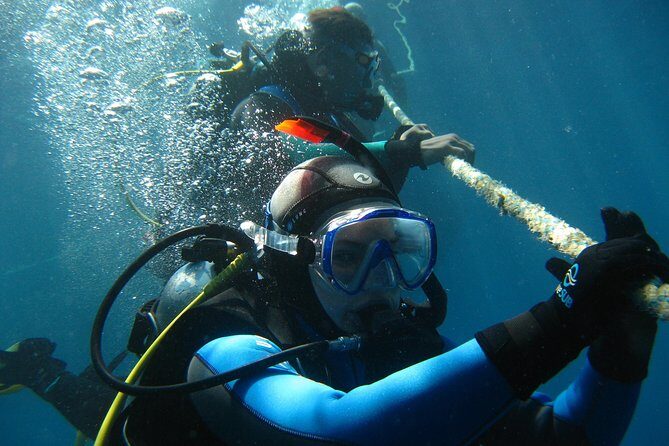
- Two pool sessions, two cenote sessions, and two open-water sessions over about 3 days
- All gear and course fees included, plus the PADI certification exam and digital manual
- Small group size (max 15), which helps you get corrections in time
- English instruction and multilingual professional instructors
Where Diversland Starts Your PADI Open Water Course in Playa del Carmen
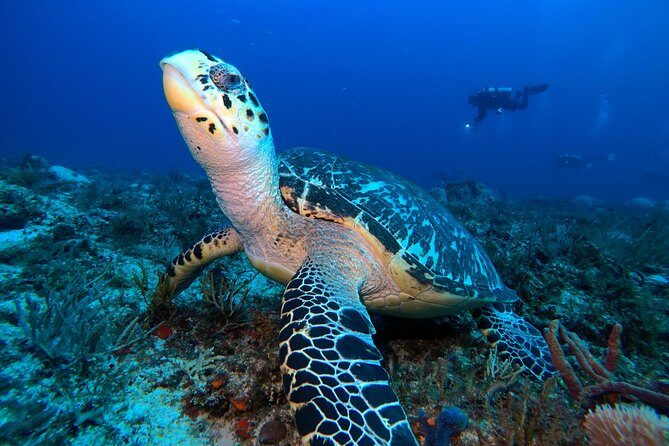
Diversland Mexico runs this PADI Open Water course right in Playa del Carmen, and the base feel matters more than you think. The start point is Plaza Palmeiras (C. 11 Sur, Ejidal, 77712), and the activity ends back at that meeting area, which makes your daily routine simple.
What I like is the pickup net. If you’re staying in Playa del Carmen, Cancun, or Riviera Maya, you can expect hotel pickup and drop-off every day. That’s a big deal with a 3-day program—less taxi wrangling, fewer timing surprises, and more time for sleep (and snacks).
Also, this is the kind of course people book ahead. It’s commonly scheduled about 30 days in advance, so if you want specific dates, treat it like something you should lock in early.
You can also read our reviews of more tours and experiences in Playa del Carmen.

What You Learn for PADI Open Water Certification (Theory to Skills)
This is the first level of PADI Open Water certification, and the big goal is giving you a foundation you can use worldwide. The course content includes:
- Knowledge development using online independent study or classroom options
- A digital manual experience tied to the theory work
- Confined water training to learn core scuba skills in a controlled setting
- Open-water skill use where you apply those basics with real conditions
You’re also preparing for the PADI exam as part of the included program. That matters because it means you’re not just “trying it out.” You’re working toward a card you can use later to keep progressing.
From what I’d expect based on how instructors are described, the coaching emphasizes doing skills correctly, not just finishing them. Many students praised instructors for explaining theory clearly and quizzing along the way—use that structure. If anything feels confusing, ask immediately on the surface. Waiting until you’re underwater adds anxiety for no reason.
Pool Sessions: The Fast Confidence Builder
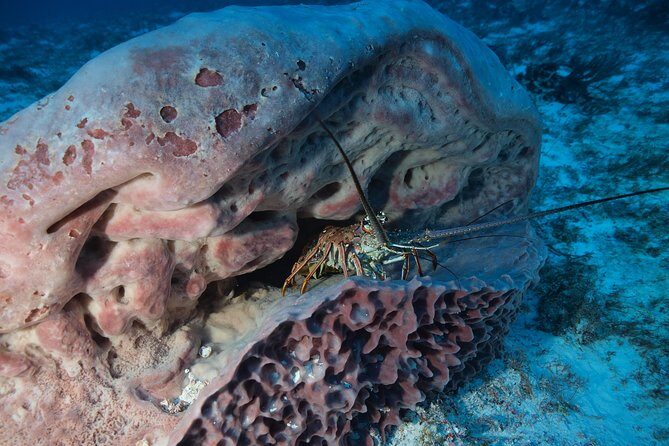
Before you’re out in the cenotes or open water, you’ll complete two pool sessions focused on confined-water scuba basics. This is where your body learns what your head might fear at first—mask on, breathing rhythm, buoyancy control, and practicing safety procedures with plenty of supervision.
Here’s why the pool part is worth your time: it turns “I’m scared” into “I know what to do.” Even confident swimmers can hesitate underwater, and the pool is where you train responses while you still feel in control.
In the feedback I’m seeing from different instructors at Diversland, common themes are patience and pacing. People described instructors like Patrick and Julia as calm, encouraging, and careful about making sure students felt comfortable before moving forward. You’ll do better if you show up ready to practice, not ready to be perfect.
Practical tip: in the pool, slow down your breathing and focus on trim and buoyancy. If you rush, you’ll feel heavier and more panicky. If you stay calm, the whole course feels easier.
Cenote Sessions: Cool Water, Clear Tasks
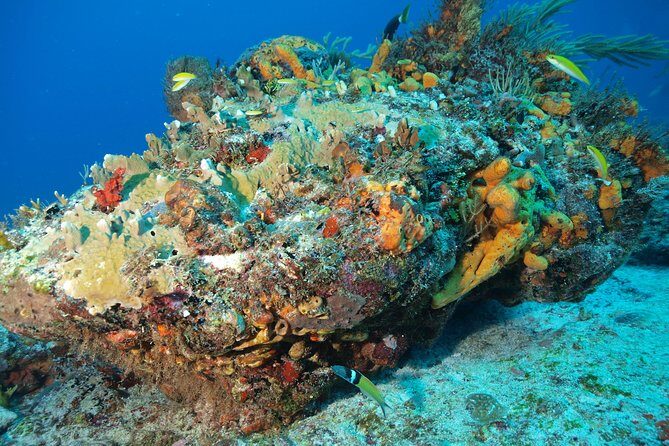
Across the program, you’ll have two cenote sessions. Cenotes can feel magical, but training still runs the show. Expect these to be a bridge between pool work and open-water conditions: you get real underwater frames of reference, but you’re still in a setting that supports skill practice.
One student described a Cenote experience with Pancho the crocodile—the point isn’t that you’ll definitely see him, but that the area can be memorable. What you can count on is the setting helping you connect the theory to something you can visually track: bubbles, visibility cues, and controlled movements.
Why cenotes are valuable for new students:
- You can build confidence by practicing skills in a more structured environment than open ocean.
- You get used to underwater depth cues and changing conditions without feeling thrown to the far side of the map.
Quick caution: cenote conditions can be different day to day. If you feel chilled early, tell your instructor. Cold makes skill work harder, and skill work is the whole point.
Open-Water Sessions: Proving You Can Handle Real Conditions
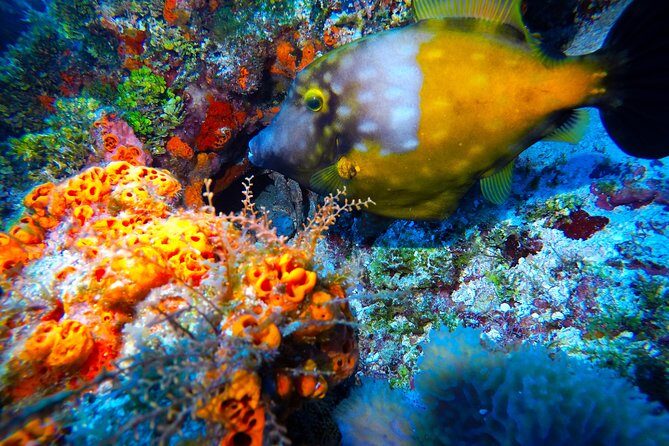
Your course includes two open-water sessions, where you use the skills you practiced in the pool and learned in the theory steps. This is the part that feels most “real” because you’re dealing with more open conditions and bigger space to operate in.
This is also where you want a clear mental checklist: calm breathing, watch your depth/air, communicate clearly, and move deliberately. One theme that shows up in feedback about Diversland instructors is staying close and reinforcing safety steps. Students described instructors who kept right by them when nerves popped up. That’s exactly what you want on your certification path.
If weather is rough, the program may still move forward with safe adjustments. One person noted they managed the course even with rougher weather, which is reassuring. Still, recognize that the underwater portion can’t be “forced” in unsafe conditions. Good instructors choose safety and then make the schedule work.

Price and Value: Why $480 Can Be a Good Deal
The price is $480 per person, for about 3 days. On paper, that sounds simple. In real life, what makes this value is what’s already inside the price.
Included items you’d otherwise pay for separately:
- All equipment
- Course classes and the PADI exam
- All fees and taxes
- Digital manual
- Hotel pickup and drop-off
- Bottled water
- Underwater video
- Professional certified multilingual instructor
That last one—underwater video—can be a silent bargain. You can’t always remember what you looked like underwater, and having footage helps you review posture and control after you’re back on land.
One student compared this kind of course to hotel-based training and said it was about $150 less while feeling like the quality was better. That’s not a promise for everyone, but it matches the general logic: an efficient dive school program often costs less than paying hotel overhead on top.
If you want to see whether the price is fair for your trip: check whether the package includes certification paperwork, equipment, and transport. This one does.
Group Size and Instruction Style That Helps New Students
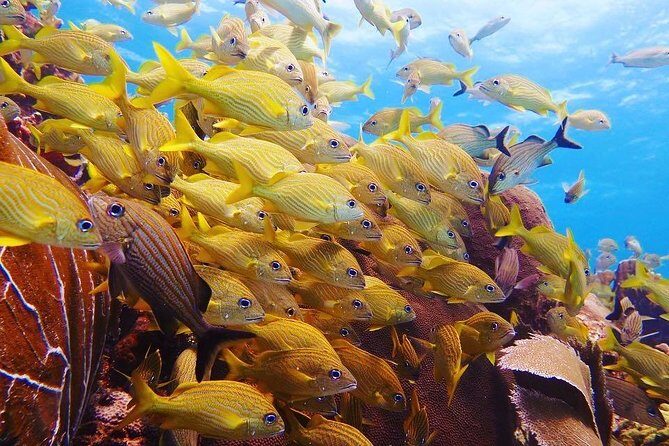
The program has a maximum of 15 travelers, which changes the vibe. In a small group, your instructor can spot small problems sooner—like breathing patterns, mask handling, or buoyancy habits—before they become bad muscle memory.
In the feedback, multiple instructors earned praise: Andrii/Andrey, Julia, Patrick, Serge, Dimitre, and Alex. People called out things like:
- repeating theory until it clicks
- encouraging students to work at their pace
- staying nearby during the real-water sessions for reassurance
- using humor without losing safety focus
If you’re nervous, that coaching style matters as much as the water itself.
Who Should Book This (And Who Should Pause First)
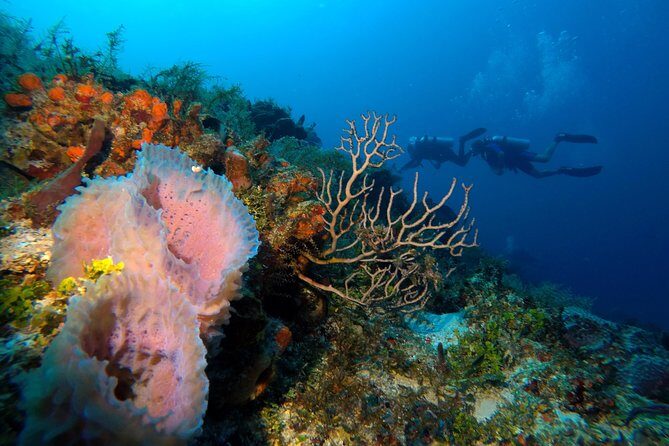
This course has a minimum age of 10 years, and most people can participate. That said, don’t treat the health questionnaire as paperwork you can skim. If you have asthma, heart conditions, or other pre-existing medical issues, you may be prevented from participating and should talk with your doctor first.
Also, there’s a travel timing note: doing scuba training within 24 hours of flying isn’t recommended. That’s a smart safety guideline because your body needs time to normalize after changes in pressure and routine.
This course is a great fit if you:
- want a structured way to earn PADI Open Water certification quickly
- prefer pool-to-cenote-to-open-water learning rather than random “trial swims”
- want pickup so you can focus on learning instead of logistics
- like having video footage afterward to study your technique
It may be less ideal if you:
- don’t want to deal with medical clearance steps
- expect unlimited flexibility on short notice if conditions change
- need insurance covered by the package (since scuba insurance is optional and not included)
Should You Book Diversland’s PADI Open Water Course?
Yes, if you want a straightforward path to certification in a place that makes the whole experience feel like a real vacation, not a chore. The combination of included equipment, transport, PADI certification exam support, and underwater video makes the $480 price feel practical.
I’d book it especially if you know you’ll benefit from patient instruction and a small group setting. If you’re even moderately anxious about underwater skills, that’s the exact reason to choose a program where instructors stay close and coach step-by-step.
Just do your due diligence on the health questionnaire and plan your arrival timing so you’re not rushed off a plane. If you do that, you’ll likely come away with skills, confidence, and footage you’ll actually want to keep.
FAQ
What certification will I get?
You’ll earn PADI Open Water certification, which is the first level of PADI training and allows you to go up to 18 meters.
What’s included in the $480 price?
The package includes practice sessions (pool and open-water), equipment, all fees and taxes, the PADI certification exam, bottled water, hotel pickup and drop-off, a digital manual, and an underwater video.
Are two pool and open-water sessions included?
Yes. The course includes two pool sessions, two cenote sessions, and two open-water sessions.
Do I get an underwater video?
Yes. Underwater video is included in the course.
Do I need to bring scuba equipment?
No. All equipment is included.
Is hotel pickup included, and where does it run?
Yes. Pickup is offered for all hotels in Playa del Carmen, Cancun, and Riviera Maya. The start time is 8:30 am.
What’s the minimum age?
The minimum age is 10 years.
Do I need to fill out a health questionnaire?
Yes. You must complete a health questionnaire prior to diving, and certain medical conditions may prevent you from participating.
Is scuba insurance included?
No. Diving/scuba insurance is optional and not included.
Can I cancel and get a refund?
Yes. You can cancel up to 24 hours in advance for a full refund. If you cancel less than 24 hours before the start time, the amount paid won’t be refunded.