REVIEW · BAJA CALIFORNIA SUR
Ocean Safari: Sea Lions, Mobula Rays, Dolphins, Orcas & Whales
Book on Viator →Operated by Mexico Travel Adventure · Bookable on Viator
Ocean safari days can change fast. Out of La Ventana in Baja California Sur, you head out on a panga boat to track the kind of marine action the ocean decides to deliver that day, from mobula rays to dolphins and whales. It’s an outdoor expedition built around searching, not a fixed “checklist,” so you go with the right mindset.
What I like most is how strongly the operation leans into respectful, safety-first wildlife viewing. In real-world moments shared by guides and captains like Juan, Alejandro, and Andrea, the theme is clear: animals come first, and the boat stays focused on observation—not pushing closeness. I also like the practical setup: snorkeling equipment and lunch are included, so you’re not scrambling for basics while you’re thinking about what’s surfacing next.
One thing to consider: sightings are never guaranteed. And if you want to snorkel or get in the water, you’ll need to be in good physical shape and comfortable climbing back on quickly and swimming on your own without direct guide assistance.
In This Review
- Key Things to Know Before You Go
- La Ventana at 8:00 am: the panga setup that matters
- What “marine life safari” really means on the water
- Who this tour suits best: boat watchers vs. swimmers
- Snorkeling equipment and the included lunch (practical wins)
- The mobula rays moment: huge schools are the real star
- Dolphins and orcas: how to think about closeness without chasing it
- Whale sightings: from humpbacks to blue, with no guarantees
- Safety and animal stewardship: the vibe that shows up in good guides
- The five-hour flow: how the day likely feels minute to minute
- Price and value: is $179.22 worth it?
- English on board and a maximum of 6 people: the comfort factor
- What to pack and how to prepare (without overthinking it)
- Should you book Ocean Safari for La Ventana wildlife?
- FAQ
- How long is the Ocean Safari tour?
- What time does it start, and where is the meeting point?
- What’s included in the price?
- Do I need private transportation to join the tour?
- Do I have to be a strong swimmer to participate?
- What if the weather is poor?
Key Things to Know Before You Go
- Small group max of 6: more personal attention and a calmer feel on the boat.
- Outdoor, nature-driven day: each outing depends on what marine life is doing that morning.
- Snorkeling is an option, not a promise: you’ll need comfort in open water and quick boarding.
- Guides focus on safe, respectful watching: no wildlife harassment.
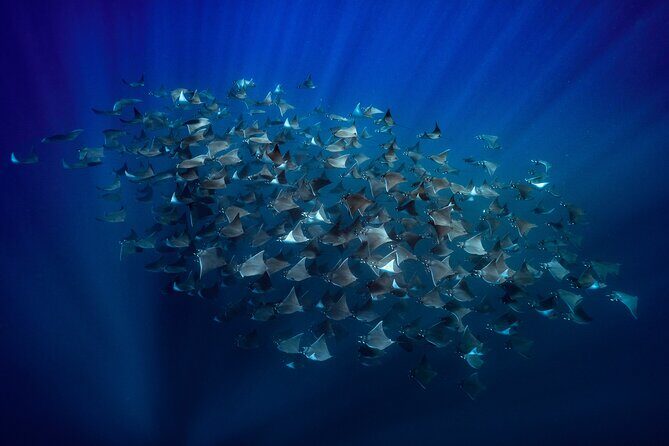
- A mix of animal types: from mobula rays and dolphin pods to possible whale sightings.
La Ventana at 8:00 am: the panga setup that matters
The day starts at 8:00 am in La Ventana, with pickup/meeting at Playa Central (La Ventana, BCS). You’ll head out for about five hours, and you’ll come back to the same meeting point. That timing is smart. Early water often means calmer conditions and more wildlife activity, and it gives you the rest of your day to explore La Ventana after you’re back on land.
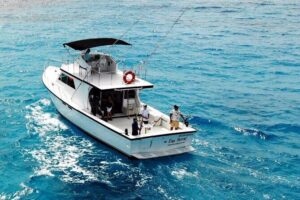
You won’t be in a giant cruise setup. This is a panga-style boat outing, so you’ll feel the movement, and you’ll move with the action when the team spots marine life. For me, that’s part of the appeal. It feels direct. When the ocean shows you something, you’re right there with it.
A few more Baja California Sur tours and experiences worth a look
What “marine life safari” really means on the water
This is a search-based expedition. The goal is simple: sail out and look for marine life—then take advantage of whatever shows up. That sounds obvious, but it’s important because it shapes how you should judge the day.
Instead of thinking, I paid for X animal, think: I paid to be on the water with a team actively watching for chances. Some days line up perfectly. Other days might be quieter for one species while another steals the show. The plan also includes the possibility of orcas (called killer whales in the description) and whales, but the experience is honest that orca sightings have become more frequent and still might not be daily.
The upside of this approach is that it feels more like real wildlife watching and less like a schedule you hope will work. The downside is the one you should carry into the day with clear expectations: nature is nature.
Who this tour suits best: boat watchers vs. swimmers
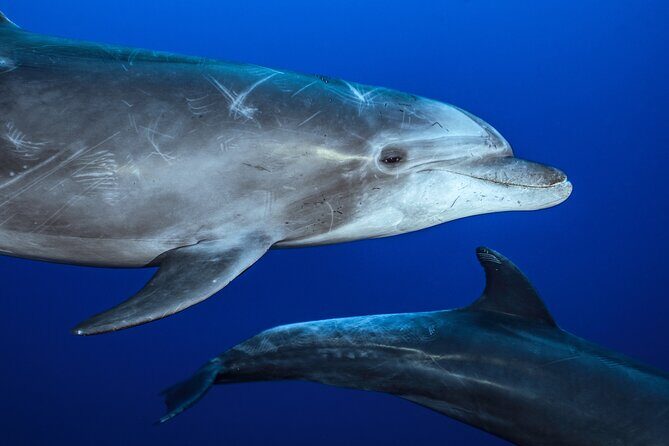
The experience is suitable for anyone who wants to enjoy marine wildlife watching from the boat. That’s your best bet if you’re mainly here for the thrill of seeing whales and dolphins without the extra demands of getting in the water.
If you want to snorkel, there’s a clear physical checklist. You’ll need to be able to get in and out of the panga quickly and comfortable swimming on your own in open water without direct assistance from the guide. You don’t have to be an elite athlete or a competitive swimmer, but you should feel confident in the ocean.
So I’d decide like this:
- If you’re comfortable in open water and quick boarding, you’ll get more value from the snorkeling side of the day.
- If you’re unsure about swimming, you’ll still have a full experience focused on spotting and watching from the boat.
Snorkeling equipment and the included lunch (practical wins)
Good snorkeling days don’t start on the water. They start with having the right basics ready to go. This tour includes snorkeling equipment, so you don’t need to pack gear or worry about renting at the last minute. That’s one less friction point when you’re traveling.
Lunch is also included. That matters on a five-hour sea outing because you’ll likely be out longer than you expect once you add real-time animal spotting, repositioning, and the back-and-forth of being ready to snorkel if conditions and opportunities line up.
The mobula rays moment: huge schools are the real star
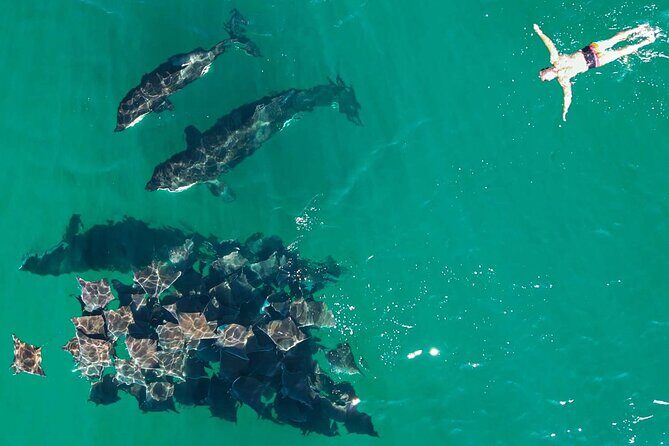
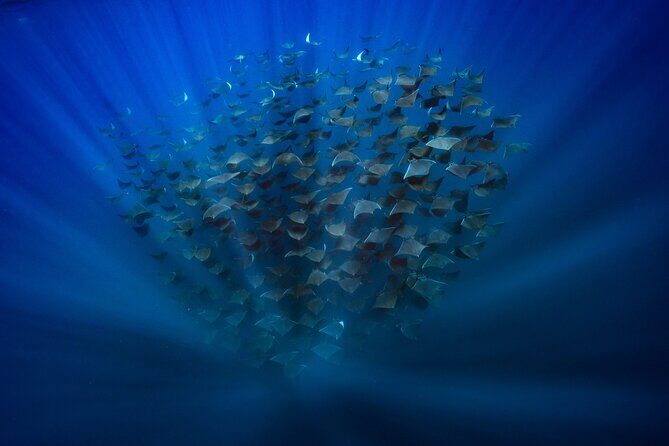
One of the most consistently exciting possibilities is mobula rays. The description sets the expectation that you can get ready to swim with huge schools, and the overall vibe from the operation is built around finding these feeding or traveling groups when they’re present.
Here’s what’s special about mobulas in practical terms: you’re often dealing with big numbers, so your day doesn’t hinge on one single animal appearing. If a school is nearby, chances improve that you’ll have a memorable encounter. And snorkeling above schooling rays tends to feel like being in the middle of movement rather than watching a distant swim-by.
A smart mindset: stay flexible. If the team signals an opportunity, be ready to get suited up and move quickly. In small-boat situations, timing matters because the water changes fast.
You can also read our reviews of more whale watching tours in Baja California Sur
Dolphins and orcas: how to think about closeness without chasing it
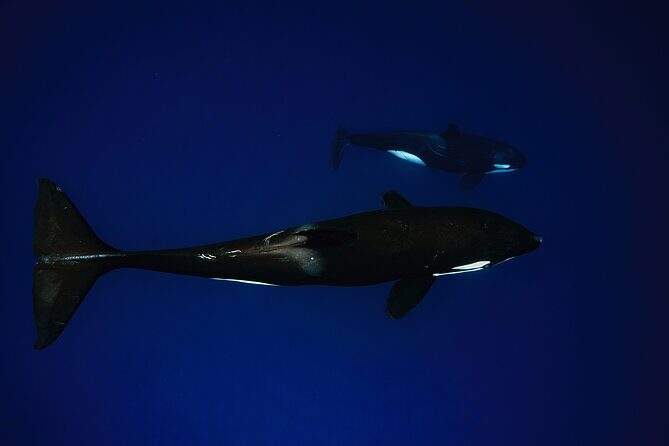
Dolphins and orcas are often the headline animals, but the right approach is what the guides emphasize: respectful observation with no harassment. The idea is that you don’t force the encounter. The boat positions to watch, and you take the chance to snorkel only when it’s safe and appropriate.
The dolphin part of the day is described as snorkel with dolphins. That’s exciting, but again, you’re not guaranteed that the dolphins will be in a spot where an in-water moment is practical. When it does line up, I think it’s the kind of encounter you remember because it feels interactive in a natural way, not staged.
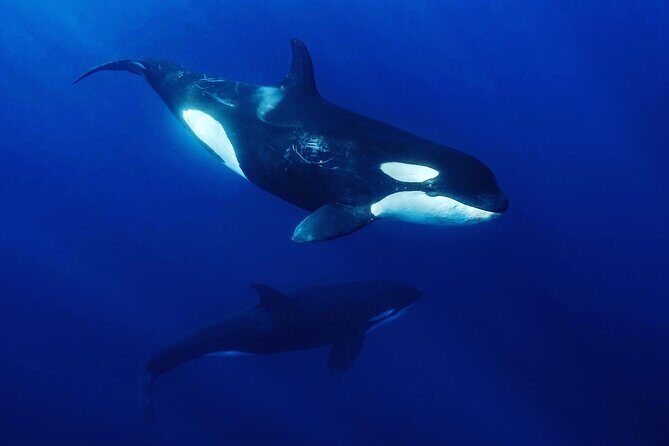
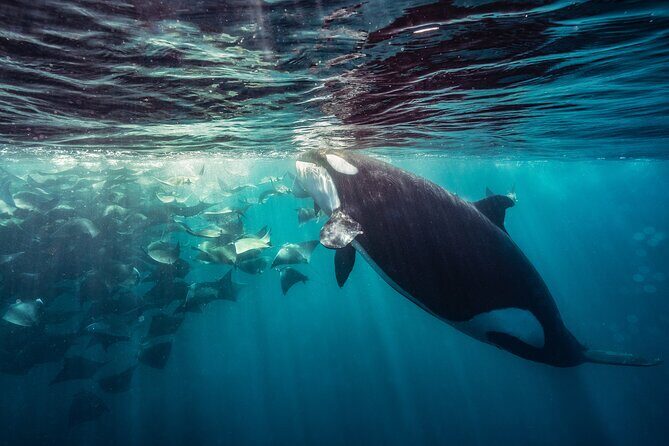
Orcas (killer whales) are different. The information says sightings have become more frequent, but they’re not a daily common sighting. That’s a helpful expectation to keep. If you’re lucky, you might see orca activity. If not, the day can still be a success because mobulas and dolphins alone can deliver a full wildlife experience.
If you want the best odds of a thrilling animal mix, bring patience. The team can’t control the animals. You can control your readiness—staying alert, listening closely, and being ready to move when you need to.
Whale sightings: from humpbacks to blue, with no guarantees
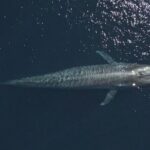
Whales are part of the promise, with the description specifically saying you’ll see whales with some luck. In the real-world outcomes people share, humpback whales, sperm whales, and even a blue whale have shown up on the water during trips.
What does that mean for you as a decision-maker? It means this is not a narrow “humpback-only” outing. The search nature increases the chance that different whale species might appear depending on the day’s ocean patterns.
Also, whale watching from a boat is its own kind of thrill. Even when you don’t snorkel, it changes your day when a large animal surfaces nearby. The key is to understand that whales are unpredictable. Your best strategy is to treat whale sightings as a bonus that you’re actively hunting with a professional team.
Safety and animal stewardship: the vibe that shows up in good guides
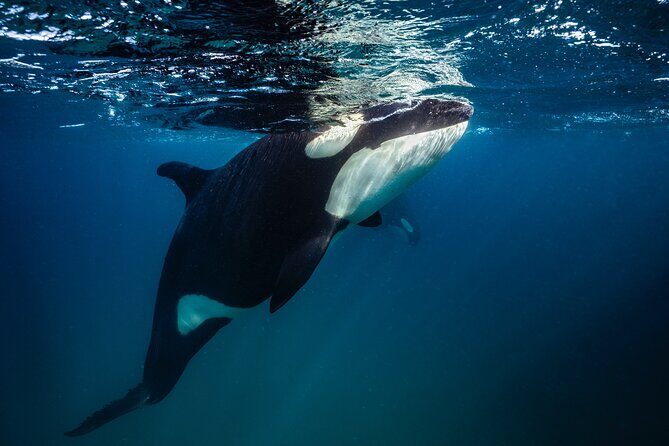
One theme that comes through clearly is that safety and respectful wildlife viewing are built into how the guides operate. People directly credit the experience for being respectful and for prioritizing animal safety, and they also point to guides like Juan, Alejandro, and Andrea for both expertise and good stewardship.
That matters more than you might think before you go. In open water, the difference between a chaotic boat and a well-run one can be the difference between a calm, enjoyable day and an exhausting one. When the team is clearly focused, you spend less time worrying and more time watching.
Also, the description is explicit: there’s no harassment of wildlife. That means the experience is about observation, positioning, and timing—rather than tactics meant to force animals closer. As someone who wants wildlife to stay wild, I think that’s the right philosophy.
The five-hour flow: how the day likely feels minute to minute
While you’ll be out for about five hours, the actual schedule won’t feel like a rigid timetable. It’s more like a rhythm:
- You start by heading out and scanning.
- When something shows up, the boat adjusts to get you the best viewing angles.
- You may have snorkeling moments if conditions and opportunities line up.
- Then it’s more searching, repositioning, and waiting for the next sign of life.
Because the day is search-based, you’ll want to bring a flexible energy. Don’t pack the day as if it’s a guaranteed checklist. Instead, think: I’m going out for marine life, and the team is actively looking. If the water cooperates, you’ll be rewarded.
Price and value: is $179.22 worth it?
At $179.22 per person for about five hours, this isn’t a “cheap and cheerful” activity. You’re paying for a guided, small-group marine safari that includes snorkeling gear and lunch, plus all fees and taxes.
Is it good value? I think it is if you care about:
- Going out with a team that actively hunts for marine life rather than just cruising along.
- Getting the chance at snorkeling moments, not just sightseeing.
- Having a smaller maximum group size, which usually improves the experience on a panga.
It might not be the best fit if you’re only interested in a specific single species that you’re counting on. Because the day’s results depend on nature, your enjoyment will correlate with your ability to stay open to what shows up.
English on board and a maximum of 6 people: the comfort factor
The tour is offered in English, and it caps at a maximum of six travelers. That combination helps. When the group is small, you can listen better, get answers faster, and stay aware of what the guide wants you to do if there’s a snorkeling opportunity.
If you’re a solo traveler, small groups also tend to feel friendlier. You’re not stuck in a crowd. You’re in a small expedition team watching the same ocean.
What to pack and how to prepare (without overthinking it)
The provided info doesn’t list a clothing kit for you, so I’ll focus on preparation based on what the activity demands.
Plan for an ocean outing where you might be in and out of water. Bring swim-ready clothes and something you can rinse and secure. If you burn easily, be ready—sun on the water can be intense even when the air feels manageable.
Most importantly: decide whether you’ll snorkel. If yes, make sure you’re physically comfortable with quick boarding and swimming independently. If no, mentally frame the day as boat viewing first, because that’s where you’ll feel most relaxed.
Should you book Ocean Safari for La Ventana wildlife?
I’d book this tour if you want an active marine life day where the team is focused on respectful wildlife viewing and you’re genuinely interested in seeing what the ocean offers. The small group size, included snorkeling equipment, and lunch make it feel practical. And the repeated emphasis on safety and animal stewardship, with guides such as Juan, Alejandro, and Andrea, gives you confidence you’re in capable hands.
I would skip or reconsider if you’re not comfortable with being out on the water for five hours in variable conditions, or if you’re expecting a guaranteed orca or whale sighting. The experience is built around searching, and you’ll enjoy it most when you let nature set the agenda.
If you’re the kind of traveler who loves wildlife watching and can roll with surprise, this Ocean Safari fits your style.
FAQ
How long is the Ocean Safari tour?
It runs for about 5 hours.
What time does it start, and where is the meeting point?
It starts at 8:00 am and meets at Playa Central in La Ventana, Baja California Sur, Mexico. It ends back at the same meeting point.
What’s included in the price?
All fees and taxes are included, along with snorkeling equipment and lunch.
Do I need private transportation to join the tour?
Private transportation is not included.
Do I have to be a strong swimmer to participate?
Most travelers can participate. If you want to swim/snorkel, you should be in good physical condition, able to get in and out of the panga quickly, and comfortable swimming on your own in the ocean without direct assistance from the guide.
What if the weather is poor?
This experience requires good weather. If it’s canceled due to poor weather, you’ll be offered a different date or a full refund.