REVIEW · CABO SAN LUCAS
Los Cabos turtle release conservation program
Book on Viator →Operated by Rancho Carisuva · Bookable on Viator
Watching hatchlings start life in the surf is powerful. In Los Cabos, this hands-on program combines a ranch stop at Rancho Carisuva with a guided sea-turtle release at Playa Migriño, often led by a marine biologist like Patricio. I especially like that hotel pickup is included, and that you’re learning as you go, not just watching from the sidelines. One thing to weigh: the whole release depends on hatchlings actually emerging that day, so some departures can be changed or canceled if there are no babies to release.
I also like the pacing. You’re at the ranch first, then you move toward the beach with a plan built around sunset timing. With a maximum of 20 travelers, it stays small enough to feel personal, even if the drive time can feel long.
The best part for families and nature lovers is the conservation angle: you’re supporting nest protection for Olive Ridley and Black turtles during their season. Just be patient with the logistics, because it’s designed around baby turtles and timing you can’t control.
In This Review
- Key highlights before you go
- How this Los Cabos turtle release works (and why it matters)
- Your late-afternoon schedule: Rancho Carisuva to the beach
- Stop 1 at Rancho Carisuva: conservation at a ranch with donkeys and turtles
- Stop 2 at Playa Migriño: the nesting season story in plain language
- The marine biologist talk: what you’ll learn before you watch
- The release itself: how the hatchlings get safely to the surf
- Price and value: is $85 a good deal?
- Logistics that can make or break your evening
- Who should book this turtle release in Cabo?
- Upgrading to a private turtle release: worth considering?
- What to bring (and what to expect at the site)
- The biggest catch: hatchlings aren’t guaranteed
- Should you book the Los Cabos turtle release program?
- FAQ
- Where does this turtle release tour start and end?
- What time does the tour start?
- How long is the experience?
- Is hotel pickup included?
- What’s included in the tour price?
- Is a photo session included?
- Can I get a turtle birth certificate?
- How many people are in the group?
- What kinds of sea turtles are involved?
- What happens if no hatchlings are available?
Key highlights before you go
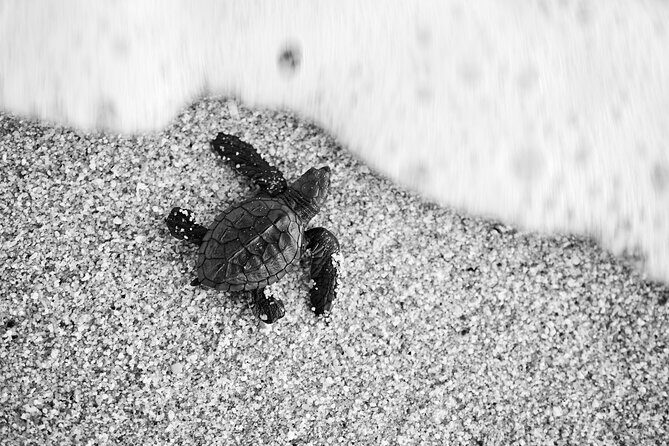
- Hands-on hatchling release at sunset so they head to the water at the right moment
- Marine biologist guidance with a talk that explains species and survival odds
- Rancho Carisuva visit with the ranch’s turtle and donkey conservation programs
- Small group size (up to 20 travelers), making it feel more focused
- No ticket surprises for the main admission (the beach-area entry is included)
How this Los Cabos turtle release works (and why it matters)
This tour is built around one simple mission: help baby sea turtles make it into the ocean. That sounds straightforward, but the challenge for turtles is huge. The tour’s conservation program is designed to protect nests and care for eggs until the hatchlings are ready.
You’re not just getting a cute animal moment. You’re part of a system that tries to increase survival. That’s the difference between a passive wildlife visit and something with real conservation impact. You’ll hear how Olive Ridley and Black turtles come ashore during the July-to-September window to lay eggs deep in the sand, then how protecting that nest matters for the 45-day incubation stretch before hatchlings emerge.
The release is timed with sunset. That detail isn’t romantic fluff. It’s about reducing threats while hatchlings are vulnerable and moving from sand to surf. You’re basically rooting for a tiny job that takes patience, wave timing, and a lot of care behind the scenes.
You can also read our reviews of more tours and experiences in Cabo San Lucas.

Your late-afternoon schedule: Rancho Carisuva to the beach
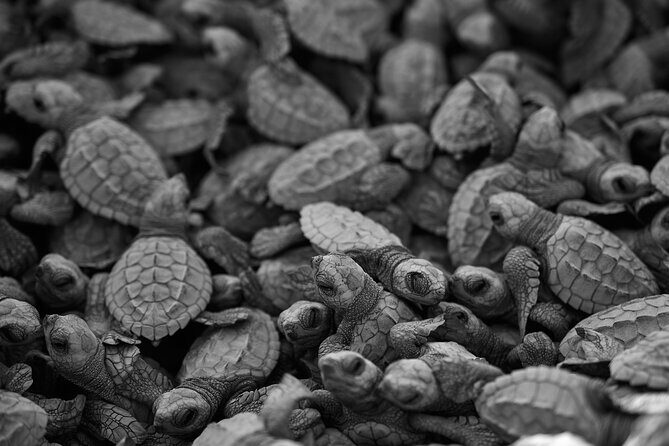
The experience starts at 4:30 pm, and you’ll do a set of activities that are spread out to match nature’s rhythm. Expect roughly four hours on paper, but also plan like it could run longer. The biggest reason is transport and the fact that the final release depends on when hatchlings are ready and the sun is low enough for safety.
Hotel pickup helps a lot. You’ll typically be collected from your hotel lobby, then you’ll head to Rancho Carisuva first. Most of the time before the release is structured: you’ll tour the ranch, then you’ll move toward Playa Migriño for the talk and eventual hatch.
One practical tip I’d follow: keep some slack in your evening plans. A day-trip schedule is fine, but don’t book a dinner reservation that assumes the whole tour ends right on the dot.
Stop 1 at Rancho Carisuva: conservation at a ranch with donkeys and turtles
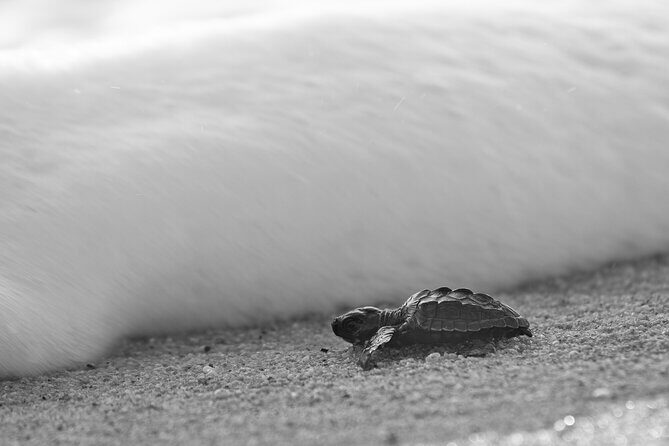
Your first stop is Rancho Carisuva, a ranch setting where the conservation programs are part of the visitor experience. You can meet the ranch’s turtle program and also see the donkey side of the operation. This matters because it gives you context before you ever get to the beach release.
This ranch stop is short, about 20 minutes, but it’s useful. It helps you shift your mindset from entertainment to stewardship. You see that this isn’t a one-day stunt. It’s a working facility with multiple animal programs, and the turtle release is the highlight tied to that ongoing effort.
Admission for this stop is included in the plan, and the group is usually guided with clear explanations. Bathrooms are available here, which is a real quality-of-life win when you’re spending hours on a set schedule.
Stop 2 at Playa Migriño: the nesting season story in plain language
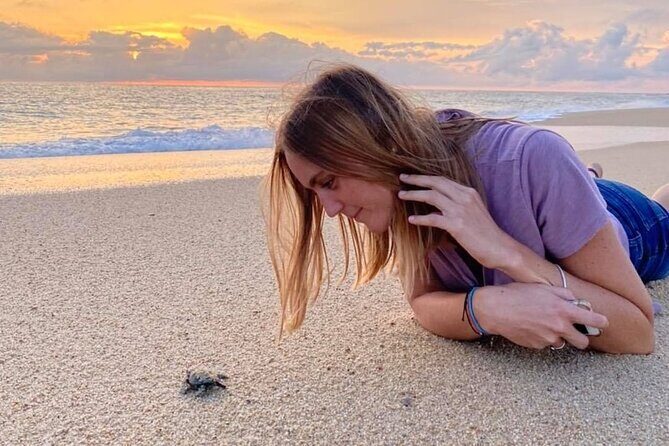
Play a role at Playa Migriño, and you’ll get the season-specific background that makes the release meaningful. Here’s the key seasonal detail: from July to September, Olive Ridley and Black turtles lay eggs onshore around Cabo. After the eggs are protected, hatchlings emerge about 45 days later.
During that waiting period, the program focuses on nest protection and egg care. The stated goal is to raise the percentage of survival as much as possible. That phrasing is important. It keeps expectations realistic. You’re not guaranteeing a perfect outcome. You’re participating in careful work that improves odds.
Then, once conditions line up, you join the release guided by a marine biologist. This part is what most people come for: you’ll take part in sending the baby turtles back into nature.
The marine biologist talk: what you’ll learn before you watch
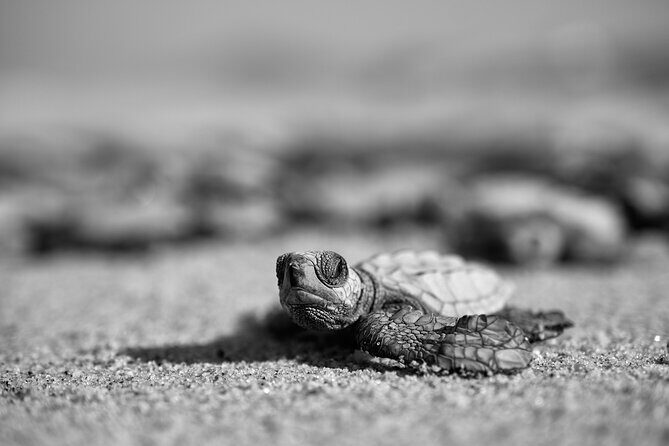
The tour is guided by a marine biologist, and the explanation is meant to be both fun and educational. A common highlight is the personality and clarity of the lead expert. Many guests specifically mention Patricio as knowledgeable and entertaining, which helps a lot when you’re waiting for the right light and the hatchlings to be ready.
You can expect the talk to cover the basics you actually care about:
- the different species involved (Olive Ridley and Black turtles)
- nesting behavior and why timing matters
- why survival rates are low without protection
- what the release is trying to accomplish in the ecosystem
This is where the tour earns its keep. Without context, a turtle release can feel like a show. With the explanation, it becomes a conservation lesson you can understand and remember.


The release itself: how the hatchlings get safely to the surf
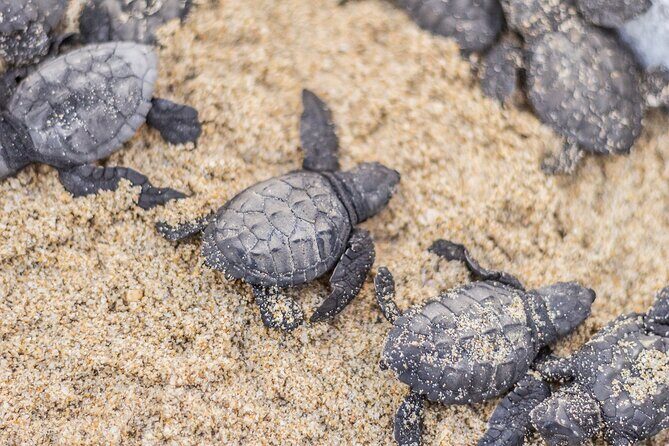
This is the main event, and it’s surprisingly emotional in the best way. You may get the chance to release more than one turtle. In some cases, private upgrades allow more release opportunities compared to a standard group setup, but the core experience stays the same: a careful release process designed for the babies’ safety.
Expect a clear system for how you participate. You’ll be positioned for the release, and you’re not there to improvise. Many people describe a setup where baby turtles are placed in bowls and then released as you guide them toward the shoreline.
The tone is conservation-first. You’re not encouraged to handle or touch the hatchlings. The goal is gentle movement and minimum stress, since hatchlings are weak and still learning how the world works.
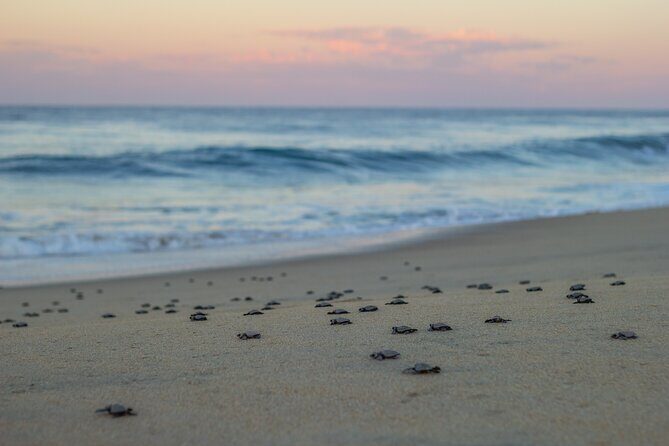
Watch the waves close in and you’ll understand why sunset timing is a big deal. You’ll see hatchlings make their way over sand obstacles, inching toward water, and you’ll realize how much effort nature demands from even the smallest creatures.
Price and value: is $85 a good deal?
At $85 per person, this is not a bargain-basement activity. But it’s also not just a ticket for a viewpoint. The value comes from a mix of education, guided conservation work, and the actual release moment timed to hatchlings’ needs.
Here’s what you’re paying for:
- Marine biologist-led instruction
- entry tied to the conservation outing
- a controlled, guided release process (not something you can DIY safely)
- hotel pickup
- included bottled water, air-conditioned vehicle, and bathrooms
What’s not included matters too. There’s no birth certificate for the turtles, and there’s no included photo session. There’s also no mention of food being included, so plan for snacks if you get hungry.
When I think about value, I ask: would I rather spend $85 on an ordinary attraction, or on an experience that helps protected nests and gives you a real role in an animal survival moment? For the right traveler, this comes out as a strong choice—especially if you care about wildlife and want something you’ll remember beyond the scenery.
Logistics that can make or break your evening

Let’s be real: the tour can take longer than the “about four hours” label suggests. The most common reason is transport. You’re usually riding in a vehicle that makes pickup stops at different properties, and the ranch location is described as fairly isolated, which means you’re not easily swapping to a rideshare option.
If your tour starts at 4:30 pm, I’d treat it like a late afternoon plan where pickup might be well before that. One guest noted needing a 1–2 hour buffer before the stated start time, because pickup can happen earlier and pickup time may only be confirmed the morning of the activity. That’s smart to plan around.
Inside the vehicle, you’ll have air conditioning and bottled water. Bathrooms are also part of the included setup, which helps. What you still need to manage: timing patience. The tour waits for sundown for the safety of hatchlings (to reduce issues like birds that may try to feed). That means some sitting, some waiting, and then a payoff.
Pack a little flexibility. Sunset is a key ingredient here, not an optional decoration.
Who should book this turtle release in Cabo?
This is best for you if:
- you love animals and want a conservation-focused experience
- you enjoy learning from experts, not just snapping photos
- you’re traveling with kids (many families say both kids and adults enjoy the release)
- you want a memorable sunset activity that feels meaningful
It’s also a good match for couples who want something more personal than a typical beach excursion. The release moment is quiet, focused, and surprisingly moving.
If you’re the type who hates waiting, this might test your nerves a bit. The experience depends on hatch success and on releasing at the right time. In a perfect world, you’ll see the full program. In the real world, nature sometimes changes the schedule.
Upgrading to a private turtle release: worth considering?
The program offers an option to upgrade for a private experience. The private version still fits the overall conservation mission, but it can change how the release feels.
One key reason people upgrade is to release more turtles and have a less crowded setting compared to the standard group. If you’re traveling with family and want more active time at the release moment, upgrading can make the experience feel even more personal.
I’d treat the upgrade as a “value-add,” not a must. If your main goal is the release itself plus the marine biologist talk, the standard tour can already be a highlight. If your priority is maximum hands-on participation and a calmer group dynamic, the private upgrade is worth checking.
What to bring (and what to expect at the site)
You’ll get bottled water and the vehicle is air-conditioned. Bathrooms are available. That covers a lot of the basics. Still, you should bring:
- a snack or two (food isn’t listed as included)
- a light layer for late afternoon to evening air
- cash for any optional purchases
There’s often merch available, and some guests have reported that food like pizza may be sold on-site, with specific prices varying by what’s offered. Bringing a bit of cash helps if you want a souvenir or a quick bite.
For photos: a photo session is not included. That means you’ll likely rely on your own camera or phone if you want pictures of the release moment.
The biggest catch: hatchlings aren’t guaranteed
This tour has a built-in reality check: it depends on baby turtles hatching when they’re supposed to. Sometimes tours are canceled if there are no hatchlings ready for release that day, even though the conservation work still matters.
What I like about the program is that it stays nature-driven. What can frustrate you is that you’re planning a specific evening. If you’re booking close to your departure date, I’d give yourself buffer time so a change in schedule doesn’t wreck your plans.
Also, if you’re going for this as your one “must-do,” you might consider booking it earlier in your stay. That way, if there’s a cancellation or alternate activity, you still have options.
Should you book the Los Cabos turtle release program?
If your idea of a great trip includes real wildlife conservation and you don’t mind a schedule that follows the turtles’ needs, I think you should book. This is one of those rare experiences that combines education, a guided release, and meaningful support for nest protection, not just a photo stop.
I would not book it if you need everything to be guaranteed on a specific day and time. Nature controls hatch outcomes, and the release depends on that. If you can stay flexible and you’re traveling with heart, this tour is the kind you remember long after you’re back home.
FAQ
Where does this turtle release tour start and end?
The experience starts at Rancho Carisuva / Playa Migriño area at Playa Migriño, Libertad, 23473 Cabo San Lucas, B.C.S., Mexico, and it ends back at the same meeting point.
What time does the tour start?
The start time is listed as 4:30 pm.
How long is the experience?
It’s listed as about 4 hours.
Is hotel pickup included?
Yes. Pickup is offered, and the van will be waiting at your hotel lobby.
What’s included in the tour price?
Included items are an air-conditioned vehicle, bottled water, certified guides, and bathrooms. Admission for the main site is included as part of the tour details.
Is a photo session included?
No. A photo session is not included.
Can I get a turtle birth certificate?
A certificate of birth (turtle) is not included.
How many people are in the group?
The maximum group size is 20 travelers.
What kinds of sea turtles are involved?
During July to September, the program focuses on Olive Ridley and Black turtles.
What happens if no hatchlings are available?
Because the release depends on baby turtles hatching, the experience may be canceled if there are no turtles to release, and you’ll be offered a different date or a full refund based on the stated rules for weather and program conditions.