REVIEW · LA PAZ MEXICO
La Paz: Whale Shark Swimming Adventure with Marine Biologist
Book on GetYourGuide →Operated by Eco Migrations · Bookable on GetYourGuide
Whale sharks in La Paz feel unreal. This 4-hour small-group outing with Eco Migrations turns a protected-area boat ride into real, up-close snorkel time with juvenile whale sharks.
I especially like the focus on people-first safety and support: you get a full wetsuit and snorkel kit before you ever reach the water, and the bilingual marine biologists talk you through what to do. I also love that the experience is built around learning, not just sight-seeing, with the guide sharing whale shark biology and ecology while the team contributes identification photos for monitoring.
One possible drawback: the time in the water can feel fast and busy, and you’ll want to be comfortable keeping up in active snorkeling conditions.
In This Review
- Quick Takeaways From This La Paz Whale Shark Swim
- Eco Migrations: Getting From Office to Protected Waters
- The Speedboat Ride: Comfort, Searching, and Clear Leadership
- Whale Shark Time in the Water: What You’ll Actually Do
- Your Marine Biologist Guide: Learning While You Watch
- Safety and Rules You Should Know Before You Go
- Itinerary Breakdown: Timing and What Each Part Means for You
- Pack Like a Pro: The “Bring This” List That Actually Matters
- Price and Value: Is $204 Worth It?
- Who This Whale Shark Swim Is Best For (And Who Should Skip It)
- Should You Book Eco Migrations for La Paz Whale Sharks?
- FAQ
- How long is the La Paz whale shark swimming adventure?
- Where does the tour start and end?
- What is the price per person?
- How many people are in the group?
- Do I get snorkeling gear and a wetsuit?
- What language will the guide speak?
- When do whale sharks typically appear for this tour?
- Is transportation to and from Eco Migrations included?
- What should I bring?
- What is not allowed during the experience?
Quick Takeaways From This La Paz Whale Shark Swim
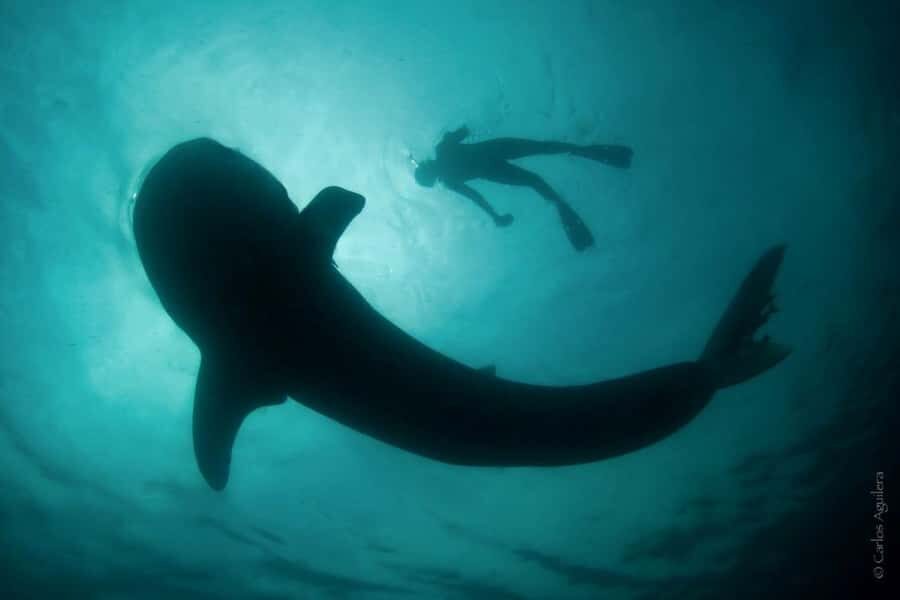
- Marine biologist guide in the water with you: bilingual instruction (Spanish and English) from a specialist, with clear guidance during the snorkel time.
- Small group means more actual swim time: capped around 8 passengers, with small-group limits stated at up to about 10, so you’re not packed together.
- Provided wetsuit and snorkel kit: the gear is included so you can focus on enjoying the encounter rather than hunting rental equipment.
- Juvenile whale shark sightings in season: the protected area is where these gentle giants gather from mid-October to mid-April.
- Photo-based identification for monitoring: the crew takes identification pictures, tied to population monitoring, and you follow strict no-touch rules.
- Boat ride with shaded comfort: the trip out includes a speedboat segment, and the boat setup is designed for comfort while searching.
Eco Migrations: Getting From Office to Protected Waters
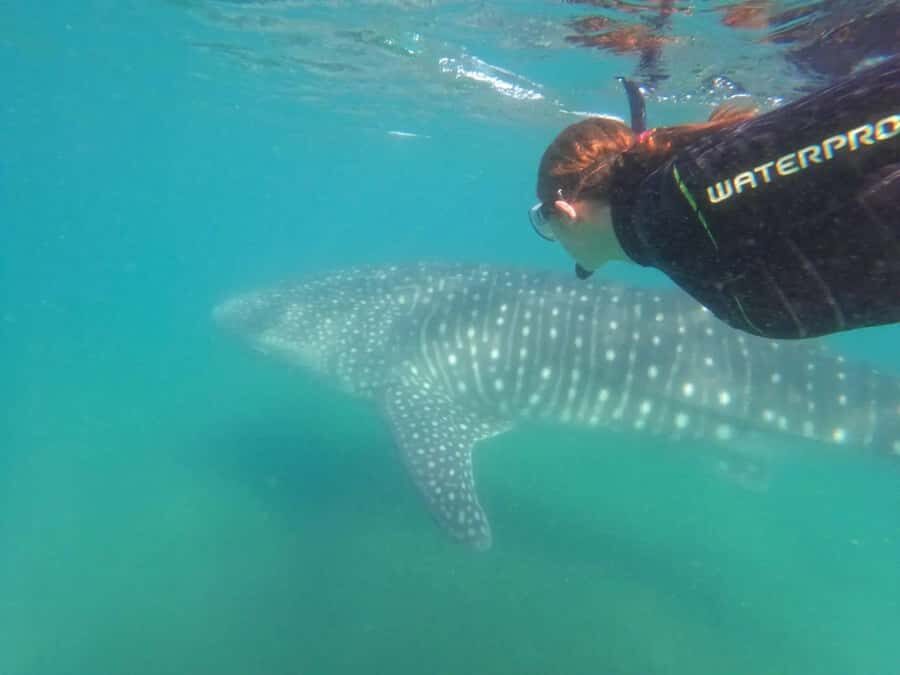
Your day starts at the Eco Migrations office in La Paz. You’ll then do a short on-foot stretch (about 5 minutes) before the speedboat part of the outing. It’s not a long walk, but it does matter because this is one of those discreet “local operation” meeting points. If you plan to rely on street signage, don’t. I’d strongly suggest setting up directions on your phone before you go and giving yourself a little extra time to find the office.
The speedboat segment is about 45 minutes, and that’s where the tone of the day sets in. You’re out looking, not just cruising. The guides and crew scan the horizon for the signs that whale sharks are near, and the group stays focused because there’s a job to do: stay ready, stay aware, follow instructions. On more than one outing, the crew also helps pass the wait time while you’re getting eyes on the animals.
For me, the biggest practical win here is that you’re not left guessing what happens next. You’re guided from the first minute—equipment on, plan explained, and then the search begins.
You can also read our reviews of more whale watching tours in La Paz Mexico
The Speedboat Ride: Comfort, Searching, and Clear Leadership
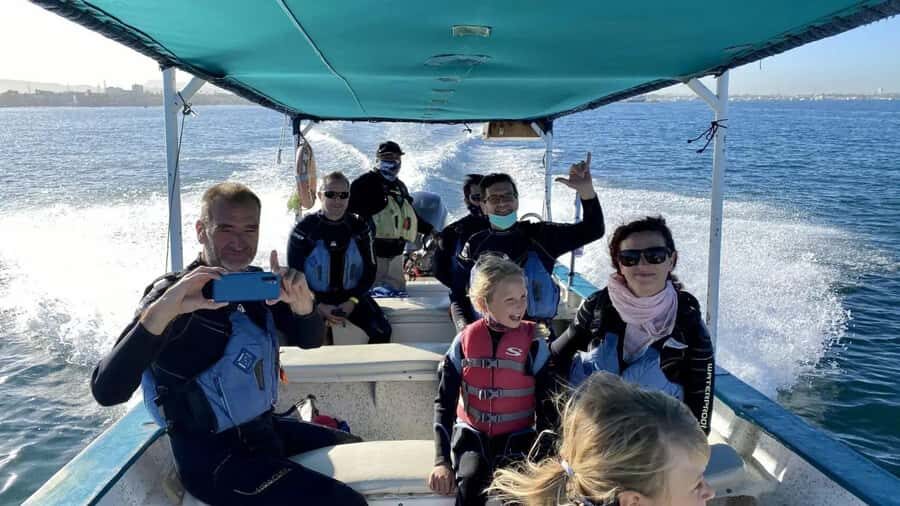
This isn’t a huge ferry situation. You’re on a speedboat, and it’s set up for the reality of a whale shark encounter: changing conditions, quick turns, and time spent waiting when you’re searching.
A couple of details matter for your comfort:
- There’s shade on the boat, which makes a real difference in the hours when you’re wearing a wetsuit but still exposed on deck.
- The captain and crew are described as competent and organized, which helps because the whole experience depends on safe, smooth handling while the guides look for sharks.
You’ll usually have a guided moment connected to the search and setup (including a photo stop once you’re out), and you’ll be listening for what the biologist is telling you about how to behave when the animals are spotted. I like that the staff isn’t just taking you to a location and handing you a snorkel. They’re actively running the day.
Whale Shark Time in the Water: What You’ll Actually Do
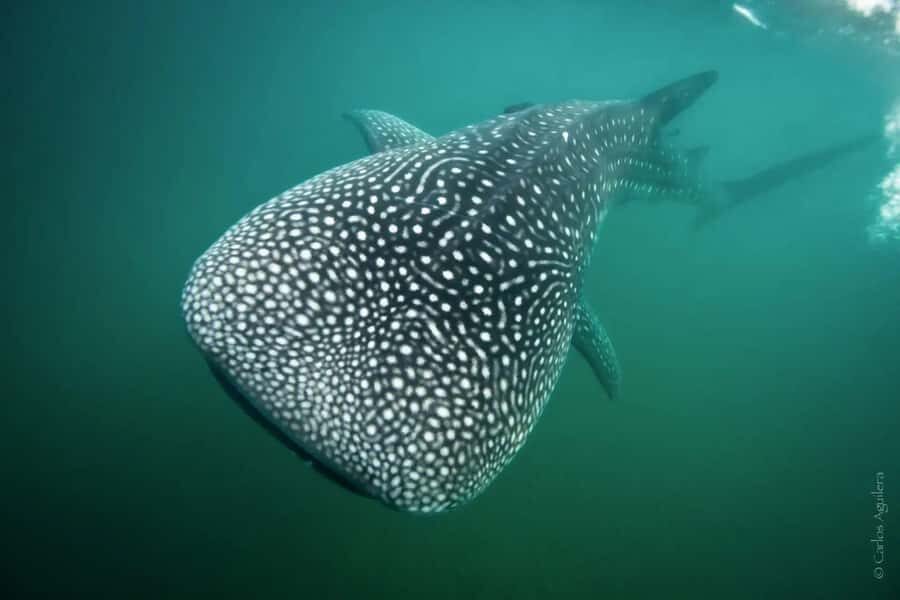
Once the team locates whale sharks in the protected area, the main event starts. This portion is about 1.5 hours total in the whale shark zone, and it includes a mix of shark viewing and snorkeling time.
Here’s what the rhythm feels like:
- Spotting and repositioning
- Guided instructions on how to get in and what to focus on
- Short snorkel windows where you observe whale sharks up close
- Time to capture identification pictures (handled by the guides/crew)
- Multiple swims if conditions allow
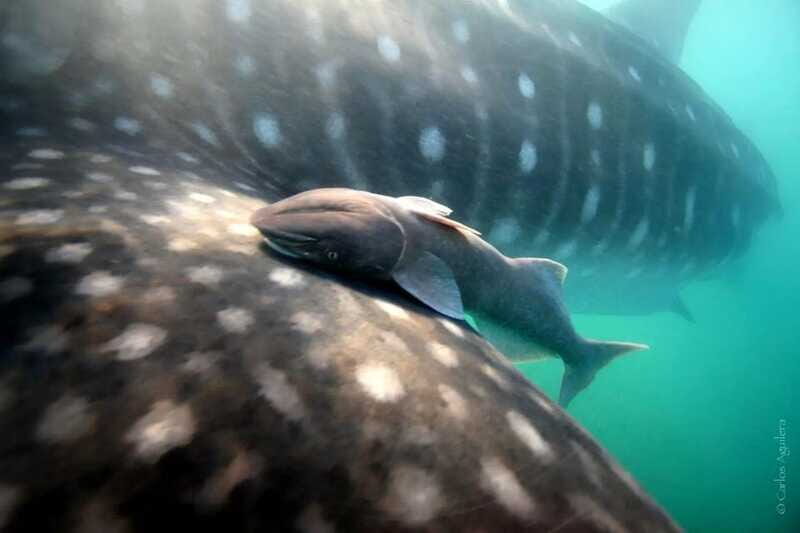
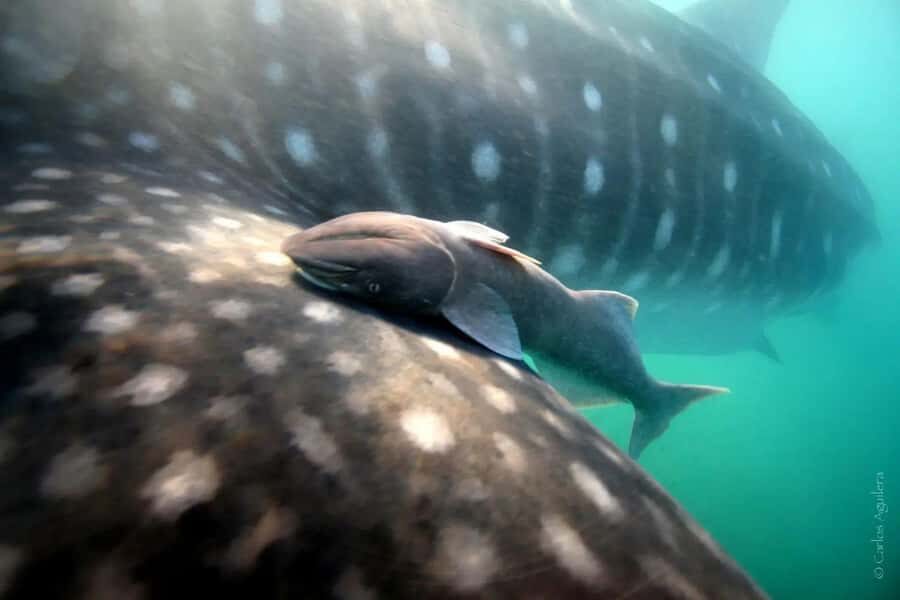
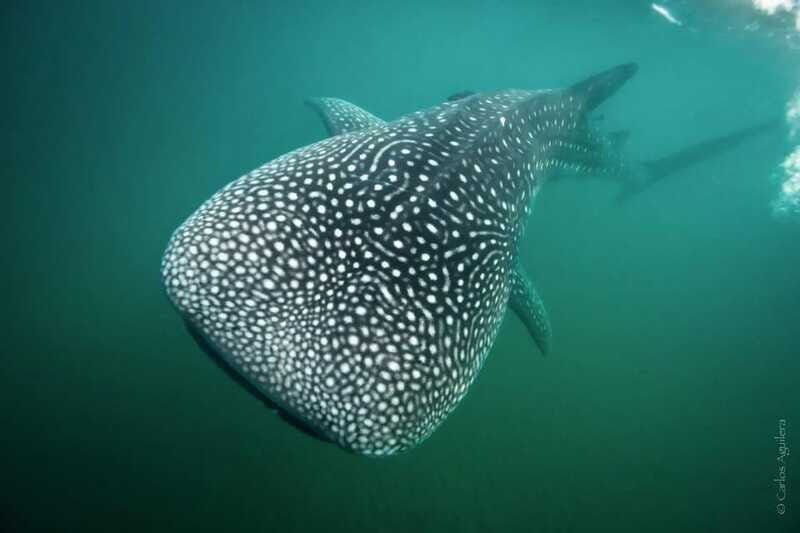
A key point: this is specifically described as swimming alongside juvenile whale sharks in their natural habitat, in a shallow bay during the season (mid-October to mid-April). That matters because it changes your expectations. You’re not going to a controlled tank environment. You’re reading the water with the help of a specialist guide.
From reported experiences, groups sometimes see more than one whale shark during the outing—people have described encounters with several different individuals, including a sighting of sharks reported up to about 8 meters long. Of course, you can’t control what’s in the water that day. But the operation is set up to keep searching until the conditions line up.
Your Marine Biologist Guide: Learning While You Watch
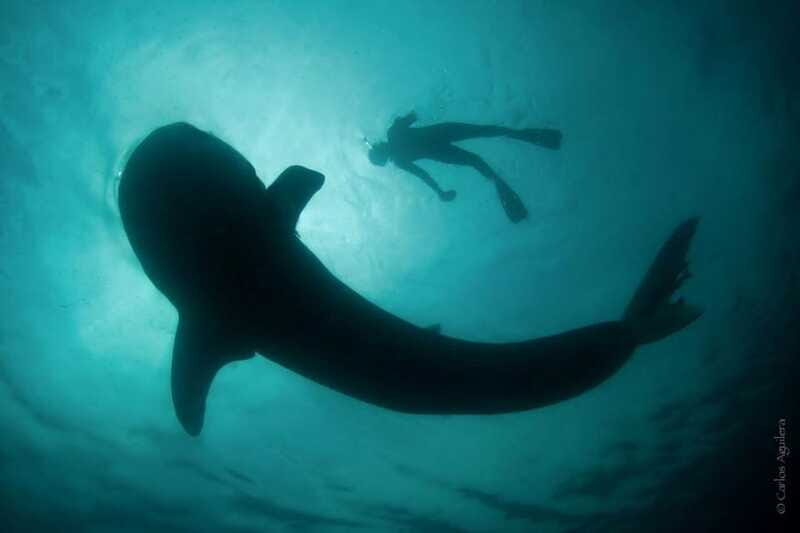
The standout educational part is the bilingual marine biologist guide. You’ll learn whale shark biology and ecology while you’re out there, and the guide stays engaged throughout the experience rather than just giving a brief talk at the start.
I also like the monitoring component. When whale sharks are spotted, the guides take identification pictures to contribute to population monitoring efforts. That’s a tangible “why” behind the rules you’ll follow in the water, like no touching. You’re not just enjoying an encounter; you’re participating in a process aimed at understanding and protecting the animals.
Guides named in the experience include Erin (marine biologist lead) and supporting crew members such as Jay Jay and Tomas/Thomas. Different guides can add their own style, but the overall theme is consistent: calm, focused, safety-first support with real enthusiasm for conservation.
If you’re a parent or you’re bringing someone who’s nervous about snorkeling, this kind of guided attention makes a big difference. The experience is described as supportive and organized, even for kids and less-experienced snorkelers—though you’ll still need to follow instructions and do your part.
Safety and Rules You Should Know Before You Go
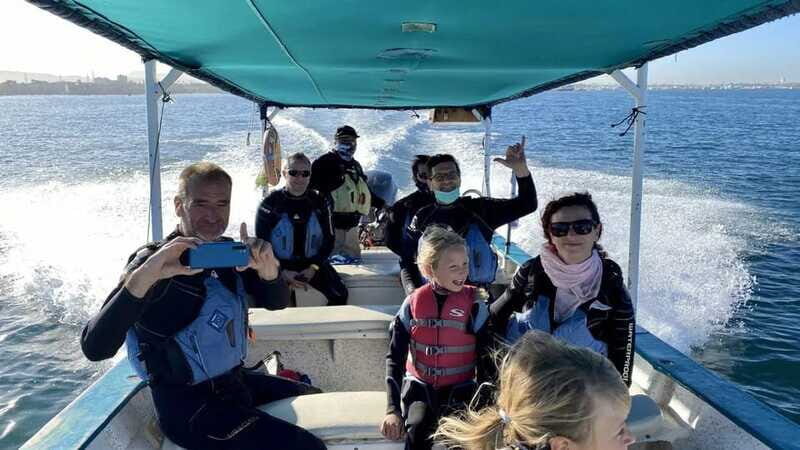
This tour is built around safety and minimizing impact. You’ll see that in the rules and the way the crew operates.
What’s explicitly off-limits:
- No drones
- No touching marine life
- No alcoholic drinks in the vehicle
What’s explicitly required or strongly suggested:
- Wear swimwear and use the provided full wetsuit
- Use biodegradable sunscreen
- Bring a daypack and a reusable water bottle
The no-touch rule is especially important for whale shark encounters because you’ll be in their space. The biologist-led approach also helps keep behavior consistent across the group, which is one reason small group sizes matter.
One more practical note: even though the tour is friendly and supportive, you should plan for active water time. There are reports of the snorkeling portion feeling intense and fast, and a strong reminder that you’ll want good swimming comfort to keep up. If your idea of snorkeling is “float and watch,” this might be more work than you expect.
Itinerary Breakdown: Timing and What Each Part Means for You
Let’s map the day in plain terms.
Start: Eco Migrations (La Paz)
You’ll meet at Eco Migrations. Expect gear setup and briefing before the boat.
On foot: about 5 minutes
A short walk to the transport staging area. It’s not long, but it’s time where you’ll want to be ready, not wandering.
Speedboat: about 45 minutes out
This is the search period. The team scans the horizon for whale sharks, and the day’s pacing begins here. Shade on the boat helps.
La Paz whale shark zone: about 1.5 hours
In this block, you’ll do guided activity that includes:
- Shark viewing and wildlife viewing
- Photo stop moments
- Snorkeling and swimming alongside the whale sharks when spotted
- Marine life viewing while you’re in the water
This is the part you came for, and it’s also the part where the crew’s organization shows. When the water is busy, you’ll likely do short swims rather than one long session.
Speedboat: about 45 minutes back
You’ll return with time to decompress. This is a good moment to review what you saw, because the guide’s explanation of whale sharks and the local ecosystem is part of the overall experience.
On foot: about 5 minutes back
Then you’re done at the Eco Migrations area.
Pack Like a Pro: The “Bring This” List That Actually Matters
You don’t need much for this tour, but the details you do bring make the day easier.
Bring:
- Swimwear (you’ll likely wear it under the wetsuit)
- Biodegradable sunscreen
- A daypack
- A reusable water bottle
The essentials are already handled for you:
- Snorkel kit
- Full wetsuit
- Bilingual guide support
You also need to plan for one thing that isn’t included: transportation to and from the office in La Paz. So build your schedule around getting yourself to Eco Migrations on time.
If you’re the type who forgets small items, double-check your sunscreen choice. Regular sunscreen can ruin your day if it’s not biodegradable, and the rules here specifically call for biodegradable sunscreen.
Price and Value: Is $204 Worth It?
At $204 per person for a 4-hour experience, this isn’t the cheapest way to see marine life in Baja California Sur. The value comes from a few things you can’t easily DIY:
- You’re paying for the specialist guide who teaches whale shark biology and ecology while you’re on-site.
- You’re paying for the gear: snorkel kit and a full wetsuit included.
- You’re paying for small-group access (maximum 8 passengers, small-group limits stated up to about 10), which helps you get real time in the water rather than being stuck in the way of other people.
- You’re paying for a protected-area search effort led by a team that scans for whale sharks and runs multiple swim windows when possible.
Is it expensive? Sure. But if swimming with juvenile whale sharks is a once-in-a-lifetime goal, this pricing can make sense because the operation is set up around safety, guidance, and an experience that’s tightly focused on whale shark time.
The big question for you is not the cost. It’s whether you can handle active snorkeling and following instructions quickly in open water.
Who This Whale Shark Swim Is Best For (And Who Should Skip It)
This tour fits best if you want:
- A small-group whale shark encounter rather than a crowded setup
- Biologist-led learning, not just animal spotting
- Provided snorkeling comfort (wetsuit and snorkel kit)
It’s described as suitable for families in particular, and there are mentions of kids doing well with supportive coaching and calm guidance.
Who might struggle:
- Pregnant women (not suitable)
- People with mobility impairments (not suitable)
- Babies under 1 year (not suitable)
Also, if you’re worried about keeping up in the water or you’re not confident in active snorkeling conditions, take that seriously. The tour is worth it for many people, but it’s not a slow float.
Should You Book Eco Migrations for La Paz Whale Sharks?
Book this tour if whale sharks are your target and you want a small-group, biologist-guided swim with the gear taken care of. The combination of provided wetsuit/snorkel kit, bilingual marine biologist instruction, and multiple opportunities to get in the water is where the value lives.
Skip it or think twice if you don’t want active snorkeling conditions, or if you’re affected by the stated suitability limits (pregnancy, mobility impairments, babies under 1 year). If you hate complicated meeting points, plan extra time to find Eco Migrations.
If you’re aiming for the real deal—juvenile whale sharks in their protected-area habitat with a team that’s focused on safety and monitoring—this is the kind of La Paz experience you remember.
FAQ
How long is the La Paz whale shark swimming adventure?
The tour duration is 4 hours.
Where does the tour start and end?
It meets and ends at Eco Migrations in La Paz.
What is the price per person?
The price is $204 per person.
How many people are in the group?
The experience is limited to a small group, with a maximum of 8 passengers (and small-group limits also stated up to about 10 participants).
Do I get snorkeling gear and a wetsuit?
Yes. A snorkel kit and a full wetsuit are included.
What language will the guide speak?
The live guide is available in Spanish and English.
When do whale sharks typically appear for this tour?
The whale sharks are present in the shallow bay from mid-October to mid-April.
Is transportation to and from Eco Migrations included?
No. Transportation to and from the office is not included.
What should I bring?
Bring swimwear, biodegradable sunscreen, a daypack, and a reusable water bottle.
What is not allowed during the experience?
Drones are not allowed, touching marine life is not allowed, and alcoholic drinks in the vehicle are not allowed.