REVIEW · MAZATLAN
Gran Acuario Mazatlan
Book on GetYourGuide →Operated by Gran Acuario Mazatlán · Bookable on GetYourGuide
One ticket and a whole slice of the sea. Gran Acuario Mazatlán turns Sea of Cortez species into a walk-through experience inside the largest aquarium in Latin America, with an architectural layout that makes the route feel like a guided journey even when you’re on your own.
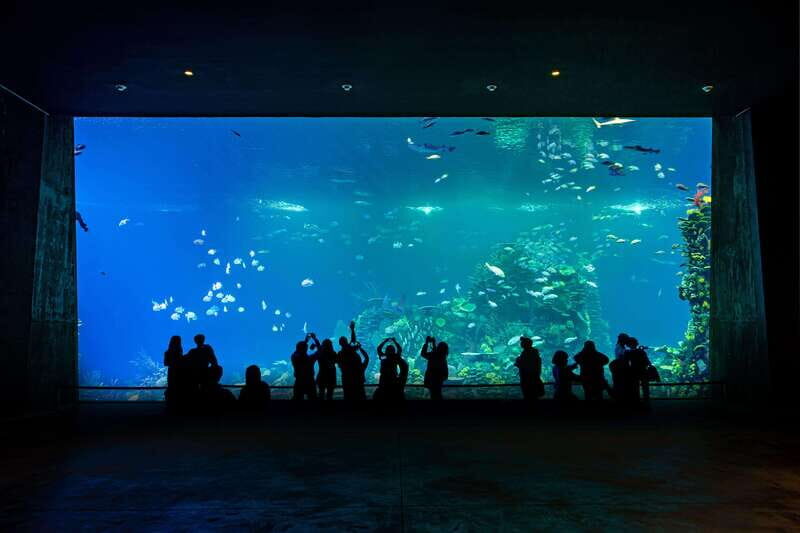
I especially love the hands-on moment in the intertidal zone, where you can feel textures from marine invertebrates like starfish. I also love how the oceanic area is built around a massive view, with a 42×23-foot window that makes the water feel larger than you expected.
One possible drawback: you’re navigating a lot of space on your own. If you don’t take a minute at the main entrance to orient yourself with the map and signs, the flow can feel a little confusing.
In This Review
- Key highlights you’ll actually feel
- Gran Acuario Mazatlán in one breath: Sea of Cortez, big architecture, one ticket
- Arriving and getting oriented at the main entrance
- The route through 30 habitats: desert reptiles to intertidal starfish
- Crash tank to Coral City: the wave-energy moment up front
- Oceanic habitat and its 42×23-foot window
- Sharks, rays, turtles, seahorses: what to look for as you walk
- Sea lions and Humboldt penguins: sweet skills up close
- Gardens like an old ruin: Guacamaya house and Agapornis area
- Bird theater and language reality
- Diver presentation and the ray-feeding watch (not for guests)
- Price and value: is about $30 worth it?
- What to bring and what not to do
- Who should book Gran Acuario Mazatlán?
- Should you book Gran Acuario Mazatlán?
- FAQ
- What’s included with general admission?
- Are you allowed to interact with Humboldt penguins?
- Can I feed rays or Agapornis?
- Where do I meet for the visit?
- How long is the experience?
- What languages are available?
- Can I cancel and get a full refund?
- Are drones or flash photography allowed?
Key highlights you’ll actually feel
- 30 habitats and around 200 species, so it’s more than a quick “look and leave” stop
- Intertidal texture zone where you can touch marine invertebrates like starfish
- Crash tank that gives you the wave-energy feel before you move into calmer displays
- 42×23-foot oceanic window that puts you in front of a deep-water view
- Humboldt penguins and California sea lions that bring real energy to the day
- Bird habitats plus bird theater, with regional birds and scheduled shows
Gran Acuario Mazatlán in one breath: Sea of Cortez, big architecture, one ticket
If you like aquariums that feel planned instead of random hallways, you’ll probably click with Gran Acuario Mazatlán. The big idea is a route through different environments, using themed spaces to move you from land-style habitats into true marine zones.
The animal lineup focuses on the Sea of Cortez. You’ll see familiar “ocean stars” like sharks, sea turtles, seahorses, and rays, plus lots of other marine creatures that you might not notice in smaller displays. And the building itself matters here: it’s described as an architectural masterpiece designed to invite you to walk, pause, and keep going.
For a one-day stop at around $30 per person, it’s not trying to be a half-hour novelty. It’s built for a full visit—especially if you like watching animal behavior more than collecting photos.
You can also read our reviews of more tours and experiences in Mazatlan.



Arriving and getting oriented at the main entrance

Plan to start at the main entrance. That’s where your visit funnels in, and it’s also where you’ll want to settle your plan before you head into the habitats.
A couple practical notes help:
- You can use a separate entrance for skip-the-line, which saves time when the main flow is busy.
- The experience is self-paced. A map and signage are your best friends, because you won’t have a live narrator attached to your path.
If you’re visiting with kids, go straight for the first habitats quickly. The route is designed like a storyline, and starting early helps you keep that momentum.
The route through 30 habitats: desert reptiles to intertidal starfish
One of the smartest parts of Gran Acuario Mazatlán is the way it structures the walk. Instead of throwing all the marine tanks at you at once, it gradually transitions the environment.
You typically begin in a desert setting with the reptile habitat, then move along toward sea dunes. That shift matters because it makes the later marine zones feel like a true change of world, not just another aquarium room.
Then you hit the intertidal zone, and this is where you’ll remember the visit after you leave. The design gives you a chance to feel textures of marine invertebrates like starfish. It’s not just watching behind glass. It’s a hands-on moment that makes the ecosystem feel real.
Downside to this part: because it’s a “move through environments” route, you may not feel every section equally if you keep rushing. Slow down for the intertidal stop, even if you think you’ll come back later. You might not.
Crash tank to Coral City: the wave-energy moment up front

After the early habitat sequence, the experience pivots hard into high-impact visuals. You’ll go through a crash tank where the wave’s energy is part of the show. It’s the kind of moment that grabs kids instantly and also makes adults pay attention because you can physically sense the power of water.
Then comes what they call Coral city, where you’re met with a burst of color and more structured reef-style scenes. Even if you’re not trying to identify every species, this area helps you reset your brain from “tanks and tunnels” to “living reef world.”
This section is a great time to take photos—just remember flash photography isn’t allowed.
Oceanic habitat and its 42×23-foot window
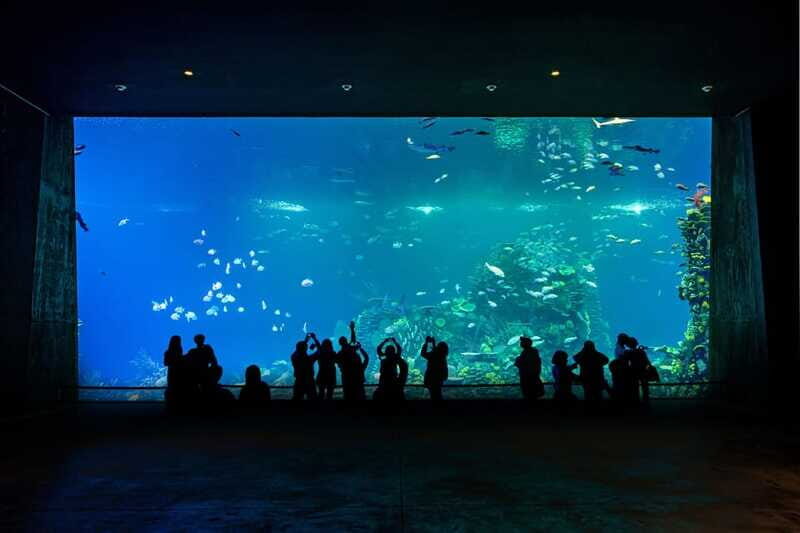
Now for the wow factor that’s hard to fake. The main oceanic habitat is built around a 42×23-foot window. That size changes the feeling. Instead of peeking into a tank, you’re watching what looks like real ocean depth.
You’ll continue your walk through that oceanic zone while seeing fish and other marine animals like morays and jellyfish. Even if you can’t name every creature, you’ll start noticing patterns: where animals hover, how they react to movement, and how different water layers affect what you see.
If you care about animal behavior (not just big displays), this is one of your best sections. Spend a few extra minutes here. Let your eyes adjust.



Sharks, rays, turtles, seahorses: what to look for as you walk
Gran Acuario Mazatlán gives you a mix of headline species and supporting actors. You should expect:
- Sharks and other larger swimmers in the marine habitats
- Rays, often the kind that make you lean closer because they glide differently than sharks
- Sea turtles and seahorses, which are easier to miss if you’re walking too fast
- More marine creatures throughout the 30 habitat journey
Here’s my practical tip: don’t only look for the biggest animals. Train your gaze on the “in-between” moments. Many smaller displays and secondary habitats show animals in motion, and those are the scenes that make the day feel worth it.
Also, remember this is a walk-through experience. You’re not in a controlled classroom activity where every second is narrated. If you want value, you’ll get it by slowing down at each habitat and actually watching.
Sea lions and Humboldt penguins: sweet skills up close

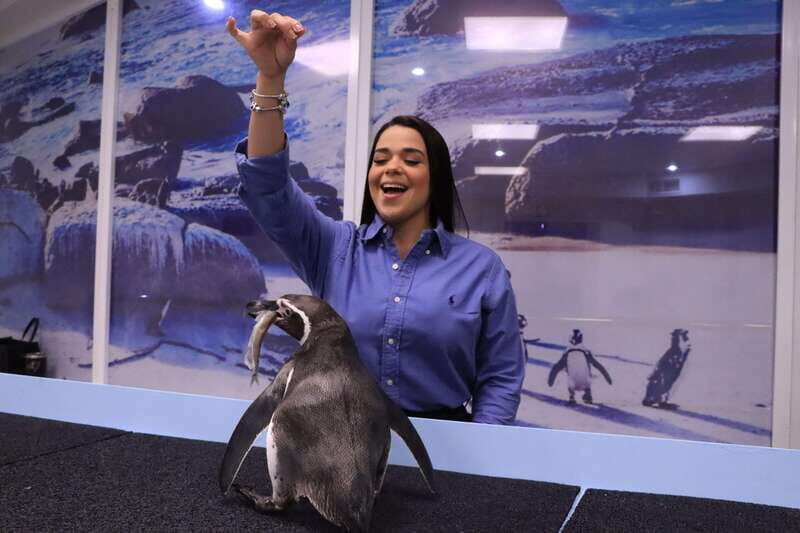
If you’re visiting for animals with personality, you’re in the right place. The included highlights specifically mention meeting the Humboldt penguins and seeing the California sea lions.
A key detail: the visit includes viewing and the exhibitions, but it does not include interaction with the Humboldt penguins. So manage your expectations. You’re there to watch and learn, not to do hands-on contact.
Even so, the penguin and sea lion areas can be some of the most fun parts of the day because these animals tend to draw a crowd with movement and routine. You’ll also find that sea lion activity adds a lively rhythm to your visit, especially if you’ve had a quiet spell in the ocean sections.
One consideration: if you’re arriving expecting everything to be wide open, double-check what’s operating when you get there. You might find certain areas have temporary closures on some days.
Gardens like an old ruin: Guacamaya house and Agapornis area

After the heavier “sea” sections, you’ll shift into gardens that feel designed for a slow walk. Regional plants decorate towering walls, and the layout creates a vibe of walking through something like an ancient ruin turned into a living exhibit.
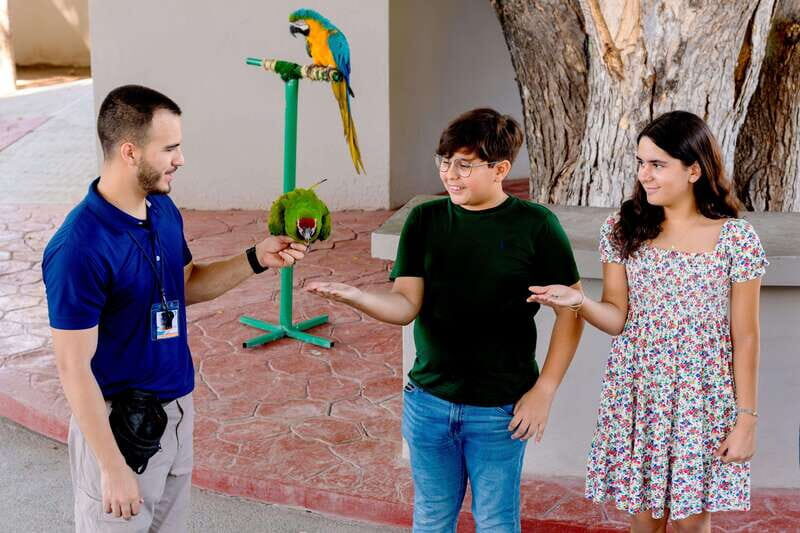
You’ll follow a path to the Guacamaya house, where you can see a diverse bird collection that includes birds like macaws and parrots. If you enjoy birds, this is a nice change of pace from glassy water tanks.
Then there’s the Agapornis habitat on the garden side. You can feed Agapornis only if the experience includes feeding, and in this case Agapornis feeding isn’t included. That means you’ll see the birds, but you won’t be doing the feeding activity yourself.
This garden segment works well for:
- families who need a calmer break
- anyone who wants a more sensory walk with greenery and bird watching
- travelers who don’t want only sea creatures
Bird theater and language reality

Gran Acuario Mazatlán includes a bird theater as part of the experience. It’s built as a scheduled performance element, which is good for keeping the day from turning into a nonstop exhibition crawl.
Language is listed as Spanish and English for the overall experience host/greeter, but the bird theater content can still lean heavily toward Spanish depending on how the day runs. If you don’t speak Spanish, don’t assume the show will be perfectly tailored to your language.
My practical advice: go for the performance anyway, but treat it as visual entertainment. The animals and movement still do most of the work.
Diver presentation and the ray-feeding watch (not for guests)
You’ll also see a dive-style diver presentation as part of what’s included. The key word here is watch: guests are not allowed to feed animals, so you shouldn’t plan on doing any feeding yourself.
That said, there’s a specific highlight around rays that you can catch during the presentation—one moment that tends to make people pause and point. You’ll be able to see the feeding action as part of the show, which adds a “behind-the-scenes behavior” feel without turning into guest-staff contact.
If your group loves marine life action, this is a strong reason to time your visit so you don’t miss the presentation window.
Price and value: is about $30 worth it?
For about $30 per person and a 1-day visit, the value mostly comes down to how you like to travel.
This ticket is worth it if you:
- want lots of different habitats in one place
- enjoy animal behavior and watching routines
- like architectural design that gives structure to your walk
It’s less of a slam dunk if you only want a short aquarium stop. This isn’t a “stop by on your way to lunch” kind of entry. The route takes time, and the layout rewards a slower pace.
Also, the included components aren’t just random add-ons. You get admission to the main building and gardens, plus the penguin and sea lion viewing and the bird theater. If that animal lineup is your vibe, you’ll likely feel you got your money’s worth.
What to bring and what not to do
Keep it simple. Bring:
- a sun hat
- comfortable clothes
You’ll be walking a lot, and some areas involve outdoor or garden spaces, so comfort matters.
Don’t bring or do:
- drones (not allowed)
- flash photography (not allowed)
- feeding animals (not allowed)
If you’re traveling with kids, there’s also stroller help: you can request stroller rentals for kids.
Wheelchair access is listed. If you need a wheelchair, ask for it at the main entrance.
Who should book Gran Acuario Mazatlán?
Book it if you want a structured one-day aquarium with multiple “worlds” to walk through: desert-to-dunes-to-intertidal to ocean. It’s ideal for families, for animal lovers, and for travelers who like a mix of big exhibits and small moments—like that starfish texture stop.
I’d also recommend it if you enjoy birds and want more than just marine displays. The gardens and bird theater add variety without turning the day into a museum slog.
If you hate walking, have very limited time, or only care about one animal type, you might find it’s more than you need. But if you’re planning a real half-to-full day, this place is built for it.
Should you book Gran Acuario Mazatlán?
Yes, if Sea of Cortez animals are your thing and you want a well-planned aquarium day that doesn’t feel like one room. The value improves when you slow down for the intertidal texture area, linger at the huge oceanic window, and build your schedule around the sea lion and penguin sections plus the bird theater and diver presentation.
Consider skipping only if you’re looking for a short, guided, hands-on experience. This is a watch-and-walk aquarium, not a guest-interaction show.
FAQ
What’s included with general admission?
General admission includes entry to the main building and gardens, a visit to the Humboldt penguins, the sea lions exhibition, the diver presentation, and the bird theater.
Are you allowed to interact with Humboldt penguins?
No. Interaction with Humboldt penguins is not included, though you can visit and view them.
Can I feed rays or Agapornis?
No for both. Rays feeding and Agapornis feeding are not included, and feeding animals isn’t allowed.
Where do I meet for the visit?
The meeting point is the main entrance.
How long is the experience?
It’s valid for 1 day.
What languages are available?
The host or greeter is available in Spanish and English.
Can I cancel and get a full refund?
Yes. You can cancel up to 24 hours in advance for a full refund.
Are drones or flash photography allowed?
No. Drones and flash photography are not allowed, and you also can’t feed the animals.