REVIEW · LORETO
Explore San Javier Mission, Lunch, Walk & Historical Tour
Book on Viator →Operated by Wild Loreto · Bookable on Viator
You can feel history on the mountain road. This half-day San Javier outing pairs the San Javier Mission with a guided drive into the Sierra de la Giganta, plus an included meal stop where you can taste local Mexican food. I especially like the way guides such as Francisco and Santos connect what you see—orchards, cisterns, plant life—to the story of the Jesuits in Baja; the main drawback to consider is the winding drive, which can be rough if you’re prone to motion sickness.
What makes this a smart value is that the tour handles the flow end-to-end: round-trip pickup from Loreto hotels, transportation, a guided plan, and tickets where they matter. It runs about 4 hours, most people can participate, and the max group size is 42—so it’s organized without feeling like a cattle car.
In This Review
- Key highlights to look for
- San Javier from Loreto: Why this half-day feels bigger than it is
- The Sierra de la Giganta drive: plants, wildlife, and a road that sets the tone
- Mission San Francisco Javier de Viggé-Biaundó: Jesuit walls, living orchards, and real history
- Lunch in San Javier: local Mexican food, beer or soda, and a calm 30-minute break
- Loreto panorama timing: why the return trip is part of the point
- Price and comfort: does $90 make sense for what you get?
- Guides make the difference: Francisco, Santos, Carlos, and Joselino
- Practical tips so your day goes smoothly
- Who should book this San Javier Mission tour (and who should skip it)
- Should you book this San Javier Mission Lunch Tour?
- FAQ
- FAQ
- How long is the Explore San Javier Mission, Lunch, Walk & Historical Tour?
- What’s included in the price?
- Do I need to pay for mission admission?
- Is pickup from Loreto hotels provided?
- Is the tour offered in English?
- Do I get a mobile ticket?
- How big is the group?
- Is cancellation free?
- What happens if the weather is poor?
Key highlights to look for
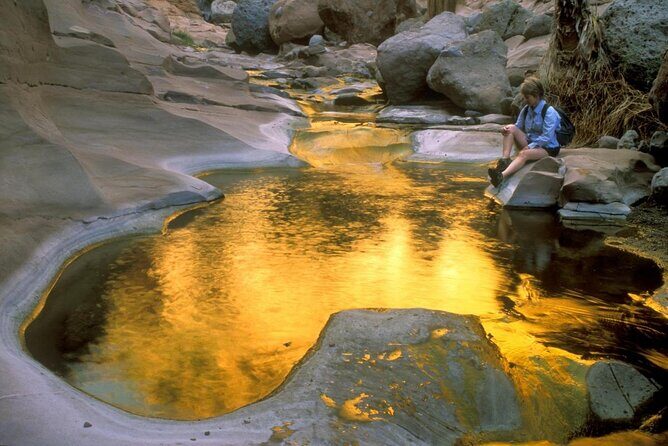
- Sierra de la Giganta scenic stops that turn a drive into a living geography lesson
- San Francisco Javier de Viggé-Biaundó mission visit with guided context for what you’re seeing
- Included lunch and drinks (including beer and soda/pop), so you don’t have to hunt for food
- Working mission village details like orchards and old water systems made by Jesuits
- Time for photos and a Loreto panorama timed for the best light on the return
San Javier from Loreto: Why this half-day feels bigger than it is
San Javier Mission sits in a place that makes sense of why the Jesuits chose this region. The drive up into the Sierra de la Giganta gives you more than scenery—it sets the stage for how these missions functioned, with water management and agriculture tied to survival and community.
I like that this tour keeps the day practical. You get pickup from any Loreto hotel or local pick-up point, then you can focus on the “why” behind the mission rather than figuring out routes, parking, and ticket timing. At $90 per person, the price becomes easier to justify because lunch and drinks are included, and there’s guided narration throughout.
One more plus: you’re not stuck only inside the church. You’ll spend time in the mission area and move through the surrounding viewpoints, including a return to Loreto for panoramas. That means the experience feels more complete than a fast stop-and-sprint.
You can also read our reviews of more walking tours in Loreto

The Sierra de la Giganta drive: plants, wildlife, and a road that sets the tone
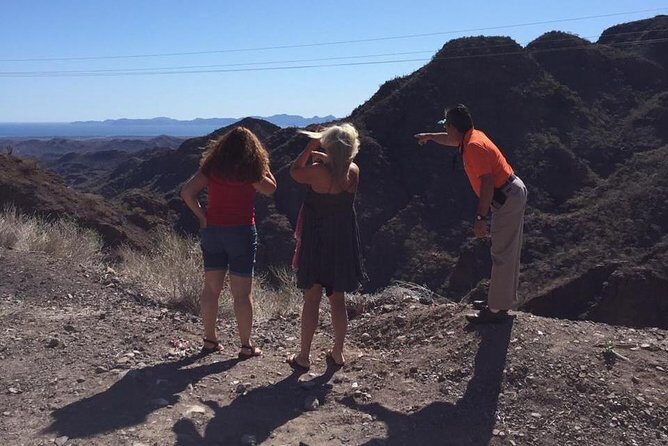
The tour starts by heading into the Sierra de la Giganta. This is where the trip turns from “a mission visit” into a sense of place. The route climbs through varied terrain, and your guide will point out local plants and the way the region lives—what grows, what’s seasonal, and how people use the land.
From what I’ve seen in guides’ descriptions, you can expect plenty of small, memorable details: fruit trees and vines (things like citrus and grapes), olive and date orchards, and seasonal plants that make the mission setting feel less like a museum and more like a working landscape. Some guides also highlight older water systems, including cisterns built centuries ago by Jesuit priests, which helps you understand how the mission supported agriculture.
Wildlife sightings can pop up along the way too. People have mentioned horses and cows, plus birds and butterflies. Even if you don’t see everything, the talking points keep the drive from feeling idle.
The one consideration: the road up and back can be windy. If motion sickness is your thing, plan for it. Bring what helps you tolerate curves (ginger, medication if you use it, motion-friendly seat), and keep your eyes on the horizon during climbs.
Mission San Francisco Javier de Viggé-Biaundó: Jesuit walls, living orchards, and real history
The core stop is the Church and mission grounds at Misión San Francisco Javier de Viggé-Biaundó. The tour framing focuses on the church’s construction timeline—started in 1744 and finished in 1759—and your guide brings the story into focus with explanations about the people who lived and worked here.
What makes this mission stand out is that it isn’t just abandoned stone. Guides often describe the mission area as still very much tied to local families and agriculture: gardens, vineyards, date, citrus, and olive orchards. That matters because the Jesuit mission model wasn’t only about buildings—it was also about water control, farming, and a daily routine that supported the community.
You’ll likely hear details about the early Jesuits and their arrival in Baja (one guide story includes Jesuits arriving from Spain around 1695). You may also hear mission-related dates that differ in the telling (some narratives mention 1699), so don’t be surprised if your guide includes a timeline thread that goes a bit beyond the construction years listed for the church.
Inside the mission visit, aim to do two things:
- Slow down and look at how the setting fits the environment (water, agriculture, and the practicality of the location).
- Ask your guide what to notice beyond the church walls. The best tours make you see the mission as a system: stone + water + fields + people.
Lunch in San Javier: local Mexican food, beer or soda, and a calm 30-minute break
After the mission viewing time, you’ll hit the lunch stop. The tour plans a 30-minute food break tied to the mission area, with admission/ticket time handled as part of the flow.
This is one of the most appreciated parts of the day for a simple reason: lunch is included, and it comes with drinks. The package lists soda/pop, bottled water, and alcoholic beverages, and many descriptions mention beer (some people call it cervaza). That means you can enjoy a meal without the mental load of hunting down a place that fits timing and budget.
People describe lunch as plentiful and genuinely local. One restaurant name that comes up in the experience is La Palapa / Palapa, and the vibe sounds like a straightforward community meal rather than a tourist buffet. For you, that’s a win because the day is mostly history and driving; this is the reset moment where the region tastes like the region.
Practical tip: since the meal window is short, go for what you can eat comfortably, then save your souvenir browsing time for later (if you want it). If you’re sensitive to heat, drink some water early—bottled water is included, but it still helps to pace yourself.
Loreto panorama timing: why the return trip is part of the point
Once lunch is done, you head back toward Loreto. The schedule includes about an hour in/around Loreto with timing designed to catch the best moments for panoramic views.
That return stretch is more than “getting home.” It gives you a chance to reconnect what you learned on the way up with what you see as the terrain opens back out. If you like photography, this is usually the part of the day where your camera gets its second wind—different light, wider angles, and a better sense of scale than you get from inside the mission grounds.
Even if you’re not a big photo person, the Loreto stop helps you end with a visual payoff. You’ll understand the mission’s setting more clearly because you can place it against the town and the region you’ve just been driving through.
You can also read our reviews of more historical tours in Loreto
Price and comfort: does $90 make sense for what you get?
Let’s talk value plainly. The tour costs $90 per person and runs about 4 hours. It’s booked about 28 days in advance on average, so it’s not a niche “sometimes available” trip.
For that price, you get several things that usually cost extra on other tours:
- Round-trip transportation from Loreto hotels
- An air-conditioned vehicle
- Lunch plus drinks (including beer and soda/pop)
- Guide-led mission time and scenic narration
- Admission handling for the key points (the Sierra de la Giganta stop is listed as free; the mission stop is included; Loreto is free)
You also get a small comfort boost from the format: the tour has a max group size of 42, and it’s described as private transportation. In real life, that tends to mean fewer coordination headaches than large bus tours.
Who should feel good about the price? You’ll get your money’s worth if you want:
- A guided history experience without doing research beforehand
- A local meal included in the schedule
- A way to see beyond Loreto with a driver doing the hard work
Who might pause? If you only want a quick photo at a mission and you already love self-driving, you might question the meal + narration value. But if you want the story tied to the scenery, the package is built for you.
Guides make the difference: Francisco, Santos, Carlos, and Joselino
In this part of Mexico, the guide isn’t just a translator. It’s the person connecting plants, agriculture, and old water systems to the mission’s role.
You’ll see several guide names in the experience descriptions: Francisco, Santos, Carlos, Joselino (often called Lino), and Damian. Common praise points include:
- Clear English
- Friendly, patient hosting
- Lots of stops for explanations about flora and fauna
- Extra attention to what matters to the group (including making room for special requests)
- Comfort on the drive (including narration during travel time)
If you want a tour where you actually learn what you’re looking at—olive trees, vineyards, citrus, date orchards, cisterns, and the mission’s place in a chain of Jesuit activity—this format leans strong. And if you want the day to feel personal, guides who grew up in the mission area (like Joselino/Lino) can add extra texture to the story.
Practical tips so your day goes smoothly
A few things will help you get the most out of the timing and the mountain drive.
- Bring motion-sickness support if you need it. The windy ride shows up in the experience as a real consideration.
- Wear shoes you’re comfortable walking in. The mission area includes walking time, and you’ll want stable footing for photos and indoor/outdoor movement.
- Pack sun protection. Even on shorter outings, Sierra conditions can mean bright light and strong sun.
- Have small cash ready for souvenirs. The tour notes that money for souvenirs isn’t included, and there’s often time for local shopping in the overall flow.
- Listen for the plant and agriculture notes. The best moments are often the small “look at this” explanations about what grows there and how it supported the mission.
Who should book this San Javier Mission tour (and who should skip it)
This tour is a great fit for:
- First-timers in Loreto who want more than beach time
- Anyone who likes history but hates doing logistics
- Families and mixed-age groups who want a structured half-day with stops and included food
- People who enjoy scenic drives with interpretation, not just transportation
It’s less ideal if:
- You’re very sensitive to motion or curves and can’t manage it
- You dislike structured tours and prefer independent wandering with no set schedule
- You’re only looking for a quick mission photo and don’t care about plants, agriculture, and the water story
Should you book this San Javier Mission Lunch Tour?
If you’re spending at least a half-day in Loreto and you want an experience that ties San Javier Mission history to the real-world setting around it, I think you should book. The combination of scenic Sierra driving, mission time, and an included lunch with drinks makes it a rare “no extra planning” outing.
Book it especially if you like tours where the guide helps you see—olive orchards, vineyards, orchards, cisterns, and the way the mission community functioned. I’d also book if you want value: $90 includes transportation and lunch/drinks, not just a mission entry.
Skip or re-think if motion sickness is a hard no for you. Otherwise, this is one of the more complete ways to understand Loreto’s area beyond town, without turning your day into a DIY puzzle.
FAQ
FAQ
How long is the Explore San Javier Mission, Lunch, Walk & Historical Tour?
It runs about 4 hours (approx.).
What’s included in the price?
The tour includes lunch, alcoholic beverages, soda/pop, bottled water, an air-conditioned vehicle, and private transportation.
Do I need to pay for mission admission?
The itinerary lists Sierra de la Giganta as free, the San Francisco Javier de Viggé-Biaundó mission admission as included, and Loreto as free.
Is pickup from Loreto hotels provided?
Yes. Pickup is offered from any hotel or local pick-up point in Loreto, Baja California Sur.
Is the tour offered in English?
Yes, it’s offered in English.
Do I get a mobile ticket?
Yes, a mobile ticket is provided.
How big is the group?
The maximum number of travelers is 42.
Is cancellation free?
Yes. You can cancel up to 24 hours in advance for a full refund.
What happens if the weather is poor?
This experience requires good weather. If it’s canceled due to poor weather, you’ll be offered a different date or a full refund.