REVIEW · HUATULCO
Dolphin & Whale Watching with Marine Biologists
Book on Viator →Operated by Oceanico · Bookable on Viator
A 2.5-hour ocean class you can actually see. I like the marine biologist-led briefing and the chance to hear whale and dolphin sounds through a hydrophone, plus the small max group size for room to move. One possible drawback: you’re still at sea, so whale sightings depend on season and conditions.
You meet in the morning at Chahué Marina area, then head out with a plan built around spotters and protected waters. I also like that they keep things respectful with clear rules and a short debrief when you’re back, so you leave with more than just photos.
In This Review
- Key Highlights You’ll Care About
- Where You Meet and How the Morning Flows at Chahué
- Marine Biologists, Real Research, and Guides Like Scarlett and Tony
- The Hydrophone Moment: Hearing Whales and Dolphins Underwater
- How They Search: Spotters, Travel Beyond the Usual, and the Best Chance at Sightings
- The Huatulco National Park Stop: Why Protected Waters Matter
- Wildlife You Might See: From Humpbacks to Olive Ridley Turtles
- Boat Comfort, Safety Gear, and What to Wear in Real Huatulco Weather
- Price and Value: Is $59.74 a Smart Deal Here?
- When to Book and Who This Tour Suits Best
- Should You Book This Dolphin and Whale Watching Tour?
- FAQ
- How long is the dolphin and whale watching tour?
- What time does the tour start?
- What’s included in the price, and what fees cost extra?
- What wildlife might I see?
- Is the tour offered in English?
- Do you provide lifejackets?
- What are the age and weight limits?
- What happens if weather is bad?
- Is there a cancellation policy if I change my mind?
Key Highlights You’ll Care About
- Hydrophone listening: you can hear whales singing and dolphins communicating underwater
- Small group (up to 14): easier movement on a small boat and a calmer vibe
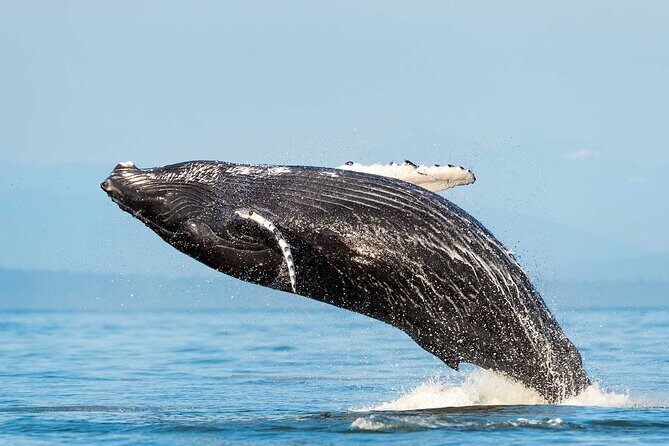
- 90% humpback tours in Dec–Mar: humpbacks are the headline during peak season
- Protected-water focus at Huatulco National Park: sightings happen where the rules matter
- Real conservation Q&A: the marine biologists answer questions and share current research
- Lifejackets provided: available for kids from age 3 and adults up to 130kg
Where You Meet and How the Morning Flows at Chahué
This tour is timed for prime ocean light. It starts around 8:00am from the Oceanico Huatulco area near Marina Chahue, which is handy if you’re staying somewhere with easier access to the marina. The total time on the water is about 2 hours 30 minutes, not counting any short moments for briefing and wrap-up.
Right away, the crew frames the day as respectful wildlife viewing, not a loud chase. You’ll get a short orientation about whales, dolphins, and sea turtles of Huatulco, which helps you know what you’re actually looking for out on the water. It also sets expectations for safe distance and behavior in protected zones.
The practical win here is the pace. You’re not stuck in a long, slow excursion that turns into a waiting game. Instead, you leave, you search smart, you watch closely, and then you come back with a clear wrap-up—so the trip feels like a full experience, not just transportation to sea.
You can also read our reviews of more tours and experiences in Huatulco.

Marine Biologists, Real Research, and Guides Like Scarlett and Tony
I appreciate this format: you’re not just being shown wildlife like it’s a drive-thru. The tour crew includes marine biologists, and the point is education that matches what you see during the ride. If you’re the type who asks questions (and you should), you’ll get answers tied to behavior and ongoing studies.
The vibe is practical and friendly. In past runs, names like Scarlett and Tony have shown up as guides, with captains such as Tito also noted. You don’t need a marine science background to follow along, but you’ll likely learn details that make the sightings click—like why certain dolphins behave the way they do near specific areas, or what whale calls mean in context.
One more thing I like: the tour is clearly designed for interpretation. When you hear a sound underwater via the hydrophone or you watch a mother-and-calf type moment, you’ll understand more than just the species name. That turns your photos from pretty to meaningful.
The Hydrophone Moment: Hearing Whales and Dolphins Underwater
Here’s the special ingredient that makes this tour feel different. The boat setup includes a hydrophone, basically an underwater microphone. While you’re watching from the surface, you can also listen to whales singing and dolphins communicating.
That changes the whole experience. Sightings are visual, sure, but sound is where marine life gets real. Even if you’re not lucky enough to spot whales right away, the hydrophone can still give you that sense that something big is happening below the surface.
If you care about details, this is also where asking questions pays off. I’d come prepared with simple prompts like what you’re hearing, why calls happen at certain times, or how dolphins communicate. When the guide connects those sounds to what you’re seeing, the tour becomes a living lesson instead of a checklist.
How They Search: Spotters, Travel Beyond the Usual, and the Best Chance at Sightings
You don’t just cruise around hoping. The approach here is to travel to areas known to the team and their network of spotters, aiming for the highest chance at whales, dolphins, and sea turtles.
In the peak season December through March, humpbacks can be seen on about 90% of tours. That’s a big deal if whales are your priority, because it turns the “maybe we’ll see them” uncertainty into something closer to a plan. Outside peak season, you still may see whales and dolphins, but you should expect more variability depending on the day.
This kind of “go where the activity is” searching matters because marine wildlife moves. Pods can shift, and whales may surface in patterns that don’t match a single predictable route. The tour’s job is to work with that reality using spotters and local expertise, not fight it.
Also, the best sightings aren’t only about what species show up. Sometimes it’s how long you can watch them together—like a mother and calf pair, or a pod coordinating in a way that makes behavior easier to observe. The tour is set up to maximize those moments.
The Huatulco National Park Stop: Why Protected Waters Matter
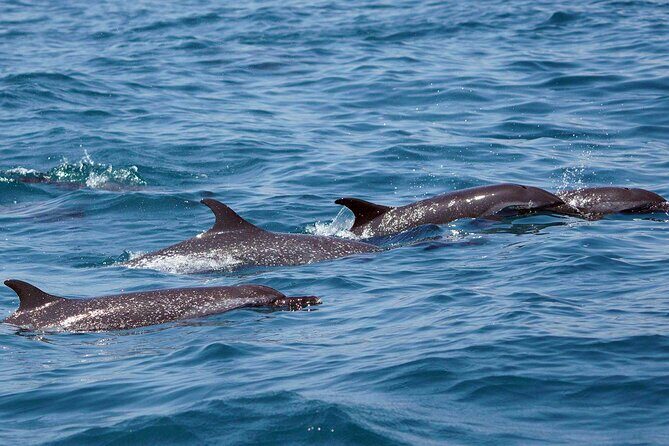
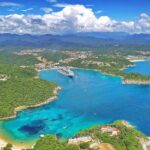
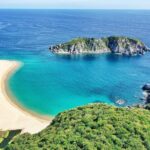
At some point during the tour, you’ll focus on Huatulco National Park waters. That stop matters because protected areas create the conditions animals return to—food availability, safer breeding or resting zones, and fewer disruptions compared to areas with heavier activity.
You’ll likely notice the difference in how the crew handles viewing. When you know you’re in a place with rules, the pacing feels steadier. The guide can talk about species behavior in context, instead of just narrating like you’re on a general sightseeing cruise.
A heads-up for your wallet: the Huatulco National Park entrance fee is 65 pesos cash per person. There’s also a Chahué Marina fee of 10 pesos cash per person. Both are not included in the tour price, so bring cash if you want a smooth start without scrambling.




Wildlife You Might See: From Humpbacks to Olive Ridley Turtles
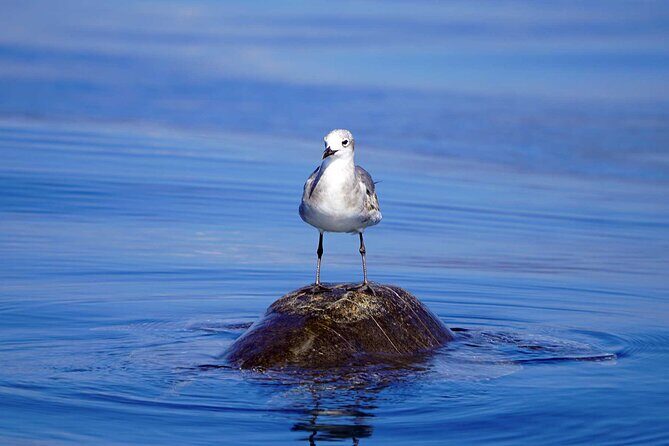
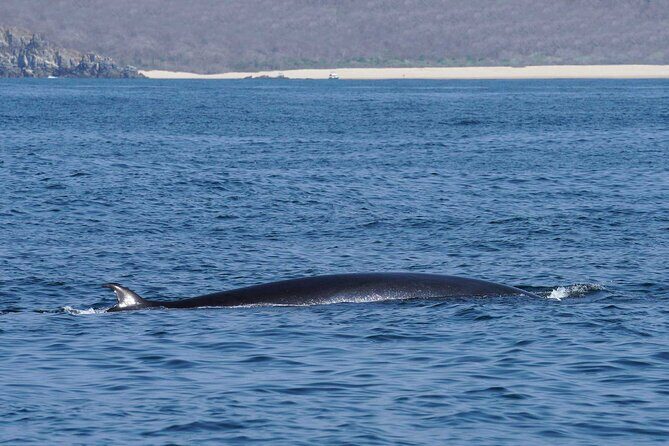
This is a species-focused outing, so plan around a mix of whales, dolphins, and sea turtles. Humpback whales are the headline in Dec–Mar, but sightings aren’t limited to one season or one animal.
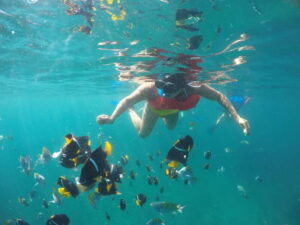
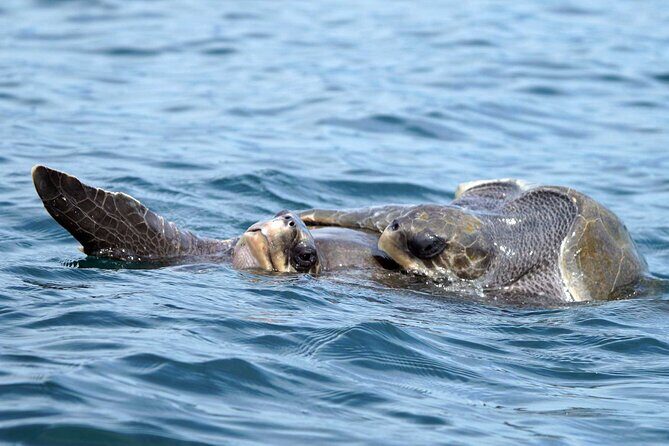
Sea turtles are a major part of the experience. Olive Ridley turtles are specifically tied to Huatulco, and you may see lots of them in the right areas. You can also encounter other marine life at the surface, like manta rays or mobula rays, and the tour often includes time to observe turtles as they surface and move through the water.
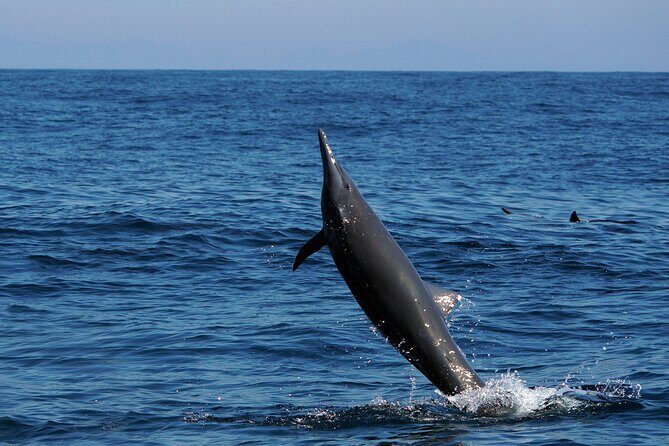
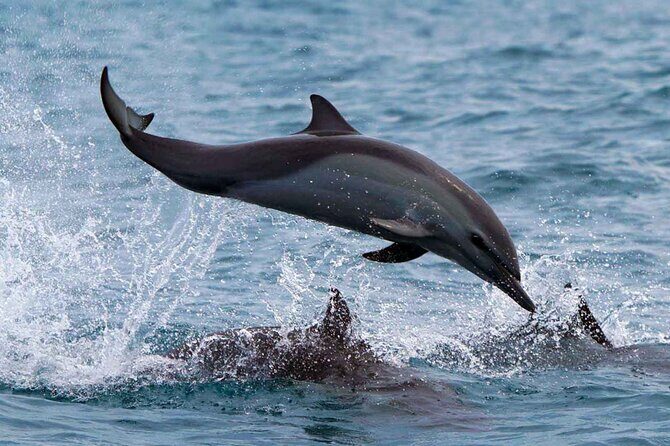
Dolphins tend to be common. You can experience single pods or larger groups depending on the day, and the hydrophone can make communication moments especially memorable. If you’re hoping for a whale moment, keep your eyes open at every turn and give the guide your full attention during scanning time—you’ll get more out of it than by checking your screen the whole ride.
One balanced note: some days don’t bring whales. The tour’s value isn’t only in hitting a particular species, though that’s the dream. The real win is the combination of respectful viewing, marine biology explanations, and learning how to read whale and dolphin behavior in real time.
Boat Comfort, Safety Gear, and What to Wear in Real Huatulco Weather
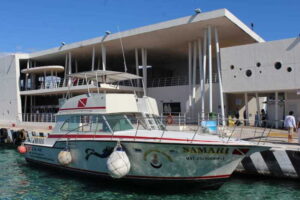
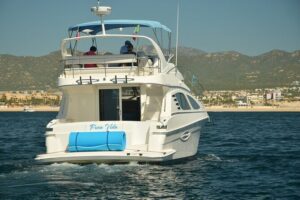
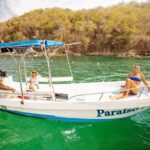
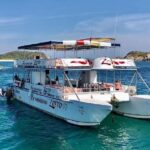
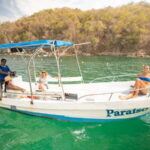
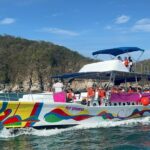
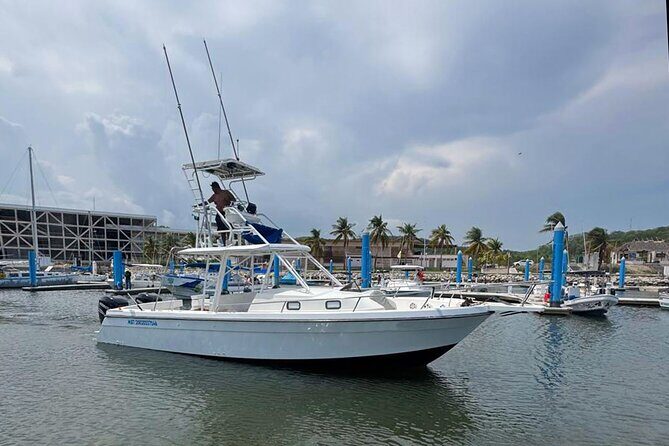
This is where I’d plan like a local. The boat is small, and even though there’s a canvas roof over the entire boat, sun can still be a factor. On bright, warm mornings, you’ll want a hat, sunglasses, and reef-friendly sunscreen. Bring bottled water too—the tour includes bottled water, but don’t assume you’ll drink nothing else for the rest of the day.
You’ll also want to dress for motion and sun. The ocean can have swells, and the ride can feel bouncy. The good news is that the pilot’s job is to handle those conditions, and in the field reports you can find praise for smooth handling even when the sea state isn’t calm.
Safety gear is included: lifejackets are available for children from age 3 up to adults 130kg. If you’re above that weight limit, this tour may not work for you, so check carefully before booking. Most people can participate, and there’s a maximum of 14 travelers, which helps avoid crowding on a smaller vessel.
If you’re sensitive to motion, I’d pack the basics like you would for any boat trip. Keep your plans flexible for the rest of the day, and treat it as an active tour, not a sit-and-watch one.
Price and Value: Is $59.74 a Smart Deal Here?
At $59.74 per person, this is priced like a short, high-impact wildlife experience. The value comes from what’s included versus what you’re likely to pay separately.
What’s included:
- Marine biologist-led wildlife viewing and Q&A
- Hydrophone experience
- Bottled water
- Lifejackets
What you should budget separately:
- National Park entrance fee: 65 pesos cash per person
- Marina fee: 10 pesos cash per person
So you’re not paying just for a boat ride. You’re paying for guided interpretation, a listening component (hydrophone), and a small group setup with a search strategy built on spotters.
If whales are your goal, the peak-season odds are especially meaningful. In Dec–Mar, humpbacks are reported on about 90% of tours, which makes the price feel more like a targeted whale outing than a gamble.
If you’re coming for sea turtles and dolphins, you still get strong value because those sightings can happen even when whales don’t. And the education piece helps you enjoy every animal you do spot instead of feeling like you only got half the story.
When to Book and Who This Tour Suits Best
This tour makes the most sense for people who want wildlife viewing with context. If you enjoy conservation, photography, or simply learning how animals live, you’ll get extra satisfaction from the marine biologist explanations and the chance to ask questions.
It’s also a good choice if you dislike crowds. With a max group size of 14, you’ll have space to reposition for better views and you won’t feel packed in like some larger tours.
Plan around these constraints:
- Minimum age is 3 years old
- Lifejackets cover up to 130kg
- It requires good weather, since it’s out on the water
If you’re traveling with kids, this is one of the easier ways to make marine life feel real. If you’re a first-time whale watcher, the briefing and hydrophone give you instant hooks for understanding what you’re seeing.
And if you’re a data person or a photo person, I’d lean into the Q&A. Asking questions about behavior or sound can help you time your camera better and avoid missing the key surface moments.
Should You Book This Dolphin and Whale Watching Tour?
Book it if you want a respects-wildlife experience with real marine biology, not just a “look quick” cruise. I think it’s especially worth it in Dec–Mar if humpbacks are on your list, because the season offers strong odds and the tour is built to find animals rather than hope.
Skip it or reconsider if:
- You get seasick easily and haven’t planned for boat motion
- You’re over 130kg (lifejacket coverage is up to that limit)
- Your schedule is fixed enough that weather cancellations would be a problem for you
If you do book, do yourself a favor: bring cash for the park and marina fees, wear sun protection you actually trust, and come ready to ask questions. This kind of tour rewards attention.
FAQ
How long is the dolphin and whale watching tour?
It lasts about 2 hours 30 minutes (approx.).
What time does the tour start?
The start time is 8:00am.
What’s included in the price, and what fees cost extra?
Bottled water is included. You’ll need cash for the Huatulco National Park fee (65 pesos per person) and the Chahué Marina fee (10 pesos per person).
What wildlife might I see?
The tour focuses on whales, dolphins, and sea turtles. Humpback whales are reported on about 90% of tours from December through March.
Is the tour offered in English?
Yes. The tour is offered in English.
Do you provide lifejackets?
Yes. Lifejackets are available for children from age 3 up to adults 130kg.
What are the age and weight limits?
Minimum age is 3 years old. People over 130kg are not indicated as able to participate.
What happens if weather is bad?
This experience requires good weather. If it’s canceled due to poor weather, you’ll be offered a different date or a full refund.
Is there a cancellation policy if I change my mind?
The experience is non-refundable and cannot be changed for any reason. If you cancel or request an amendment, the amount you paid will not be refunded.