REVIEW · STINGRAY BEACH COZUMEL
Cozumel: Snorkel and Swim with Stingrays
Book on GetYourGuide →Operated by Stingray Beach · Bookable on GetYourGuide
Stingrays turn a cruise stop into something special. This Cozumel stingray swim is built around real face-to-face time in waist-deep water—then a second snorkel session with rays and lots of colorful fish, all wrapped in a beach-club setting.
I especially like the two-part format: you feed and interact with the stingrays first, then you snorkel in deeper water for a different perspective. The icing on the cake is the coral reef installation showing 800 rescued coral, so you’re not only looking at animals—you’re also seeing conservation at work.
One consideration: the experience can feel pricey, and the add-on photo package is not cheap. In one case, pictures were $70 for 25 photos (3 poses), which is the kind of surprise you’ll want to plan for ahead of time.
In This Review
- Key highlights worth showing up for
- Stingray Beach Cozumel: convenient location and what you’re walking into
- The 2-hour plan: safety briefing, water time, and why the pacing works
- What’s included (and what you must bring) so you don’t get stuck
- Sunscreen rule (this one actually matters)
- What to bring
- Meet the stingrays at Stingray Beach: feeding, gentle contact, and timing
- Practical comfort tips
- The break and beach-club time: what you can do with 45 minutes of reset
- Snorkeling in deeper water: colorful fish, rays, and possibly nurse sharks
- How to get the most out of your snorkel time
- The coral reef installation with 800 rescued corals: the conservation layer you’ll remember
- Price and value: is $58 per person a smart spend?
- Who should book this Cozumel stingray and snorkel experience?
- Should you book? My straight answer
- FAQ
- How long is the stingray and snorkel experience?
- Where do I meet for Stingray Beach Cozumel?
- What gear is included?
- What should I bring with me?
- Is sunscreen allowed?
- Is food or drinks included?
- Do I get shower facilities?
- What languages are the guides?
- Who isn’t this experience suitable for?
Key highlights worth showing up for
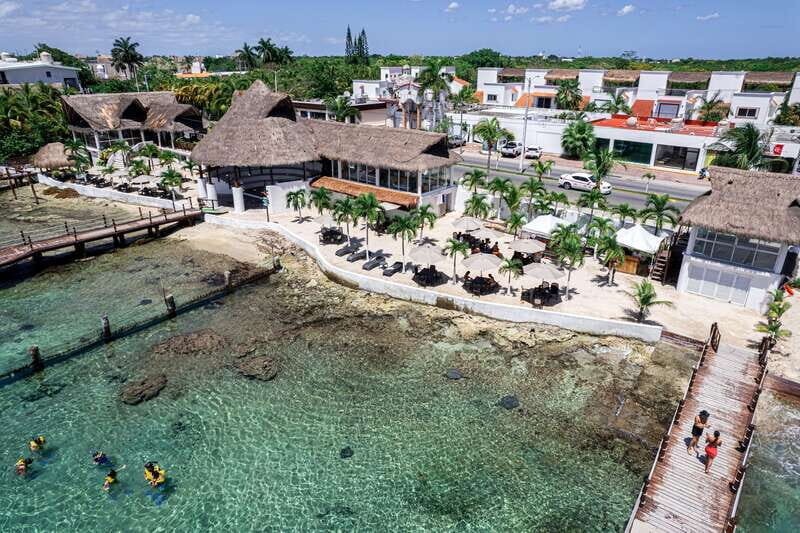
- Waist-deep stingray feeding: 30 minutes of close, gentle interaction in the enclosure
- Two water sessions, not one: a 15-minute break helps you reset before snorkeling
- Snorkel gear included: mask, fins, and a life vest so you’re not scrambling for rentals
- Rescued coral installation (800 pieces): see the reef project tied to the experience
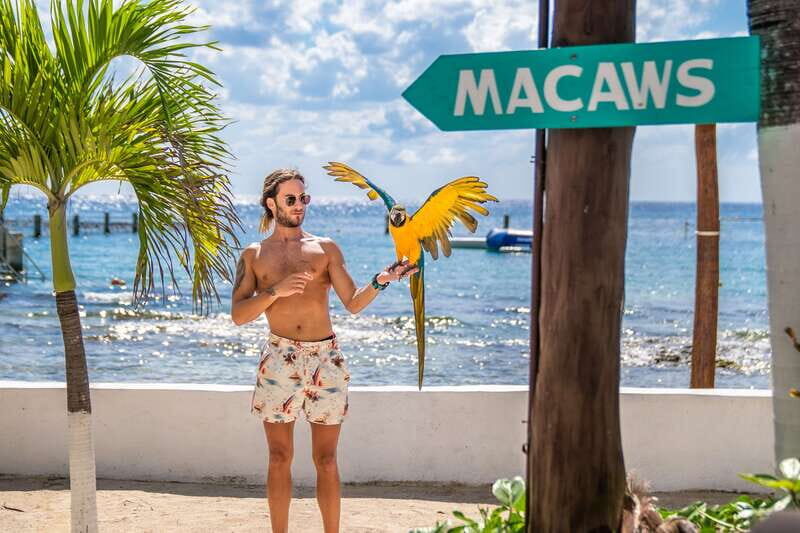
- Beach club extras: macaws, a green iguana, hermit crab, and a water trampoline for kids
Stingray Beach Cozumel: convenient location and what you’re walking into
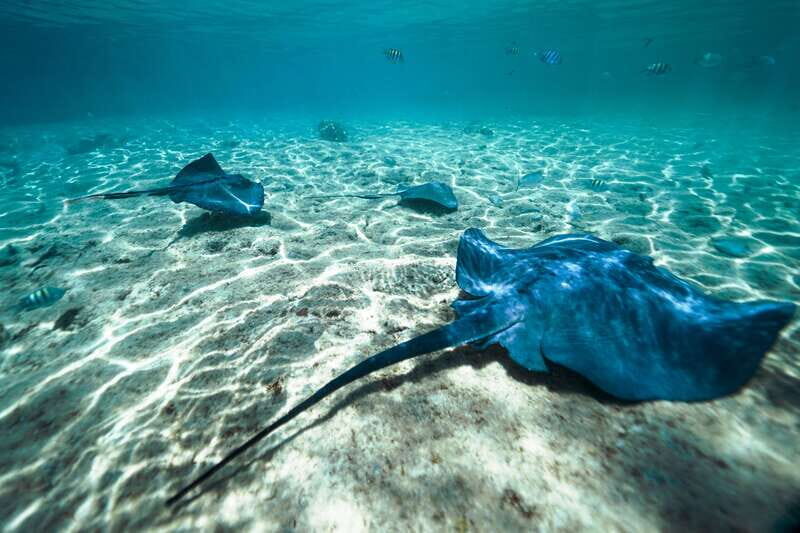
Stingray Beach Cozumel is set up to run smoothly, especially for short port days. It’s about a 10-minute taxi ride from the cruise piers and downtown, and it sits next to the Blue Angel Hotel. That matters because a lot of Cozumel “animal experiences” eat up time with long pickups and long drives. Here, you’re close to where you’ll already be off the ship.
You’ll meet at Stingray Beach Cozumel (Km. 2.8, Av. Rafael E. Melgar S/N, Centro, 77600 San Miguel de Cozumel, Q.R., Mexico). Plan to arrive about 15 minutes early. That gives you time to check in, get your bearings, and start with a calmer vibe.
The 2-hour plan: safety briefing, water time, and why the pacing works
This is a tight, well-paced 2 hours. You’re not signing up for an all-day expedition, so the schedule is designed to give you real time in the water without burning the whole day.
Here’s how it typically flows:
- Safety briefing (~15 minutes) before you enter the enclosure
- Stingray interaction/swimming (~30 minutes) in waist-deep water
- Break (~15 minutes) so you can dry off, catch your breath, and regroup
- Snorkeling (~30 minutes) in deeper water with stingrays and fish
- Beach club time (~30 minutes) plus the chance to see the coral installation and check the photo/souvenir shop
That pacing is one of the best parts for most people. You get a first “wow” moment fast, then you switch to snorkeling after a reset. If you’re worried about how long you can stay focused, this format is easier than longer tours that turn into a long waiting game.
What’s included (and what you must bring) so you don’t get stuck
You’ll be provided with the core gear:
- Snorkel mask, fins, and life vest
- Water shoes
- A sealed bag for personal items
- Shower facilities
- A live guide (English and Spanish)
Not included is also important:
- Food and drinks
- Towels
- Lockers
- Transportation
So bring a towel, and plan for drinks on your own (or buy once you’re on-site). Since lockers aren’t included, it’s smart to pack valuables you don’t want to handle constantly and keep only what you truly need within reach.
Sunscreen rule (this one actually matters)
Sunscreen isn’t allowed. That’s usually for reef and water-quality reasons, and it should shape your clothing choices. If you burn easily, consider bringing a rash guard and a hat/cover-up you can wear over your swimwear. You’ll still want sun protection, just not the kind the water team can’t use.
What to bring
You’ll want:
- Swimwear
- Towel
- Credit card + cash (handy for photos and souvenirs)
Meet the stingrays at Stingray Beach: feeding, gentle contact, and timing
The stingray part happens in waist-deep water, for about 30 minutes. Before you go in, you get a safety briefing. That sets expectations and helps everyone avoid stepping where they shouldn’t. You’ll then move into the enclosure and experience the interaction firsthand.
What makes this section special is the closeness. You’re not just hovering above the water. You’re in the right height for rays to glide near you, softly touch your legs, and respond to feeding. You also get a real sense of how calm the rays are when staff are guiding the flow.
In one guide-highlighted experience, Pedro was mentioned as making the whole session feel easy and fun—watching you, keeping things safe, and helping ensure you get the most out of your time in the water. If you want a smooth, confidence-building first encounter, a guided setup like this is a big advantage.
Practical comfort tips
- Wear swimwear you’re okay getting sandy/wet around the edges.
- Keep your legs relaxed during interaction. It helps things feel less awkward and more natural.
- Do your best to stay present during the feeding moment—this is the part that tends to feel the most different from “just snorkeling.”
The break and beach-club time: what you can do with 45 minutes of reset

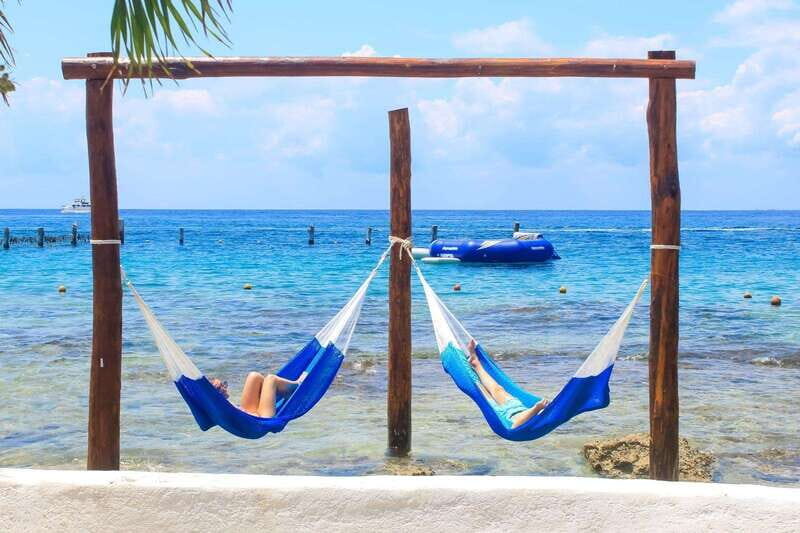
After the first water session, there’s a 15-minute break. It’s short, but it’s the right kind of break: enough time to regroup before snorkeling without letting the whole day stall.
Then you’ll get more on-site time later, around 30 minutes at the beach club. This is where the experience becomes more than an underwater activity. You can browse the photo and souvenir shop, then take a slower look around.
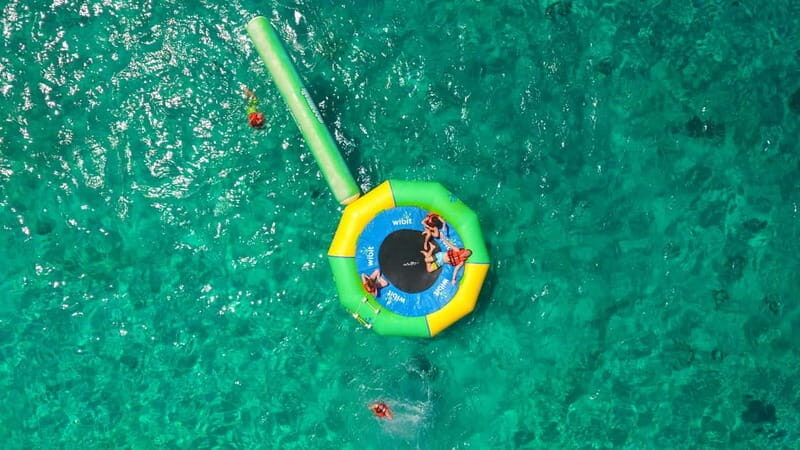
If you’re traveling with kids, there’s a water trampoline plus animal sightings like macaws and a green iguana. You might also spot a hermit crab. These are not the main reason to book, but they help make the stop feel like a full visit rather than a quick “show and leave.”
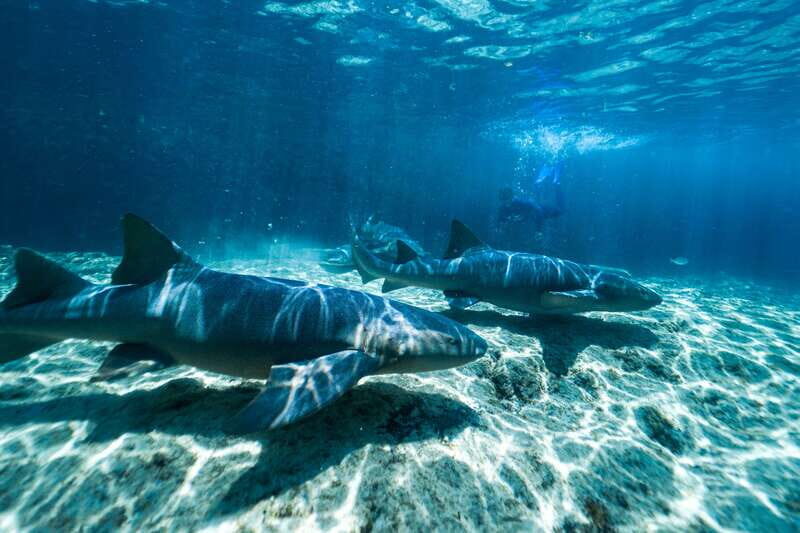
Snorkeling in deeper water: colorful fish, rays, and possibly nurse sharks
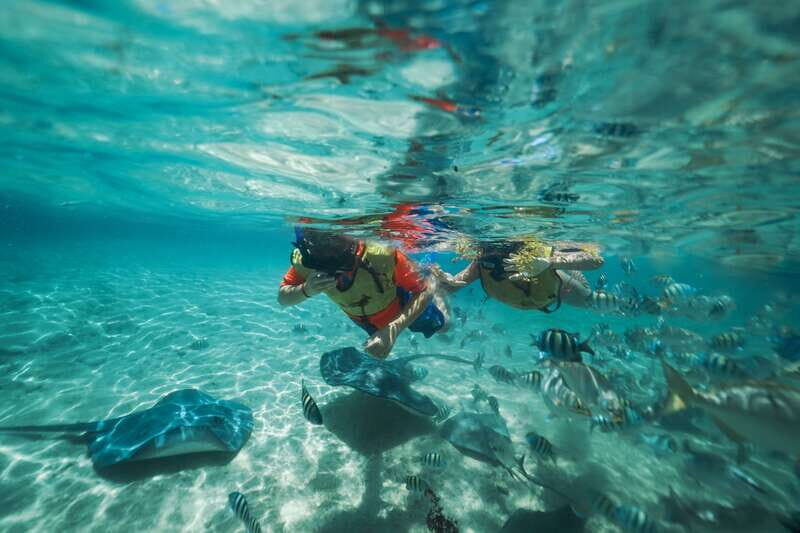
After the break, you switch to snorkeling. You’ll put on the snorkel mask, fins, and life vest and head into deeper-enough water inside the enclosure for about 30 minutes.
This is where the experience shifts. In waist-deep water, you’re meeting the rays face-to-face. In snorkeling mode, you’re watching a scene move around you—stingrays and colorful fish at the same time.
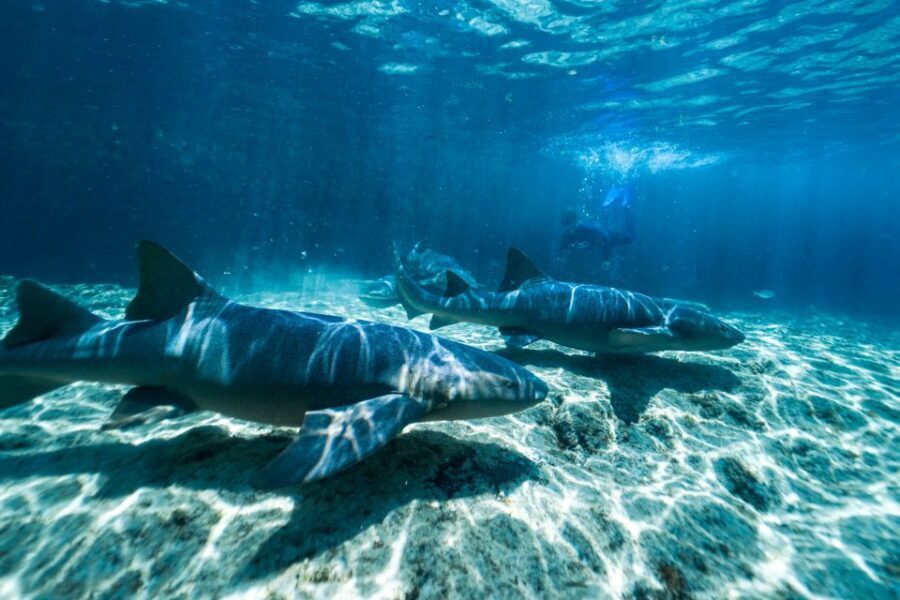
Two reviews specifically mention nurse sharks showing up during the snorkeling portion. That’s not spelled out in the general activity description, so I’d treat it as a possibility rather than a guarantee. But if you’re the type who loves the “bonus animal” moment, it’s worth knowing that some sessions have included them.
How to get the most out of your snorkel time
- Keep your breathing steady so you don’t rush and miss what’s around you.
- Stay calm and let the rays move. The experience works best when you’re not forcing closeness.
- If you’re new to snorkeling, focus on simple things: clear your mask, maintain a relaxed kick, and watch where fish gather.
The coral reef installation with 800 rescued corals: the conservation layer you’ll remember
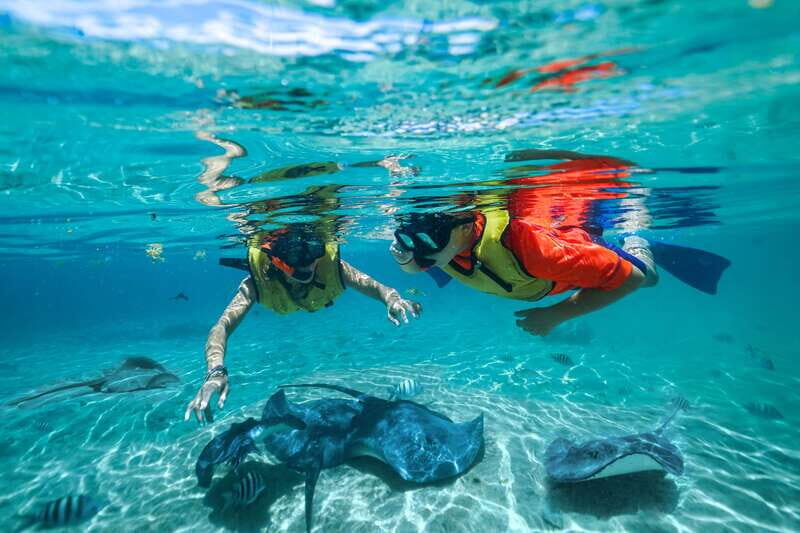
The 800 rescued coral reef installation is one of those details that changes how you feel about the experience. Instead of being purely about human-animal interaction, it gives you a visible conservation storyline tied to the water you’re enjoying.
Even if you’re not an expert on coral, it’s straightforward to understand the message: these are rescued corals, and you’re seeing the project as part of your visit. For a lot of people, that adds meaning, especially if you’re trying to balance a fun day with some environmental awareness.
One practical note: if your interest is mostly in reefs and you’re hoping for a long, open-water reef snorkel, this setup may feel shorter than you want. But if you want a meaningful conservation touch without a full-day commitment, the coral installation is a strong reason to choose this stop.
Price and value: is $58 per person a smart spend?
At $58 per person for about 2 hours, this isn’t a “cheap add-on.” The cost is doing a few jobs at once: staff time, included gear, the guided stingray encounter, the snorkel session, and the on-site facilities.
So the value comes down to what you care about most:
- If you want real interaction with stingrays and not just a distant view, this is priced like a hands-on experience—and it delivers that.
- If you mainly want reef snorkeling, you might feel the time is limited compared to longer trips, and you’ll be paying for the stingray encounter piece.
The biggest value warning isn’t the base ticket—it’s the likely surprise factor of photos. One booking described photo pricing that felt steep, which can quickly turn the total cost into something bigger than expected. If photos matter to you, set a budget before you see the options.
Who should book this Cozumel stingray and snorkel experience?
This tour fits best if you want:
- A short, guided, high-impact water experience during a port day
- A friendly introduction to stingray interaction with safety briefing + included gear
- A mix of underwater time and on-land beach-club activities
It’s not the right choice if you’re dealing with:
- Children under 4
- Pregnant women
- People with back problems
- People with respiratory issues
Those restrictions matter because the activity involves entering water, wearing a vest, and spending sustained time in and out of the enclosure environment.
Should you book? My straight answer
If you’re choosing between a generic beach stop and a structured animal-and-snorkel experience, I’d book this. It’s close to cruise piers, it includes what you need, and the two-part water schedule keeps it from feeling one-note. The coral installation with 800 rescued corals gives the experience extra meaning beyond the photo moment.
But book with eyes open:
- Bring your towel and plan for no sunscreen
- Decide ahead of time how much you’re willing to spend on photos, because that’s the part that can nudge your budget.
If you want a memorable stingray encounter plus an easy on-site hang in Cozumel, this one makes sense.
FAQ
How long is the stingray and snorkel experience?
The activity is about 2 hours total.
Where do I meet for Stingray Beach Cozumel?
You meet at Stingray Beach Cozumel: Km. 2.8, Av. Rafael E. Melgar S/N, Centro, 77600 San Miguel de Cozumel, Q.R., Mexico. Arrive 15 minutes early.
What gear is included?
The tour includes a snorkel mask, fins, and a life vest, plus water shoes. You also get a sealed bag for personal items.
What should I bring with me?
Bring swimwear and a towel. You should also bring cash and/or a credit card. Shower facilities are available, but towels aren’t included.
Is sunscreen allowed?
No. Sunscreen isn’t allowed for this activity.
Is food or drinks included?
No. Food and drinks are not included.
Do I get shower facilities?
Yes, access to shower facilities is included.
What languages are the guides?
The live guide provides English and Spanish.
Who isn’t this experience suitable for?
It isn’t suitable for children under 4, pregnant women, people with back problems, or people with respiratory issues.