REVIEW · BUCERIAS
Bucerias Cultural Day Tour: Local Artisans, Handcrafts and Mexican Lunch
Book on Viator →Operated by Human Connections · Bookable on Viator
A morning of family-made craft beats any postcard. This half-day Bucerías cultural day tour takes you into local homes and workshops, with translation and real trade stories. You’ll also share a home-style Mexican meal with the community that’s keeping these crafts alive.
What I like most is the way the day is built around three artisan families rather than a quick stop-and-snap routine. I also love the hands-on part, where you can try trades like weaving or painting instead of just watching.
One thing to plan for: there’s no hotel pickup, and you’ll meet at Café de Bucerías. If you’re not sure you can find it easily, leave a little extra time.
In This Review
- Quick take: what makes this Bucerías tour worth your morning
- Why this Bucerías cultural day tour feels real
- Price and what you’re really paying for ($100)
- The flow of the day: timing, group size, and what to expect
- Meeting at Café de Bucerías: logistics you should not skip
- Stop-by-stop: the artisan homes, workshops, and trade stories
- Stop 1: Two artisan families in their work spaces
- Stop 2: Workshop time with a hands-on try
- Stop 3: Lunch with the third family
- Hands-on weaving and painting: what you should bring to it
- Lunch: the Mexican meal part that actually teaches you something
- Guides and translation: how the Human Connections approach works
- Who this tour suits best (and who should think twice)
- What to do before you go: simple prep that pays off
- Should you book this Bucerías Cultural Day Tour?
- FAQ
- How long is the Bucerías Cultural Day Tour?
- Where is the meeting point?
- Does the tour include hotel pickup and drop-off?
- Is the tour offered in English?
- What’s included in the price?
- Do I need to print a ticket?
- What if the tour doesn’t meet the minimum group size?
Quick take: what makes this Bucerías tour worth your morning
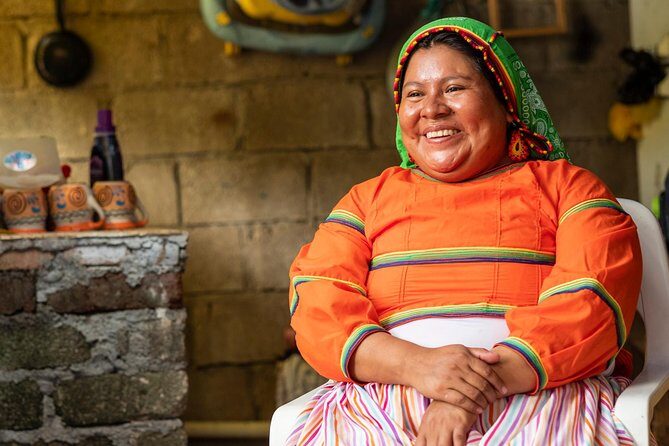
- Three-family visits with fair support that stays local
- English with Spanish translation, so you can actually follow the stories
- Hands-on workshop time (weaving and painting are common examples)
- A full Mexican lunch made by a family you meet
- Small group size (max 13), with a min of 3 to run
Why this Bucerías cultural day tour feels real
If you’ve ever wandered through a market in Bucerías, you know the craft displays can look polished—but the people behind them are often missing from the story. This tour puts the people first. You meet families in their work spaces and living spaces, and you hear how they learned their trades, how they sell, and what it takes to keep a small business going.
What surprised me is the balance: you get enough context to understand the work, but you also get time to talk like a normal person. The guide’s translation matters here. It’s not just words. It’s how the families explain the day-to-day reality of their craft.
On top of that, the tour fees are described as being funneled back into Bucerías through the organizing group. That doesn’t mean you should treat it like a charity box. It does mean your dollars support livelihoods, not just an activity schedule.
You can also read our reviews of more tours and experiences in Bucerias.



Price and what you’re really paying for ($100)
At $100 per person for about 5 hours, this isn’t a budget “quick tour.” But it also isn’t just entry tickets and a bus ride. You’re paying for a bundle of practical stuff:
- Visits with three families, including fair payments
- Transportation during the tour
- Guiding plus interpretation (Spanish to English, and vice versa)
- An interactive workshop
- A full Mexican lunch
The value is strongest if you care about the “how” and “why” behind crafts. If your goal is photos and shopping only, you can probably find cheaper ways to fill a half-day. If your goal is understanding local work and leaving with something tangible (often from the workshop), this price starts to make sense.
The flow of the day: timing, group size, and what to expect
This starts at 9:00 am and ends back at the meeting point. Plan for roughly 4.5 to 5 hours total, including lunch and workshop time.
The group stays small: up to 13 people. That size helps you ask questions, hear answers, and actually interact with artisans instead of moving like a crowd. It also tends to make the translation easier and more personal.
It’s also run as a private tour with a minimum number of participants (minimum 3). If there aren’t enough people booked, you’ll be contacted about rescheduling or refunding. That’s not unusual for small local tours, but it’s smart to keep it in mind.
One more practical note: you get a mobile ticket, so you don’t need to print anything the day of the tour. And they recommend checking your email at least 24 hours before for final info.
Meeting at Café de Bucerías: logistics you should not skip
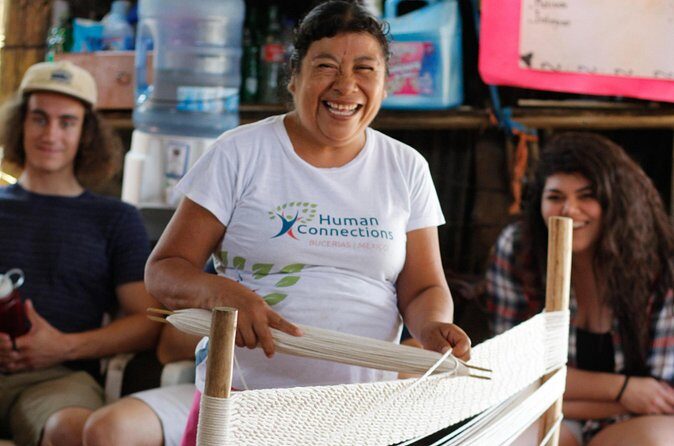
The meeting point is Café de Bucerías Benito Juárez, Francisco I. Madero 9, 63732 Bucerías, Nay., Mexico.
Two things to take seriously here:
- No hotel pickup or drop-off is included. You’ll need your own way to get there (walking, taxi, or local transport).
- The office area can be a bit tricky for first-timers, so don’t schedule a tight transfer from your hotel.
If you’re staying in Bucerías, you’ll likely be fine with a short taxi ride. If you’re coming from farther down the coast, give yourself extra buffer.
Good news: the start is near public transportation, so you’re not completely stuck if you misjudge timing.
Stop-by-stop: the artisan homes, workshops, and trade stories
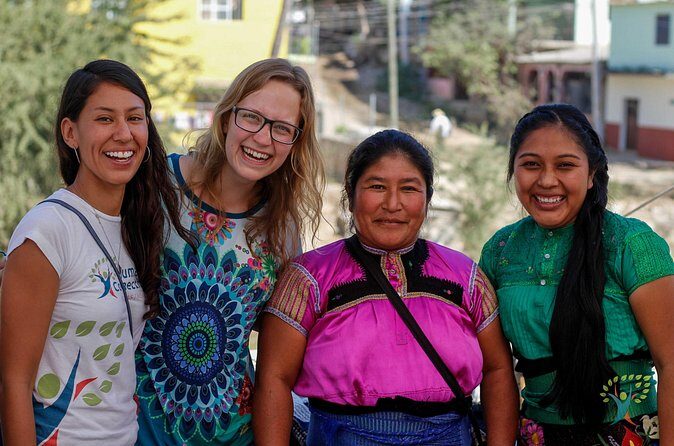
The day is structured around meeting families in places where they actually work. You start by moving through tucked-away neighborhoods to visit two families first, typically in homes and workshops.


Stop 1: Two artisan families in their work spaces
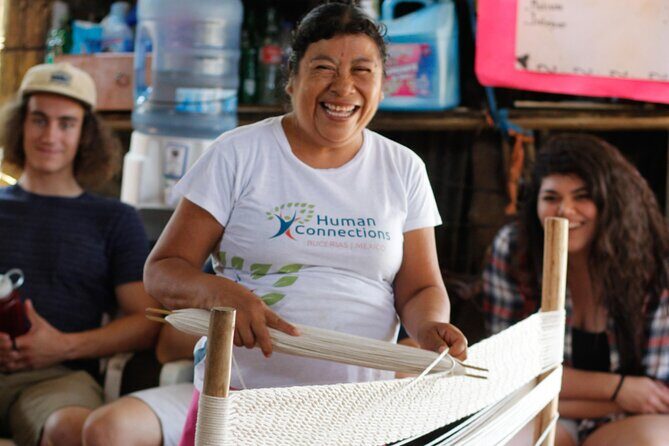
This part is where the tour earns its keep. Instead of a showroom, you get real working environments—tools out, materials on hand, and families explaining what they make and why it matters.
Depending on the day and the artisan set you’re assigned, you might meet craftspeople such as:
- a beadwork artist (one guide-led visit highlights beadwork and the family-shop side of the business)
- a wood worker
- someone making hammocks
- a welder working with metal craft
You’ll also get the chance to ask questions through translation. The best moments tend to be when you move from what they make to how they learned it, how they price it, and how family life and the craft mix together.
Stop 2: Workshop time with a hands-on try
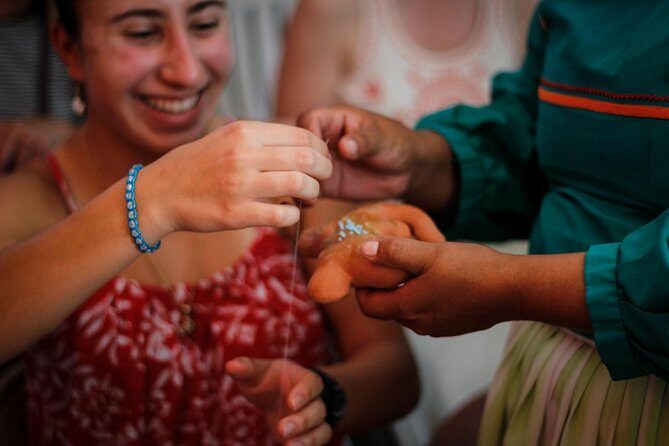
After the home visits, you shift from watching to doing. The tour includes an interactive workshop, and the trades mentioned include painting and weaving. Even if you only scratch the surface, this is the part where the day stops being abstract.
Stop 3: Lunch with the third family
The last family provides lunch, usually in a family home or a small local eatery. You’ll sit down to a traditional Mexican meal that’s part of local daily life, not a staged tourist plate.
From what’s described, you should expect things like fresh salsa and classic lunch dishes such as tacos. One specific highlight shared is fish tacos paired with salsa made right in front of people. If you’re the type who thinks about food as culture (not just calories), this meal is often the moment you remember most.
Hands-on weaving and painting: what you should bring to it
The workshop is interactive, but that doesn’t mean you need to be artistic. You’re there to try, learn basic steps, and walk away with a better sense of the skill involved.
The tour recommends practical items:
- comfortable shoes (you’ll be walking and moving between home/work areas)
- a hat (morning sun can be real)
- a bottle of water (they recommend bringing your own)
They also say they minimize plastic waste, so they do not provide bottled water. Bring water, and consider refilling if you can.
What to expect skill-wise: you’ll likely start with a simple introduction, then do a small practice piece. In at least one highlighted example, visitors did beadwork and kept what they made. Not every session has the same take-home item, but the workshop is meant to be hands-on enough that you leave with more than photos.
Lunch: the Mexican meal part that actually teaches you something
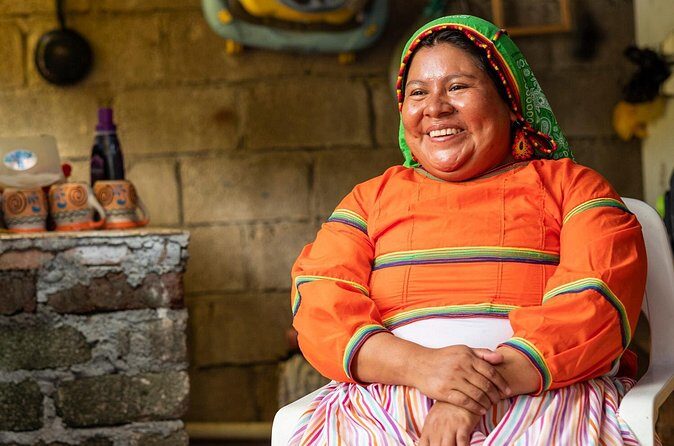
A lot of tours treat lunch like a break. Here, lunch feels like a continuation of the craft story.
You’re eating with a family you met earlier in the day, which changes the vibe. The food doesn’t arrive as a generic menu item. Instead, it’s connected to the people behind it—how they cook, what they serve, and what they consider normal.
A big reason this matters: when a family makes lunch, the meal carries local habits. Even small details like salsa taste, tortilla freshness, or how dishes are assembled become information you can’t get from a printed description.
If you’re picky about food, tell your guide in advance. The tour asks you to advise at booking if anyone in your group has dietary restrictions.
Guides and translation: how the Human Connections approach works
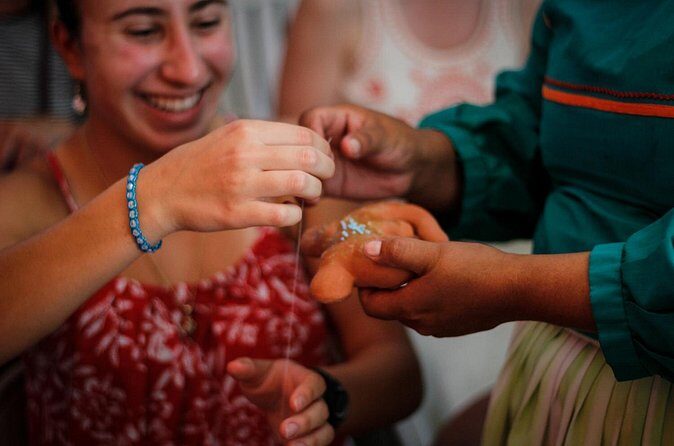
The tour is run by Human Connections, and the guide does the interpretation. That translation is a core part of the experience, not a bonus.
People you might see credited in this role include Maya and Mauricio. Different guides bring different styles, but the common thread is clear: the guide helps you connect with families, and the families get the chance to explain their own lives.
This is where the day becomes more than craft shopping. You’re hearing about:
- livelihoods and daily work rhythm
- how crafts connect to identity and family knowledge
- how small businesses operate in and around Bucerías
And because you can follow the conversation, you’re less likely to miss the points that matter.
Who this tour suits best (and who should think twice)
This is a strong fit if you:
- want to meet local artisans in real settings
- care about small business life and how crafts are made
- like food that’s tied to everyday local cooking
- enjoy conversations and don’t mind a bit of back-and-forth translation
It may be less ideal if you:
- prefer strictly sightseeing from the sidewalk with minimal walking between stops
- only want a high-energy, bus-to-bus day (this is slower and more personal)
- are hoping for a quick shopping tour where you can browse everything without interaction
Also, because there’s no hotel pickup, your comfort with getting to the meeting point matters. If you hate logistics, plan your route early.
What to do before you go: simple prep that pays off
You don’t need special skills, but you do want to show up ready.
Here’s my practical checklist:
- Wear comfortable shoes you can walk in for a few hours
- Bring a hat for sun
- Bring water since they don’t provide bottled water
- Think about one or two questions you genuinely want answered (where did they learn, what’s hard about selling, what do they make most days?)
- If you have dietary restrictions, say so at booking
- Give yourself extra time to find Café de Bucerías at 9:00 am
If you take anything away from this tour, make it this: ask about the work process. That’s where the stories get real.
Should you book this Bucerías Cultural Day Tour?
I’d book it if you want a half-day that feels human and specific. The biggest wins are three-family visits with fair payments, English translation that lets you actually talk, and a home-style lunch that’s part of the day’s story.
Skip it only if you’d rather spend your time on a bigger, less personal itinerary, or if getting to the meeting point without pickup is a deal-breaker for you. Otherwise, this is one of the most straightforward ways to understand what Bucerías craft life looks like up close—without turning it into a performance.
FAQ
How long is the Bucerías Cultural Day Tour?
It’s about 5 hours total, with a typical duration listed around 4.5 hours.
Where is the meeting point?
You meet at Café de Bucerías Benito Juárez, Francisco I. Madero 9, 63732 Bucerías, Nay., Mexico. The tour ends back at the same meeting point.
Does the tour include hotel pickup and drop-off?
No. Hotel pickup and drop-off are not included.
Is the tour offered in English?
Yes. The tour includes guide interpretation, offered in English, with translation from Spanish to English and vice versa.
What’s included in the price?
Visits and fair payments to three local families, transportation during the tour, guide and interpretation, an interactive workshop, and a full Mexican meal.
Do I need to print a ticket?
No. It uses a mobile ticket, and you don’t need to print anything for the day of the tour.
What if the tour doesn’t meet the minimum group size?
The tour runs with a minimum number of travelers (listed as 3). If it doesn’t meet the minimum, they’ll contact you to reschedule or refund your tour.