REVIEW · PUERTO ESCONDIDO
Baby Sea turtles release in Puerto Escondido
Book on GetYourGuide →Operated by Experiencias Nativas Puerto Escondido (Tour guide - certified) · Bookable on GetYourGuide
Turtle night work is oddly heartwarming. On Palmarito Beach near Puerto Escondido, you’ll learn how baby sea turtles are protected—then watch hatchlings head to the sea at sunset. The focus is marine conservation with a controlled incubation camp and real-life life-cycle education, not just a quick photo stop.
I really like the way the experience is taught. You get a guided explanation of three turtle types—Olive Ridley, Green/black turtle, and Leatherback—with interpretation in English and Spanish.
One consideration: while the tour is listed as bilingual and nature-guided, a small number of past bookings reported language mismatch and that the overall time on-site felt shorter than expected. I’d plan to confirm what language you’ll receive when you book, especially if English is important for you.
In This Review
- Key highlights to know before you go
- Palmarito Beach and the conservation mission you’re actually supporting
- The 16:00 pick-up and sunset timing (why it starts early)
- Inside the incubation camp: what you’ll learn about Olive Ridley, Green/black, and Leatherback
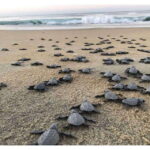
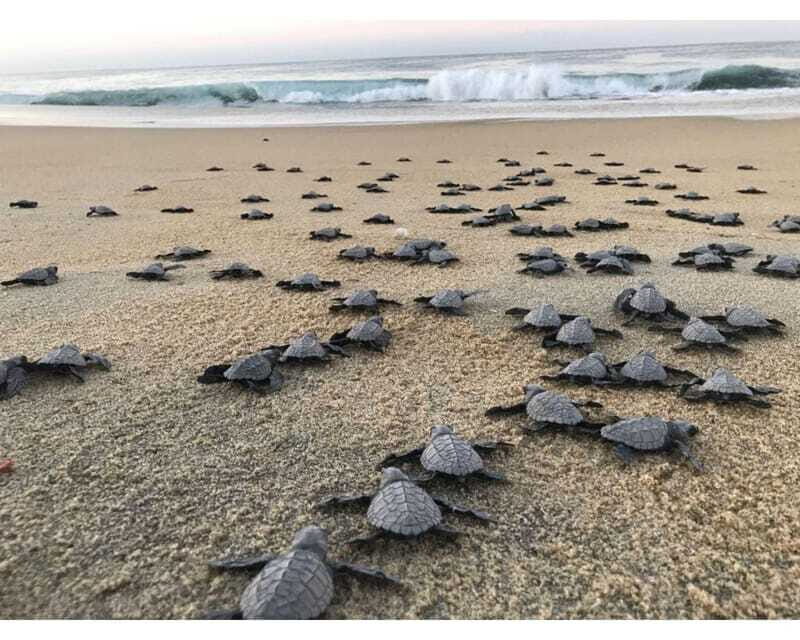
- The hatchling encounter: seeing them about 1 hour old
- Walking the beach and wildlife viewing: what the 1.5 hours is for
- Price and value: is $51 per person worth it?
- Transportation and drop-offs: convenient, but plan for timing
- What to bring (and the small things that matter on the sand)
- Who this sea turtle release tour is for (and who should skip it)
- The guide experience: bilingual interpretation and certified nature guidance
- Should you book the baby sea turtle release in Puerto Escondido?
- FAQ
- What time does the tour start?
- How long is the experience?
- Where does the tour take place?
- Which sea turtle species are part of the program?
- Are there guides in English and Spanish?
- What’s included in the price?
- What should I bring?
- Is the tour wheelchair accessible or suitable for very elderly visitors?
Key highlights to know before you go
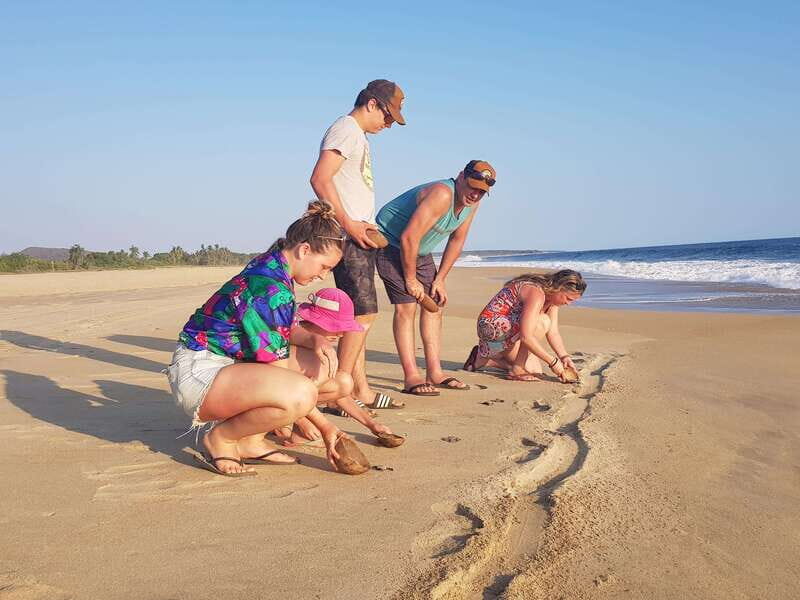
- Bilingual interpretation (English and Spanish) with certified nature tour guides
- Three sea turtle species covered through a real conservation incubation camp
- You’ll see hatchlings around 1 hour old, then release them at sunset
- Palmarito Beach experience includes about 1.5 hours on the ground for guided viewing and walking
- Round-trip transportation from multiple Puerto Escondido pickup points plus bottled water
- Bring cash and beachwear since those are specifically requested
Palmarito Beach and the conservation mission you’re actually supporting
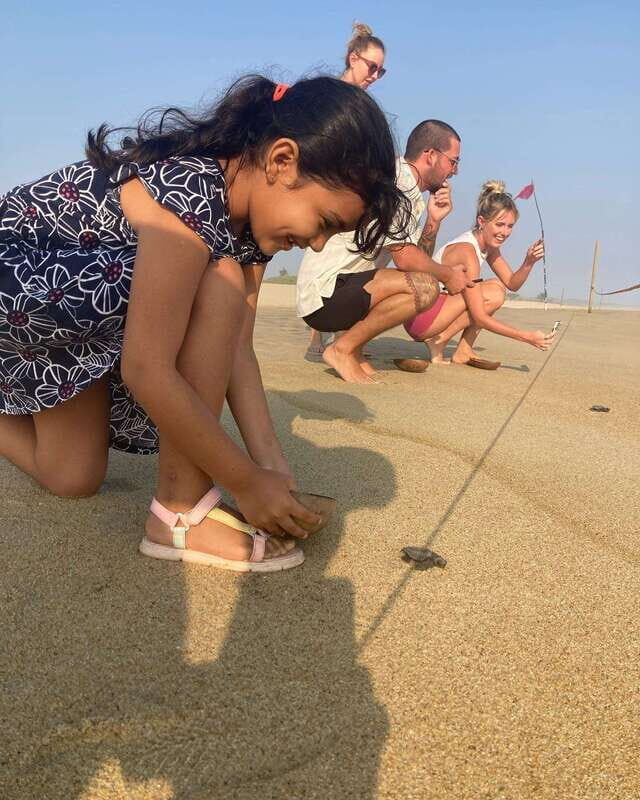
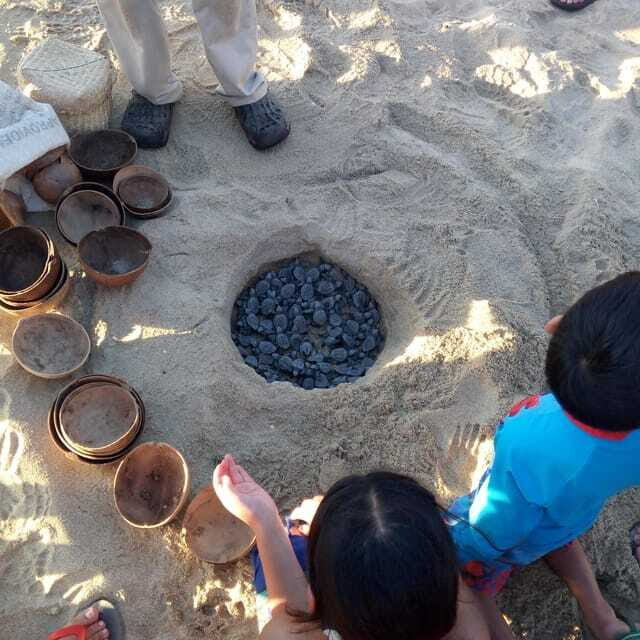
This tour happens on the Pacific coast in Oaxaca, at Palmarito Beach—about 20 minutes from Puerto Escondido. That short transfer matters because you’re not spending half your evening stuck in traffic. You’re getting to a place that’s set up specifically for sea turtle conservation, with an incubation camp controlled by a team of conservationists.
What makes this experience feel more meaningful is the structure: you’re not just observing turtles as wildlife, you’re learning how the program supports the earliest, most fragile stage of life. The camp is designed around the life cycle of sea turtles and their nesting and incubation needs—so the talk you get on-site connects directly to what you see at the beach.
And yes, there’s a powerful emotional moment when hatchlings are released. Just don’t treat it as a simple spectacle. The educational part is what keeps it anchored in conservation.
You can also read our reviews of more tours and experiences in Puerto Escondido.

The 16:00 pick-up and sunset timing (why it starts early)
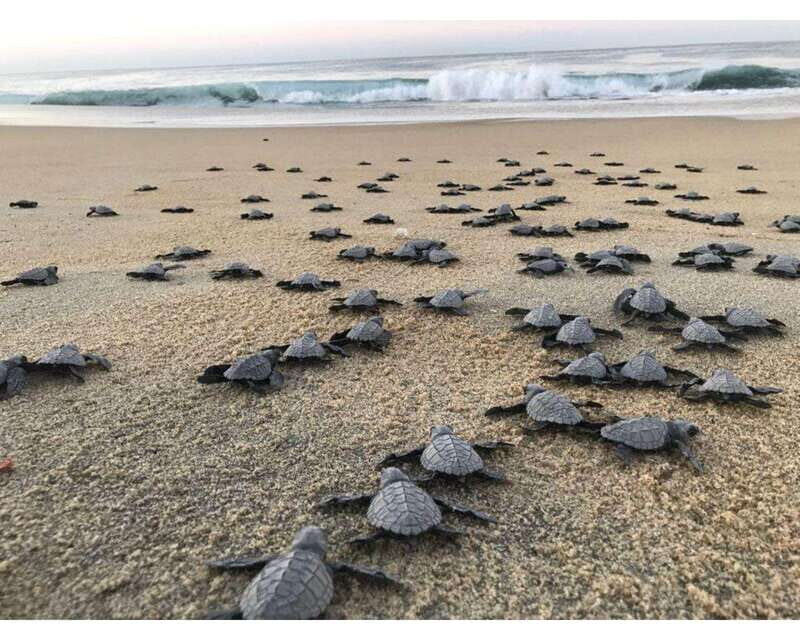
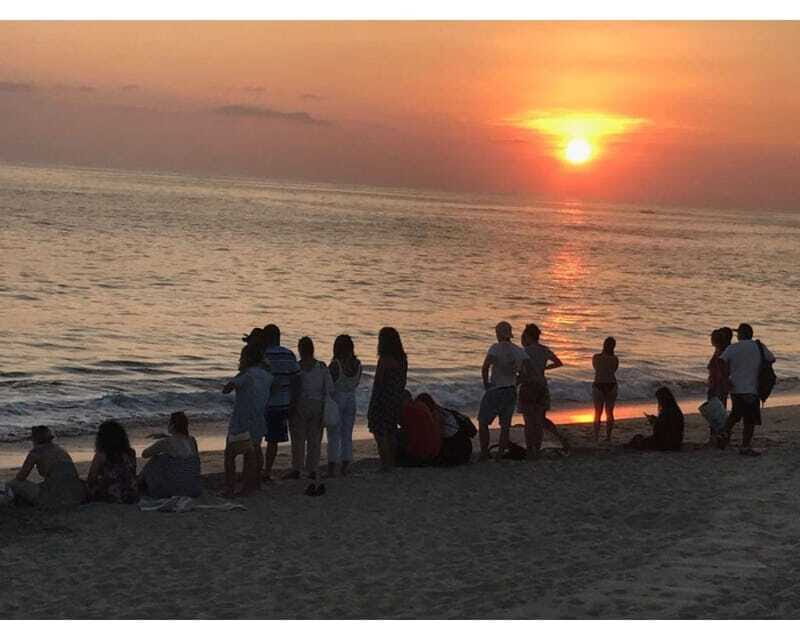
The day’s rhythm is built around the moment hatchlings are released: sunset. That drives the schedule. Pickup begins at 16:00, with transport from your lodging (there are multiple pickup options around Puerto Escondido). You’ll take a van ride that’s roughly 25 minutes to the beach area.
Once you arrive, you’re on the clock for the most important part: learning time and then the release at sunset. The beach block is listed at about 1.5 hours, followed by the return trip (another roughly 25 minutes) to drop-off points.
Practical tip: because you’re picked up from your accommodation, set your expectations for a smooth start. If you’re the type who hates waiting in a dark lobby, I’d still plan to be ready a few minutes early. Late departures can shift the entire evening, and with turtle release tours, timing is everything.
Inside the incubation camp: what you’ll learn about Olive Ridley, Green/black, and Leatherback
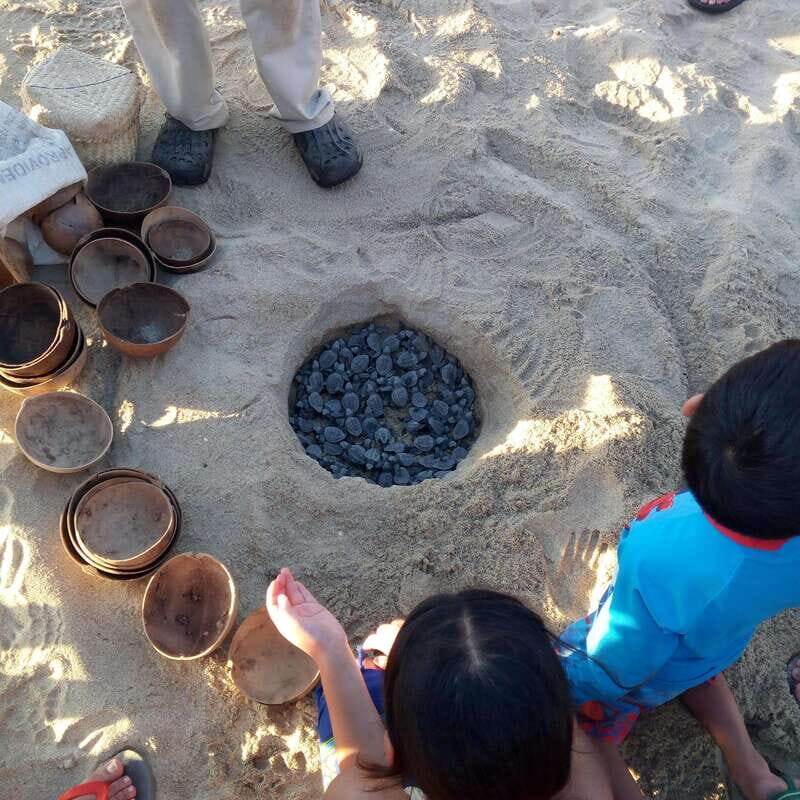
This isn’t a vague wildlife talk. The program covers three turtle species:
- Olive Ridley
- Green or black turtle (listed that way in the program description)
- Leatherback turtle
During the guided visit, you’ll get interpretation about the characteristics of the sea turtle life cycle—how the incubation process works and what makes hatchlings different from adult turtles. In other words, you should be walking away with a clearer picture of why programs like this exist in the first place: early life is where survival becomes hardest.
I also like that the camp is described as controlled by conservationists. That implies there’s an effort to manage incubation conditions rather than leaving everything to chance. Even if you’re not a science person, the guide’s job is to connect the biology to what you’re seeing in real time.
If English is your main language, keep an ear out for the bilingual interpretation. The experience is listed as both Spanish and English, and the guides are described as certified nature tour guides. Still, based on some reported booking experiences, I’d personally treat this as something worth confirming clearly at booking time.
The hatchling encounter: seeing them about 1 hour old
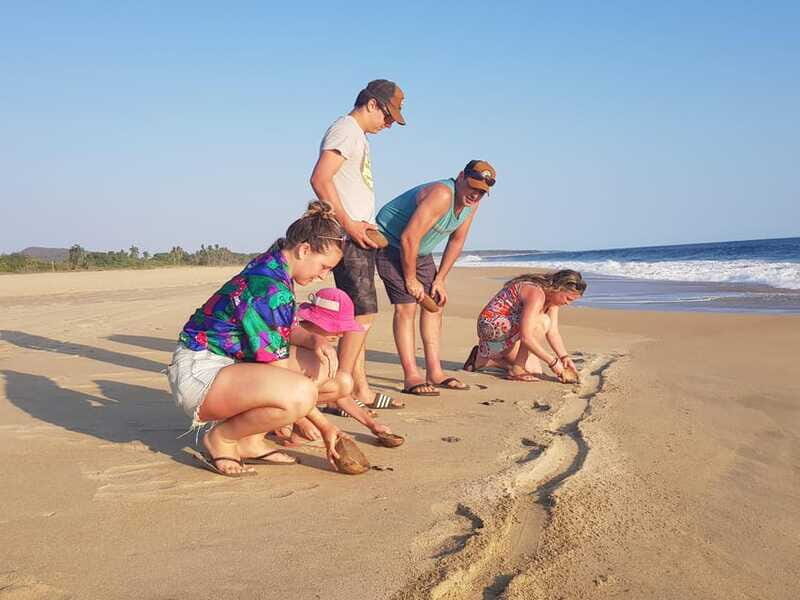
The most memorable moment is the one you came for: you’ll meet hatchlings that are only about 1 hour old. That detail is more than trivia. It means you’re not viewing older juveniles or turtles at a later stage—you’re seeing the exact moment the program helps transition life from incubation to the sea.
Then comes the release. The tour description specifically says hatchlings are released at sunset. That timing makes sense for sea turtles because they hatch during darkness in many nesting patterns, and the beach conditions at dusk can be more manageable for safe movement toward the water.
Here’s what I’d watch for as you’re there:
- The guide should explain what the hatchlings need in that transition moment.
- You should feel your group is being guided carefully—this is delicate work, not a casual “everyone line up and pose” event.
One thing I want to say plainly: turtle-release experiences can sometimes drift toward a “photo first” vibe. A couple of people who booked in the past described it more as a quick release-for-tourist moment than a deeper conservation lesson. That doesn’t mean this tour is automatically that way, but it does mean you should pay attention to whether your guide is actively explaining the conservation angle while you’re on site.
Walking the beach and wildlife viewing: what the 1.5 hours is for
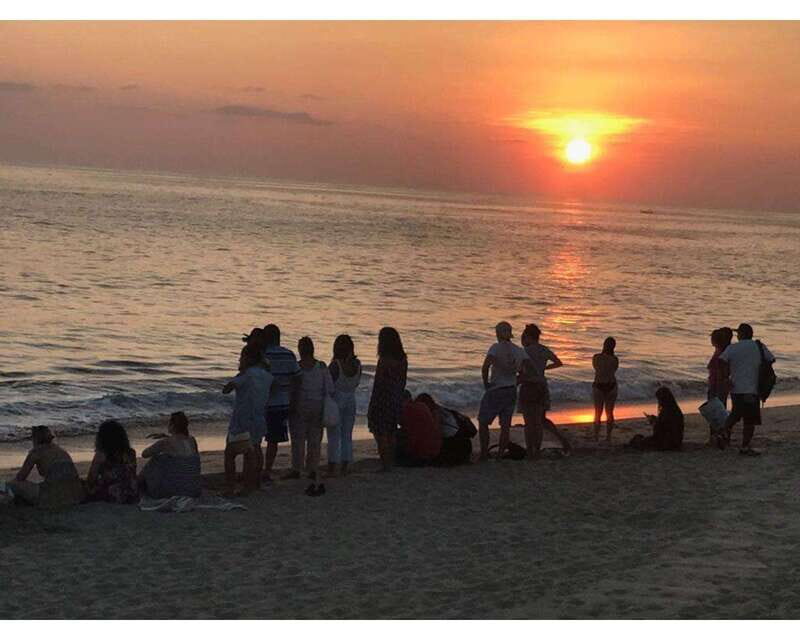
After the camp and the core learning portion, you’ll spend time at Playa Palmarito with a guided tour, walking time, sunset viewing, and wildlife viewing. The schedule breaks this down as about 1.5 hours on the beach area.
That walking component matters because it turns the experience from a single moment into an evening of observations. You’re in a coastal habitat, and the guide’s interpretation can help you spot patterns you’d miss on your own—like where animals are likely to be active and how the conservation team watches over the site.
Still, keep your expectations realistic. This is wildlife viewing, not a zoo show with guaranteed animals on cue. The main “must see” is the hatchlings and the release; everything else is bonus nature time.
If you’re sensitive to the feel of outdoor sand and low light, come prepared. A beach walk at dusk is beautiful, but it also means it can get breezy and slippery depending on the evening.


Price and value: is $51 per person worth it?
The listed price is $51 per person for a total duration of 2.5 hours, including round-trip ground transportation between Puerto Escondido and Palmarito. You also get bottled water, plus an entrance fee to the camp.
So how do you judge whether it’s good value?
I think it’s value-forward if:
- The bilingual interpretation truly helps you understand what’s happening with the life cycle and conservation program.
- The on-site time feels substantive—meaning you’re not rushed through the learning part.
- The release moment is handled with care and clear guidance.
A couple of reported booking experiences flagged a sense that the activity felt too short or more focused on a quick release and pictures. That’s the main caution I’d put on the table. If you’re paying $51 for a 2.5-hour experience, you should feel like you got your time and education, not just a brief stop.
My practical advice: when you book, make sure your language preference (English or Spanish) is confirmed, and ask what the guide will cover during the on-site portion. A responsible operator won’t treat those questions as a hassle—they’ll answer quickly.
Transportation and drop-offs: convenient, but plan for timing
One genuinely convenient aspect is that pickup and drop-off are handled from many Puerto Escondido lodging spots. Pickup options include well-known areas along the Zicatela corridor (like Playa Zicatela, Punta de Zicatela, and several hotel names). You’re not left searching for a meeting point across town.
The transport itself is a van ride around 25 minutes each way. That’s short enough to keep the experience efficient, especially because the tour is built around sunset.
But convenience can create its own stress: you’re at the mercy of pickup timing across multiple locations. If your evening plans are tight—like dinner reservations at a specific time—don’t stack them right after the tour. Let yourself breathe.
What to bring (and the small things that matter on the sand)
The “what to bring” list is short, but follow it:
- Beachwear
- Cash
You already know you’ll be at the beach, but I’d treat this like a genuine outdoor evening. Wear something you don’t mind getting sandy. If you’re the type who likes dry comfort, plan on rinsing your feet afterward.
Also, bring cash because it’s explicitly requested. The tour includes bottled water, entrance fee, and round-trip transportation, so cash likely covers any optional expenses or on-site needs. But the key point is simple: don’t arrive empty-handed.
Who this sea turtle release tour is for (and who should skip it)
This tour is built for people who like conservation, wildlife learning, and outdoor evening walks. If you want a hands-on connection to marine fauna—while still getting a guided explanation—this fits well.
It’s not suitable for:
- Wheelchair users
- People over 95 years
Beyond that, I think it’s best for visitors who can handle a beach setting at dusk. It’s outdoors, it’s sandy, and the experience is short enough that you don’t have long downtime to recover if you’re tired.
If you’re traveling with kids, this can be a memorable educational evening—just keep expectations focused on the guide’s teaching and the sunset release moment, not on guaranteed wildlife beyond the hatchlings.
The guide experience: bilingual interpretation and certified nature guidance
The tour description highlights certified nature tour guides and interpretation in both Spanish and English. That’s important because a sea turtle release experience can easily become a shallow show if the explanations are missing.
When you arrive, listen to what your guide is saying. Good guides will connect the life cycle, explain why the program exists, and describe what you’re seeing at the camp in a way you can repeat later.
Language matters here. The tour is listed as having interpretation in English and Spanish, but a few past booking experiences described disappointment when the language didn’t match expectations. I can’t control that, but you can reduce the risk by confirming what language you’ll get when you book.
Should you book the baby sea turtle release in Puerto Escondido?
If you want a short, meaningful evening that mixes sea turtle conservation education with a sunset hatchling release, this is an easy yes—especially because it includes transportation and the camp entrance, all wrapped into 2.5 hours.
But book with eyes open. Confirm your language preference, and don’t let the turtle moment erase the reason you’re paying: learning about the life cycle and conservation program for Olive Ridley, Green/black turtle, and Leatherback.
My final call:
- Book it if bilingual interpretation matters, you enjoy guided nature settings, and you want a conservation-centered experience on the Pacific coast.
- Think twice if you’re worried about rushed timing or you need guaranteed English-only guidance. Those are the only two issues I’d want to eliminate before committing.
If you do book, show up ready for a beach evening, bring cash, and treat the hatchlings with the respect a conservation program expects. You’ll leave with a story you can actually explain—not just a photo.
FAQ
What time does the tour start?
Pickup starts at 16:00 from your selected lodging or pickup point.
How long is the experience?
The total duration is 2.5 hours, including ground transportation time between Puerto Escondido and Palmarito Beach.
Where does the tour take place?
It takes place on the Pacific coast at Palmarito Beach, about 20 minutes from Puerto Escondido on Federal Highway 200 at Bajos de Chila.
Which sea turtle species are part of the program?
The program focuses on three species: Olive Ridley, Green or black turtle, and Leatherback turtle.
Are there guides in English and Spanish?
Yes. The live tour guide provides interpretation in Spanish and English.
What’s included in the price?
Included are round-trip transportation, the entrance fee to the camp, and bottled water.
What should I bring?
Bring beachwear and cash.
Is the tour wheelchair accessible or suitable for very elderly visitors?
The tour is not suitable for wheelchair users, and it is also not suitable for people over 95 years.