REVIEW · SAN MIGUEL DE ALLENDE
A fascinating Walking Tour of San Miguel
Book on Viator →Operated by J. Jesus Rodriguez · Bookable on Viator
San Miguel de Allende rewards slow looking. This 2-hour walking tour gives you the stories behind the façades, from 18th-century growth to the 1810 insurgent movement. You’ll also get a practical route through Centro, built for seeing the major sights without burning your whole day.
I especially like the tight focus: you hit the big-name landmarks while your guide ties them to how the town was laid out and why it became an art magnet. I also like the human touch—guides such as Jesus and Emma are praised for clear English, relaxed pacing, and answering real questions as you walk.
One thing to keep in mind: with only about two hours, you’ll cover highlights rather than doing long, inside-the-church wandering at every stop. If you love lingering, plan a follow-up hour on your favorite building.
In This Review
- Quick hits before you go
- Why San Miguel’s Centro makes sense on foot
- Parroquia de San Miguel Arcángel: the skyline anchor
- Casa del Mayorazgo de Canal and the 18th-century money story
- Bellas Artes and Teatro Angela Peralta: when culture becomes public
- Templo y Ex Convento San Franscisco: faith with long roots
- Templo de Nuestra Senora de la Salud and the Immaculate Conception temple
- Jardin Allende: park pause, local details, and a calmer pace
- Is $35 fair for a guided San Miguel loop?
- Who this walking tour is perfect for
- Practical tips to get the most from your 10:00 am walk
- Should you book this San Miguel walking tour?
- FAQ
- How much does the San Miguel walking tour cost?
- How long is the tour?
- Where does the tour start, and where does it end?
- What language is the tour offered in?
- How large is the group?
- Is there free cancellation?
Quick hits before you go
- Small-group feel (max 20), so it’s easier to ask questions as you move.
- English-led walk with consistently strong feedback on guide clarity.
- Major Centro sights in one loop, starting at the Parroquia and returning there.
- History that connects, linking architecture, urban layout, and key moments like 1810.
- A park pause and local-life moments, including Jardin Allende and details like old laundry areas.
- Mobile ticket + confirmation, so you can stay light and travel simple.
Why San Miguel’s Centro makes sense on foot
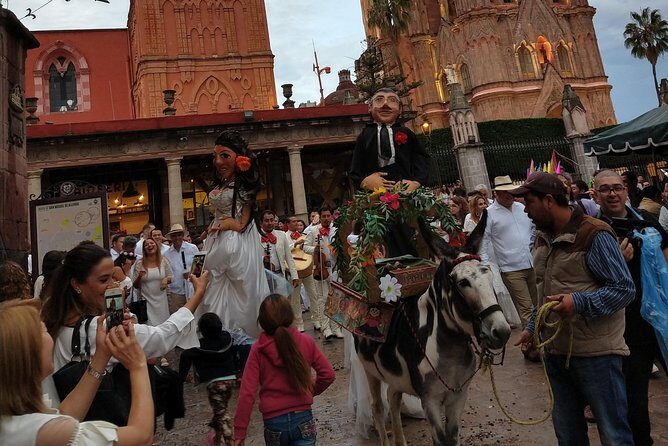
San Miguel de Allende can feel like a postcard until you learn what you’re looking at. This tour is built for that moment when the city clicks—street pattern, church placement, and the “why” behind what seems like pure decoration.
What makes the walk useful is the way your guide puts the timeline in plain terms. You’ll hear how San Miguel grew during the 18th-century boom, how it connects to the insurgent movement in 1810, and how the town later shaped itself into an art capital that drew international attention. That context changes the experience of every façade you see afterward.
You’re also not stuck with a rushed “look, next, gone” approach. Several guides—like Jesus, Jalal, and Elena—are praised for a comfortable walking pace and relaxed explanations, with room for questions. Just remember the format: you’re getting an overview, not a month-long course on Mexican history.
You can also read our reviews of more walking tours in San Miguel de Allende

Parroquia de San Miguel Arcángel: the skyline anchor
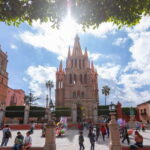
The walk starts at Parroquia de San Miguel Arcángel, right in the Zona Centro core. This is the kind of building that works as a visual compass: once you see it, the rest of the route feels intentional instead of random.
Expect your guide to set the scene fast—why this church matters, and how the surrounding area fits into the city’s broader story. You’ll likely hear comparisons of architectural elements and what they signal about the town’s identity over time.
This stop is also handy for orientation. If you’re arriving in San Miguel and your brain feels overloaded with color, symmetry, and street names, starting here gives you something solid to “map” the city against. And since the tour ends back at the same meeting point, you’ll finish where you can easily grab coffee or continue wandering.
Practical note: church areas often mean uneven pavement and lots of people nearby. Wear comfortable shoes and give yourself a little buffer time for the sidewalks and steps you’ll inevitably encounter.
Casa del Mayorazgo de Canal and the 18th-century money story

After the main church, the route swings toward older structures that help explain how San Miguel grew wealthy. Casa del Mayorazgo de Canal is the kind of stop that turns “beautiful buildings” into “economic clues.”
This is where the tour’s historical framing pays off. Your guide connects the prosperity of the old town in the 1700s to the kinds of buildings people could afford—and to the power that wealthy families held. That context helps you notice details you might otherwise skip, like how buildings relate to the street and what the layout suggests about status.
Even if you’re not a “history person,” this stop helps you understand why San Miguel feels designed. The guide talks about the town’s urban layout, and that makes the streets feel less like a maze and more like a plan.
One caution: mansion-style stops can feel quick if you wanted deeper photo time. With only about two hours total, you’ll get key highlights, then you’ll have to choose what to revisit later.
Bellas Artes and Teatro Angela Peralta: when culture becomes public
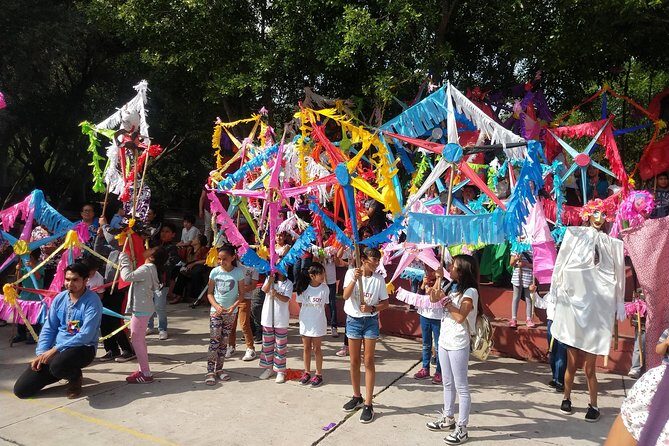
San Miguel isn’t only churches and cobblestones. The walk includes a culture lane with Bellas Artes and Teatro Angela Peralta, where you see how art and performance became part of everyday civic life.
Your guide’s story here matters: the city’s evolution into an art capital wasn’t random. It was tied to how the town attracted attention and how public spaces helped culture thrive. If you’ve ever wondered why San Miguel feels so “creative” even when you’re just walking down the street, these stops explain that connection.
The best part of including art and theater in the same loop is pacing. After the heavier religious stops, you get something lighter—buildings that signal a different kind of community identity. Several guides are praised for bringing the explanations to life, including the small observational details that make you look twice at what you see.
If you’re hoping to step inside theaters or museum spaces, keep expectations flexible. This is a walking tour designed for the route and context. For long interior time, you’ll want to plan a separate visit.
Templo y Ex Convento San Franscisco: faith with long roots
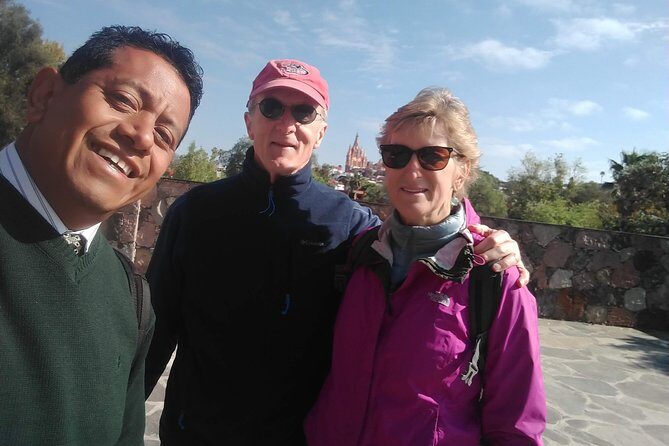
Next up is Templo y Ex Convento San Franscisco, a stop that adds depth to the “religious architecture” theme. Ex-convent spaces are especially interesting because they often reflect how communities organized themselves beyond one single church day.
Here, the tour’s historical linking continues. Your guide connects what you’re seeing to the bigger story of the town—how institutions helped shape culture, education, and community life. Even if you only know San Miguel for its charm, this kind of stop shows the structural reason behind that charm.
Guides are also praised for explaining architectural details, including iron work you may spot on church structures. When your guide points out what you’re looking at, those details stop being random decoration and become symbols of craftsmanship and design choices tied to the era.
One thing to plan for: convent/church areas can be visually complex. Give yourself patience here. You’ll get the key points, but it helps to slow down and let the building “read” in your mind.




Templo de Nuestra Senora de la Salud and the Immaculate Conception temple
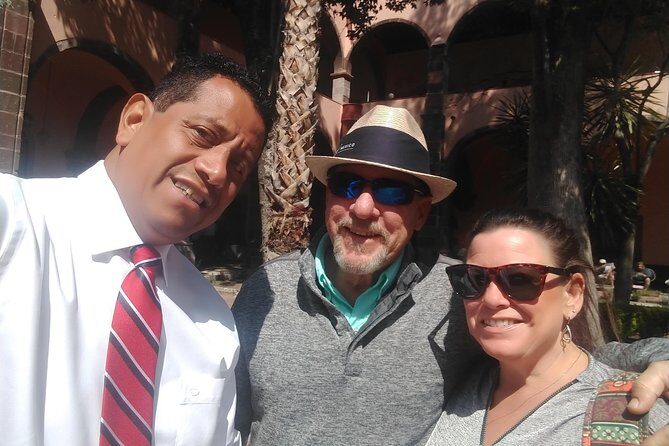
The middle-to-late portion of the walk moves through multiple church stops, including Templo de Nuestra Senora de la Salud and the Temple of the Immaculate Conception. Seeing two or more churches back-to-back is smart on this kind of tour because you can compare their vibe and what each represents.
This is where many people feel the “wow” moment, because you start noticing patterns—similar elements, different choices, and how each building contributes to the city’s character. It’s also where you learn that these aren’t just pretty backgrounds. Your guide ties them to the city’s historical development and the roles those sites played as the town changed.
If you love design, this section is a highlight. Reviews often mention architecture notes, with guides slowing down to explain features like stonework and decorative metal details. Even if your Spanish is basic, the guide’s English explanations help you understand what matters and why.
Potential drawback: church-to-church hopping can be a lot if you’re sensitive to crowds or noise. If you’re traveling with someone who gets tired in busy areas, it’s worth reminding yourself this walk is meant as an intro loop—then you can choose the one church you want to return to later, at your own speed.
Jardin Allende: park pause, local details, and a calmer pace
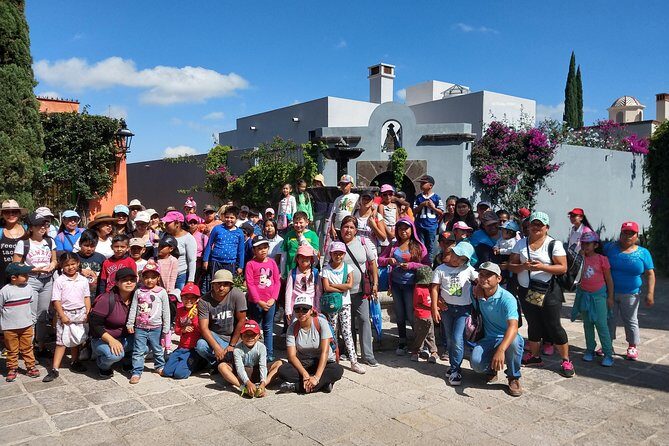
The final main stop is Jardin Allende, where the walk softens into a more relaxed, street-life rhythm. This is also a practical transition: by now you’ve seen the big architectural markers, and the park lets your brain reset while still staying in the Centro center.
This part of the experience also picks up local texture. One review mentions a side moment that felt like a step into everyday history, including the old laundry area. You might also notice how the guide points out where daily life used to happen and how the city’s patterns still guide movement today.
And yes, for many visitors, this is the point where your photos start to improve. Not because the scenery suddenly changes, but because you now understand where the visual story is coming from.
If you’re the type who likes to combine culture with quick bites, you’ll likely appreciate that the tour style includes tips for what to do next in town. Some guides are praised for practical recommendations beyond the walk itself.
Is $35 fair for a guided San Miguel loop?
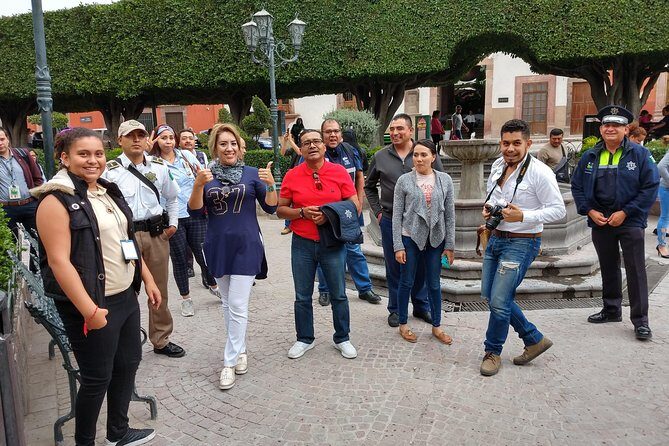
At $35 per person for about 2 hours, the value comes from what you’re buying: context plus a route. You’re not paying for a long haul or multiple-day programming—you’re paying for someone to help you interpret the city faster.
Why that matters in San Miguel: the historic core is compact, but it’s dense with meaning. Without a guide, you can still enjoy the beauty. With a guide, you learn what to notice—urban layout, the role of economic growth in the 1700s, and the political energy connected to 1810.
Price also makes sense when you consider the format. It’s a small group with a cap of 20, offered in English, and it includes a mobile ticket experience. Even the booking timeline tells you something: it’s commonly booked around 16 days in advance, so you should plan early rather than assuming you can “wing it.”
Possible consideration: if you’re expecting a long, slow sightseeing day with tons of free time inside every building, this price and time limit won’t match that style. This is best for people who want a strong first look and then freedom afterward.
Who this walking tour is perfect for
This tour fits best when you want a first-pass orientation. If you’re arriving for a short visit, it’s a smart use of time because you’ll leave with a mental map of the major highlights and the story links that tie them together.
It also works well if you enjoy asking questions and getting straight answers. Reviews repeatedly praise guides like Jesus, Emma, and Jalal for being friendly, humor-inclusive, and comfortable with English explanations. With a max group size of 20, you’re less likely to feel like a number.
You’ll probably enjoy it most if you:
- like history that explains what you can see in front of you
- want a route through Centro without planning each turn
- prefer a guide-led pace over self-guided wandering
If you’re traveling with mobility limitations, you’ll want to evaluate fit based on the fact that it’s a walking tour and lasts about two hours. The info says most travelers can participate, but it doesn’t spell out step-free access details.
Practical tips to get the most from your 10:00 am walk
This tour starts at 10:00 am at Parroquia de San Miguel Arcángel and finishes back at the meeting point. That round-trip structure is a quiet advantage: you can plan other activities afterward without guessing where you’ll end up.
Bring practical basics: comfortable shoes and water. Old-town routes typically mean cobbles and changing street grades, and two hours adds up. Also, if you care about photos, plan to do most of your close shots during the slower moments like the park stop.
Use the guide time well. Ask one question early—how the town’s layout shaped what you’re seeing—and you’ll notice patterns for the rest of the walk. Guides are also praised for adding advice on other things to do, so don’t be shy about asking for a next step after the tour.
Finally, if you’re booking close to your travel dates, remember it’s often reserved ahead. Booking earlier gives you more options and reduces stress.
Should you book this San Miguel walking tour?
If you want a high-value intro to San Miguel de Allende’s Centro, this is a strong pick. The route hits the big architectural landmarks while the guide connects them to the town’s growth, including key moments around 1810 and San Miguel’s rise as an art-focused destination.
Book it if you like walking, want the story behind churches and historic buildings, and would rather get oriented quickly than spend your first day guessing. Skip it if your idea of a perfect tour is long time inside buildings or lots of unstructured free wandering.
FAQ
How much does the San Miguel walking tour cost?
The price is $35.00 per person.
How long is the tour?
It lasts about 2 hours.
Where does the tour start, and where does it end?
You start at Parroquia de San Miguel Arcángel (Principal S/N, Zona Centro, Centro, 37700 San Miguel de Allende, Gto., Mexico), and it ends back at the same meeting point.
What language is the tour offered in?
The tour is offered in English.
How large is the group?
The tour has a maximum of 20 travelers.
Is there free cancellation?
Yes. You can cancel for a full refund up to 24 hours before the experience’s start time. If you cancel less than 24 hours before, you won’t get a refund.