REVIEW · COZUMEL
2 dives in Cozumel (for certified divers only)
Book on Viator →Operated by Pro Dive International · Bookable on Viator
Cozumel reef time packs fast. You get a two-tank scuba outing from the Pro Dive International shop in the hotel zone, with boat transport and reef targets inside the National Marine Park. A guide shares commentary about Mexico’s marine ecosystem while you swim among coral and fish.
I like that the group stays small (up to 6), which makes it easier to stay organized and get guidance, and I’ve seen strong praise for guides such as Andres and Camille. One thing to watch: the start time can run later than what many travelers expect, so plan extra buffer if you’re juggling a cruise departure.
In This Review
- Key points before you go
- Two-tank Cozumel scuba, set up for real value
- Where you check in: Pro Dive International at the hotel zone
- The day’s flow: from check-in to two underwater sessions
- Why that matters for cruise schedules
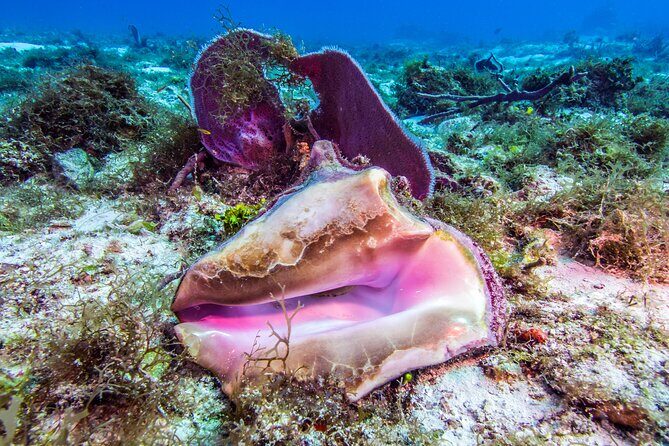
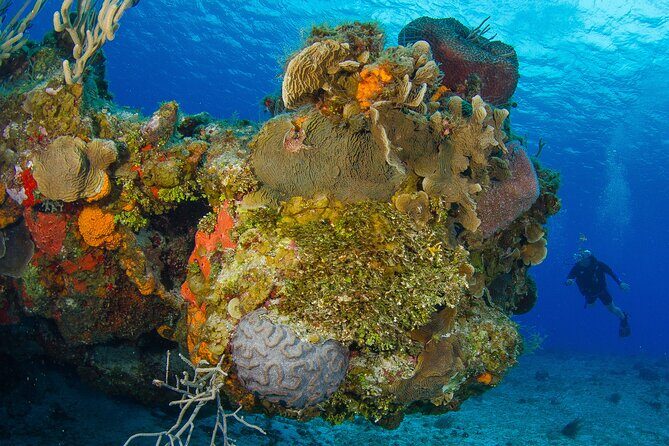
- Marine reserve highlights: coral structure, fish, and local ecosystem talk
- Guides, group size, and the kind of attention you’ll actually get
- Costs that can change your final total: rentals and marine park fees
- A realistic planning number
- Who this is best for (and who should reconsider)
- Gear condition and currents: the two “watch closely” items
- 1) Currents can be strong
- 2) Gear condition can vary
- Timing and cruise port planning: how to avoid a stressful ending
- Quick FAQ for the practical-minded
- FAQ
- Do I need scuba certification to join?
- What time does the tour start?
- What’s included in the price?
- Is equipment rental included?
- Are marine park fees included?
- How many people are in the group?
- Should you book Pro Dive International’s two-tank Cozumel trip?
Key points before you go
- Two tanks included: boat time plus full scuba setup components like weights and tank for both sessions.
- National Marine Park access: you’re working in a protected area near Cozumel known for coral structure and marine life.
- Small group limit (6 travelers max): less crowding, more personal attention from the guide.
- Certification required: minimum PADI Open Water (or equivalent) with proof checked in advance.
- Timing is the big variable: the scheduled start is 12:00 pm, but real-world departures can run later.
Two-tank Cozumel scuba, set up for real value
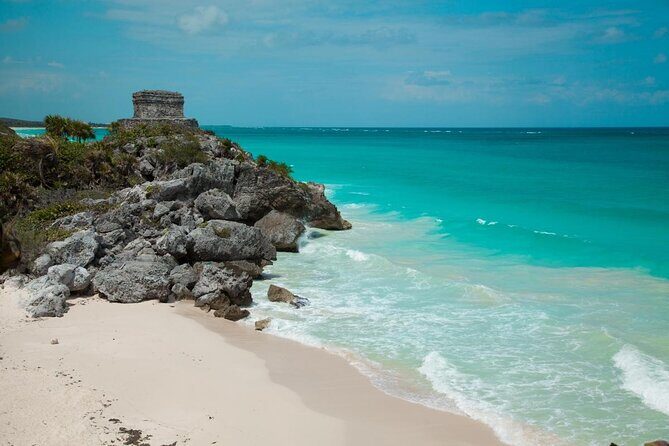
For $110 per person, this trip is built around a simple idea: you want two underwater sessions without wasting half your day on extra logistics. You get boat transportation, a professional guide, and the core dive gear basics are covered through tanks and weights. That combination is usually what makes-or-breaks value in Cozumel, because the “cheap” trips often nickel-and-dime you for everything except the boat ride.
The other reason I’m a fan of this format is that it targets the marine reserve near Cozumel from a convenient south-island setup. One review highlighted excellent visibility and coral structure, which fits the kind of reefs you usually picture here. If you’re the type who cares more about seeing sea life than collecting certificates, two sessions in the same day is also a smart use of limited vacation time.
That said, this is not a casual snorkel-and-chill excursion. It’s certified scuba only, it includes a check-in process and health screening, and timing can be tighter than the printed schedule suggests.
You can also read our reviews of more tours and experiences in Cozumel.



Where you check in: Pro Dive International at the hotel zone
Check-in is at Pro Dive International Occidental Cozumel, with the meeting time listed as 12:00 pm. The operational area is the hotel-resort zone, and that matters more than it sounds.
If you’re staying nearby, it’s usually straightforward: you walk or taxi a short distance to the shop, do paperwork, get gear, and move on. If you’re not, expect the meeting point to feel like a “resort address” rather than a convenient downtown landmark. Some travelers have found the directions confusing when trying to locate the shop, so I’d treat this as a meet-by-map situation, not a trust the taxi driver situation.
Also, note that transportation from the ferry terminal or cruise ship terminal isn’t included. So if you’re coming from a port stop, you’ll want to plan your taxi or shuttle timing so you arrive early enough for the paperwork and gear fitting.
The day’s flow: from check-in to two underwater sessions
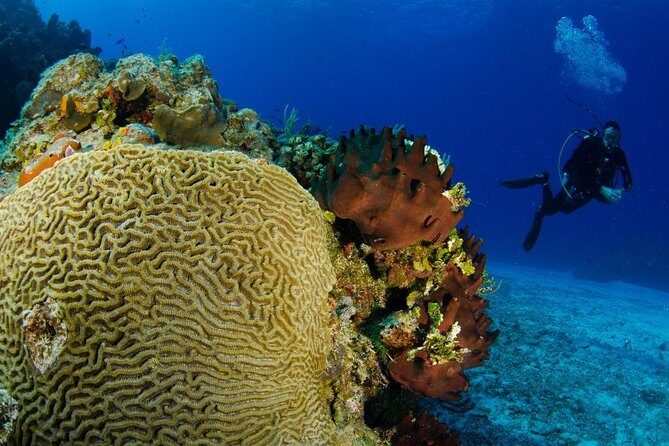
The tour runs about 4 hours on paper, and it’s designed as a straightforward two-session structure: you’ll get on the boat, do the first underwater session, return for a surface interval, then head out for the second one, finishing back at the meeting point.
In practice, timing can stretch, especially with boat schedules and group readiness. Several reports point to a later start than what you might expect from the 12:00 pm listing—some people have said it moved toward 1:00 pm, and others reported a start closer to 12:45 pm. That doesn’t mean the experience is bad; it means you should treat the published start time as a target, not a guarantee.
Why that matters for cruise schedules
If you’re on a cruise, you’re dealing with a hard “all aboard” clock. Because this ends back at the meeting point and involves getting back to the port on time, you’ll want a margin you can live with. If your schedule leaves no buffer, consider either shortening expectations (if you can’t change anything) or choosing a different departure window that’s less time-sensitive.
Marine reserve highlights: coral structure, fish, and local ecosystem talk
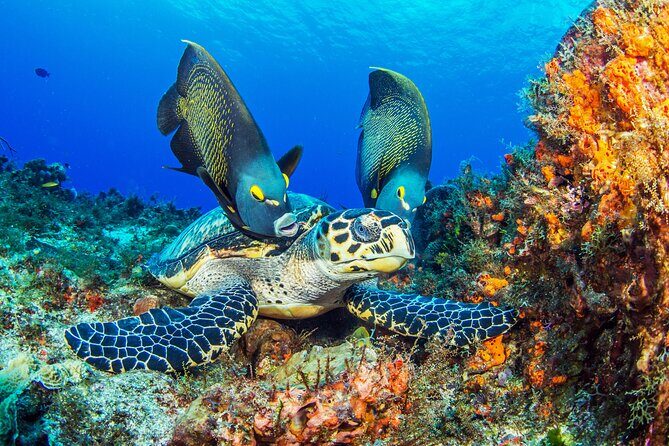
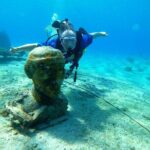
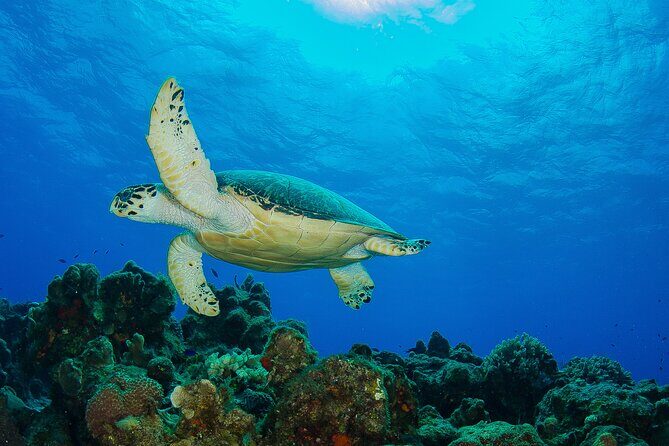
This trip isn’t just about “going underwater.” It’s aimed at the marine reserve near Cozumel with a local guide who provides commentary about the marine ecosystem in Mexico. That kind of explanation can turn a good reef into a memorable one, especially if you’re new to the region.
What I’d focus on is what you’re likely to see:
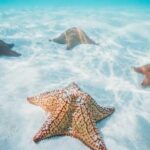
- Colorful fish around coral formations
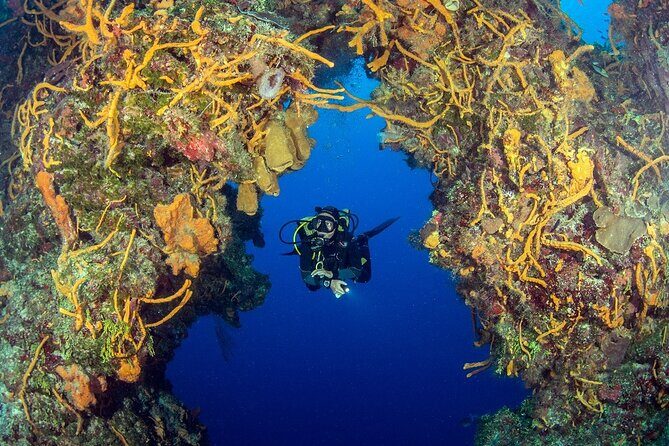
- Coral structure with enough variety to keep two sessions interesting
- When conditions and sites work out, some people specifically mention swimming through coral-related formations
Visibility can be excellent. One report flat-out praised clear water. In Cozumel, conditions vary by day, but a guide who understands the local area can help you make the most of what the ocean gives you.

Guides, group size, and the kind of attention you’ll actually get
One of the most consistent positives tied to this operation is the team. Names that come up include Andres, Camille, Pepe, Ducky, Nanou, Jolien, Alicia, Max, Louis, and Kacie. That’s a mix of roles and experience levels, but the common thread is human attention: helping people get set up, pointing out what’s easy to miss, and keeping the underwater experience calm and manageable.
The maximum of 6 travelers is also part of why people tend to enjoy it. With smaller groups, guides can watch buoyancy control more closely and adjust pacing based on comfort levels. That matters in places with currents, because the guide’s ability to read conditions changes how smooth everything feels.
Costs that can change your final total: rentals and marine park fees
Here’s the part to budget carefully, because the sticker price can understate the real day-of cost.
Included in the $110:
- Professional guide
- Boat ride
- Two underwater sessions
- Tank & weights
Not included:
- Equipment rental: $42 (USD 42). If you don’t own your own scuba gear, this is a major add-on.
- Marine park fees: $8/day/person, subject to change.
A realistic planning number
If you need equipment rental, a rough total could land around $110 + $42 + $8 = $160 per person, before any extra refresher or add-ons. If you already have your own gear and you don’t need a refresher, the cost stays closer to the base plus park fee.
The marine park fee is small compared with rental, but it’s still worth accounting for so you don’t get surprised during check-in.
Who this is best for (and who should reconsider)
This tour is clearly aimed at people who already have real scuba experience. Minimum requirement: PADI Open Water (or equivalent), with evidence of certification required at participation.
If you’re returning after a break, there’s an important detail: your last underwater session must be within the last 12 months. If it’s older than that, you’ll have to start with a refresher course, and you may be charged extra.
Health screening is also part of the process. You’ll complete a health questionnaire before diving, and pre-existing conditions like asthma or heart conditions may prevent you from participating. If you’re unsure, check with your doctor before you go—and review the operator’s medical policy site.
Practical body requirements:
- Moderate physical fitness level
- Minimum age is 10 years
- Service animals are allowed
Finally, this is not designed for non-certified guests.
Gear condition and currents: the two “watch closely” items
Most reviews paint a positive picture of the experience and the guides. But there are a couple of practical concerns worth keeping in mind because they can affect comfort quickly.
1) Currents can be strong
Cozumel can run with noticeable current at times. Strong currents don’t automatically mean a “bad” trip. They just mean your buoyancy control and comfort matter more, and the guide needs to manage your route and pacing carefully.
2) Gear condition can vary
One report described older equipment, including issues with a mask leak and a regulator filling with water. That’s not something you should ignore. When you get your gear, take a few minutes to do comfort checks: mask seal test, regulator breathing check, and confirm everything feels solid before you walk onto the boat.
If something feels off, speak up right away. A quick fix on land is easier than dealing with a problem underwater.
Timing and cruise port planning: how to avoid a stressful ending
This is the main operational risk area. The published start time is 12:00 pm, but multiple people have experienced later-than-expected departures. Because the tour ends back at the meeting point and transport back to the cruise port isn’t included, you can end up racing the clock if you assume the schedule is precise.
If you’re on a cruise, my recommendation is simple: treat this trip as “early afternoon” and plan your exit from the island accordingly. Give yourself a buffer large enough to absorb a later start and a longer boat return.
If your cruise day is tight, you can reduce risk by:
- arriving at the meeting point with extra time for paperwork
- planning taxi return early in your day rather than last-minute
- choosing an excursion that explicitly accounts for ship departure time if you have that option
Quick FAQ for the practical-minded
FAQ
Do I need scuba certification to join?
Yes. The minimum requirement is PADI Open Water certification (or equivalent), and you’ll need to show evidence of certification at check-in.
What time does the tour start?
The listed start time is 12:00 pm, and the activity ends back at the meeting point. Plan for possible delays, since operations can start later than the listed time.
What’s included in the price?
The price includes a professional guide, boat ride, two underwater sessions, and tank & weights.
Is equipment rental included?
No. Equipment rental costs $42 USD and is not included.
Are marine park fees included?
No. Marine park fees are $8/day/person and are subject to change.
How many people are in the group?
This activity has a maximum of 6 travelers.
Should you book Pro Dive International’s two-tank Cozumel trip?
I’d book it if you want a two-session reef-focused day with boat transport, a guide who explains what you’re seeing, and a smaller group size. The value is strongest if you’re comfortable with your scuba skills, you’re within recent dive experience (last 12 months), and you can handle the possibility of a later start time.
I’d pass or plan extra carefully if your cruise itinerary is extremely tight, because the schedule can run later than the printed start. I’d also inspect your gear calmly when you get it and speak up if anything feels wrong—comfort underwater depends on it.
If you’re booking, do two things: confirm your plan for getting to and from the meeting point, and build a time buffer so you don’t end your day stressed. That turns a solid reef day into a calm one.