REVIEW · OAXACA STATE
✨Make chocolate to take home Oaxacan style ☕️✨
Book on GetYourGuide →Operated by Etnofood · Bookable on GetYourGuide
Cacao turns into art in two hours. I love how this class mixes hands-on chocolate making with a clear explanation of cacao basics, and I love that you end by tasting what you made. One consideration: at $64 for 2.5 hours, it is a splurge, so you’ll get the most value if you truly enjoy learning techniques, not just sampling chocolate.
Your instructor (often Roberto or Tomas) guides the process in English or Spanish, and the small group size (up to 6) keeps things practical. You’ll be working in Teolab’s workshop space, with water and snacks handled thoughtfully, plus a take-home bar amount that’s real (150 grams), not a tiny souvenir.
In This Review
- Key highlights worth penciling in
- Finding Teolab: where chocolate gets made, not just sold
- The 2.5-hour flow: what happens from hello to your last bite
- Step 1: a warm welcome and a short cacao primer
- Step 2: choosing ingredients, then learning the method
- Step 3: making your chocolates and finishing your batch
- Step 4: tasting your own work
- Step 5: take home 150 grams designed by you
- Oaxaca-style chocolate in real life: why this class feels authentic
- Price and value: does $64 make sense here?
- Who should book this class, and who might skip it
- Logistics that matter: language, group size, and comfort
- Should you book it?
- FAQ
- FAQ
- Where is the meeting point?
- How long is the experience?
- How much does it cost?
- What languages are offered?
- How many people are in the group?
- What is included?
- Can I request coffee instead of tea?
- How much chocolate do I take home?
- Is alcohol allowed?
- Is the class wheelchair accessible?
Key highlights worth penciling in
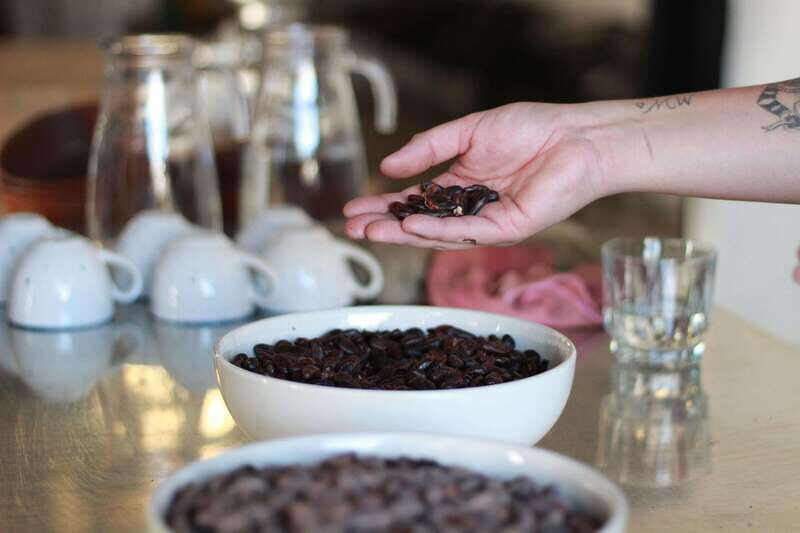
- Three-generation cocoa alchemy: the workshop centers on passed-down secrets and how cocoa becomes chocolate.
- Hands-on molding technique: you make your own chocolates, not just watch.
- Sensory tasting moment: you taste your creations after learning the steps.
- Instructor support in English or Spanish: names you may meet include Roberto and Tomas.
- Take-home 150 grams: enough to share or ration carefully for later.
Finding Teolab: where chocolate gets made, not just sold
This experience starts at Teolab (Laboratorio) in Oaxaca, inside a workshop-style space that also functions as a chocolateria. It’s easy to spot once you know what to look for: there’s a sign that reads FILOTEO outside, plus a large dog on the façade.
I like meeting points like this for one main reason: you’re not getting shuffled between shops or handed a sales pitch before you even start. You arrive, get oriented, and then you’re in the workspace where the tools actually matter—grinders, stoves, and molds. That matters because chocolate making is mostly technique. If you’re going to pay $64, you want the process to feel real, and this does.
Also, the location is described as near public transportation, which helps if you don’t want to lock yourself into a long taxi loop.
You can also read our reviews of more tours and experiences in Oaxaca State.

The 2.5-hour flow: what happens from hello to your last bite
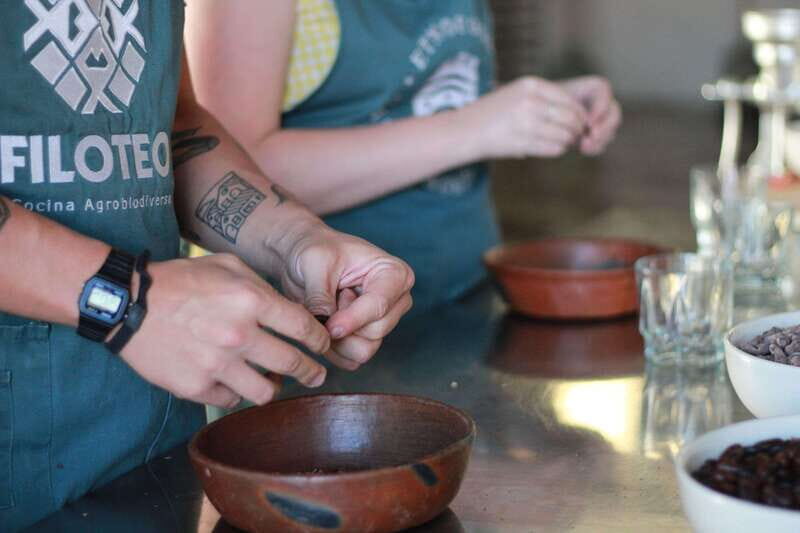
The class lasts about 2 hours 30 minutes, and the pacing is built around a simple arc: learn the basics, make with your hands, then taste.
Step 1: a warm welcome and a short cacao primer
Before anyone puts chocolate in a mold, you get a guided introduction. You’ll hear about the history and origin of chocolate, plus the diversity of chocolate types and what makes them different. The goal here isn’t to overwhelm you. It’s to give you a mental framework so when your instructor talks about texture, flavor, or cocoa character, you can connect the explanation to what you’re doing.
In my view, this part is what makes the hands-on stage click. If you skip the reasoning, chocolate making can feel like random instructions. With the primer, you’re more likely to notice what each step changes.
Step 2: choosing ingredients, then learning the method
Next comes the step-by-step making process. You’ll be guided through selecting ingredients and then moving into the technique portion—especially the molding technique, which is where your creation becomes your own.
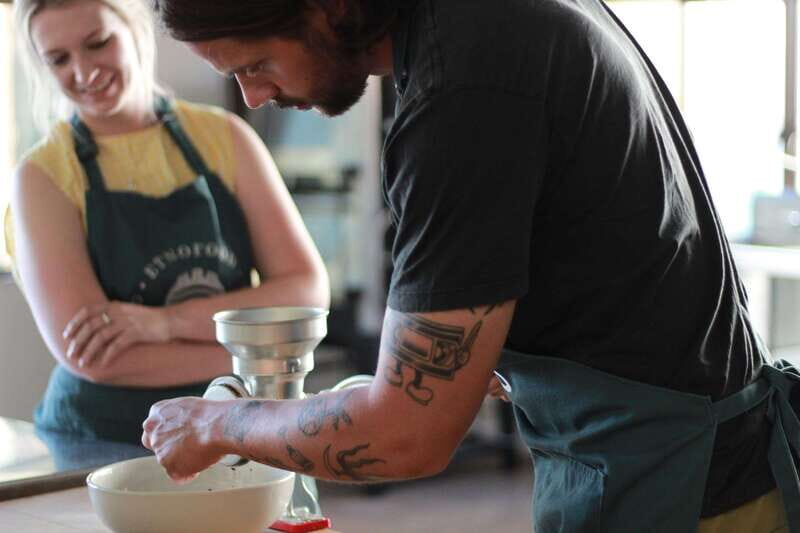
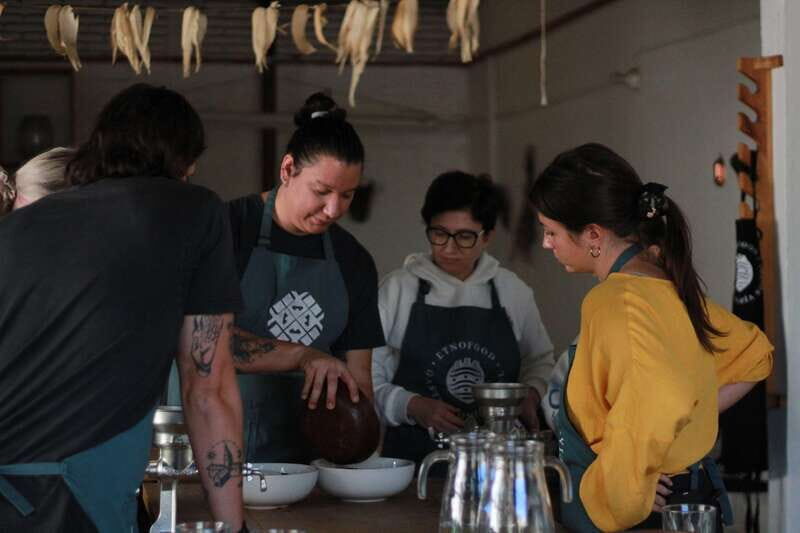
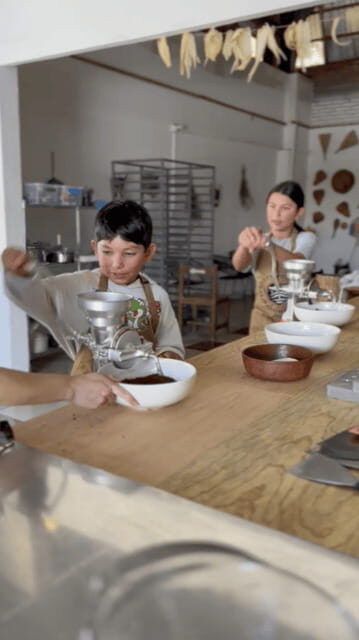
The workshop style is very focused on practical learning. You’ll wear aprons, and you’ll have access to the equipment you need. You’re not just observing the chocolatier do everything. You get turns to work under expert supervision, which is exactly what you want when you’re paying for a class, not a tasting.
One more small detail I appreciate: the experience includes snacks and bottled water with access to water to avoid plastic bottles. It sounds minor, but a cacao class can run fast and smell intense. Having water and a snack helps you stay comfortable and actually enjoy the steps.
Step 3: making your chocolates and finishing your batch
Once you’re in the active portion, your instructor helps you create your chocolates—your own batch—using the learned steps. The class emphasizes that the master chocolatier becomes a kind of cocoa alchemist, and the message is tied to the workshop’s generational angle.
Translation for you: this isn’t only about doing a recipe. It’s about understanding why the workflow matters. That generational “secrets passed down” framing shows up in how the workshop teaches: pay attention to the process, then trust your senses at the end.
Step 4: tasting your own work
After your creations are ready, you get the most satisfying part: tasting what you made. This is built into the experience, so you aren’t left holding your chocolate and guessing whether it turned out well.
The tasting is also a chance to compare what you made to what you learned about chocolate types earlier. If you’re the type who likes to connect cause and effect—step to flavor—this part can be the payoff moment.
Step 5: take home 150 grams designed by you
To finish, each participant takes home 150 grams of chocolate designed by themselves. That’s a meaningful amount. It’s not a token. If you want a Oaxaca food souvenir you can share with friends or keep for a later treat, this fits the bill.
Oaxaca-style chocolate in real life: why this class feels authentic
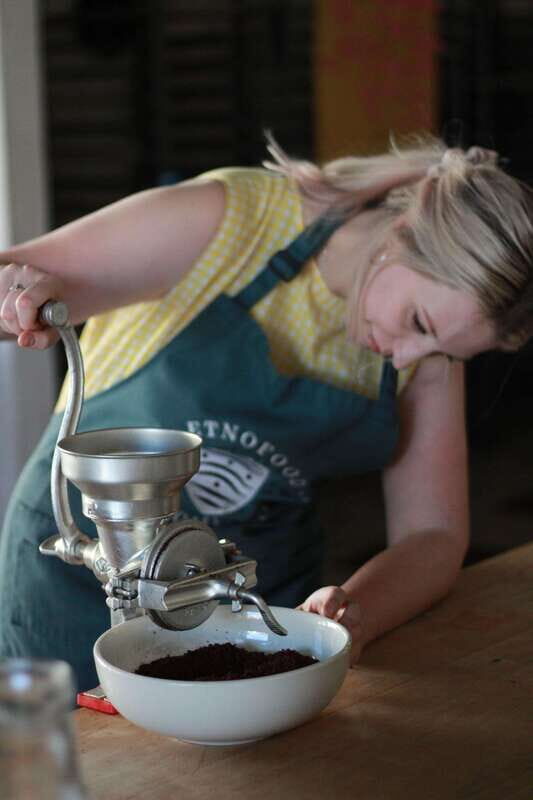
This experience leans hard into tradition, but it doesn’t stop at nostalgia. The workshop emphasizes sustainability alongside flavor, aiming to connect the past and future of cocoa.
You’ll feel the “three generations” theme in the way the experience is described: a master chocolatier guided by a lineage of methods, where secrets flow through the workshop’s vision. Even if you don’t know much about cacao, the structure makes it easy to understand that chocolate making is a craft. You’re handling tools, learning technique, and then tasting results.
From what I can tell, that’s what drives the consistently high ratings. People mention the instructors being patient and fun, and also the way the class stimulates your senses while teaching. That’s the combo you want: learning plus enjoyment.
And if your instructor is Roberto or Tomas, you’re likely to get a mix of practical guidance and lively conversation. Several classes put emphasis on instructors answering questions and giving lots of Oaxaca recommendations, which can be a nice bonus if you’re trying to build a day plan around local food.
Price and value: does $64 make sense here?
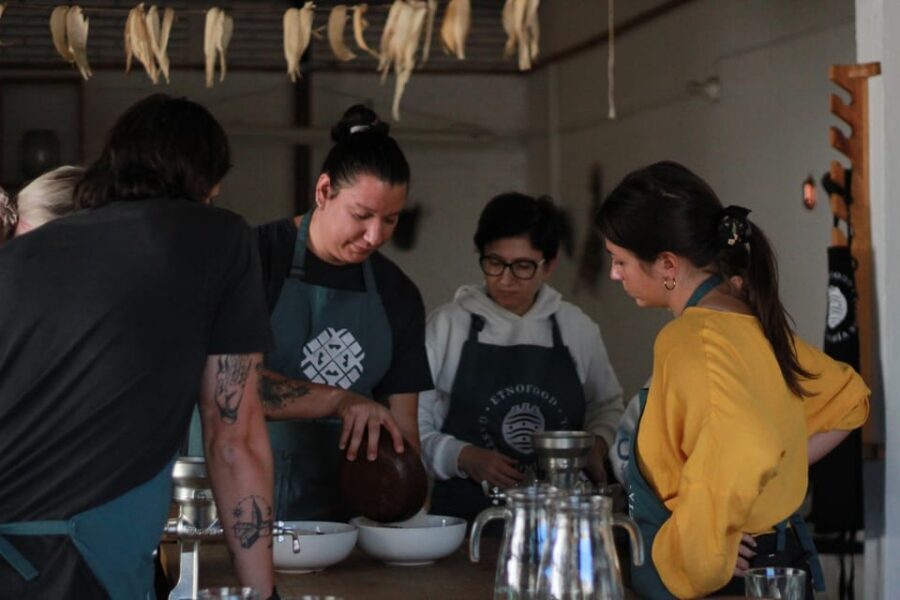
Let’s talk plainly about money. At $64 per person, this isn’t a cheap activity. But for Oaxaca, the value comes from three things you actually get:
- Hands-on making time with step-by-step guidance
You work with equipment like grinders, stoves, and molds, and you create your own chocolate under supervision.
- Structured learning before you start
The short introduction covers chocolate types and cacao history so you understand what you’re tasting later.
- A take-home amount worth keeping
150 grams is enough to share, gift, or enjoy later without it feeling like a sample pack.
Add in included extras like chocolate or tea, snacks, and water without plastic bottles, and the cost starts to look more like a true workshop fee than a basic tasting.
So my advice: if you like doing things with your hands and you want an edible souvenir that came from you, the price starts to feel fair. If you only want to eat chocolate and move on, you might prefer a lighter tasting-only option.
Who should book this class, and who might skip it
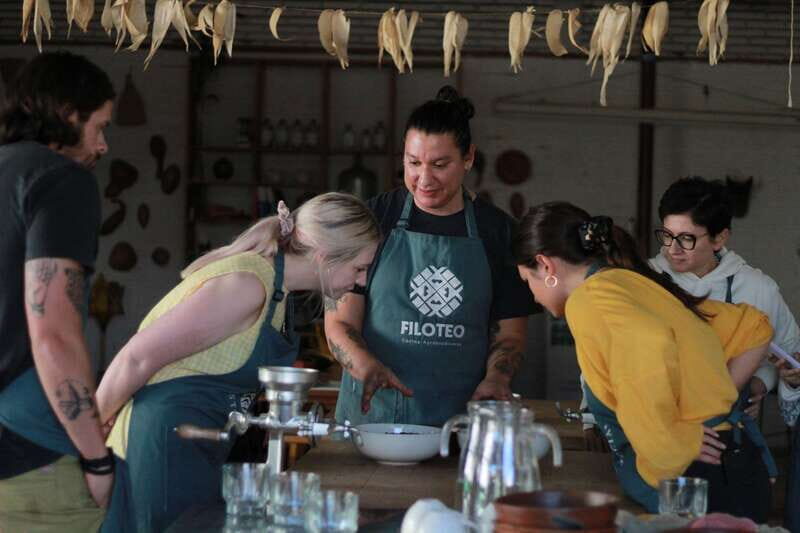
This is best for you if:
- You want a small-group experience that stays hands-on.
- You enjoy cooking-adjacent classes and want to learn a technique you can repeat at home.
- You want a guided explanation of cacao and chocolate types, then immediate tasting feedback.
- You’re traveling with someone who likes food experiences more than big-ticket sightseeing.
It may not be the best fit if:
- You’re looking for a long, multi-session “food education” course. This is focused and timed.
- You dislike workshops where you follow process instructions and then work with hot equipment or tools (aprons and guidance help, but it’s still hands-on making).
Logistics that matter: language, group size, and comfort
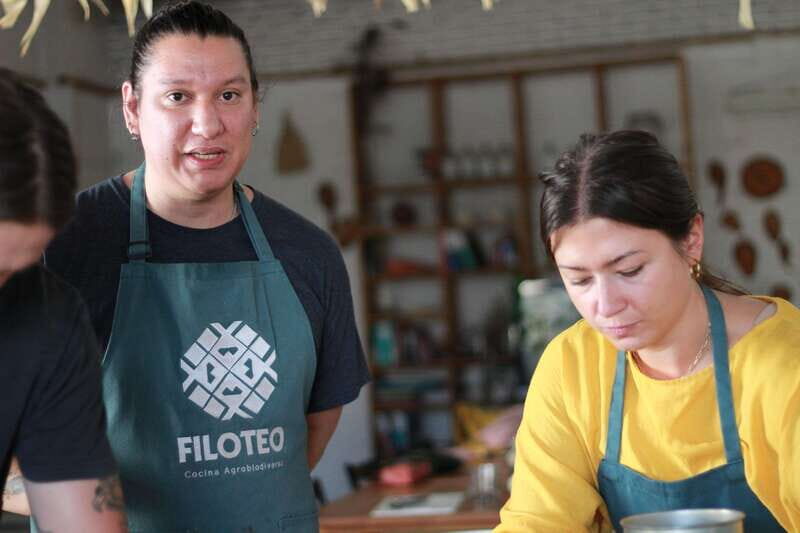
This class is offered with instruction in English and Spanish, which is handy in Oaxaca where language variety can be a surprise.
Group size is capped at 6 participants, which supports better instructor attention and shorter waits while you work. For chocolate making, that’s not just a nice-to-have. It changes the quality of what you learn.
In terms of comfort, the experience is described as wheelchair accessible with access for people in wheelchairs for all transports and surfaces, plus it’s suitable for baby strollers. Guide animals are allowed as well.
One detail you’ll want to know if you’re traveling with a baby: babies must sit on an adult’s lap.
Also, alcohol and drugs are not allowed, which fits a craft workshop setting and keeps the focus on tasting and learning.
Should you book it?
Yes, if you want a fun food workshop with real technique, real tasting, and a real take-home result. The combination of a short cacao primer, hands-on molding, and an instructor-guided tasting hits the sweet spot for a lot of people paying $64 in Oaxaca.
If you’re deciding between this and a casual chocolate tasting, choose this when you care about learning steps, not only sampling flavors. If you mainly want to snack and sightsee, you might find it too structured for your style.
FAQ
FAQ
Where is the meeting point?
You meet at Teolab, the laboratory workshop space that also houses the chocolateria. Look for FILOTEO on the outside and a large dog on the façade.
How long is the experience?
The duration is 2 hours 30 minutes.
How much does it cost?
The price is $64 per person.
What languages are offered?
The instructor provides guidance in English and Spanish.
How many people are in the group?
It’s a small group limited to 6 participants.
What is included?
You get chocolate or tea, bottled water (with water access to avoid plastic bottles), snacks, and the chocolates you craft in the class. You also receive aprons, grinders, stoves, and molds.
Can I request coffee instead of tea?
Yes. You can request coffee or tea upon arrival.
How much chocolate do I take home?
Each participant takes home 150 grams of chocolate that they designed.
Is alcohol allowed?
No. Alcohol and drugs are not allowed.
Is the class wheelchair accessible?
Yes. The experience is described as wheelchair accessible, including access for people using wheelchairs across transports and surfaces, and it’s also suitable for baby strollers.