First, there’s something special about two reef sites in one morning. This Cancun plan focuses on certified scuba participants, gets you onto offshore reefs like Punta Negra, and keeps things organized with a small group and a real briefing on fit and safety. I especially like how the team handles the day-to-day details (communications and check-in), and how the boat time stays practical with snacks, hydration, and a clear rhythm from water to surface.
What I really like is the balance of structure and freedom underwater. You get full scuba equipment included, plus a lead guide who works with your buoyancy and ear-clearing basics so you can settle in fast. One consideration: if you have asthma, heart issues, or recent surgery, this outing isn’t recommended, and the health questionnaire is not a box-checking exercise.
In This Review
- Key Highlights You Can Plan Around
- Entering The Reef Day: Cancun Timing, Meeting Point, and the Real Flow
- From Check-In to Gear: What’s Included and Why It Changes Your Day
- The Reef Pair Plan: Punta Negra First, Then Your Second Reef Choice
- Reef #1: Punta Negra at about 50–55 feet
- Surface Interval: Reset, hydrate, and calm down
- Reef #2: Grampin or The Tunnel (plus other options)
- How the Depth and Drift Affect What You’ll See
- The People Factor: Communication and Dock-Time Organization
- Safety Notes You Should Treat as Non-Negotiable
- Flying rule after the last water session
- Seasickness prevention: use it early
- What to Expect Underwater: Coral Life, Fish, and Occasional Big Encounters
- Price and Value: Is $145 Worth It?
- Who This Reef Pair Is Best For (and Who Should Skip It)
- Should You Book This Cancun Two-Reef Scuba Outing?
- FAQ
- What reef sites are included on this outing?
- How deep are the sessions?
- What’s included in the price, and what costs extra?
- Do I need to be a certified scuba participant?
- What health conditions make this not recommended?
- How many people are on the tour?
Key Highlights You Can Plan Around
- Small group setup (max 4 travelers) keeps the day calmer and more hands-on.
- Two reef sites in ~4 hours means more variety without losing your whole day.
- Full equipment included (mask, fins, BCD, regulator, tanks, weights) so you can travel lighter.
- Boat snacks, water, and hot tea in cooler months help you feel human between sessions.
- Reef depths around 50–55 feet with a structured plan for certified scuba participants.
- Safety notes that matter: seasickness tips and a flight rule of 18–24 hours after the last water session.
Entering The Reef Day: Cancun Timing, Meeting Point, and the Real Flow
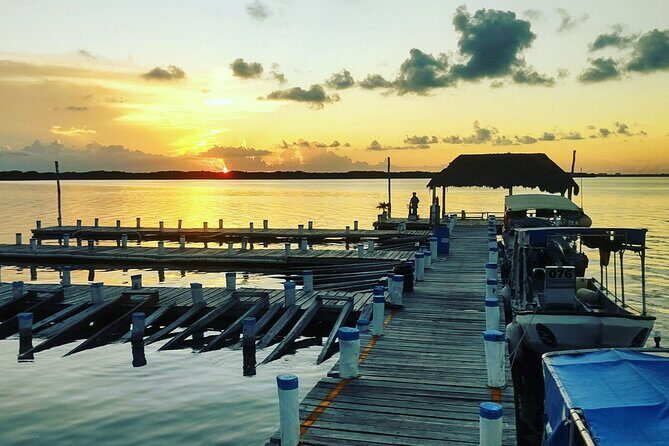
This is a morning-first kind of outing. It starts at 7:30 am and runs about 4 hours total, and it ends back at the same starting point. The meeting location is Scuba Total Blvd. Kukulcan km 16.2, Zona Hotelera (77500 Cancún). If you’re staying in Cancun’s hotel zone, you’re not fighting across town for hours before you even gear up.
The best part of the flow is how little time you waste before you’re in the water. You complete a medical questionnaire first, then you head to the boat. That sequence matters because you’re not rushing paperwork at the dock while everyone is trying to stay calm about their health and fitness. After that, it’s straightforward: boat out, reef #1, surface interval, reef #2, back to the dock.
You’ll want to arrive ready to move. The day expects a moderate physical fitness level, and the scuba requirement is clear: you should be a certified scuba participant who can swim well. If you know you get nervous with procedures or you’re still working out your comfort underwater, this format can be a little demanding.
You can also read our reviews of more tours and experiences in Cancun.



From Check-In to Gear: What’s Included and Why It Changes Your Day
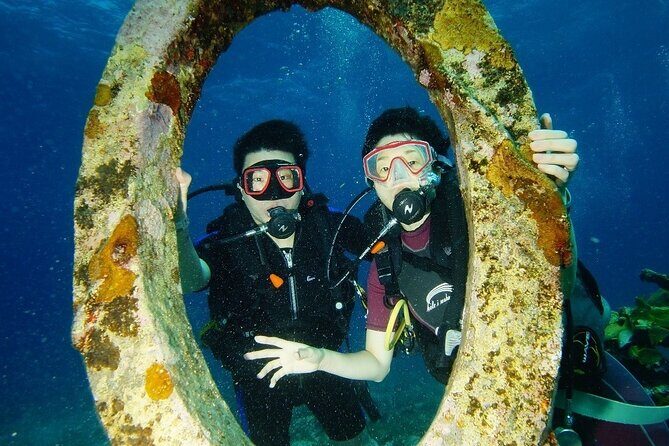
One of the main value wins here is that you don’t have to build your own kit. The price includes full SCUBA equipment: mask, fins, BCD, regulator, tanks, and weights. That’s a big deal if you’re coming from outside Mexico or you’d rather spend your vacation points on tacos, not rental fees.
You’ll still want to bring your essentials:
- swimsuit
- towel
- sunscreen
- personal items
A wetsuit is optional, not included. That usually means you can choose based on your comfort level and the season. If you run cold easily, consider renting or bringing one on your own (the option is yours, but it isn’t bundled).
The other “small” inclusion that feels big on a hot morning: snacks, bottled water, and hot tea in winter time. That matters on a two-session plan. You’re underwater, you surface, you transition, and you head back down again. Being able to eat something simple and warm or cool helps you avoid the cranky “I’m fine” lie that people tell right before the second session.
The Reef Pair Plan: Punta Negra First, Then Your Second Reef Choice
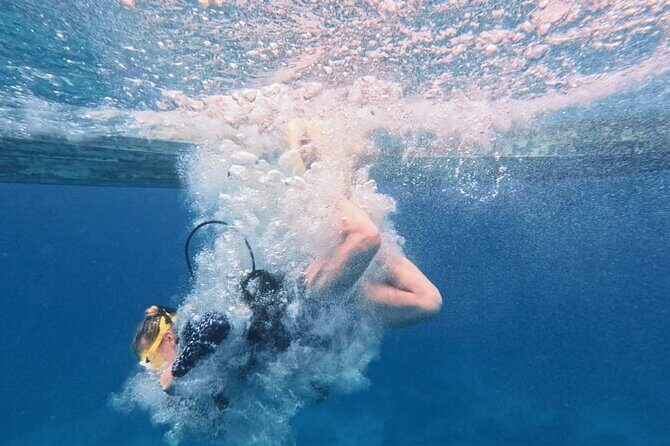
This outing is built around two reef sites outside Cancun. The morning has a clear structure, and the reef combo gives you both predictable and variable viewing.
Reef #1: Punta Negra at about 50–55 feet
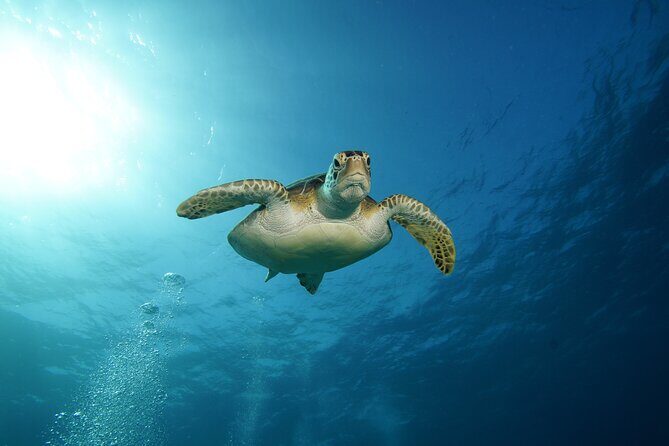
Your first session is planned around 55 feet, with a target depth that fits the “two reef” format without turning the day into a marathon. Punta Negra is the kind of reef where you can expect a mix of coral and fish life, and—if conditions cooperate—maybe sea turtles or rays.
This is a good first site because it’s a chance to get your breathing, trim, and buoyancy under control before you go exploring more complex underwater geometry.
Surface Interval: Reset, hydrate, and calm down
Between the two sessions, you relax on the boat. You’ll typically have time for hydration and snacks, which is exactly what you want before your second call of the day. If you’re prone to seasickness, this interval is also where you’ll notice whether the boat motion has been bothering you.
You’ll get the most out of the second session if you keep your mindset steady here. Think of it like this: the first site is your warm-up, the surface interval is your reset, and the second site is where your attention goes wide.





Reef #2: Grampin or The Tunnel (plus other options)
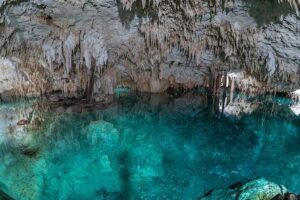
Your second stop comes from the menu of reef choices that includes Grampin and The Tunnel. This is where the underwater scenery shifts toward caves, passageways, and coral areas with more structure. The exact reef used can vary, and the day is set up so you’re exploring reefs from a selection of 8 different options.
If you like variety—open water coral life one moment, then a different feel with caves or tunnel-like passages—the second site is the payoff.
You might also hear about Horse Shoe Reef as part of the broader reef list for this style of trip. In other words: the operator is aiming for that “two different flavors” effect rather than repeating the same underwater neighborhood twice.
How the Depth and Drift Affect What You’ll See
The plan is geared to certified scuba participants with a standard approach to depth and timing. You’re going down around 50 feet (sometimes listed as 55 feet), and that depth range is workable for many certified participants who want a real reef experience without extreme conditions.
A key practical point: your comfort at depth affects everything. If your buoyancy control is still shaky, you’ll feel it most at the start of each session. That’s why your lead guide briefing matters.
In a recent booking example, Fabio was the guide doing the briefing and coaching with the early buoyancy stage, plus tips for clearing ears. That kind of attention can turn the first few minutes from stressful into routine.
Also, reef days around Cancun often involve current and drift. If you’re comfortable with buoyancy and staying relaxed in motion, you’ll likely spend more time watching fish and coral instead of fighting your position.
The People Factor: Communication and Dock-Time Organization
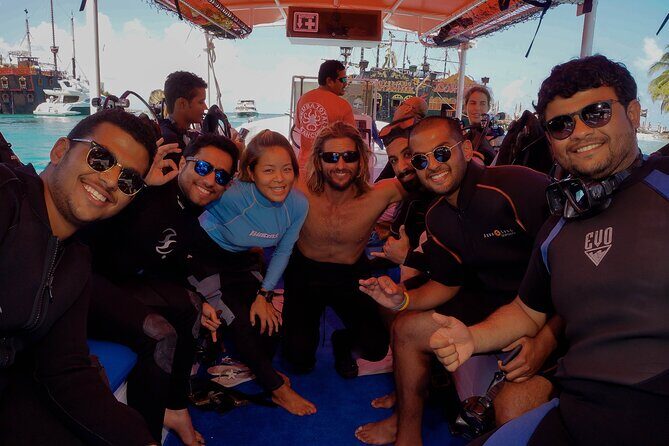
Reef outings succeed or fail on small, boring details: paperwork, equipment order, and whether someone has your back if you’re anxious. This operator’s reputation in that area comes through with names you’ll see connected to the experience.
- Gaby is the front-line contact for communication and scheduling help. If you have questions before your day starts, this is the kind of operation where someone actually responds and keeps things organized.
- Aldo is often the person at the dock handling check-in and getting your gear squared away so you’re not waiting around while other boats pull away.
- Fabio is named in at least one booking as the person guiding the briefing during the boat ride and then helping with early comfort underwater.
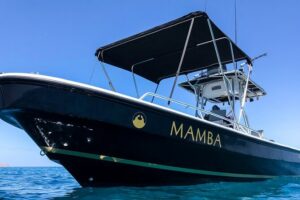
- Miguel is listed as the boat captain in a recent example, and that role is more than driving. A good captain helps the day feel safe and steady, and can be a real resource with equipment setup during the move to the sites.
Even if you’re an experienced scuba participant, you’ll appreciate this layer of organization. It reduces the mental load. And on a two-session morning, less stress usually means better attention underwater.
Safety Notes You Should Treat as Non-Negotiable
The outing clearly states it’s not recommended for:
- asthma
- heart issues
- recent surgeries (unless you’ve been cleared by a doctor)
It also notes you should complete a medical questionnaire so the team can confirm you’re fit for the day. Don’t try to “work around” this part. If you’re unsure, ask your doctor rather than gambling on a fun reef day.
Flying rule after the last water session
One of the most important safety statements is the flight timing: wait 18–24 hours after diving before flying. For planning, that means your airport timeline needs to respect your last session. If your flight is early, you may need to schedule your scuba day the day before.
Seasickness prevention: use it early
If you get motion sick, the plan suggests taking anti-nausea medication 1–2 hours before boarding. I like that they say this upfront. You don’t want to discover your limits after the boat leaves the dock with two reef sites ahead of you.
If you’re not prone to seasickness, you can treat this as insurance. If you are prone, take the note seriously and plan ahead.
What to Expect Underwater: Coral Life, Fish, and Occasional Big Encounters
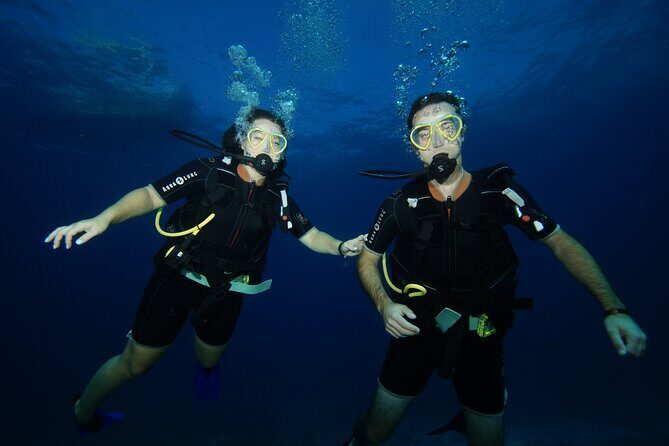
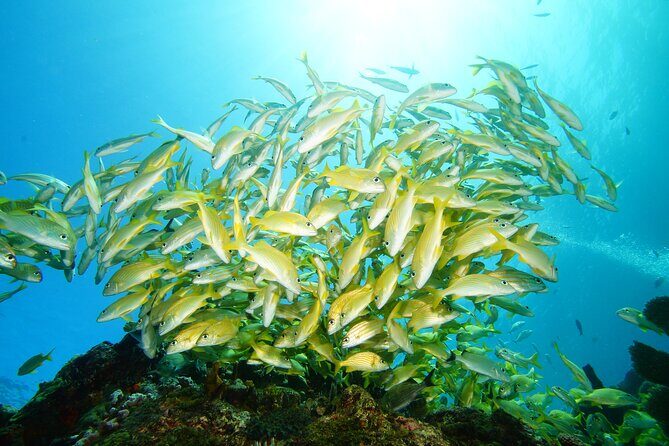
The purpose here isn’t to promise one specific animal. It’s to get you onto reef habitats where you can see the basics well—coral, fish, and the chance for larger wildlife.
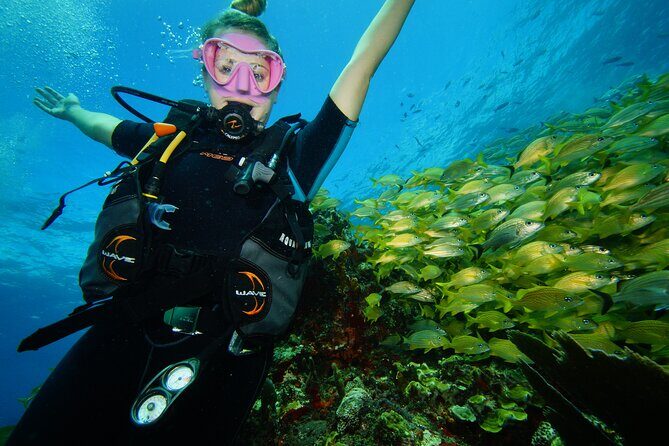
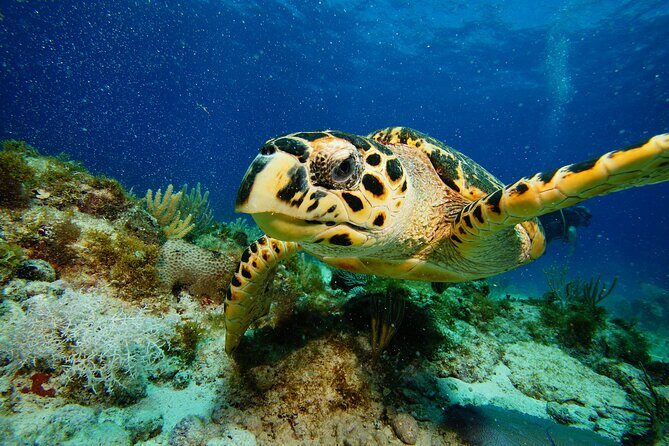
From the way Punta Negra is described in this setup, you’re in the zone for coral and fish, with the possibility of sea turtles or rays. Then, on the second site, the reef structure leans more toward caves and passages, so you often see fish moving in and out of the structure and more varied underwater “scenes.”
In one booking example connected to this style of outing, the group saw 3 sharks and 4 eagle rays across the two reef sessions, plus lots of fish and coral and sponge variety. That’s not a guarantee, but it shows what kind of wildlife days can happen when conditions cooperate.
Price and Value: Is $145 Worth It?
The price is $145.00 per person, with a total day that’s about 4 hours. On paper, that sounds simple. In practice, the value comes from what’s included.
You’re getting:
- two outside reef sessions
- full scuba equipment
- snacks, bottled water, and hot tea in winter time
And you’re going with a small-group model (maximum of 4 travelers). Small groups matter because they cut down waiting and make it easier for the guide to support your needs.
What’s not included:
- wetsuit (optional)
- government fees of $10.00 per person
- photos/videos (optional)
- transportation (optional)
So the real value question is: are you trying to travel light and want someone to handle the gear, setup, and timing? If yes, $145 can feel fair fast—especially if you’d otherwise pay for rentals and spend time figuring everything out yourself.
If you already own everything and you’re only chasing one reef site, you might compare options. But for a two-site morning with equipment handled, this is a practical use of your time.
Who This Reef Pair Is Best For (and Who Should Skip It)
This plan is aimed at certified scuba participants who already know the basics of buoyancy control and can swim confidently. It’s not for people who want a first-time intro. The day expects you to handle the standard scuba flow smoothly.
You’ll be a strong match if you:
- want two reef sites without taking up your entire day
- like a small-group feel
- want equipment included so travel is easier
- feel comfortable at around 50–55 feet
- plan ahead for seasickness if you’re prone
You should skip it if you don’t meet the health requirements, or if you can’t follow the flight rule timing. Also, if you’re still working through core comfort underwater, the second session can feel like a lot—unless your guide is willing to help you steady out early.
Should You Book This Cancun Two-Reef Scuba Outing?
I’d book it if you want a well-run morning with two different reef experiences, small-group attention, and equipment included. It’s the kind of outing that saves you time and mental energy so you can focus on fish, coral, and the “wow, look at that” moments—without turning the day into a chaotic schedule puzzle.
Skip it if you’re dealing with the health limits listed, you can’t plan around the 18–24 hour flight rule, or you know you get seasick and won’t take preventive steps.
If you’re a certified scuba participant looking for a solid value reef morning in Cancun, this is a smart, practical choice.
FAQ
What reef sites are included on this outing?
The reef plan is built around Punta Negra plus a second reef choice that can include Grampin or The Tunnel. Horse Shoe Reef is also listed among the reef options connected to this style of trip.
How deep are the sessions?
The plan is described as going to about 50 feet, with one part specifically mentioned around 55 feet.
What’s included in the price, and what costs extra?
Included: two outside reef sessions, full scuba equipment (mask, fins, BCD, regulator, tanks, weights), snacks, bottled water, and hot tea in winter time. Not included: government fees of $10.00 per person, optional wetsuit, optional photos/videos, and optional transportation.
Do I need to be a certified scuba participant?
Yes. This outing is for certified scuba participants and also notes you should be a proficient swimmer.
What health conditions make this not recommended?
It’s not recommended for people with asthma, heart issues, or recent surgeries unless cleared by a doctor. You’ll also complete a medical questionnaire before you board.
How many people are on the tour?
There’s a maximum of 4 travelers, which helps keep the day small-group and more manageable.