REVIEW · CHOCOMUSEO PUERTO VALLARTA
Puerto Vallarta: Bean to Bar Chocolate Workshop
Book on GetYourGuide →Operated by ChocoMuseo Puerto Vallarta · Bookable on GetYourGuide
Cacao to chocolate in two hours. What makes this workshop fun is that you don’t just watch—you roast and grind cocoa beans and then turn them into real chocolate with guidance from ChocoMuseo experts. I also like the chocolate museum tour, because it puts the taste into context: where cacao came from and how chocolate became what you buy today.
One thing to plan around: it’s not a full meal experience. You’ll have 3 traditional drinks included, but food or extra drinks aren’t part of the package, so you may want to eat before or after depending on your day.
In This Review
- Key things to know before you go
- Bean to Bar at ChocoMuseo Puerto Vallarta: What You’re Actually Paying For
- The Museum Tour: How Cacao History Turns Into Better Chocolate Choices
- Roasting and Grinding Cocoa Beans: The Step That Makes It Real
- The Three Traditional Drinks You Prepare (and Why This Part Is Worth It)
- Molding Your Own Chocolate: What You Take Home Actually Reflects You
- How the 2-Hour Timeline Feels in Real Life
- Dietary Needs: Vegan and Gluten-Free Options Can Be Part of the Plan
- Who Should Book This Workshop (and Who Might Skip It)
- Price and Value: Is $62 Reasonable?
- Should You Book This Bean-to-Bar Workshop?
- FAQ
- Where does the Puerto Vallarta bean-to-bar chocolate workshop take place?
- How long is the workshop?
- How much does it cost?
- Is the workshop taught in English?
- How large is the group?
- What’s included in the price?
- What is not included?
- Can the workshop accommodate dietary restrictions?
- Is the workshop wheelchair accessible?
- What should I bring and wear?
- How flexible is cancellation or booking?
Key things to know before you go
- Small group (up to 8) means you get time to ask questions and actually do the steps.
- Hands-on bean work: roast and grind cocoa beans, then work the chocolate into molds.
- Three traditional drinks you prepare yourself, not just sample from a table.
- You leave with your own chocolate made during class, plus toppings/ingredients for creations.
- English instruction with an instructor who keeps it interactive (Rodrigo, Martin, Zoar are some of the names I’ve seen).
- Comfort matters: wear comfortable clothes and shoes because there’s active prep involved.
Bean to Bar at ChocoMuseo Puerto Vallarta: What You’re Actually Paying For
The price is $62 per person for a 2-hour workshop, and the value is that you get an entire mini “from cacao to chocolate” process—guided, practical, and hands-on. You’re not paying just for tasting; you’re paying for access to the steps, the tools, and the ingredients to build your own chocolates.
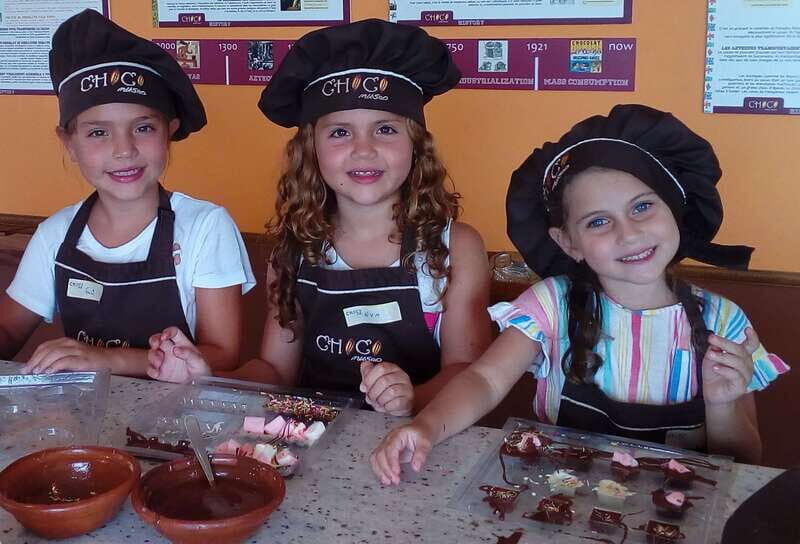
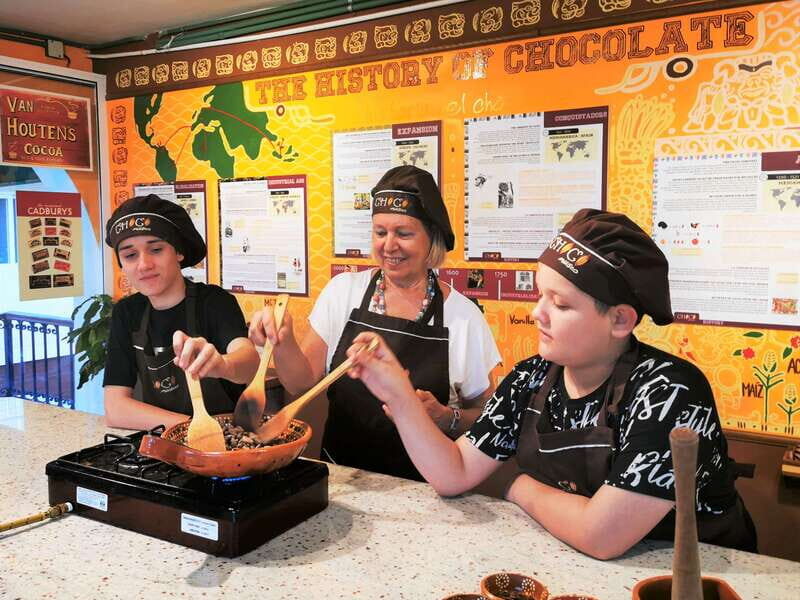
You’ll also be given an apron and hat for the duration of the workshop. That small detail helps you feel like you’re in a real production space, not just standing around with a cup.
ChocoMuseo Puerto Vallarta is the provider for this experience, and you’ll meet at the scheduled meeting point. Arrive on time; with a short, 2-hour format, being late can cut into the parts where you’ll get to work.
The Museum Tour: How Cacao History Turns Into Better Chocolate Choices
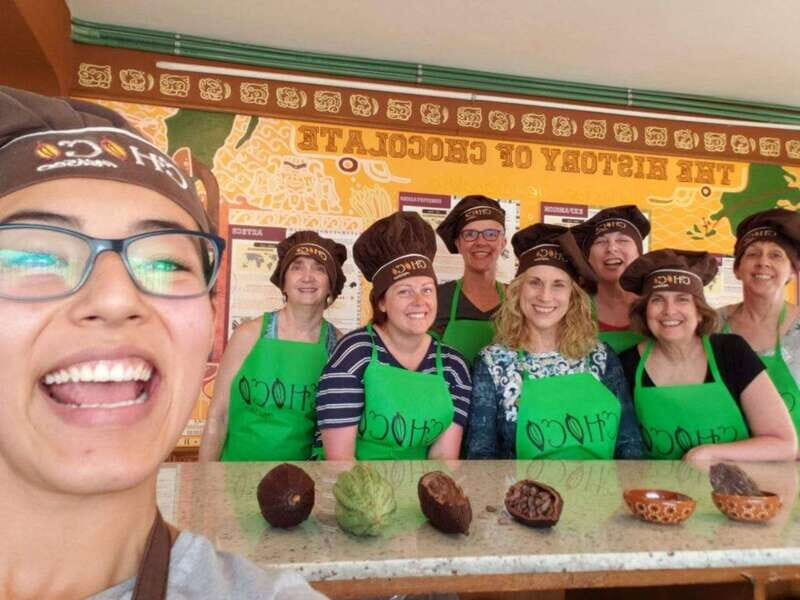
This class starts in the museum with a guided tour focused on the history of cacao and chocolate. That matters because once you understand cacao’s origin story and how chocolate spread and changed, tasting feels less random and more intentional.
Expect clear explanations of how cacao becomes chocolate, plus time to ask questions. Many people also appreciate the interactive style of the instructors—Rodrigo, for example, is called out as fun and hands-on with the group, and Zoar is noted for keeping mixed-age groups engaged.
You’ll likely notice the museum atmosphere helps you slow down. It’s not just about learning facts; it’s about building a “why” so the workshop steps make sense while you’re doing them.
Roasting and Grinding Cocoa Beans: The Step That Makes It Real
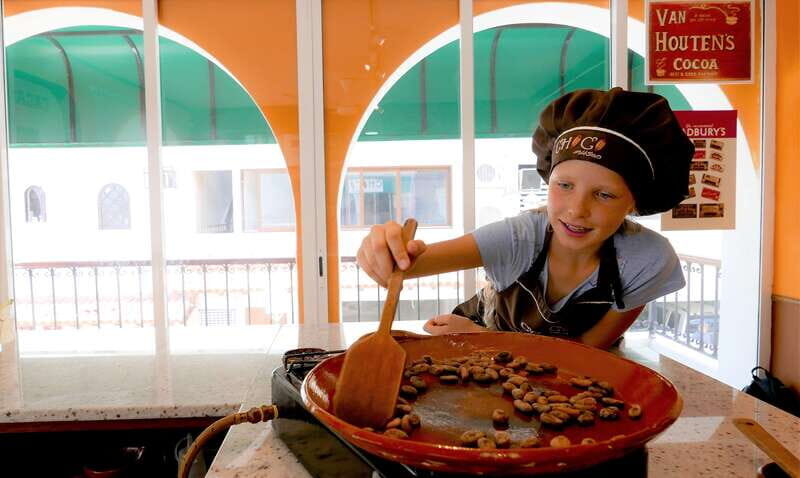
This is the moment you’ll remember: you get to roast and grind cocoa beans. When you’re standing over the process, it clicks—cacao isn’t chocolate yet. It’s raw material with aromas that change as heat and grinding bring out different notes.
The workshop guide walks you through the process, so you’re not guessing. And because it’s a small group, you don’t get stuck waiting your turn while everyone else moves on.
From a practical point of view, wear comfortable shoes and clothes. Even in a short class, bean-to-bar work can be hands-on and a little messy. The apron helps, but you’ll still want clothing you’re comfortable wearing for a workshop.
The Three Traditional Drinks You Prepare (and Why This Part Is Worth It)
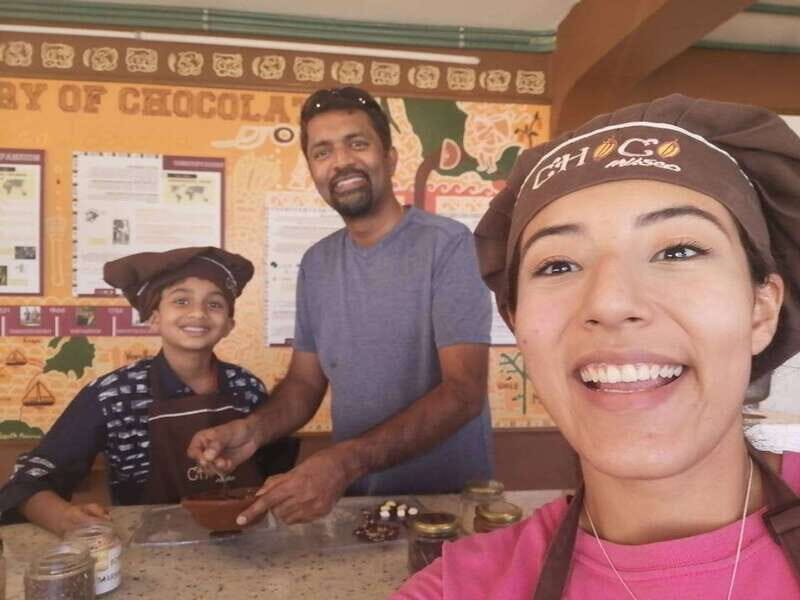
A big part of the experience is that you prepare three traditional chocolate drinks yourself. Instead of being a passive sampler, you’ll follow the steps and make the drinks as part of the activity, which is a great way to understand texture, sweetness, and how cacao is used in different styles.
One drink is described as chocolate tea, and the feedback is that it tastes yummy. Another includes masa in the mix; if you’re sensitive to texture differences, treat this as an acquired taste. You can still enjoy the flavor, but the feel may be odd to some palates.
I like this section because it shows chocolate as a broader ingredient than a candy bar. You’ll see how tradition shows up in preparation, not just in the ingredient list.
Molding Your Own Chocolate: What You Take Home Actually Reflects You
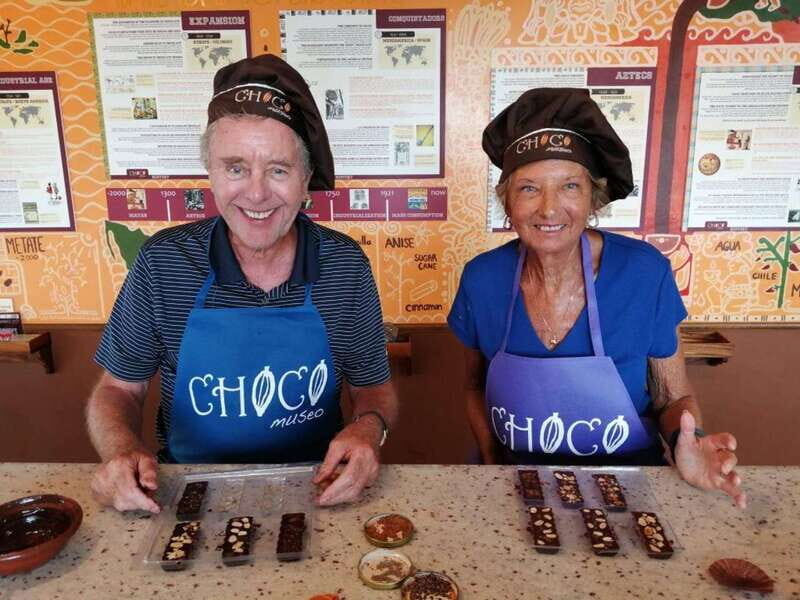
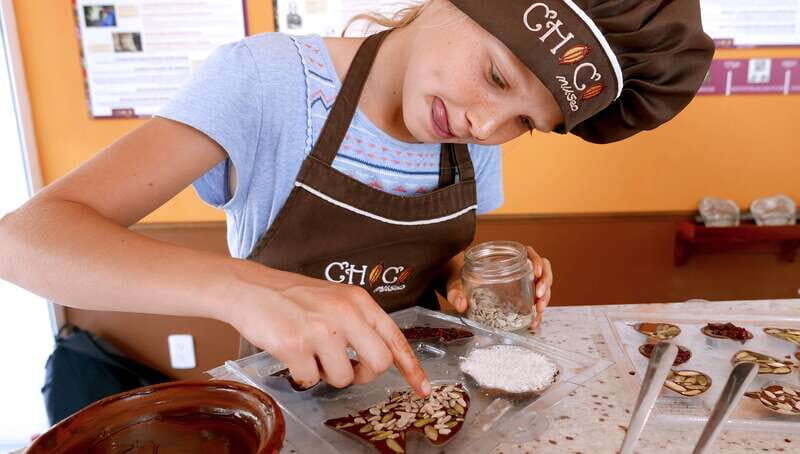
After you work through the bean-to-bar steps, you move into making chocolates with ingredients, materials, and toppings provided. You’re not leaving with a tiny sample—your experience includes the chocolate you make, and you’ll also get to assemble your own creations with add-ins.
In the feedback, people mention choosing between dark or milk chocolate. That’s a nice way to personalize what you end up taking home, especially if you know your preferences.
You’ll have the chance to add toppings and mix-ins, so the final result becomes something you can point to later and say, I made that. It’s one of those rare activities where the souvenir is genuinely linked to the work you did—not just a shop receipt.
Also, you may notice a store downstairs, and people describe buying extras like chocolate-covered orange peels. If you’re tempted, plan a little browsing time after class so you can make the most of being there.
How the 2-Hour Timeline Feels in Real Life
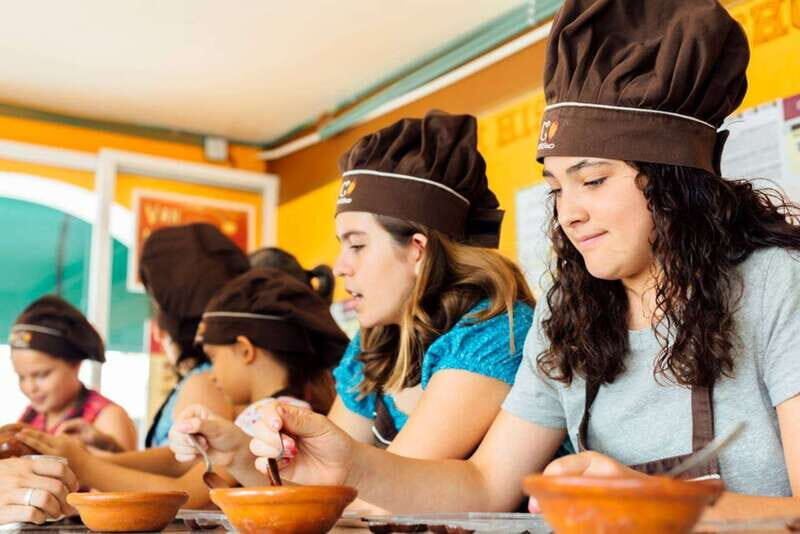
Two hours sounds short, but the structure is built for momentum: museum tour, roast and grind, then the drink-making and chocolate-making. The upside is you stay energized; the downside is you won’t have time for a long chat about every detail.
Because the group is limited to 8 participants, the instructor can keep things moving without losing control of the process. You’ll likely find it’s a good mix of teaching and doing—especially if you’re the type who learns faster when your hands are working too.
This is also why “arrive on time” matters. If you show up late, you miss the early museum context and the bean steps that set up everything else.
Dietary Needs: Vegan and Gluten-Free Options Can Be Part of the Plan
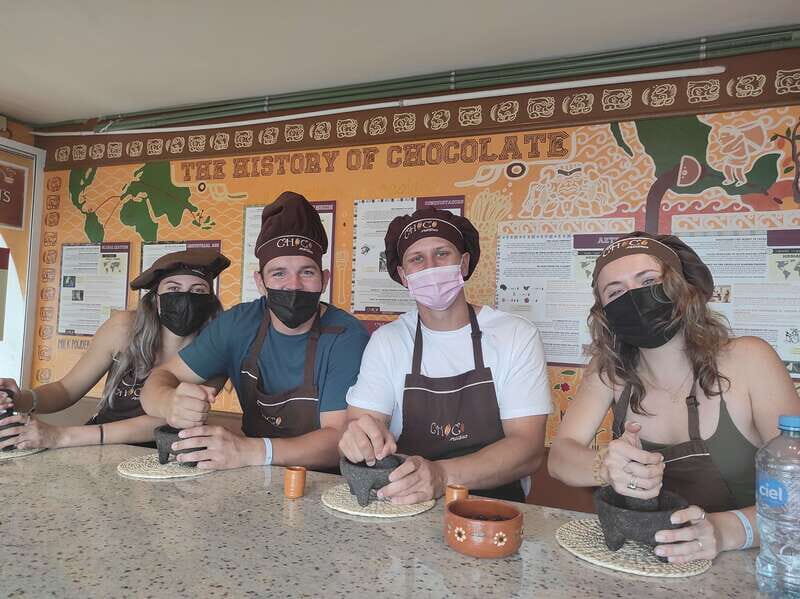
The workshop can be vegan, vegetarian, gluten-free, and lactose-free. That’s a meaningful advantage if you’re traveling with dietary restrictions, because it’s baked into the experience rather than treated like a last-minute exception.
One practical tip: if you’re strict about avoiding certain ingredients, it’s still worth confirming what’s included when you book. The data says it can be adjusted for many needs, but the more specific you are, the better your outcome will be.
If you’re flexible, you’ll still enjoy the process because the core steps—roasting, grinding, and learning how chocolate changes—stay the same.
Who Should Book This Workshop (and Who Might Skip It)
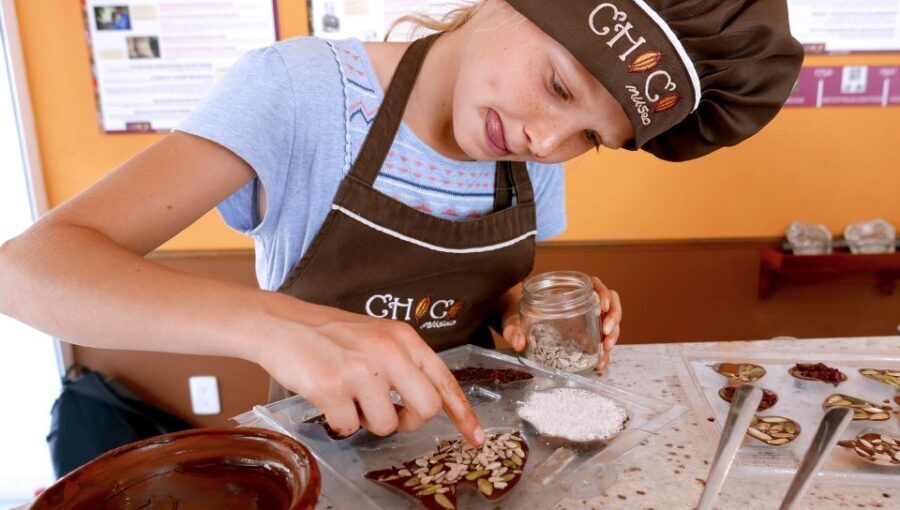
This fits best if you like hands-on learning and you want more than a quick tasting. It’s also a strong choice for families and mixed ages; the group range mentioned goes from kids around age 10 up through adults, and instructors are praised for keeping everyone engaged.
It’s also ideal if you enjoy culture with your food. The museum history gives context, and the drink section adds a real-world understanding of how cacao shows up in traditional Mexican preparations.
If you’re wheelchair dependent, note that it’s not suitable for wheelchair users. If your priority is a full meal, you may be happier pairing this with food plans before or after, since food or extra drinks aren’t included.
Price and Value: Is $62 Reasonable?
For $62 per person, you get:
- a guided museum experience with a cacao/chocolate focus
- instruction in the full process from bean steps to chocolate
- roast and grind participation
- three traditional drinks you prepare
- the chocolate you make plus ingredients and toppings for your chocolates
- an apron and hat for the workshop period
What makes this feel like good value is that so much is included: time with an instructor, hands-on materials, and edible take-home results. You’d usually pay for tasting experiences and then pay extra to buy products; here, your work becomes the product.
If you love chocolate but also care about origins and process, this is the kind of class that turns into a story you can retell.
Should You Book This Bean-to-Bar Workshop?
Book it if you want a short, structured class that turns history into hands-on chocolate. I think it’s especially worth it if you’re curious about cacao origins, you like making things with your hands, and you want a take-home chocolate souvenir that actually comes from your own choices.
Skip it if you need a wheelchair-accessible activity or if you’re hoping for a full meal included in the price. Also consider your timing: the experience is 2 hours, so plan around it to avoid hunger stress.
If you’re on the fence, focus on one question: do you want to learn how chocolate is made, or do you just want to eat chocolate? This workshop is built for the first one.
FAQ
Where does the Puerto Vallarta bean-to-bar chocolate workshop take place?
It takes place in Jalisco, Mexico, and the experience is provided by ChocoMuseo Puerto Vallarta.
How long is the workshop?
The duration is 2 hours.
How much does it cost?
The price is $62 per person.
Is the workshop taught in English?
Yes. The instructor speaks English.
How large is the group?
It’s a small group limited to 8 participants.
What’s included in the price?
You get a tour guide within the museum, 3 traditional drinks you prepare, the chocolate you make, ingredients/materials/toppings to make chocolates, an apron and hat, and a cacao and chocolate expert.
What is not included?
Food or drinks beyond what’s included in the workshop, and transportation.
Can the workshop accommodate dietary restrictions?
The activity can be vegan, vegetarian, gluten-free, and lactose-free.
Is the workshop wheelchair accessible?
No, it is not suitable for wheelchair users.
What should I bring and wear?
Wear comfortable shoes and comfortable clothes. The workshop provides an apron and hat for the duration.
How flexible is cancellation or booking?
Free cancellation is available up to 24 hours in advance for a full refund, and you can reserve now and pay later.