REVIEW · PUERTO VALLARTA
Puerto Vallarta: Baby Turtle Release in Conservation Area
Book on GetYourGuide →Operated by Vallarta Bionature Tours · Bookable on GetYourGuide
Baby sea turtles meet your hands and eyes.
This Puerto Vallarta conservation visit takes you into a working olive ridley sea turtle program, led by guides like Eduardo (and sometimes Eddie) who talk you through the real work, not just the feel-good moment. I love how the experience is timed for the bay’s changing light, so you get biology class, then you get the ocean. And yes, you’ll walk about 15 minutes to reach the conservation area.
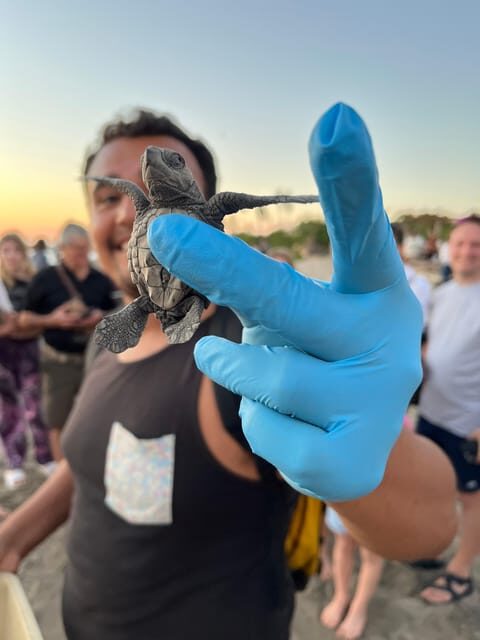
You’ll also love two big things: the hands-on release of baby turtles and the education that explains what’s happening to those eggs before they hatch. The camp team shows you how nests are found and eggs are collected, then how incubation prepares the babies for release. That makes the sunset moment feel earned, not staged.
One consideration: if turtles don’t hatch on your day, the experience may shift. You’ll have the option to reschedule or cancel, so plan some flexibility. Also, the walk is outdoors on sand, and the event isn’t a good fit for people with mobility issues, respiratory problems, animal allergies, or low fitness.
In This Review
- Key things to know before you go
- Where the turtle camp fits into Puerto Vallarta (and why this one is special)
- Getting to the meeting point at Paseo Bocanegra: the part you shouldn’t rush
- The first walk: 15 minutes that sets the tone
- The 45-minute campsite class: olive ridley basics you’ll actually use
- Wildlife viewing: the calm break between eggs and ocean
- The sunset hatch moment: why late day changes the whole experience
- Releasing the baby turtles: what you’re really doing with your hands
- Photos, water, and the $40 value question
- The practical stuff nobody wants to think about: what to bring and what to skip
- Who this works for, and who should pick a different turtle outing
- The ending matters: you’re not left hanging on the beach
- Should you book the Puerto Vallarta baby turtle release?
- FAQ
- How long is the baby turtle release tour?
- How much does it cost?
- Where is the meeting point?
- Is transportation included?
- How much walking is involved?
- What languages do the guides speak?
- What is included in the tour price?
- What should I bring?
- Are drones allowed?
- What happens if no turtles hatch on your reservation day?
- Are young children allowed?
Key things to know before you go
- Olive ridley focus: learn the species life cycle and why egg incubation matters
- A real nest-to-ocean flow: you see nest searching, egg collection, incubation, then release
- Sunset over the bay: the hatching and release are designed around late-day light
- A guide-led, bilingual program: English and Spanish live guidance throughout
- Photos are part of the package: a photographer captures you during the release moment
- Basic camp realities: expect simple facilities for an out-of-the-way beach area
Where the turtle camp fits into Puerto Vallarta (and why this one is special)
Puerto Vallarta is full of sea views and seafood tours. This one is different because it’s tied to a specific conservation job: protecting olive ridley sea turtles where they nest. The setting isn’t a fancy resort stage. It’s a working natural area, and your role is to learn and participate in the release as part of that effort.
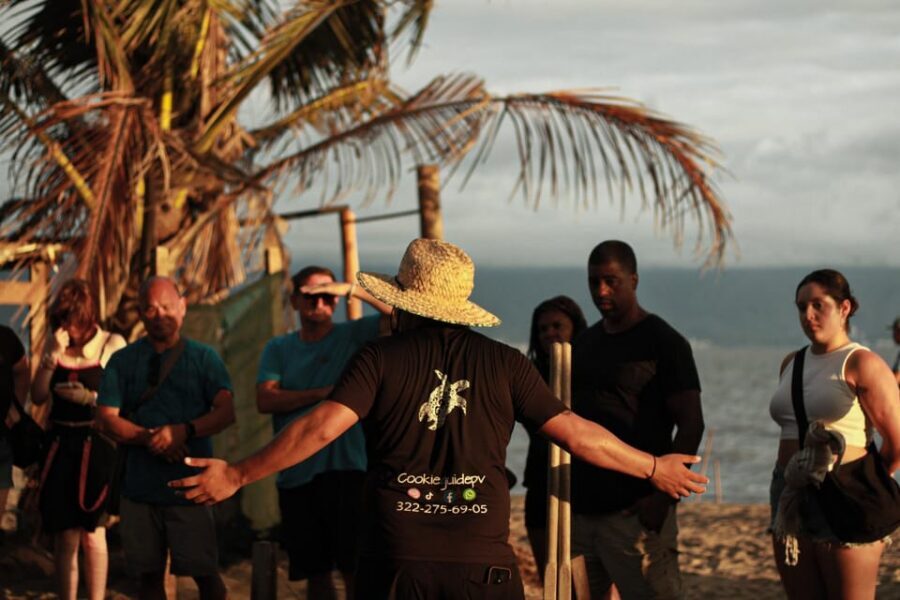
The schedule is built around the most emotional part of the day: late light and the baby turtles’ first sprint toward the sea. But the tour doesn’t skip the hard part. Before you ever see hatchlings, you get an explanation of how conservation workers locate nests and handle eggs, and why timing and care during incubation affects survival.
In short, you get a clear line from cause to effect. That’s what makes it feel meaningful.
You can also read our reviews of more tours and experiences in Puerto Vallarta.


Getting to the meeting point at Paseo Bocanegra: the part you shouldn’t rush
This tour starts at the end of Paseo Bocanegra street. Getting there matters, because the campground is at the far end of the beach approach and the access routes can feel confusing the first time.
The best access is through the Marina Vallarta area: you go in via Albatros street, cross Paseo Bocanegra, then continue straight until you reach the end. You should spot a golf course, a wall with drawings, and then the beach area at the finish.
A practical tip from the tour experience: if you arrive early, wait where you’re supposed to start. Don’t walk to the campsite on your own. This is exactly the kind of out-of-the-way place where a wrong turn eats your time.
Also note that transportation isn’t included. If you’re using a rideshare, plan the route to the meeting point first, then go from there.
The first walk: 15 minutes that sets the tone
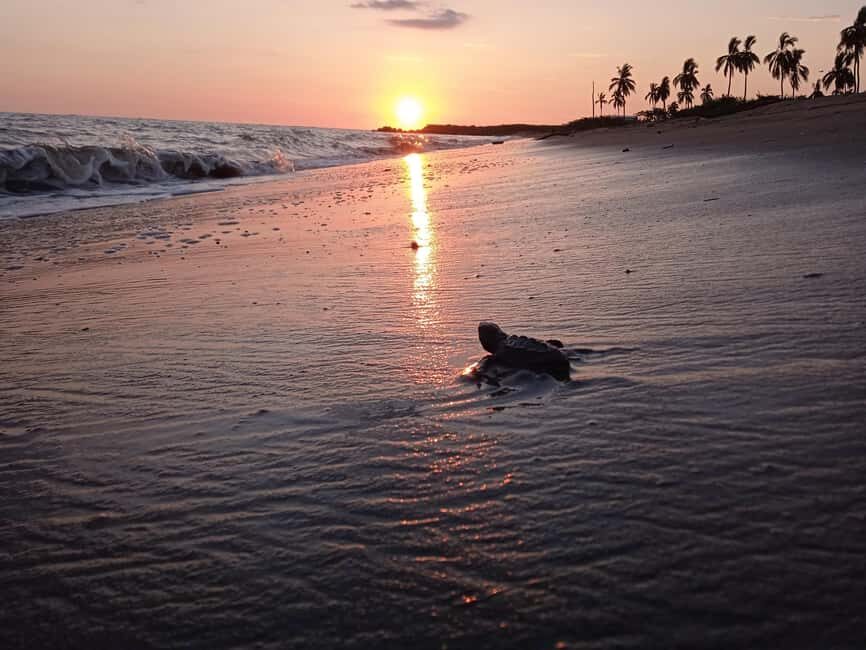
Once the group gathers, you head on foot toward the conservation area. Expect about a 15-minute walk to reach the campsite.
This is the moment where you feel what kind of tour you’re on. This isn’t a quick photo stop. It’s a real beach walk under open skies, with sand and uneven ground likely to slow you down. It also helps you understand why they have clear rules about fitness and mobility needs.
If weather is on the rough side, don’t panic. One person described rain gear being provided when conditions turned. Still, pack for the reality that you’ll be outdoors for part of the day.
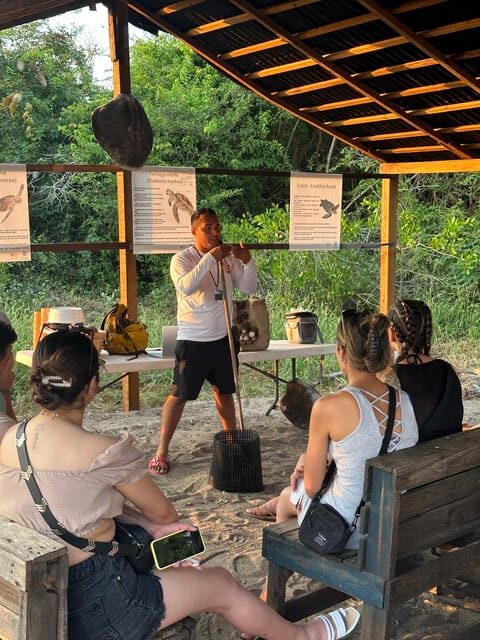
The 45-minute campsite class: olive ridley basics you’ll actually use
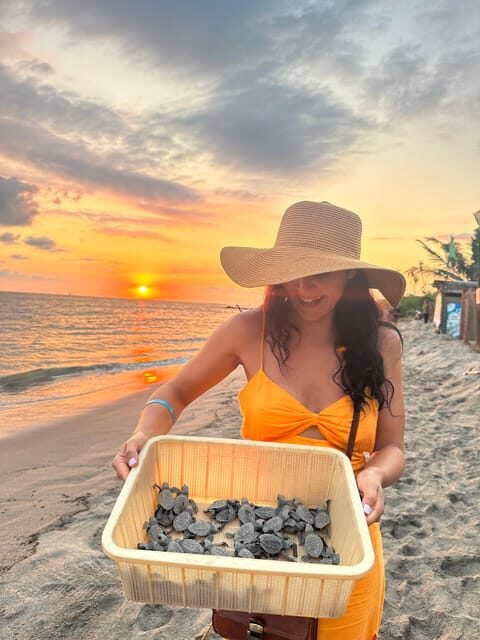
At the campsite, the first major block is about 45 minutes of instruction. This is where the tour earns its reputation as more than a simple “release party.”
Here’s what you’ll focus on:
- How olive ridley sea turtles live and reproduce
- How nests are located and how conservation workers collect eggs
- How incubation is managed so hatchlings can emerge at the right time
- What happens after hatching, including the idea of “first journey” survival
This session is also the moment to ask questions. I found it helps to go in curious, because the guide isn’t just reading facts off a slide. They’re explaining the logic behind the work. And that logic is what makes the release feel grounded instead of symbolic.
Different guides have led tours (Eduardo, Eddie, Carlos, Tony show up in different sessions), but the key is consistent: the camp team wants you to understand the why, not only the what.
Wildlife viewing: the calm break between eggs and ocean
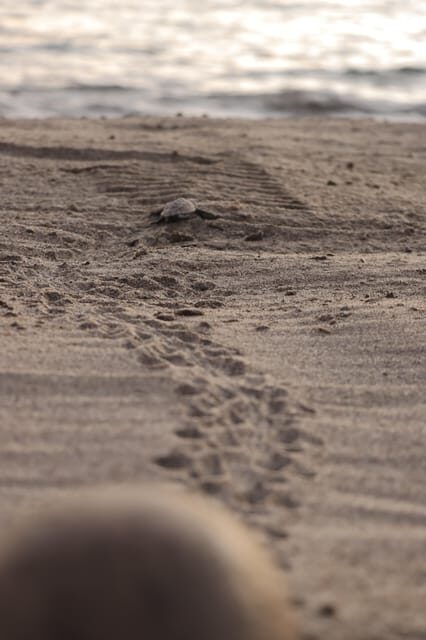
After the class, you’ll do about 20 minutes of wildlife viewing. This is a quieter stretch of the program, and it’s not just a break for you. It’s part of staying present in the natural setting.
You’re learning how to look at the environment the way conservation workers do. Even when you’re not seeing sea turtles in the moment, the beach setting becomes the lesson. You start noticing the rhythms: where turtles nest, where hazards show up, and how the work depends on careful observation.
One honest note: the tour is timed for a sunset moment later, so this viewing block is easy to treat as “pause and breathe,” not as dead time.


The sunset hatch moment: why late day changes the whole experience
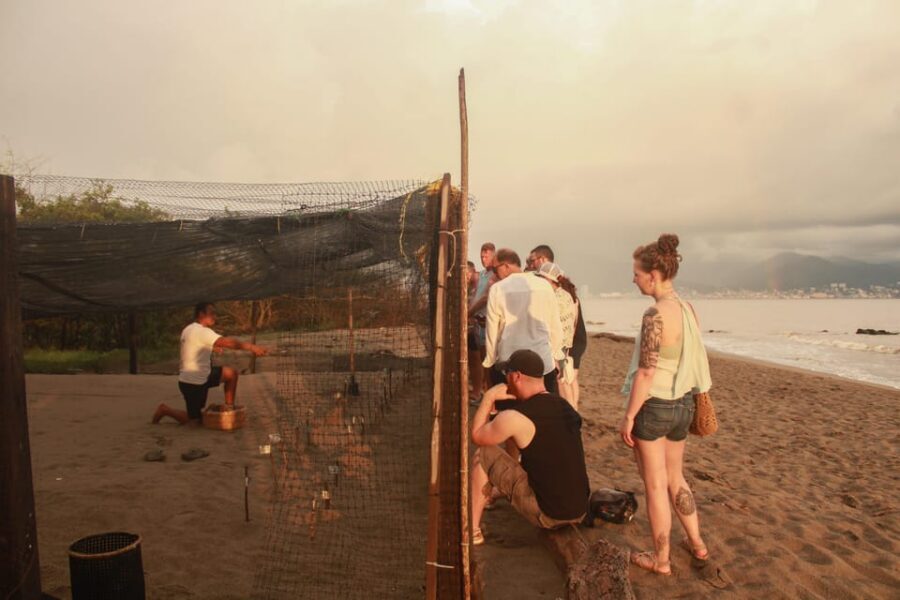
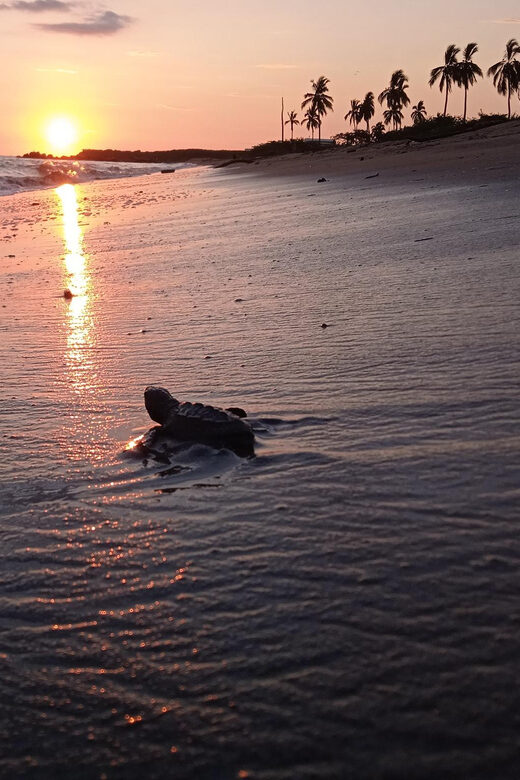
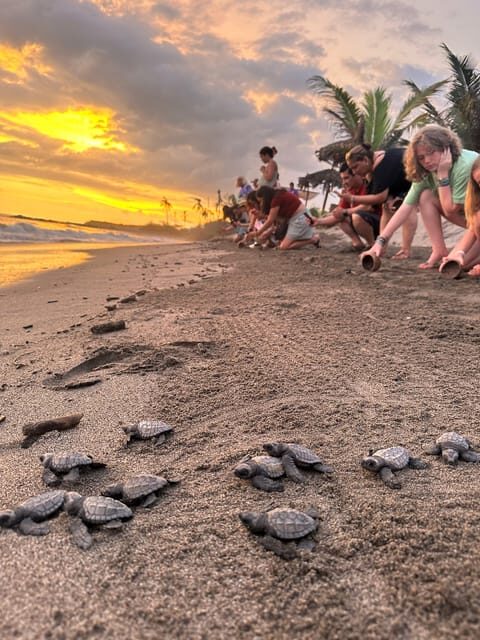
Then comes the highlight: late-day views over the bay, followed by the hatch-and-release spectacle. The tour is structured so you’re in the right place for the magical timing, when babies hatch and move toward the ocean.
This is also where you see how the day’s earlier work connects to the final outcome. The eggs that were collected, incubated, and monitored are now baby turtles making their first trek. Watching hatchlings scramble toward the sea changes your perspective fast. It’s hard to think of it as just another animal encounter.
And yes, naming can be part of the ritual for many groups. People have described saying a small wish or prayer while releasing. Whether you do that or not, the emotional tone stays the same: you’re participating in a real conservation process.
One more practical detail: weather can shift. If it’s stormy, it can feel tense while you’re waiting. But the experience has been able to continue and still deliver a sunset before the release moment.
Releasing the baby turtles: what you’re really doing with your hands
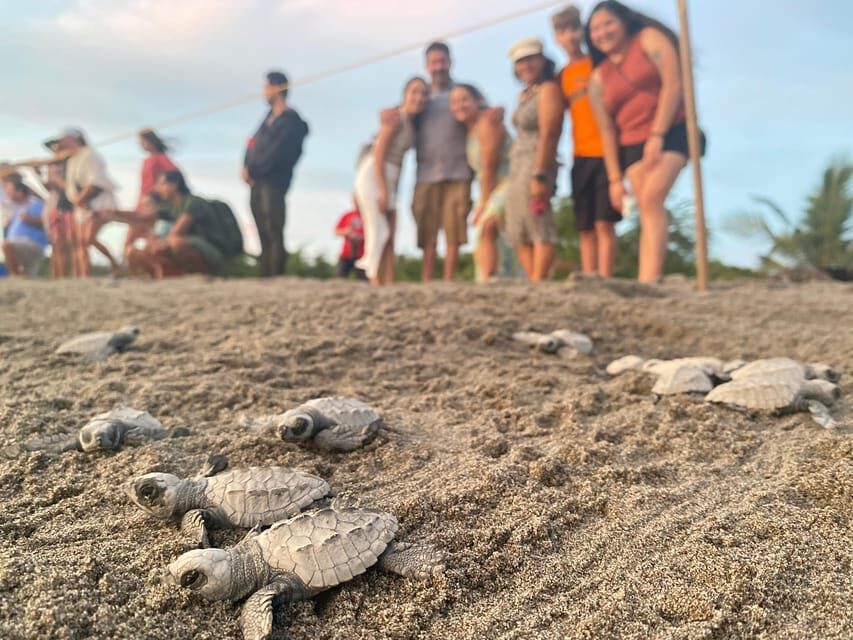
When your group is assigned a baby turtle for release, you’ll take part in sending it into the ocean. That’s the core activity, and it’s why this costs more than a generic animal show.
Here’s the important value in the release: you’re not touching wildlife for entertainment. You’re taking part in a structured conservation step that depends on careful egg handling, incubation, and timing. The guide will help you follow the rules for where to stand and how to let the turtle move on its own.
You’ll also want to stay focused, not distracted. One reason this tour works so well is that the guides encourage you to be present in the moment while a photographer captures the experience for you.
If you want a mental checklist for that moment:
- Keep your eyes on the turtle
- Listen for instructions
- Don’t rush the process
- Let the turtle lead the way once released
Photos, water, and the $40 value question
At $40 per person for about 2.5 hours, you’re paying for several things that matter. The tour includes:
- A guide
- The turtle release experience
- A demonstration covering nest and egg collection
- Water
- Photos
Transportation isn’t included, so factor in how you’ll reach the meeting point. That said, the package value is strong because you’re getting education plus structured participation. Many activities give you a view of animals; far fewer connect you to the egg-to-hatch process with a guide explaining the conservation logic.
Photos can be included, but details can vary session to session. Some people mentioned receiving a photographer’s shots with a link, while others noted an extra cost if they wanted to keep the images. Best move: confirm the photo format and what you’re paying for (if anything) before the release.
Also, water is included. That matters more than you might think on an outdoor beach schedule.
The practical stuff nobody wants to think about: what to bring and what to skip
This is an outdoors, sandy-area activity. Bring what keeps you comfortable and safe:
- Biodegradable sunscreen
- Comfortable clothes
- Insect repellent
One tip you’ll appreciate only after you’ve regretted it: bug spray matters. People have said they didn’t bring it and wished they had.
What’s not allowed:
- Drones
- Alcohol and drugs
If you’re sensitive to insects, allergies, or breathing issues, take that seriously. The tour isn’t positioned as a relaxing walk-and-snack evening. It’s active outdoors with close timing to a beach release.
Who this works for, and who should pick a different turtle outing
This tour has clear fit guidelines. It is not suitable for:
- People with mobility impairments and wheelchair users
- People with respiratory issues
- People with animal allergies
- People with high blood pressure
- People with low level of fitness
- Children under 5 years old (they only observe the release without participating)
If you have kids, it can be a family-friendly hit. One group included a 10-year-old, and they loved releasing the turtles. Another family brought a 9-year-old niece and found the guides made it work for mixed ages. Still, follow the age rules.
If you’re someone who likes hands-on meaning over passive sightseeing, this tour is your kind of evening. If you want a quick, easy “look at sea turtles from far away” experience, you might prefer something else.
The ending matters: you’re not left hanging on the beach
A small but meaningful detail: the guides stay with the group after the release to make sure everyone heads out safely. People have described support such as helping call taxis and checking that each participant gets moving.
That’s a big deal when your meeting point is at the far end of the route, and you’re walking back through a beach area at nightfall.
Should you book the Puerto Vallarta baby turtle release?
If you’re deciding based on meaning and learning, I’d say yes. The tour is built around real conservation work, not just a feel-good photo. You’ll learn how nests and eggs are managed, then you’ll participate in the release at sunset with a view over the bay. The education part is strong enough that the release feels connected to the bigger mission.
I’d pause before booking if:
- You can’t handle walking outdoors on sand
- You have respiratory issues, animal allergies, or high blood pressure
- Your schedule is tight and you can’t adjust if turtles don’t hatch that day
If you can handle basic outdoor conditions and you want to be part of a conservation moment with clear context, this is one of the best ways to spend a couple of hours in Puerto Vallarta.
FAQ
How long is the baby turtle release tour?
The experience lasts about 2.5 hours.
How much does it cost?
It costs $40 per person.
Where is the meeting point?
The meeting point is at the end of Paseo Bocanegra street. You’ll access the area through the Marina Vallarta area by going via Albatros street, crossing Paseo Bocanegra, and continuing straight to the end.
Is transportation included?
No. Transportation to the meeting point is not included.
How much walking is involved?
You walk about 15 minutes to reach the conservation area, and you walk about 15 minutes back.
What languages do the guides speak?
The live guide provides English and Spanish.
What is included in the tour price?
Included are the guide, the turtle release experience, a demonstration of nest and egg collection, water, and photos.
What should I bring?
Bring biodegradable sunscreen, comfortable clothes, and insect repellent.
Are drones allowed?
No, drones are not allowed.
What happens if no turtles hatch on your reservation day?
If no turtles hatch that day, you can reschedule or cancel.
Are young children allowed?
Children under 5 do not have to pay, but they can only observe the turtle release without participating.