REVIEW · CABO SAN LUCAS
PADI Open Water Course in Cabo San Lucas
Book on Viator →Operated by Dive Ninja Expeditions · Bookable on Viator
Scuba in Cabo, minus the guesswork. This PADI Open Water Diver course combines PADI-recognized certification with small groups (up to 4) and expert coaching, all staged around the dramatic coastline where the Sea of Cortez meets the Pacific. You start with eLearning, then move into pool skill-building, and finally finish with four ocean training sessions across two days.
One thing to consider: it’s a weather-dependent, two-day commitment that can feel long if you’re prone to motion sickness or anxiety—though the team’s patience shows up again and again in the reviews.
In This Review
- Key things to know before you go
- Cabo San Lucas: where your PADI Open Water Diver course feels like more than a classroom
- How the two-day flow works: eLearning, pool skills, then four ocean sessions
- Step 1: eLearning you can start anytime
- Step 2: theory review + equipment basics
- Step 3: pool practice with an instructor coaching you
- Step 4: four open-water training sessions across 2 days
- The instructors: patience, clarity, and hands-on coaching
- Small group size (max 4): why it changes the learning curve
- Price vs. value: what $620 gets you (and what to check for)
- Your practical logistics: meeting point and timing that actually helps
- Ocean conditions and motion sickness: plan ahead, tell the team early
- Conservation and community-minded scuba learning
- Who should take this PADI Open Water course in Cabo
- Should you book PADI Open Water in Cabo with Dive Ninja Expeditions?
- FAQ
- How long is the PADI Open Water course in Cabo San Lucas?
- Where do you meet, and what time does the course start?
- What are the main parts of the course?
- How long does the PADI eLearning take?
- How many students are in the group?
- What is the price?
- Do you get a ticket electronically?
- When will I receive confirmation?
- Is the course dependent on weather?
- What is the cancellation policy?
Key things to know before you go
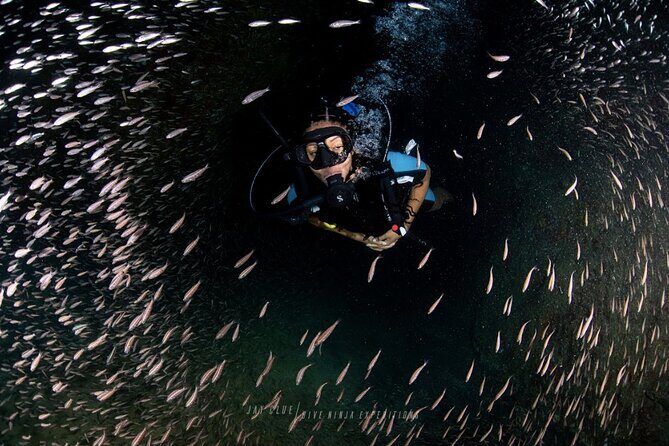
- Up to 4 students means more attention while you learn equipment and new skills
- eLearning first (6–10 hours) lets you progress on your schedule before meeting the instructor
- Pool practice + equipment coaching happens the same day as your ocean training starts
- Four ocean sessions over 2 days are structured to finish your Open Water Diver requirements
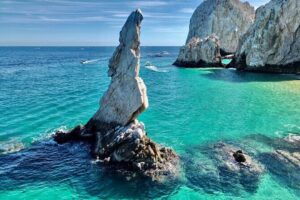
- Cabo’s setting adds real-world magic as you train near the meeting of two oceans and a famous rock formation
Cabo San Lucas: where your PADI Open Water Diver course feels like more than a classroom
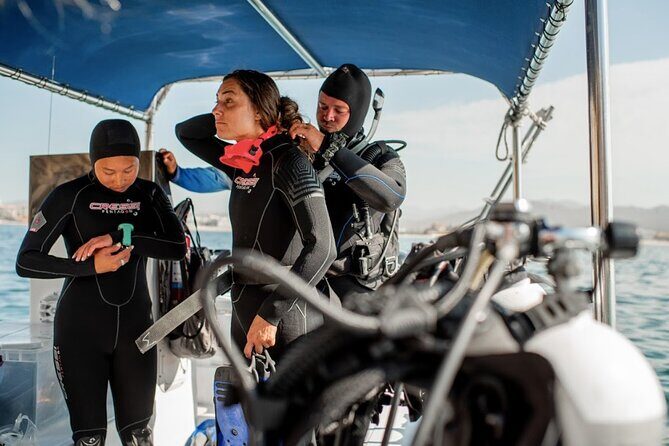
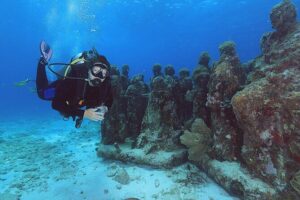
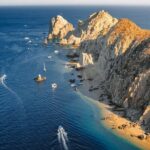
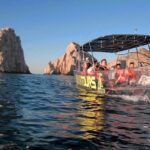
Cabo San Lucas sits at a very specific crossroads: the Sea of Cortez and the Pacific Ocean share space around the tip of the Baja Peninsula. The result is coastlines that look dramatic from the shore and even more interesting once you’re in the water. The course takes advantage of that by finishing your certification work in the ocean, not just in a pool.
Even if you’re nervous (totally normal for first-timers), the setting helps. Pool sessions teach you the mechanics. Then, when it’s time for open-water training sessions, you’re applying those skills in a place with clear visual cues—shorelines, depth changes, and that unforgettable rock formation you can see from land and from the water.
From the reviews, the instructors’ biggest strength isn’t just teaching skills. It’s turning a scary-looking process into something you can actually handle, even when conditions feel bumpy. One student described having seasickness and even a small panic moment on the first day, but being supported through it until day two clicked. That matters in Cabo, where ocean conditions can vary.
You can also read our reviews of more tours and experiences in Cabo San Lucas.
How the two-day flow works: eLearning, pool skills, then four ocean sessions
Here’s the rhythm you’ll be planning around: the PADI Open Water Diver course is built in three parts—theory, practice, and ocean training.
Step 1: eLearning you can start anytime
Before you meet the instructor, you complete the theory portion through PADI eLearning. The program can take 6–10 hours to finish, depending on how fast you move through the quizzes and exams. The practical advantage is timing: you can start it whenever you want, as long as you’re ready to finish the quizzes and exams before your instructor review.
Step 2: theory review + equipment basics
Once you meet your instructor, you do a review of the theory you completed online. Then you shift into how scuba equipment works—what each piece does, how it connects, and what you should be able to do comfortably before you’re in open water.
This part is more than paperwork. Good equipment understanding reduces stress. If you know what’s supposed to happen and why, you waste less energy panicking and more energy learning.
Step 3: pool practice with an instructor coaching you
After the equipment walkthrough, you go into the pool to practice core skills. The course structure has you meeting at 8:00am and spending the morning on pool work. The pool phase is where you build muscle memory with things like breathing control, regulator use, and basic buoyancy control—so the ocean sessions won’t be your first time trying skills under water.


Step 4: four open-water training sessions across 2 days
After lunch, the schedule moves to open water. The information provided says that the first ocean sessions happen at 1:00pm, and you’ll complete four open water training sessions over two days to qualify for certification.
So plan your mental energy like this: day one is a mix of learning and adapting. Day two is where skills should start to feel more natural, because you’ve already practiced them in the pool and reviewed the theory with the instructor.
Total duration is listed as 2 days and about 6 hours (approx.). Real life can stretch it a bit depending on conditions, but the key point is you’re not stuck doing a week-long program.
The instructors: patience, clarity, and hands-on coaching
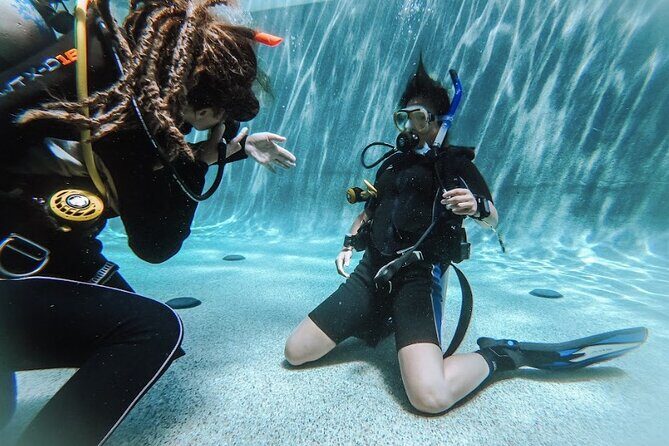
This is the part I’d focus on if you’re comparing operators. A PADI Open Water course is partly about the certification steps. But the real difference is how the instructor breaks the process down for your comfort level.
The reviews highlight several instructors by name, including Fabiano/Fabien/Fab (often praised for enthusiasm, patience, and clear explanations), Le Roux (praised for being excellent), Johnny (called clear and patient), Joy, Laura, Victoria, and Marcus. That range matters because it suggests a consistent teaching culture: people who enjoy teaching, explain in plain language, and adjust to students who need more time.
A few patterns stand out:
- Safety-first instruction: Students repeatedly mention feeling safe and supported.
- Patience when things get awkward: One review described getting through rough first-day seasickness and anxiety with support.
- Personal attention in small groups: Several reviews mention strong instructor focus, including cases where there were only two students with one instructor.
If you’re the type who learns best with step-by-step guidance, this kind of coaching style is exactly what you want.
Small group size (max 4): why it changes the learning curve
The course caps at maximum 4 travelers. That’s not just a comfort perk. It changes the teaching environment.
In a bigger group, instructors can end up doing more “watching and waiting.” With only a few students, you’re more likely to get immediate corrections—like how you’re holding equipment, how you’re positioning your body, or how to manage a skill when it feels harder than expected.
You’ll also feel it emotionally. When you’re the only one struggling in a group, you may assume you’re behind. In a small group, you’re more likely to get reassured and coached through it without feeling singled out.
The reviews back this up with comments about personalized, hands-on instruction and smaller-group attention.
Price vs. value: what $620 gets you (and what to check for)
The price is listed at $620.00 per person. That sounds simple, but here’s how I’d think about value.
You’re paying for a full pathway to certification:
- eLearning theory (with quizzes and exams)
- instructor review of what you learned
- equipment learning and support
- pool practice
- four ocean training sessions across two days
You’re also paying for a structure that’s designed to help first-time students succeed quickly. The average booking timing listed—about 82 days in advance—suggests this is a popular window for planning scuba trips, which usually means you should lock in dates early if you can.
What I’d personally check before confirming: since the information provided doesn’t list every logistical detail (like gear rental specifics, what’s included daily, or how long transfers take), I’d ask the operator what’s covered and what you should bring. Still, the overall package clearly includes the core steps required for PADI Open Water Diver certification training.
Your practical logistics: meeting point and timing that actually helps
This course starts at 8:00am at Dive Ninja Expeditions, Ignacio Zaragoza 345 Esq, 16 de Septiembre, Downtown, Centro, 23450 Cabo San Lucas, B.C.S., Mexico. The activity ends back at the meeting point.
That downtown location detail matters because it can make your day easier. You’re not spending the morning chasing remote pickup windows across town. Also, the listing says it’s near public transportation, which gives you flexibility if you’re not driving.
In terms of how you’ll feel during the day: you’re meeting early, then transitioning from pool practice to ocean training after lunch. If you’re prone to getting tired or hungry early, plan to eat before you go in and keep water on your radar—because once ocean conditions take over the schedule, you won’t want to be scrambling.
Ocean conditions and motion sickness: plan ahead, tell the team early
Cabo’s ocean training is part of the program, and that’s exciting. It also means you should respect that conditions can shift.
One review mentioned seasickness and a small panic attack on day one, and the instructor handled it with patience and support. That tells me two practical things:
- You won’t be brushed off if you struggle at first.
- You should communicate early if you’re nervous or motion-sick.
If you’ve had issues on boats or in bumpy water before, consider telling the instructor during the first day’s orientation and before you head out. It can help them adjust pacing and reassurance in real time.
Conservation and community-minded scuba learning
It’s easy for scuba training to feel purely technical—gear, skills, certification cards. Here, the operator also gets praise for conservation and community involvement. Several reviews specifically mention passion for conservation and positive efforts behind the scenes in a busy tourist town.
That doesn’t change how well you learn your buoyancy skills, but it changes how you carry the experience afterward. If you care about the ocean beyond the badge, it’s a nice match.
Who should take this PADI Open Water course in Cabo
This course is a strong fit if you want:
- PADI Open Water Diver certification you can finish in two full days
- a teaching style that emphasizes patience and safety
- small-group attention (max 4)
- the chance to complete ocean training in a spectacular Cabo setting
It’s also a good pick if you’ve previously tried scuba (like Discover Scuba) but want full certification. The reviews include students coming in with prior experience, yet still getting strong coaching and confidence-building.
If you hate crowds, want more direct feedback, or learn best with clear instruction and calm reassurance, this setup should feel right.
If you’re extremely time-sensitive, double-check your eLearning schedule. The theory portion can take 6–10 hours, so you’ll want to spread that out before your first morning.
Should you book PADI Open Water in Cabo with Dive Ninja Expeditions?
I think you should seriously consider booking if you value a small-group PADI Open Water Diver course with instructors praised for patience, clear teaching, and safety. The structure is practical: eLearning first, pool skills next, then four ocean training sessions over two days near a truly memorable Cabo coastline.
I’d be cautious only if you know you’re vulnerable to motion sickness and you haven’t managed that before—then book with eyes open and tell the team early. Weather-dependent scheduling also means flexibility helps.
If you’re ready to turn “someday” into certification and you want coaching that treats nervous first-timers like real people (not problems), this is a solid way to do it in Cabo.
FAQ
How long is the PADI Open Water course in Cabo San Lucas?
The course runs for about 2 days and 6 hours (approx.).
Where do you meet, and what time does the course start?
You meet at Dive Ninja Expeditions, Ignacio Zaragoza 345 Esq, 16 de Septiembre, Downtown, Centro, 23450 Cabo San Lucas, B.C.S., Mexico. Start time is 8:00am. The activity ends back at the meeting point.
What are the main parts of the course?
It includes theory, pool practice, and four open water training sessions over two days.
How long does the PADI eLearning take?
The eLearning can take 6–10 hours. You can start it anytime, and you must complete quizzes and exams before meeting your instructor.
How many students are in the group?
This activity has a maximum of 4 travelers.
What is the price?
The price is $620.00 per person.
Do you get a ticket electronically?
Yes, the listing says you receive a mobile ticket.
When will I receive confirmation?
Confirmation is received at the time of booking.
Is the course dependent on weather?
Yes. The experience requires good weather, and if it’s canceled due to poor weather, you’ll be offered a different date or a full refund.
What is the cancellation policy?
Cancellation is free if you cancel at least 24 hours in advance for a full refund. If you cancel less than 24 hours before the start time, the amount paid is not refunded. Weather and minimum-traveler situations can also trigger rescheduling or refund options.