REVIEW · COZUMEL
Open Water Course Cozumel
Book on Viator →Operated by Be Diving Scuba Academy · Bookable on Viator
Cozumel gets you certified quickly. You can finish PADI Open Water Diver training in about two days, with careful buoyancy and trim coaching from instructors like Jon and Mariana. What I like most is the way skills start in a small training pool and then move into real ocean conditions off the Mayan Riviera.
One thing to think about: the full program runs about 3 days (or 2, based on availability) and it assumes you can handle moderate physical activity in the water.
In This Review
- Key points
- A fast Open Water course that starts in water, not theory slides
- How the PADI-style phases work in plain English
- 1) Knowledge development: online or classroom
- 2) Confined water: equipment + comfort
- 3) Open-water sessions: use your skills for real conditions
- The “two days vs three days” decision: what it changes for you
- Your coaching style: buoyancy, trim, and calm instruction
- Equipment, setup, and what you’ll actually wear
- Where you train: pool skills, cenote water, and Cozumel reef conditions
- Pool time: get your body working before the ocean asks questions
- Casa Cenote (Tulum): a different type of water challenge
- Cozumel and the Mesoamerican reef: turning skills into real control
- Marine conservation shows up as more than a slogan
- Price and value: is $600 fair for a 2–3 day Open Water program?
- Logistics that matter: where you meet and how private coaching works
- Who this course is best for
- Should you book this Cozumel Open Water course?
- FAQ
- How long is the Open Water course in Cozumel?
- Is the theory part online or in a classroom?
- What scuba equipment do I use during the training?
- Where do I meet for this experience?
- Is this course private, and is it offered in English?
- What if weather is bad or I need to cancel?
Key points
- Fast track to certification: Open Water Diver training can fit into 2 or 3 days depending on your schedule
- Theory options: Knowledge development can be online (self-study) or in a classroom
- Beginner-focused skills: You practice with core gear and build comfort before any open-water conditions
- Real-world water experience: You may train in a cenote in Tulum (Casa Cenote) and then continue toward Cozumel reef conditions
- Responsible diving taught from day one: Marine conservation shows up alongside safety and technique
- A small-group feel: It’s listed as a private experience for only your group
A fast Open Water course that starts in water, not theory slides
If you want scuba certification without dragging it out, this Cozumel setup is built for momentum. The course is structured in phases: knowledge development, then confined water skills, then open-water sessions where you use what you learned. You still get the official framework, but you’re not stuck waiting for confidence to appear on its own.
Two things really matter for first-timers. First, the instruction emphasizes fundamentals early: buoyancy control, trim, and efficient body position. Second, you’re not treated like you’re on a deadline. Multiple reviews highlight patient coaching and enough time to practice until things click.
The trade-off is pacing. Because the goal is to complete the course quickly, you’ll want to show up with a calm mindset and a willingness to repeat skills. If you’re nervous in water, that can be fine, but you should be ready to practice.
You can also read our reviews of more tours and experiences in Cozumel.

How the PADI-style phases work in plain English
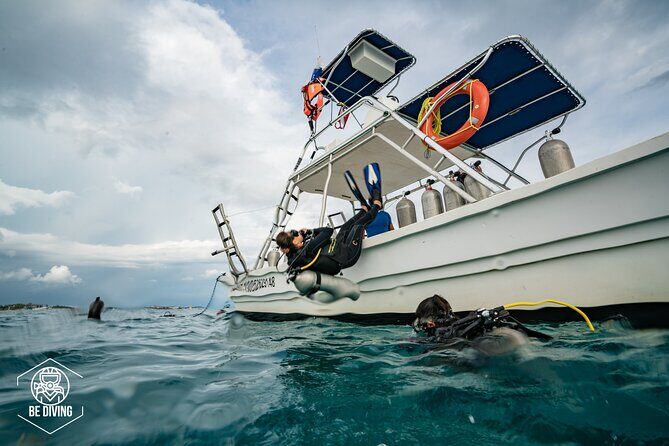
Here’s what the course is aiming to do, in the order you’ll experience it.
1) Knowledge development: online or classroom
You’ll learn the basics of scuba diving in a knowledge development phase. You can do this either through independent study online or in a classroom format. This matters because it affects how much time you spend using daylight versus time in training water.
If you’re more comfortable reading and studying at your own pace, online theory can help you settle in before you ever step into the pool or open water. If you learn better with live explanations and an instructor checking your understanding, the classroom option can take the edge off.
2) Confined water: equipment + comfort
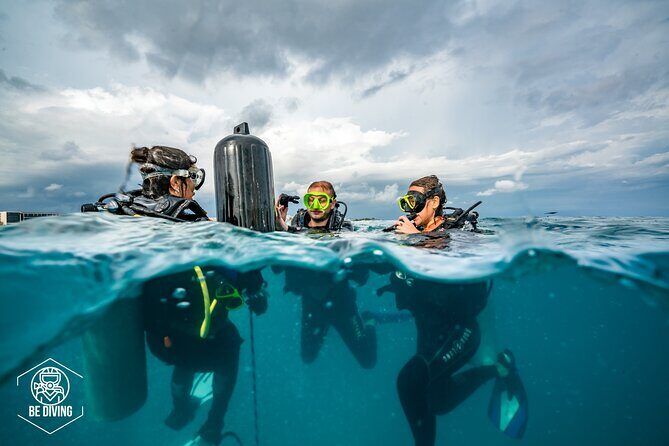
Next comes confined water dives (think: controlled conditions where you can focus). You’ll learn how to use core scuba gear safely and comfortably, including a mask, snorkel, fins, regulator, buoyancy control device (BCD), and a tank.
In reviews, the team is praised for beginner-friendly setup and a small pool that makes buoyancy training efficient. That’s a big deal. When the water is controlled and the equipment flow is smooth, you can actually build muscle memory instead of flailing while you figure everything out.
3) Open-water sessions: use your skills for real conditions
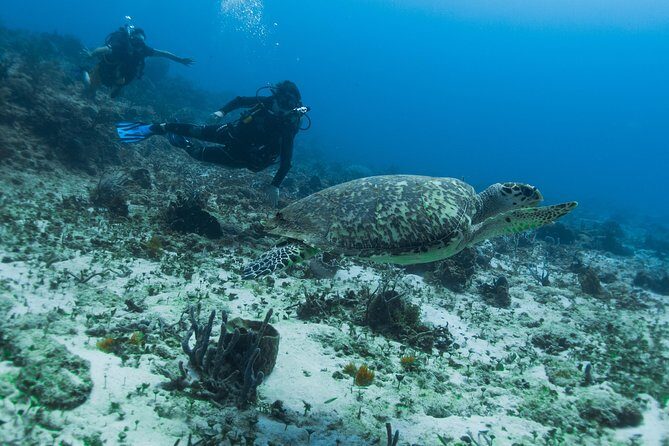
Finally, you complete the course with open-water training, using the skills from the confined phase. This is where the scenery and the stakes come together: you get the “wow” factor of being underwater while still working through the program objectives.
The good part is that your instructor guides the focus. One review notes the instructor clearly communicates the goal of each session so you’re practicing the right skills at the right time.
The “two days vs three days” decision: what it changes for you
The course can be done in two or three days depending on availability. In practice, that mostly changes how stretched your learning schedule feels and how quickly you transition from pool work to real ocean conditions.
A full 3-day flow you might experience typically includes:
- Day 1: explanations and equipment time, then pool skill work
- Day 2: cenote sessions at Casa Cenote in Tulum, plus continued practice
- Day 3: travel by ferry toward Cozumel, then open-ocean sessions along the Mesoamerican reef
If you only have 2 days, you may still get the same fundamentals and course completion, but the timing may compress the transition between learning environments. If you can choose, I’d lean toward 3 days if you want extra breathing room for buoyancy practice.
Your coaching style: buoyancy, trim, and calm instruction
This is the category where the reviews get consistent. People don’t just say the experience was fun. They describe the teaching approach.
Technical and experienced divers in the feedback call out that the instruction starts with the right foundation, not shortcuts. You practice trim and buoyancy from the beginning, and you learn effective kicking methods so you’re not thrashing water or using power you don’t need. That’s more than technique. It affects how in-control you feel, and that feeling matters when you’re brand-new.
You’ll also notice how much attention is given to pace. In multiple reviews, instructors are described as patient and attentive, taking time with each student and not rushing. One instructor credited for teaching his students to look self-sufficient underwater, not dependent on constant hand-holding.
And since this is scuba training, safety isn’t treated like a separate topic. It’s part of the way skills are coached and checked.
Equipment, setup, and what you’ll actually wear
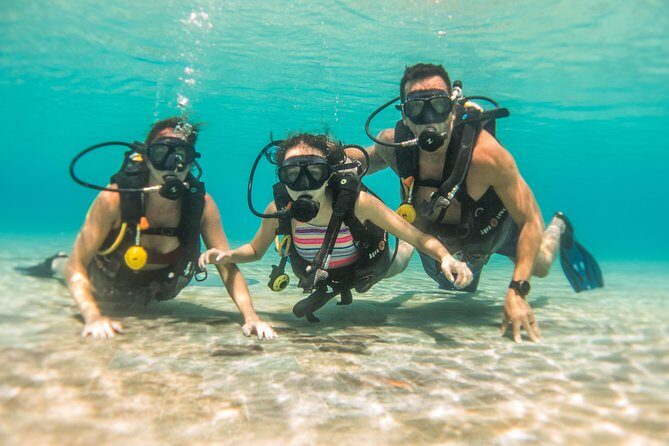
A lot of beginner course descriptions list gear. This one also spells out what you’ll use: mask, snorkel, fins, regulator, BCD, and tank. That means you’re not piecing together rentals right before you start.
You’ll also get guidance on how to manage your setup during training, especially around buoyancy. If you’ve ever felt like gear is fighting you, this is where early practice pays off. The goal isn’t just to “go down.” The goal is to control position and breathing so your body stays stable.
One extra practical perk from the feedback: the team takes videos of your sessions, which you can buy afterward. That can save you from bringing extra cameras just to capture your first certification steps.
Where you train: pool skills, cenote water, and Cozumel reef conditions
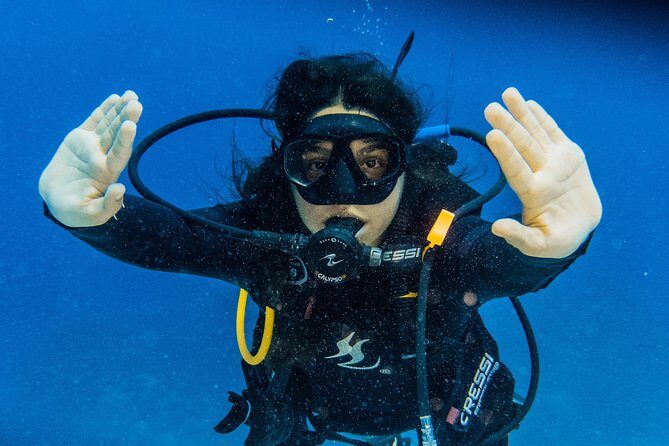
Cozumel is famous for ocean beauty, but the course isn’t only about the view. It’s about learning to behave well underwater, and the training sites help you build that skill.
Pool time: get your body working before the ocean asks questions
Pool practice is where you troubleshoot the basics. The feedback highlights an efficient setup, which is exactly what you want. In a small pool environment, you can repeat tasks and get corrections without long boat rides or unpredictable conditions.
If you’re anxious, this phase can become your confidence anchor. You learn what neutral buoyancy feels like and what changes it.
Casa Cenote (Tulum): a different type of water challenge
In one described 3-day experience, the middle day focuses on Casa Cenote in Tulum, with two underwater sessions there while you practice skills. Cenote training is unique because it can feel like a different world: calm, enclosed, and photogenic.
From a learning standpoint, it can help you slow down. Your focus can shift from scenery to control: hovering, breathing steadily, and using your equipment properly.
Cozumel and the Mesoamerican reef: turning skills into real control
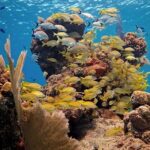
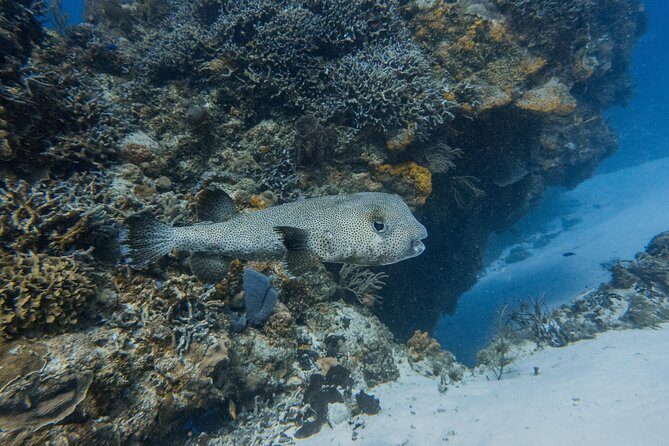
On the final day, the training moves toward Cozumel for open-ocean sessions along the Mesoamerican reef. This is where you’ll see the environment that made people fall in love with scuba in the first place.
The key point is that you’re not thrown into the deep end with zero coaching. In the feedback, instructors lead sessions with clear goals and a safety-first mindset, which is exactly what makes certification feel achievable.
Marine conservation shows up as more than a slogan
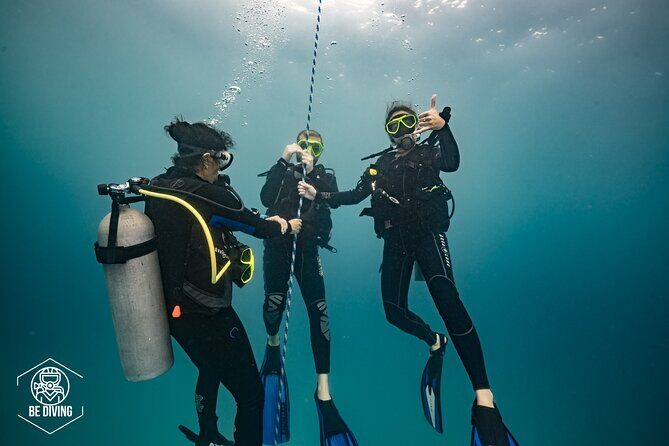
The course highlights marine conservation alongside the Open Water curriculum, and the instructor responses reinforce a responsibility-first approach. That shows up in how skills are taught: good buoyancy and controlled movement help protect coral and keep you from accidentally kicking up damage.
Practical takeaway: if you care about not being the person who trashes the reef, this course style supports that. You learn technique that reduces contact and helps you move smoothly through the water.
Price and value: is $600 fair for a 2–3 day Open Water program?
At $600 per person for an Open Water course, you’re paying for structured instruction, the full course phases, and guided practice in multiple water environments. The value gets clearer when you look at what’s included in training: core scuba equipment (mask, regulator, BCD, tank, and more) plus instructor oversight and progression checks.
Two details that support the price in real life:
- The instruction is described as patient and hands-on, with time to practice rather than rushing
- The program can include multiple locations in a tight schedule, including a cenote day and a Cozumel day, which means more coordination than a single-site class
As always, the biggest value question for you is pace. If you benefit from a structured, fast certification path with strong coaching, this can be a good deal. If you’d rather learn slowly with fewer transitions and a more relaxed schedule, you might compare with slower formats to see what feels right.
Logistics that matter: where you meet and how private coaching works
The course lists a start in San Miguel de Cozumel, Quintana Roo, Mexico, and it lists a ticket redemption location in Playa del Carmen at 10 Avenida Nte. 173-5, Gonzalo Guerrero, 77710 Playa del Carmen. That mismatch can be normal when different parts of the process happen at different bases, but it’s also something you should confirm after booking.
It’s also listed as a private tour/activity, meaning only your group participates. For training, that’s a big deal. It usually means less waiting, less confusion about skill timing, and more direct instructor attention.
The experience is offered in English, and it’s noted as near public transportation.
Who this course is best for
This Open Water course is a great fit if you:
- Want to complete PADI Open Water Diver training in a short time window
- Learn best with hands-on coaching and clear skill goals
- Care about technique like trim and buoyancy, not just checking a box
- Are comfortable with moderate physical effort in the water
It may be less ideal if you’re looking for a super slow, low-pressure schedule where you gradually build confidence over many extra days.
Should you book this Cozumel Open Water course?
If you want a fast route to certification and you like the idea of structured skill-building from pool sessions into cenote and reef conditions, I’d say this is worth strong consideration. The biggest reason: the teaching style is repeatedly described as patient, safety-minded, and focused on fundamentals like buoyancy and trim, with instructors such as Jon and Mariana named in feedback.
Book it if your schedule can match the 2–3 day pace and you’re ready to practice. Skip it or compare alternatives if you need a very long break between learning environments.
If you do book, do one simple thing: ask the team how your specific 2-day or 3-day flow will look so you can plan around travel days and theory timing.
FAQ
How long is the Open Water course in Cozumel?
The course is listed as about 3 days and can also be completed in 2 or 3 days depending on availability.
Is the theory part online or in a classroom?
You can do the knowledge development phase either online (independent study) or in a classroom.
What scuba equipment do I use during the training?
The course includes instruction using core gear: mask, snorkel, fins, regulator, BCD (buoyancy control device), and a tank.
Where do I meet for this experience?
The start is listed in San Miguel de Cozumel, Quintana Roo, Mexico. Ticket redemption is listed at 10 Avenida Nte. 173-5, Gonzalo Guerrero, 77710 Playa del Carmen.
Is this course private, and is it offered in English?
Yes, it’s listed as a private tour/activity for only your group, and it’s offered in English.
What if weather is bad or I need to cancel?
The experience requires good weather. If it’s canceled due to poor weather, you’ll be offered a different date or a full refund. Cancellation is free up to 24 hours in advance, with changes inside 24 hours not accepted and late cancellations not refunded.