REVIEW · CABO SAN LUCAS
Mobula Ray Snorkeling
Book on Viator →Operated by Cabo Trek · Bookable on Viator
Rays breaching overhead is pure Cabo magic. This 3-hour mobula ray snorkeling trip from Cabo San Lucas is built around the timing of the mobula manta migration, with a small group size and expert help on what you’re actually seeing. I like how it blends classic sightseeing first (El Arco and the sea lion area) with the real reason you booked: chasing schools of mobulas until conditions line up. The only drawback: wild animals set the schedule, so seeing the mobulas isn’t 100% guaranteed.
At $169 per person, it’s not a cheap afternoon. Still, you’re not paying extra for the usual add-ons like equipment or entry-type fees, and you’ll have soft drinks, snacks, and gear included. You can also pick a morning or afternoon departure, which makes it easier to fit into the rest of your Cabo plans.
In This Review
- Quick hits before you go
- Price and what you really pay for at $169
- Meeting at Cabo San Lucas marina: timing and the 3-hour rhythm
- First stop: El Arco and the sea lion colony before the search
- Finding mobula manta rays: how the tour turns searching into chances
- Your guide and captain: the difference between chaos and calm
- Snorkeling gear, safety, and what moderate fitness really means
- Photos: how to capture breaching rays without losing the moment
- If you don’t see mobulas: what the day can still look like
- Who should book this mobula ray snorkeling tour?
- Should you book Cabo Trek’s Mobula Ray Snorkeling?
- FAQ
- FAQ
- How long is the mobula ray snorkeling tour?
- What time does the tour start, and where do we meet?
- Is transportation to the meeting point included?
- What’s included in the price?
- What if the weather is bad?
- Can I cancel if my plans change?
Quick hits before you go
- Max 8 travelers keeps the group manageable and gives you more guide attention in the water.
- El Arco + sea lion colony gives you wildlife time even before the mobulas show up.
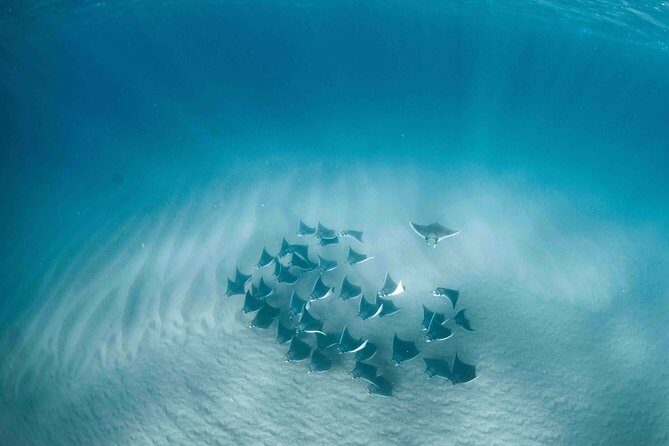
- Multiple chances to snorkel once mobula schools are found, not just one quick try.
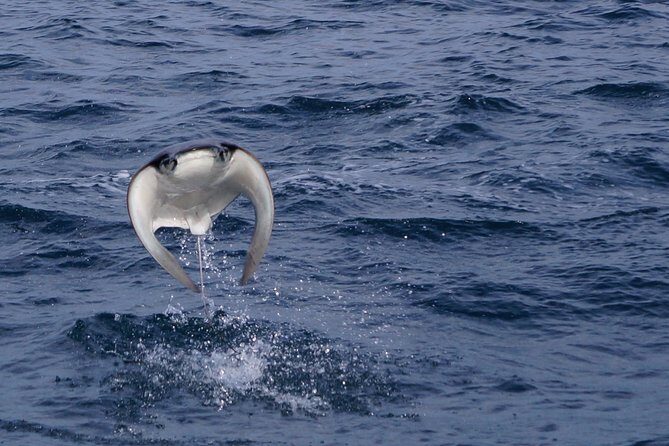
- Breaching sightings can be dramatic—you may see rays launching about 6–8 feet out of the water.
- Snacks, soft drinks, and necessary equipment included so you can travel light.
- English-speaking guide with marine biology background helps you understand behavior, not just spot animals.
Price and what you really pay for at $169
Let’s talk value, because $169 for a 3-hour water outing is a real decision. What you’re buying here is time on the water plus high-quality execution: the tour is guided by marine biologists, and you also get snorkeling equipment and safety-focused support (including the captain running the boat). That matters, because the hard part isn’t “finding water” in Cabo—it’s finding the right schools of mobulas quickly enough to make the most of the limited time you have.
Another value point: the tour includes soft drinks, water, and snacks. That sounds basic, but it changes the feeling of the day. You’re not hungry or scrambling for food while you wait for a good moment to get in the water.
If your priority is just a quick splash and a casual sighting, you could probably find cheaper snorkeling options. If your priority is understanding mobula behavior and getting enough attempts that the odds improve, this format makes sense.
You can also read our reviews of more snorkeling tours in Cabo San Lucas

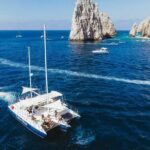
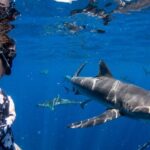
Meeting at Cabo San Lucas marina: timing and the 3-hour rhythm
You’ll start at CaboTrek Hotel Tesoro, Blvd. Paseo de la Marina 20-Local A, Centro. The start time listed is 9:00am, and the total outing is about 3 hours, then you return to the meeting point.
That short window is the first practical thing to know. A lot can happen in three hours: you’ll be out searching for mobulas, you’ll likely stop for sightseeing, and then you’ll probably get at least one chance to snorkel once schools are located. So plan on staying mentally flexible. When you’re doing wildlife snorkeling, the schedule is driven by the animals and the conditions, not a checklist.
Also: the tour is marked as near public transportation, but transportation to the office isn’t included. If you’re staying in a different part of Cabo, you’ll want to arrange a taxi or ride-share ahead of time so you don’t show up rushing.
First stop: El Arco and the sea lion colony before the search
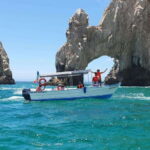
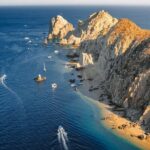
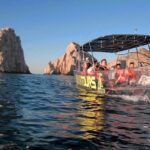
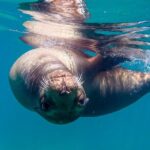
Before you ever put on a snorkel, you’ll go sightseeing around Cabo San Lucas. Expect a stop at El Arco de Cabo San Lucas and time at the sea lion colony area.
Why this matters: it’s not just filler. These early stops help you get oriented with the coastline and the kind of wildlife you’ll likely see once you’re out on the water. It also gives you a strong “even if the rays take time” plan. In one of the key experiences people describe, even when mobulas aren’t found right away, the trip still feels like it’s doing something—wildlife and scenery keep the outing moving.
And El Arco is one of those places where the boat angle makes a difference. You’ll get a very different look than you do from land, and it’s a handy photo break while your guide gauges the best approach for the next part.
Finding mobula manta rays: how the tour turns searching into chances
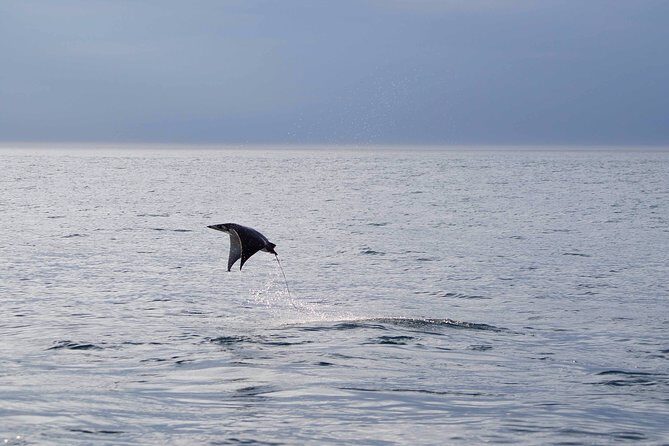
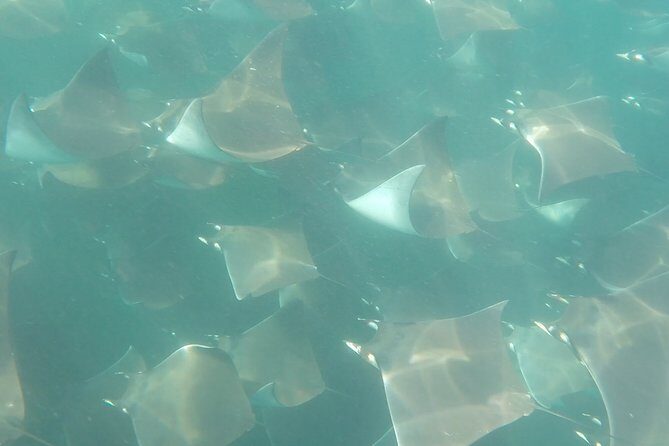
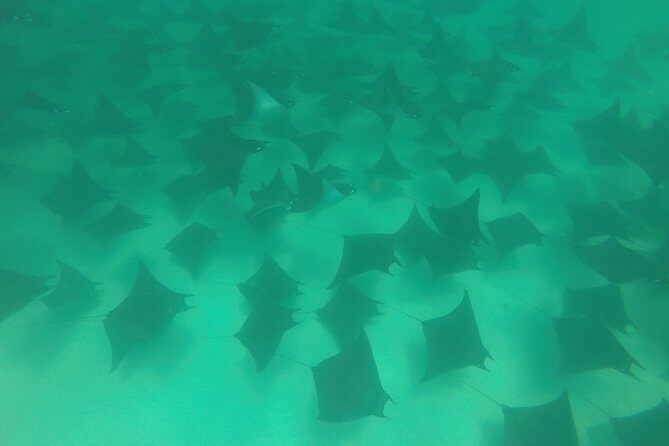
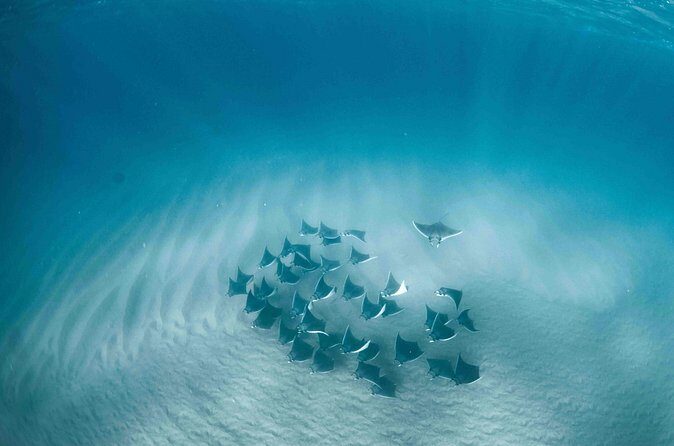
The main event is a hunt for mobula manta rays during their migration in the waters of Baja California Sur. The way this tour is described, you don’t just go out and hope. You actively look once you reach the right general area, and the guide will assess what’s happening before you get in.
Here’s the practical promise: once mobulas are located, you have multiple chances to enter the water. That’s a big deal. With wildlife snorkeling, the animals might shift, the wind might change, or you might find the best viewing at one moment and then need another window. Multiple attempts increases your odds that you’ll see something truly memorable.
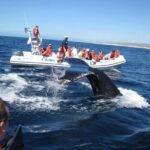
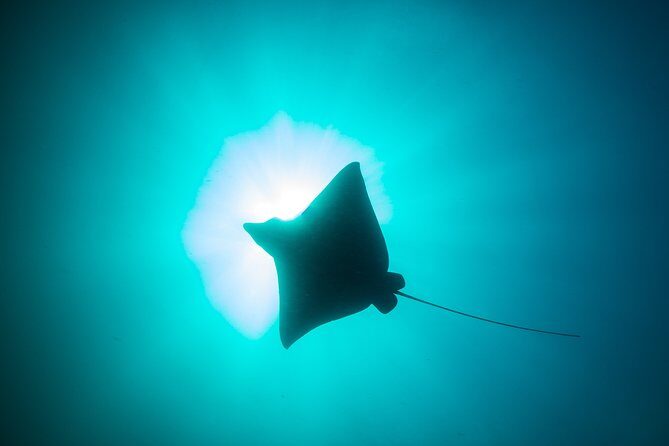
Even if you decide not to snorkel (or you’re not feeling it that moment), you can still get an up-close view. The tour experience is described as having frequent breaching—sometimes about 6–8 feet above the water. That’s high enough to see clearly from the boat and often makes for the kind of photo people come home talking about.
Your guide and captain: the difference between chaos and calm
This is one of the biggest strengths of Cabo Trek’s operation. The guides are described in the feedback as strong and professional, including marine biology training. You’ll also see repeated praise for how the team manages real-world group dynamics.
In particular, some past departures included guides named Donna and Vanusa, with captains like Adrian and Freddy. The common theme is clear: the guide and captain coordinate so you feel safe and not rushed, even when it’s a mixed group.
From your perspective, that means:
- You’re more likely to get clear instructions on when and how to get in.
- You’ll probably spend less time guessing and more time watching.
- If something changes fast (like where the school moves), your team can react without turning the trip into stress.
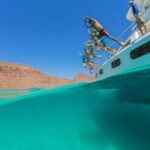
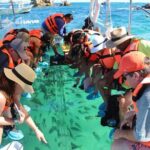
The boat also gets a mention for having shade plus open space, which matters in Cabo sun. You’ll want somewhere to reset between swim attempts.


Snorkeling gear, safety, and what moderate fitness really means
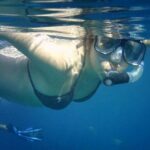
This tour includes all necessary equipment and the relevant fees, so you shouldn’t need to pack a snorkel set of your own. You will want to be comfortable in the water environment, though.
The tour is noted as suitable for people with moderate physical fitness. That usually translates to being able to swim comfortably enough for a snorkel session and handle getting in and out of the water from a boat. If you’re someone who hates buoyant, slightly busy water or you’re not a confident swimmer, it’s worth thinking hard before booking. You can still watch from the boat when mobulas breach, but the snorkeling part is core to the experience.
If you’re a strong swimmer and you like wildlife, you’re set. If you’re intermediate, you’ll likely do fine as long as you follow the guide’s instructions closely and don’t try to freestyle your way into “hero mode.”
Photos: how to capture breaching rays without losing the moment
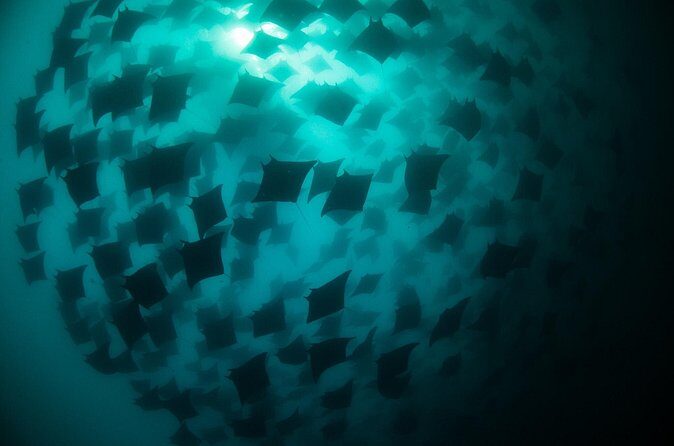
This trip is a photography-friendly setup, mainly because mobulas can breach high—again, 6–8 feet out of the water. That changes everything compared to species that only stay below the surface.
A few practical things to help you:
- Keep your camera/phone accessible between swim attempts. You don’t want to be fumbling when you see movement.
- Be ready when the guide says they’re near. Breaches can be sudden, and the best shots happen in the first seconds.
- If you’re snorkeling, focus on breath control first. The rays move fast, and your hands will do what they do when you’re thinking about gear instead of watching.
Also, don’t get tunnel vision. The wildlife shows up as schools and patterns, not as one lonely animal. If you keep your eyes scanning the waterline, your hit rate on good views goes up.
If you don’t see mobulas: what the day can still look like
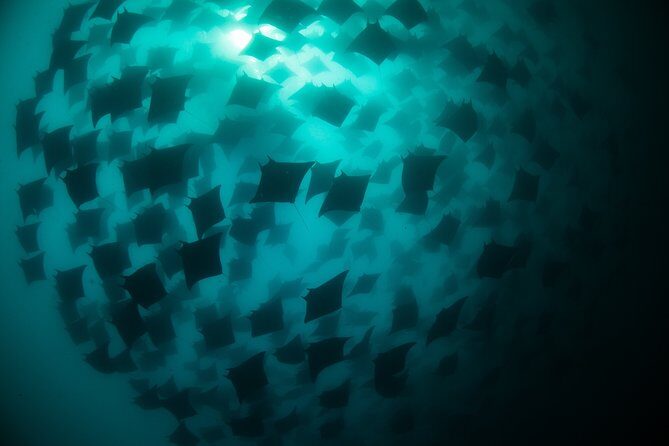
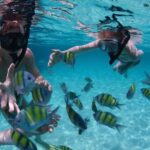
Wildlife tours always carry the “not guaranteed” reality, and this one is no exception. Some experiences describe ending up with other marine life instead of mobulas. Depending on conditions, you might see dolphins, sharks, turtles, sea lions, or other rays like spotted eagle rays.
The key thing I like about this style of tour is that it doesn’t feel like a wasted ride. The team searches and keeps trying, and when the mobulas aren’t in reach, you can still get a memorable wildlife outing.
So go in with a flexible mindset:
- Your “best case” is mobula manta rays breaching and snorkel time with big schools.
- Your “backup case” is still serious ocean wildlife viewing, just with different species.
Who should book this mobula ray snorkeling tour?
Book it if:
- You want a guided wildlife experience with marine science behind the explanation.
- You care about the chance to snorkel with mobulas, not just watch from the boat once.
- You like small groups and want more attention from the guide.
- You’re traveling with teens or mixed-age groups and want a setup that can handle different comfort levels.
Consider skipping or rethinking if:
- You’re looking for guaranteed sightings of a specific animal.
- You’re not comfortable with moderate physical activity in open water.
- You hate uncertainty. This is nature, and it won’t always cooperate on cue.
Should you book Cabo Trek’s Mobula Ray Snorkeling?
I’d book this tour if your goal is one of those rare “Cabo is bigger than the beach” ocean days. The combination of marine biologist guidance, a small group, and multiple chances to get in the water once mobulas are found gives it a stronger shot than a casual snorkeling outing.
At the same time, be honest with yourself: you’re paying for expertise and effort, not a photo guarantee. If you’re cool with that trade-off, the experience can be worth the cost—especially if you want to learn what you’re seeing and you like the idea of mobulas breaching close enough to be exciting.
FAQ
FAQ
How long is the mobula ray snorkeling tour?
It runs for about 3 hours.
What time does the tour start, and where do we meet?
The start time listed is 9:00am, and the meeting point is CaboTrek Hotel Tesoro on Blvd. Paseo de la Marina 20-Local A, Centro, Cabo San Lucas.
Is transportation to the meeting point included?
No. Transportation to the office/meeting point isn’t included.
What’s included in the price?
Soft drinks, water, snacks (like chips and cookies), all necessary snorkeling equipment, and all fees for the activity are included.
What if the weather is bad?
This tour requires good weather. If it’s canceled due to poor weather, you’ll be offered a different date or a full refund.
Can I cancel if my plans change?
Yes. Cancellation is free up to 24 hours before the experience starts for a full refund. If you cancel less than 24 hours before, it isn’t refunded.