REVIEW · SAN JOSE DEL CABO
Los Cabos Turtle Release Eco-Experience
Book on Viator →Operated by CalypsoTrip · Bookable on Viator
Releasing baby sea turtles feels oddly personal. In San José del Cabo, you’ll get hands-on hatchling release plus on-the-ground environmental coaching, all with hotel pickup that keeps it easy. One thing to plan for: this is a beach scene with lots of natural drama—seagulls and crowds near resorts can show up.
I love how this tour turns conservation into something you can actually do, not just watch. You learn how sea turtles behave right after hatching, why the team intervenes, and what you’re doing during the release moment. You’ll also leave with an adoption certificate for one turtle, which makes the experience feel tangible.
The main catch is physical and practical: you may need to move along sand and wade a bit in changing surf, and you’ll follow rules closely around hatchlings. If you want a fully flat, super-sit-down experience, this probably won’t fit your style.
In This Review
- Key things to know before you go
- Turtle Adoption Plus a Real Release on Cabo’s Beaches
- The Beach Stop in San José del Cabo: Where You’ll Release Hatchlings
- What the Guide Teaches: Biology, Behavior, and the Human Role
- Hands-On Moments: Gloves, Turning Hatchlings, and the Rules of the Sand
- Getting There: Hotel Pickup, Mobile Ticket, and a Max-20 Group
- How Long It Actually Takes (And Why That’s Good)
- Value Check: What’s Included in the $95 Price
- Weather, Terrain, and Who Should Join
- The Moment It Clicks: Why People Want to Do This Again
- Should You Book This Turtle Release in Cabo?
- FAQ
- What’s the main location for the turtle release?
- Does the tour include hotel pickup?
- How long is the tour?
- Do I get an adoption certificate?
- Will I be able to hold the baby turtles?
- Are meals included in the price?
- What should I know for children?
- Is this tour offered in English?
Key things to know before you go
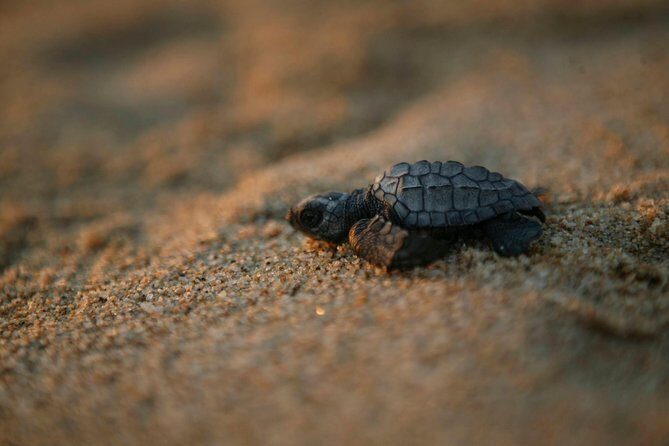
- Small group size (max 20) helps keep the release calm and guided.
- Guides named John Percy, Marcos, and Lino are praised for patience and clear explanations.
- Hotel/port pickup and drop-off means you don’t have to sort out beach transportation.
- You get an adoption certificate, and your group releases more than one turtle depending on what’s available.
- The beach location can vary between La Bocana and Costa Azul in San José del Cabo.
- Beach conditions matter: rain, sand, and water movement affect how smooth the release feels.
Turtle Adoption Plus a Real Release on Cabo’s Beaches
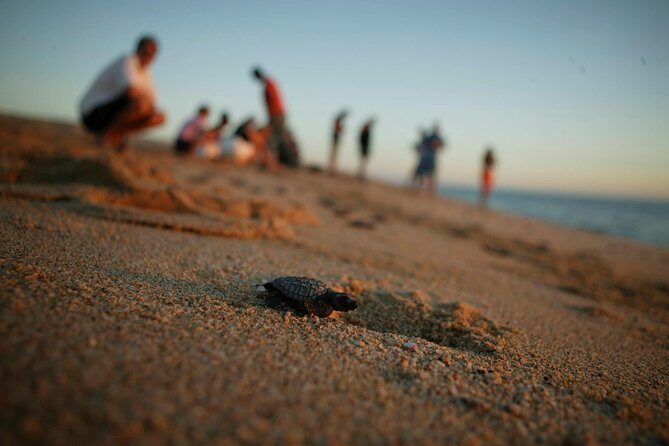
This eco-experience is built around one simple idea: help baby sea turtles reach the ocean safely, then learn enough to understand why it matters. You’re not signing up for a long lecture or a distant viewing. You’re stepping into the conservation workflow—guided, hands-on, and short enough to fit into a normal Cabo afternoon.
What makes it special is the blend of roles. You get a professional guide who explains hatchling biology and behavior, but you also get to take part in the exact behavior conservation teams are trying to protect—getting newborns from sand to surf without stress or hazards. The included adoption certificate also helps you remember that you’re supporting a larger effort, not just buying a fun activity.
Price is $95 per person for about 2 to 3 hours. That’s not “cheap,” but it also isn’t inflated for what you get: pickup, a guide, bottled water, and participation in a conservation release. This is the kind of tour that makes you feel like your time has a purpose.
You can also read our reviews of more tours and experiences in San Jose del Cabo.



The Beach Stop in San José del Cabo: Where You’ll Release Hatchlings
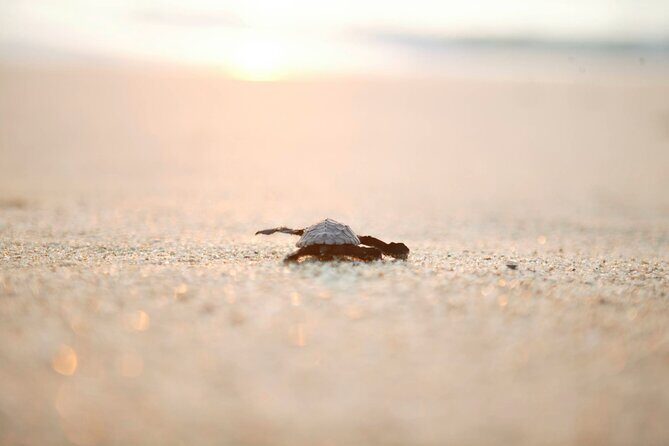
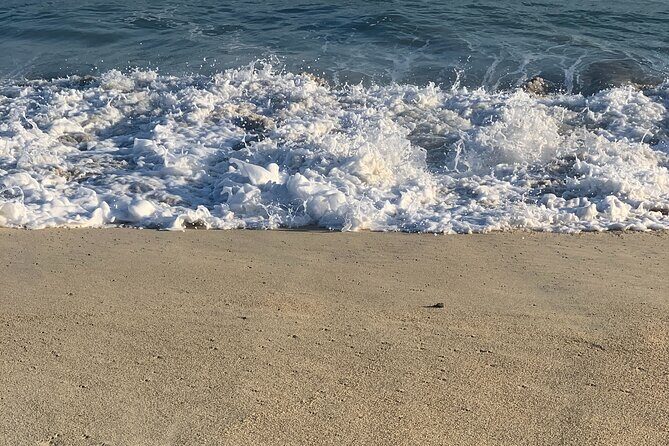
Your action happens on a San José del Cabo beach, and the exact spot may vary. Think La Bocana to Costa Azul. That matters because Cabo beaches can feel very different depending on where you end up—sand texture, slope, and how the surf behaves.
In many releases, the team brings hatchlings to the area where the group will participate. One practical detail worth knowing: releasing near resort zones can draw a crowd quickly, especially late afternoon. The team may walk you farther down the beach to reduce that pressure so the hatchlings (and you) aren’t getting swarmed by onlookers the whole time. In plain terms: the conservation goal stays the priority, even when the beach is busy.
You should also expect a time window that isn’t just “tour time,” but “conditions time.” Weather and the surf situation can influence how the release goes. And sometimes rain happens—plan for soaked clothes and a guide who keeps things moving anyway.
What the Guide Teaches: Biology, Behavior, and the Human Role
A major reason this tour scores so well is the environmental commentary. The best moments here aren’t just the release. They’re the explanation—why hatchlings do what they do, and why a little help can matter at the start of life.
Guides mentioned in the experience include John Percy, Marcos, and Lino. They’re described as friendly, patient, and tuned in to the group’s attention level. That last part matters more than you might think. Releasing baby sea turtles isn’t a freestyle activity. You need instructions you can actually follow, and you need someone who can keep the group calm when people are excited.
What you’ll learn usually covers:
- How hatchlings move and what their early behavior looks like
- Why the team watches and manages key moments tied to nesting and hatching
- The basic conservation logic behind intervening—protecting hatchlings until they’re strong enough to make the risky transition to ocean life
This isn’t a pretend nature talk. It’s connected to the exact actions you’re taking on the sand.
Hands-On Moments: Gloves, Turning Hatchlings, and the Rules of the Sand
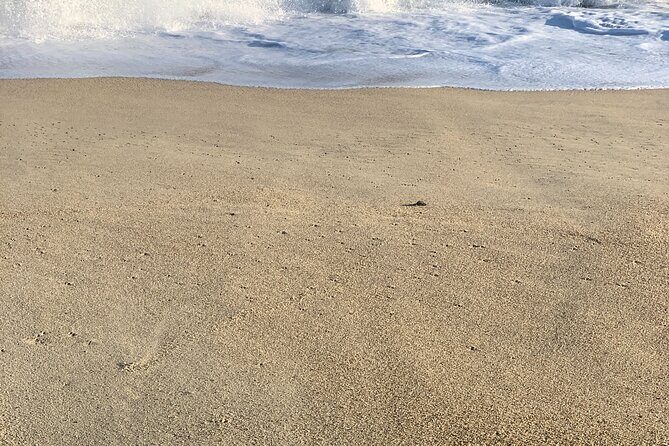
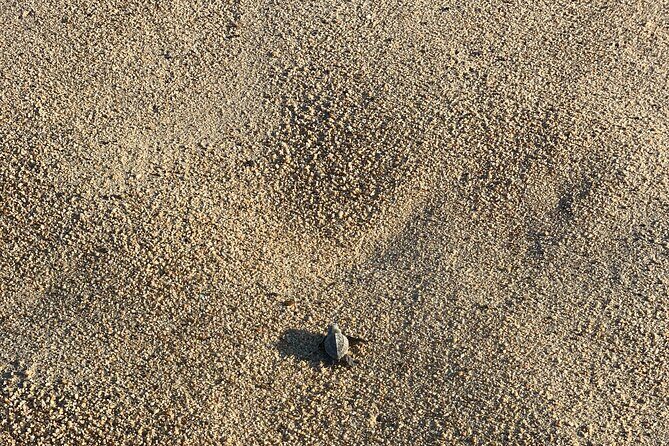
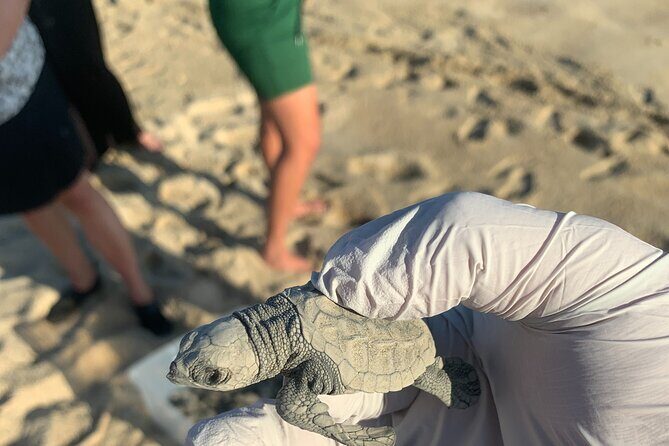
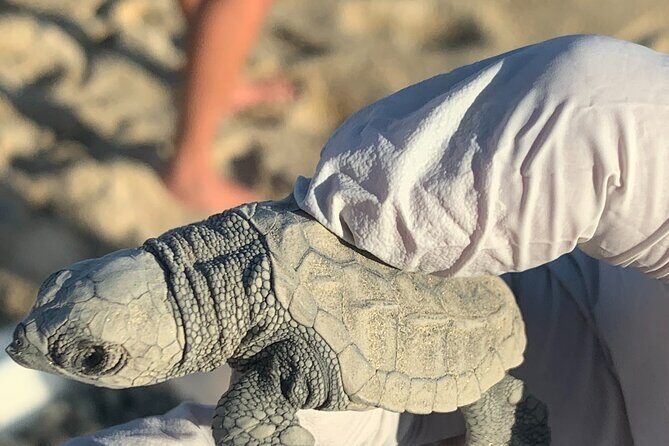
This is a participation-focused tour, and that’s the part many people remember most. In the release, you may get a chance to gently hold newly hatched sea turtles and assist with helping them head toward the ocean.
Some releases include gloves for handling. A common instruction is to help hatchlings get oriented if they’re heading the wrong way. That means your role is careful and small: you’re not dragging anything around, and you’re not trying to “perform” for photos. You’re following the conservation team’s instructions so hatchlings don’t waste energy or get exposed longer than necessary.
You’ll also deal with the real world. Seagulls are part of the beach ecosystem, and they may circle during the release. People report protecting hatchlings from overhead birds. In other words, the ocean journey isn’t neat and movie-like—it’s messy, fast, and full of natural competitors. The guide’s job is to keep you effective and safe while hatchlings do what hatchlings do.
One extra thing: the rules matter. The experience is built around a briefing, and the guide expects you to listen. If you want to help, you help within the rules.
Getting There: Hotel Pickup, Mobile Ticket, and a Max-20 Group
Logistics can make or break a short tour, and this one is designed to be easy. You get hotel lobby pickup and drop-off, with a pickup time assigned based on where your hotel is. You’ll receive transportation details by message after booking.
The meeting point is listed as Paseo Malecon San Jose (23405 San José del Cabo, B.C.S., Mexico), and the scheduled start time is 4:00 pm. That late-afternoon timing often feels ideal on a beach tour: lighter heat than midday and a smoother transition into sunset-style coastal vibes.
The group size is limited to 20 travelers, which is a big deal for two reasons:
- The guide can keep instructions clear without chaos.
- Hatchlings can be released without the sand turning into a crowd scene at every step.
You’ll also use a mobile ticket, so bring your phone with battery you can trust. If your phone is always on 10%, charge it before you go.





How Long It Actually Takes (And Why That’s Good)
The tour runs about 2 to 3 hours total, and participation itself can be fairly quick once you’re on the beach. People report being done in under an hour in some group sizes, but don’t plan your entire day around a super-tight schedule.
This timing is a value feature. You get a conservation-focused experience without eating your whole afternoon. That’s helpful if you’re also doing a Cabo dinner, a sunset drive, or a second activity the same day.
It’s also why the 4:00 pm start can work well: you’re not waking up early, you’re not stuck in the midday grind, and you can still keep your evening open.
Value Check: What’s Included in the $95 Price
Here’s the clear breakdown.
Included:
- Professional guide
- Hotel/port pickup and drop-off
- Bottled water
- Adoption certificate
Not included:
- Meals (no food is included in the tour price)
For $95, the biggest “value points” are the guide-led conservation education and the transportation convenience. If you’ve ever paid for a beach activity and then had to figure out your own ride down there, you’ll appreciate what’s built in here.
And the adoption certificate adds more than paperwork. It gives you something concrete to connect your day on the sand with the ongoing work behind turtle conservation.
What you won’t get is a full-day package with lunch, snacks, or extras. If you get hungry afterward, plan ahead. Eat before you go, or keep a simple plan for dinner right after.
Weather, Terrain, and Who Should Join
This tour is subject to favorable weather conditions. If weather shuts it down, you’ll be offered an alternative date or a full refund. That’s the right approach for a beach release—wind, rain, and rough surf can change the safety equation quickly.
Now for terrain. You should assume you’ll:
- Move along uneven sand
- Possibly wade into water as part of the release
- Bend and act quickly when it’s your turn
One review-style theme that comes up: Los Cabos beaches can be hard to walk on, and conditions can be turbulent. So while most people can participate, this is best for those who can handle the physical reality of a beach release.
This also affects age fit. The tour notes that children must be accompanied by an adult. In practice, it tends to work best for older kids who can follow instructions and handle animals gently, and adults who are comfortable moving on sand and responding quickly when the guide signals.
If you’re dealing with mobility limits, poor balance, or fear of getting wet, you might want to choose a different sea turtle activity where participation is less physical. When the release works, it’s amazing; when the conditions are rough, you’ll feel the difference.
The Moment It Clicks: Why People Want to Do This Again
The strongest praise centers on the “I can’t believe I got to do that” feeling—holding hatchlings, helping them reach the ocean, and understanding what conservation teams do between nesting and release. People also highlight the guide’s calm handling of different comfort levels in the group.
You’ll probably see a range of reactions during the release. Some people get super quiet and focused. Others get big excited smiles. Either way, the experience tends to create a shared momentum because the task is straightforward: keep the hatchlings safe, keep them moving, and let nature do the rest.
It’s also one of the rare “nature experiences” that doesn’t feel purely like observation. It’s participation, and that changes your memories.
Should You Book This Turtle Release in Cabo?
I’d book it if you want a short, high-impact conservation moment on the beach, and you’re okay with following rules closely while you help hatchlings reach the ocean. The combination of hotel pickup, a small max-20 group, and an educational guide makes the $95 feel more like paying for access and instruction than paying for a generic beach show.
I’d hesitate if:
- You’re looking for a purely relaxing beach walk with minimal movement
- You have trouble wading or bending in changing surf
- You don’t want to deal with seagulls overhead as part of the natural process
- You expect meals to be included (they aren’t)
If you’re the type who likes doing something meaningful while you travel—something you’ll remember when you’re back home—this is a strong choice for Los Cabos. Just go ready to listen, move carefully, and take the conservation briefing seriously. That’s how the release turns into a genuine “core memory,” not just a quick photo stop.
FAQ
What’s the main location for the turtle release?
The experience takes place on San José del Cabo beaches, and the exact beach can vary (often between La Bocana and Costa Azul).
Does the tour include hotel pickup?
Yes. Pickup and drop-off are offered from the convenience of your hotel lobby, with a specific pickup time assigned based on your hotel location.
How long is the tour?
Plan for about 2 to 3 hours total, depending on timing and conditions.
Do I get an adoption certificate?
Yes. You receive an adoption certificate as part of the experience.
Will I be able to hold the baby turtles?
The experience is hands-on. You may get the chance to gently hold newly hatched sea turtles as part of the release, after the guide’s briefing.
Are meals included in the price?
No. Meals are not included, so you’ll want to plan food before or after.
What should I know for children?
Children must be accompanied by an adult. The tour involves instructions and handling rules, so it’s best when kids can follow directions and participate carefully.
Is this tour offered in English?
Yes, it’s offered in English.