REVIEW · LAZARO CARDENAS MUNICIPALITY
Holbox: Sunrise & Mangrove Kayak Tour
Book on GetYourGuide →Operated by Eco Adventure Holbox · Bookable on GetYourGuide
Dawn over Holbox is different from anywhere else. This sunrise kayak tour takes you from the sandy shallows into the protected Kuká River to watch wildlife in the quietest part of the day.
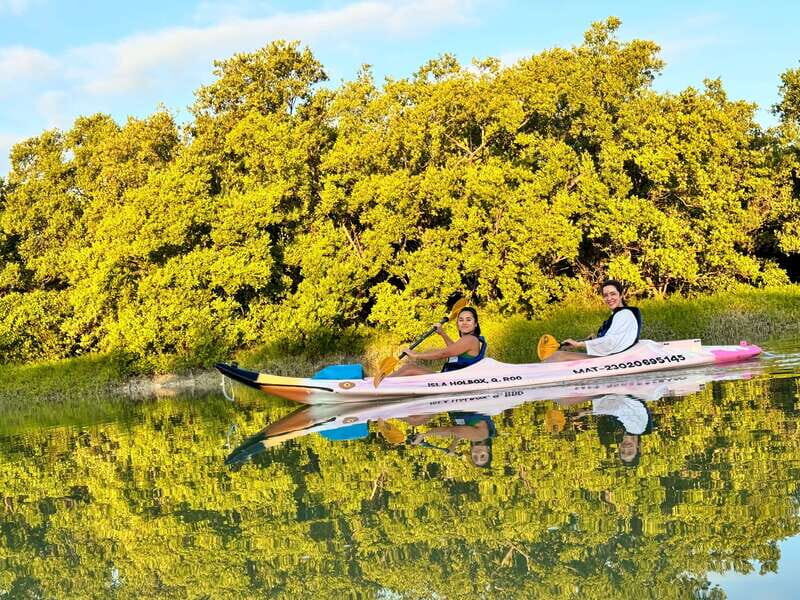
What I like most is the animal respect built into the experience. Guides such as Victor Hugo and Isa keep you at a safe distance, so you can see baby crocodiles and lots of birds without the usual rush-and-chase vibe. I also love that the kayaks are made for this moment, including the flamingo-style design and a route that has you gliding in the current instead of sitting on top of it.
The one thing to think about: paddling can be a workout. The river has current, plus wind or waves can make parts harder, so if you are not comfortable with kayaking, plan to take it slow and don’t expect an easy glide the whole time.
In This Review
- Key takeaways before you go
- Why this Holbox sunrise kayak feels like the real island
- Getting there: hotel pickup plus golf cart transfers
- The Punta Mosquito start: aperitif, sunrise, then paddling
- Entering the Kuká River: mangroves, quiet rules, and good bird eyes
- Crocodiles in the wild: what “not aggressive” really means for you
- The bird show: flamingos, seasonal variety, and close-range moments
- Stop inside the river: snack timing and why it matters
- How hard is it, really: currents, wind, and kayak comfort
- Gear and what’s included: you bring the right basics
- Price check: $49 for sunrise access and a real guide
- What makes the guiding matter so much
- Who should book this Holbox kayak tour
- Should you book this sunrise & mangrove kayak tour?
Key takeaways before you go
- Sunrise timing that hits from behind the island gives you a softer light over the sandbanks, not a glare straight in your face.
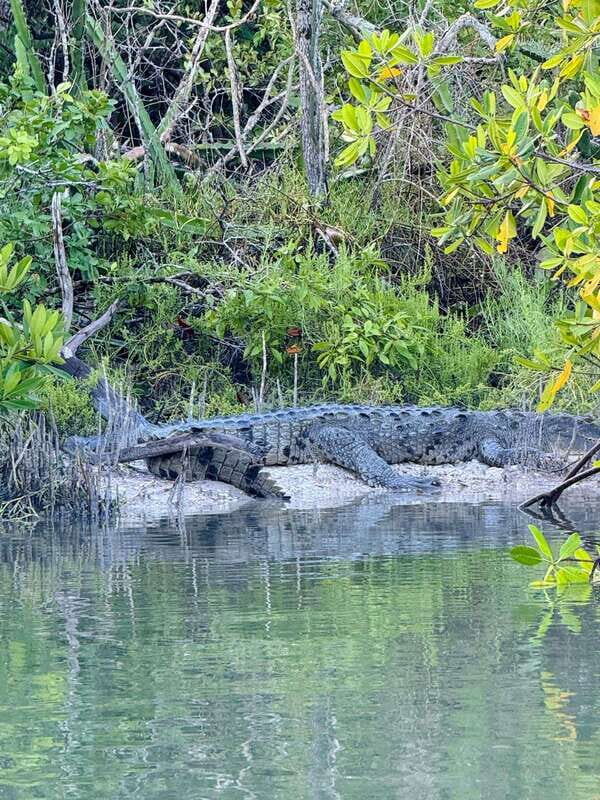
- Kuká River mangroves + wildlife rules: you get close enough to notice details, while guides keep distance from American crocodiles.
- Seasonal birdwatching can include flamingos (May–December), plus pelicans and the Mexican tiger heron depending on when you go.
- Small-group feel (often private or a few people) makes it easier to ask questions and keep noise down.
- Bring water shoes and repellent since you are on the water early and you will be in nature’s mosquito season.
Why this Holbox sunrise kayak feels like the real island
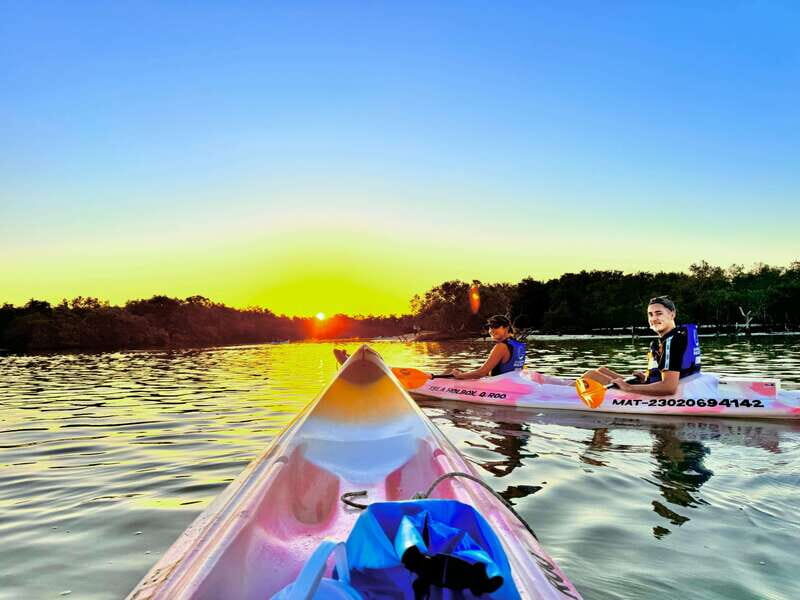
Holbox is famous for pretty beaches, but this tour shows you a different side: the quiet ecosystem where birds and crocodiles share space. The timing matters. Early morning is when the water is calmer, the animals are most active, and the whole area feels less crowded.
I also like how the experience is set up around observation, not performance. You are not driving wildlife around. You are sliding through the protected zone and letting the birds do bird things. That usually means fewer big surprises and more small ones you notice right away, like heron shapes tucked in mangrove branches or the way birds change position when you paddle past.
The tour’s promise is also practical: it’s about wildlife in its habitat, not zoo-style viewing. The guides explain what you are seeing and why the mangroves matter, and they try to answer your questions in the moment rather than wrapping everything up later.
Getting there: hotel pickup plus golf cart transfers
You start with hotel pickup. In many cases the guide or taxi meets you with your info already loaded, so you can wait at reception or wherever the vehicle can pass.
From there, expect short transfers by golf cart to the main launching area. The ride is brief, but it’s enough to set expectations: you are heading to the water early, then out into the reserve. The total tour window is about 3 to 3.5 hours, so there’s not much time to linger once you’re dropped off.
This is one of those parts that’s easy to overlook while you plan, but it matters. A smooth pickup helps you stay on the right schedule for sunrise, and you do not want to be late when the light is doing its best work.
The Punta Mosquito start: aperitif, sunrise, then paddling
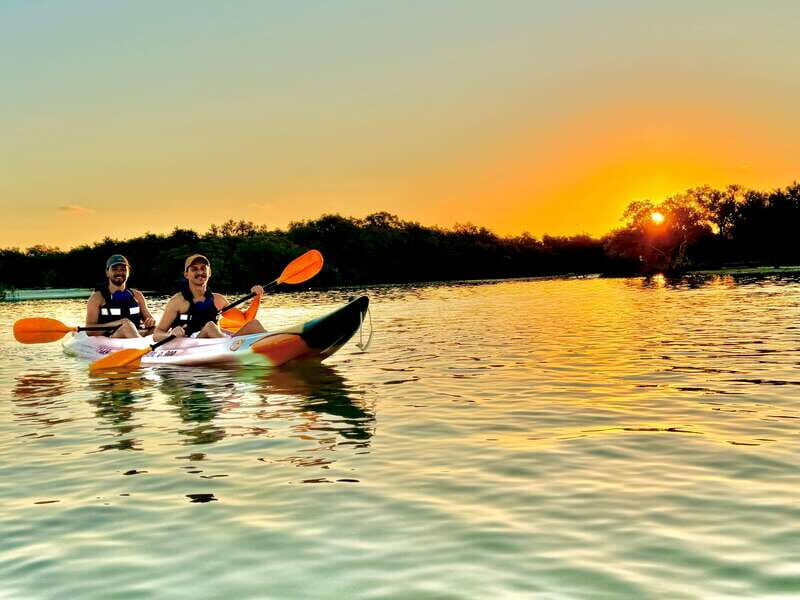
At Punta Mosquito, you get an aperitif before you begin. Then you’re out kayaking and watching the sunrise build in layers.
A useful detail here: the sun rises behind the island, not in front. So if you’re the type who wants to point your face toward the sun, you’ll have a small adjustment. You’ll still get the glow and color, but it’s more about watching light spread across the sandbanks as you move away from the starting point.
Before you even reach the river, you cover about 2 km between sandbanks and beach. This is where the “worth it” starts to become real. You’ll feel the difference between open water and the calmer rhythm of the protected area. It’s also where wind and current can start testing your paddling style.
Entering the Kuká River: mangroves, quiet rules, and good bird eyes
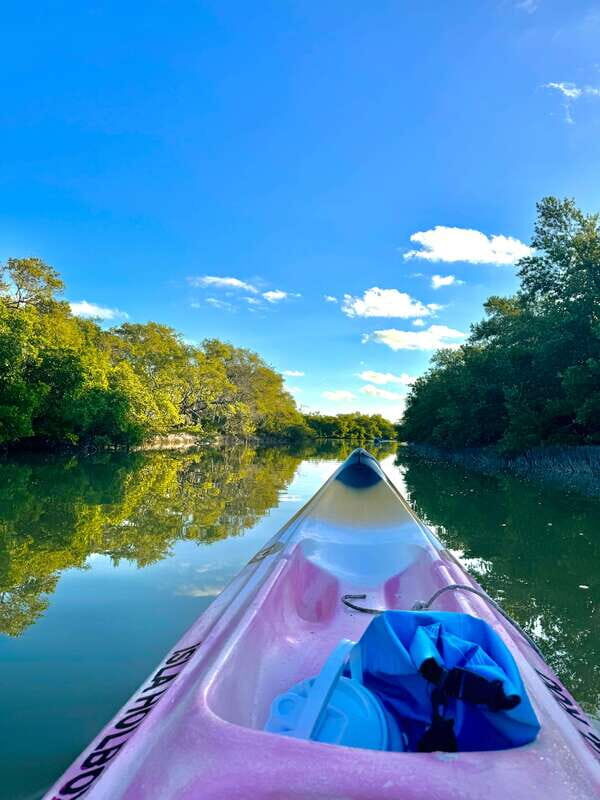
Once you reach the entrance of the Kuká River, you’re right where the protected area begins. The guides aim for a low-impact approach once you’re inside, because sound carries in mangrove channels and animals can notice changes quickly.
Here’s what you can expect as you go:
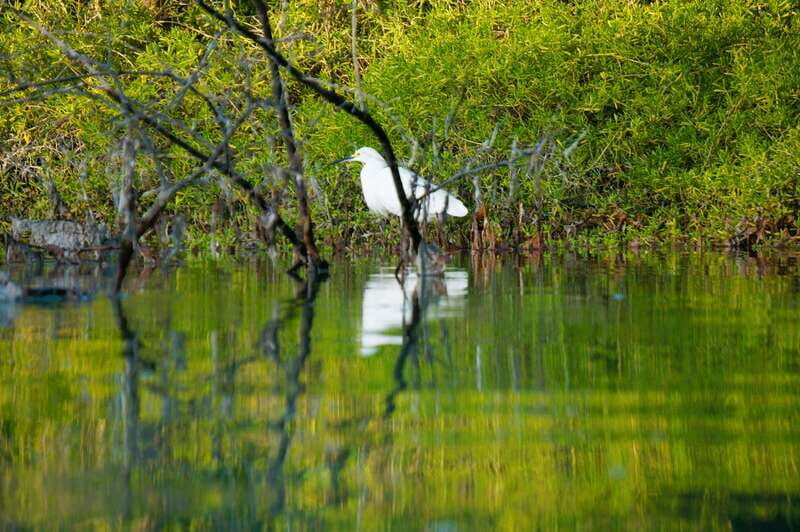
- Birds along the route like ospreys, cormorants, frigates, shorebirds, and herons.
- Seasonal visitors depending on timing, including flamingos (May–December), white pelicans, and the Mexican tiger heron.
- The chance to see American crocodiles, with the big rule that guides keep respectful distance since the goal is observation, not confrontation.
You’ll also see the ecosystem in a more “hands-on” way than a land viewpoint allows. Inside the river, there are three types of mangroves, and that diversity shapes where birds feed, rest, and move. When the guide points out a mangrove type or explains why a bird is hanging there, it usually makes the whole trip click: you start to understand the channels as living highways, not just scenery.
One more practical point: the tour includes moments when the guide will talk about the reserve and what you’ve seen, but it happens when noise levels won’t disrupt wildlife. That means you get real explanations without turning the river into a lecture hall.
Crocodiles in the wild: what “not aggressive” really means for you
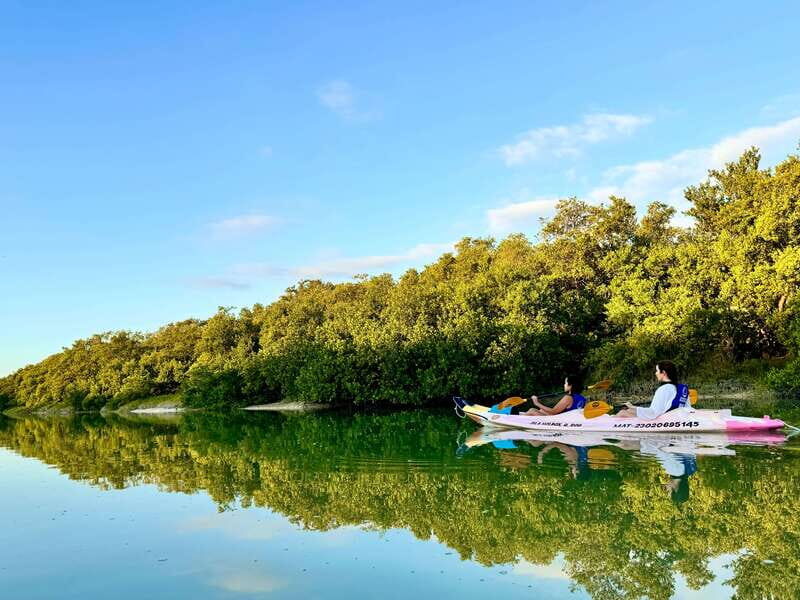
Seeing crocodiles is the headline wildlife moment, but the best part is how the tour handles it. The guides are clear about respecting crocodiles’ space, and they keep you at a distance.
From the way the experience is described and how guides operate, you should plan your mindset like this:
- You’re there to notice.
- You’re not there to approach.
- If you see a crocodile, your job is to stay calm and follow the guide’s positioning instructions.
Many people hope for a crocodile sighting every time, but nature doesn’t run on our schedules. You might spot baby crocs, or you might see fewer reptiles depending on the day and season. The tour still works because you’re surrounded by birds and mangroves for hours, not because one animal guarantees your photos.
The bird show: flamingos, seasonal variety, and close-range moments
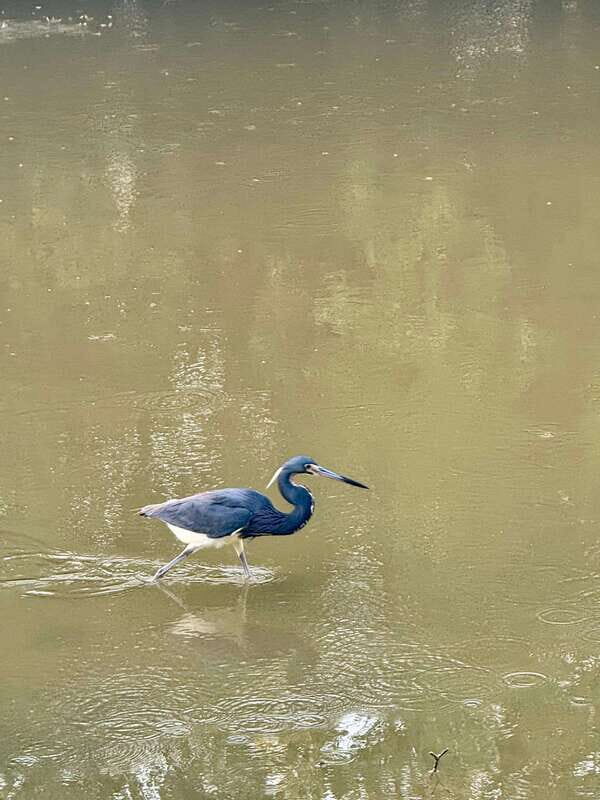
Birds are one of the main reasons this tour earns top marks. The guides track feeding and resting points, so your time on the water lines up with moments when birds are actually where they matter.
Flamingos are the star in the right months. When they’re in season (May–December), you have a real chance of seeing them in more than one setting, not just one quick glance. The silence of the kayaks is part of the magic: motor noise can push birds away, while quiet paddling gives you time to watch their behavior.
Expect other species too. Ospreys and pelicans may show up depending on the season. Herons and shorebirds can be more consistent, and you’re likely to notice how different birds use different parts of the mangroves—some perch high, others stay lower, and some move along the edges.
Pro tip for your own success: keep your attention on small movements. Birdlife in mangroves often looks like stillness until you catch the shift—then suddenly you realize where the bird has been hiding.
Stop inside the river: snack timing and why it matters
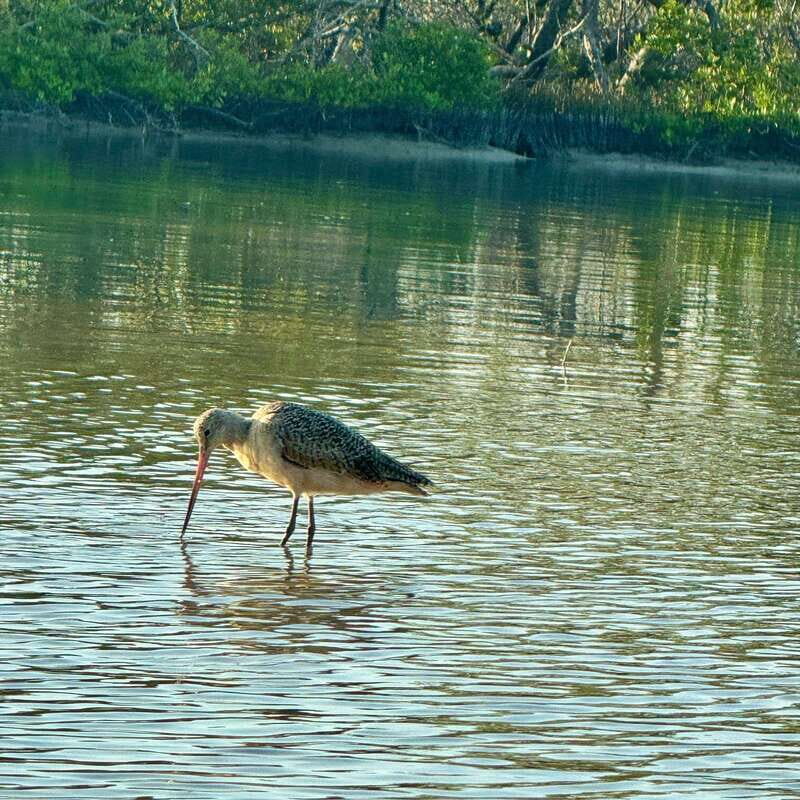
At a point inside the river, you’ll stop for snack, then continue paddling. This isn’t just a food break. It’s also a natural rhythm for the tour. Stopping gives you a chance to refuel while your guide watches wildlife positioning and decides when it’s the best moment to keep going.
Because you’re in a protected zone, how you pause matters. If the group stays quiet and still, wildlife often keeps using the area. If people start talking loudly or changing positions constantly, you can feel the behavior shift.
Also, since this is an early start, the snack helps you stay comfortable through the rest of the kayaking. The tour includes water and fruit as well, which is a nice baseline so you don’t have to buy everything once you’re out there.
How hard is it, really: currents, wind, and kayak comfort
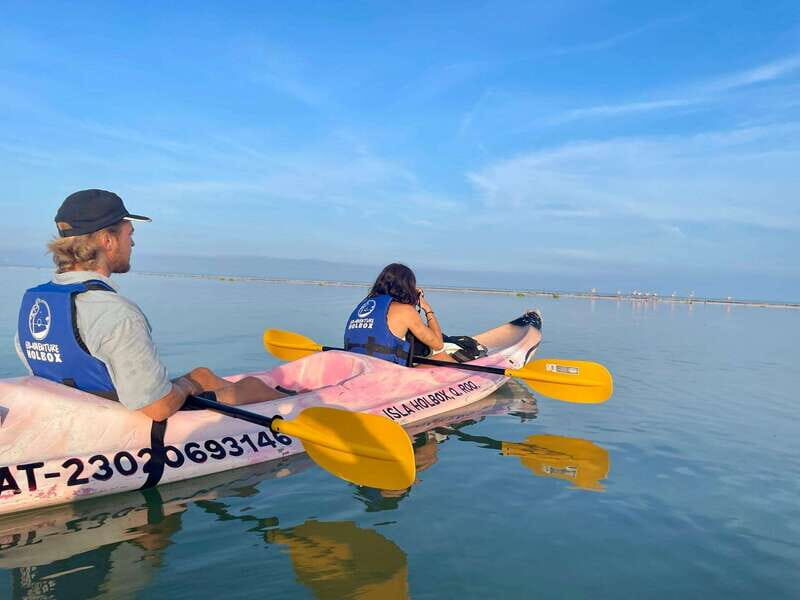
This tour can be easy or hard depending on your body and the day’s conditions. The tour description is upfront: paddling may be difficult due to current, high tide, waves, or wind, and weather on an island changes fast.
Here’s the balanced way to plan:
- If you’re an experienced paddler, you’ll probably find it fun and varied. People describe a mix of effort and reward.
- If you are less experienced, treat it like a training day. You may work against current in some stretches, even if the overall route doesn’t feel like a race.
One guide note you can actually use: some people recommend doing this tour only if you have kayak experience, especially because the first part can be harder going with currents and waves. That doesn’t mean beginners can’t do it, but it does mean you should be honest about your comfort level.
Also, choose your clothing like a paddler:
- wear comfortable clothes that can get a little wet
- bring a towel
- use water shoes if you have them, because the shoreline can be rougher than it looks from the dock
Gear and what’s included: you bring the right basics
The tour includes the equipment that keeps you safe and comfortable on the water:
- life jackets
- water
- fruits
- 1 dry bag per couple
- drop-off downtown
You still need to bring key items. The tour strongly suggests:
- sunglasses
- a sun hat
- insect repellent
- a towel
- a reusable water bottle (they do not use plastic bottles)
- waterproof bag
- water shoes
- comfortable clothes
The repellent part is real. You are moving through mangrove environments at sunrise, and mosquitoes can be part of the morning experience. Repellent is not included, so plan to pack it.
One more small but important rule: no sharp objects, no weapons, no drones, and no alcohol or drugs. Large luggage is also off the table. Keep it light.
Price check: $49 for sunrise access and a real guide
At $49 per person, this tour is strong value when you count what’s included. You’re paying for more than a kayak rental:
- hotel pickup and drop-off
- life jackets and a dry bag
- water and fruit
- a guide in English, Spanish, or French
- access to the protected ecosystem area by kayak
If you tried to recreate it with a rental and your own bird spotting plan, you would quickly spend time figuring out where to go and what rules to follow. Here, the guide knows where animals rest and feed, and that turns “pretty morning” into “I learned something and saw something.”
In short: you’re paying for local expertise and the right approach to wildlife, not just transportation.
What makes the guiding matter so much
A big reason people love this trip is the guide style. Guides like Victor Hugo, Victor Rouqe and Tomas show up in different reviews, and the consistent theme is care: they keep the group safe in the kayaks and keep the wildlife experience respectful.
What that means for you on the water:
- You’ll get tips for paddling that help you avoid chaos early.
- You’ll have time to ask questions instead of just listening while you strain your shoulders.
- When you see something interesting, the guide can connect it to mangroves and bird behavior, not just list names.
Also, you’re usually in a small group or private setting, so the guide can pay attention to your pacing. One review notes a group of four plus the guide, which is exactly the kind of group size that keeps everything calm.
Who should book this Holbox kayak tour
Book it if you want:
- a sunrise on the water with real nature quiet
- mangroves and birdwatching
- the chance to see crocodiles without chaotic behavior
- a guide-led experience with safety and wildlife etiquette
Skip it if:
- you’re pregnant
- you have heart problems
- you’re over 70
- you’re traveling with a baby under 1 year
- you know you cannot handle kayaking with current and shifting weather
And if you’re on the edge about paddling difficulty, plan to bring a good attitude and take breaks when suggested. You’re not supposed to muscle through everything at speed.
Should you book this sunrise & mangrove kayak tour?
I think you should book it if sunrise is your kind of travel and you love nature you can actually watch up close. The combination of Kuká River mangroves, bird variety by season, and a guide who respects animal distance is exactly what makes this feel like Holbox rather than a checklist tour.
One final decision helper: pack for an unpredictable morning. Bring repellent, water shoes, and clothes you don’t mind getting a bit damp. If you do that, you’ll be ready for whatever the day gives you, from calm light to a dramatic rain break.