REVIEW · UXMAL
From Mérida:Uxmal and amazing cenotes guided tour with lunch
Book on GetYourGuide →Operated by AVENTURA EN EL MAYAB · Bookable on GetYourGuide
Best mornings in Yucatán start early. This guided day trip pairs Uxmal with two very different cenote swims: one inside a cave system and one open-air cenote for a calmer finish, with bilingual guidance the whole time; I like the added focus on smaller spots you don’t usually see and the early timing that keeps things more relaxed. The main catch is the extra Uxmal admission fee for foreigners (cash/pesos needed), which is not included in the $93.
I also like that the tour is built for your full day, not just a quick photo run: you get round transportation, a traditional lunch at a local lonchería/Abalá-style stop, and cenote entrance fees so you’re not scrambling at each gate. In past departures, guides were often named Jorge or Sergio, and they tend to make the storytelling practical rather than just dates on a wall. The day runs fixed-time with a strict start, so you’ll want to arrive on time at the meeting point by Parque Sant Ana.
In This Review
- Quick take: what makes this day click
- Uxmal at the Puuc Route’s best-preserved level
- The 7:30 a.m. start: meeting at Parque Santa Ana without stress
- Inside Uxmal: what the certified guide helps you notice
- Abalá lunch at a local lonchería: real Yucatán comfort food
- Cave cenote swim: underground caverns and old bones
- Open cenote time: a beautiful reset after swimming caves
- Price and logistics: $93 is a fair base, but budget for Uxmal entry
- Who should book this Uxmal and cenotes day trip
- Should you book this Uxmal and cenotes tour?
- FAQ
- What time do we meet and where?
- How long is the tour?
- What’s included in the price?
- Do I need to pay extra for Uxmal admission?
- What should I bring for the cenotes?
- Will I have time to swim in both cenotes?
- Is this tour suitable for wheelchair users?
Quick take: what makes this day click
- Uxmal with a certified guide: more than walking around—expect guided explanations and standout carvings/engravings
- Early arrival: you’re there before the bigger waves, which makes the site feel calmer
- Two cenotes, two moods: one cave swim with underground caverns and one open cenote to cool off and reset
- Lunch that feels local: a traditional Yucatán meal at a neighborhood-style lonchería
- Small-group feel: many people describe the cenotes as uncrowded, with a more private vibe
- Bring cash for Uxmal entry: the tour fee doesn’t cover the park admission for foreigners
Uxmal at the Puuc Route’s best-preserved level
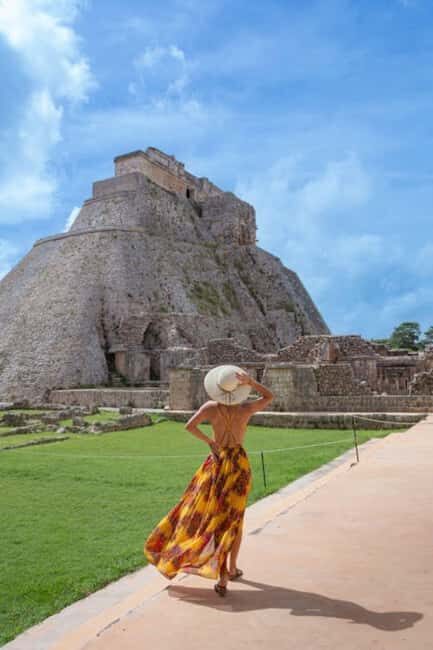
Uxmal is on the Puuc Route for a reason. When you see it in person, it’s not just “old rocks.” The stonework and the way the city was planned feel deliberate and careful, which is why Uxmal is often described as one of the best-preserved Maya cities in the area. On this day trip, you’re not left on your own to figure out what you’re looking at. You go in with an official certified guide, which changes the whole experience from sightseeing to understanding.
What I like is that the tour time is long enough to notice details instead of racing. You’ll have enough time inside the archaeological zone to track how structures relate to each other and to spot carvings and engravings that are easy to miss when you’re just trying to beat the heat. And because the stop happens in the morning, you usually get better light for photos and a more comfortable pace—important because Uxmal and the cenote sites can feel brutal later in the day.
Also, Uxmal is visually different from some other ruins in the region. Expect a more “polished” feel: layered facades, patterned stone surfaces, and architecture that looks built to last. If you’re visiting Mérida and want one Maya site that gives you a serious wow moment without turning into a full multi-day expedition, this is a strong fit.
The 7:30 a.m. start: meeting at Parque Santa Ana without stress
This tour runs like it respects your time. You meet at 7:30 a.m. at Parque Santa Ana, next to the fountain. Depending on the day and group size, the vehicle may be a white van or a gray Mitsubishi SUV. They typically park along 47th Street where designated spots are used for waiting.
Here’s the part that matters most: there’s no grace period. Departing happens at 7:35 a.m., and the tour starts with those who arrive on time. If you’re staying in the center of Mérida, build a buffer. If you’re coming from farther out, don’t rely on a last-minute ride plan.
Once you’re on the road, you’ll get round transportation and a comfortable transfer. Many people mention air conditioning in the van, plus occasional toilet stops during the journey. That’s not glamorous, but it makes the day easier, especially when you’re going straight from morning to sun to water.
If your goal is to see Uxmal before it gets crowded, this early schedule helps. Several past departures describe arriving in a quieter window, which makes a guided walk feel more like learning with space around you rather than squeezing through lines.
Inside Uxmal: what the certified guide helps you notice
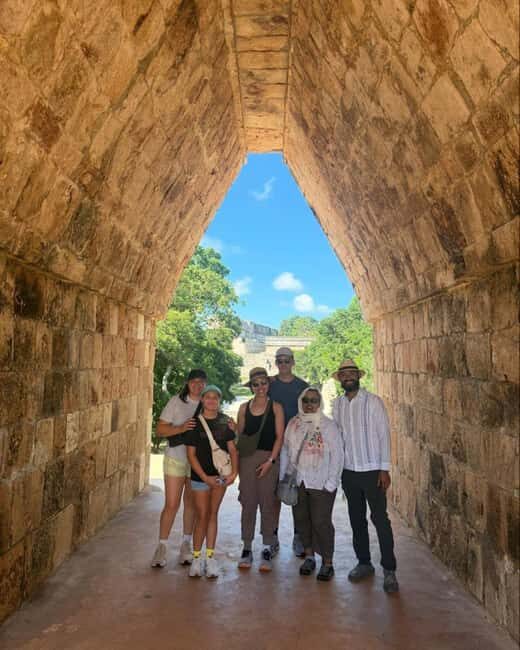
The Uxmal portion is the backbone of the trip. You’ll spend about 90 to 110 minutes inside the ruins with an official certified guide, and the tour is described as a guided visit inside the archaeological site with a certified official. That matters because Uxmal is the kind of place where context changes everything—otherwise you might just see structures without understanding why they’re arranged the way they are.
In past groups, guides were frequently highlighted by name, including Jorge and Jesus (for Uxmal), and people consistently mention two things: they made the explanations clear, and they kept the pace right. It’s not a lecture that makes your brain tired. It’s more like story plus structure—how people lived, how the city worked, and what specific details mean when you look closely at them.
Expect to see Mayan engravings and sculptures that have stood for centuries since the city was abandoned. The guide focus is also on those “small finds” you’d probably miss on your own—hidden angles, carvings tucked into corners, and the kind of stone detail that doesn’t jump out from far away. That’s why I think the certified-guide model is worth it here: you’re paying for the ability to read the site, not just enter it.
One more reality check: Uxmal has an admission fee that foreigners must pay separately. For foreigners it’s listed as 604 pesos, while Mexicans and residents pay 275 pesos with the right ID. If you want the national/resident rate, bring your official photo ID from Mexico or your resident card.
Abalá lunch at a local lonchería: real Yucatán comfort food
After Uxmal, you head to a nearby town for lunch at a traditional local lonchería (the stop is often associated with Abalá). You’ll have about 45 minutes for this meal, so it’s not a sit-and-stare long lunch—think good food, eat, cool down, and get back to the day.
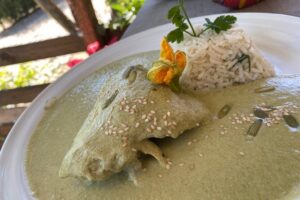
The best part is that this isn’t pitched as a fancy restaurant meal. People describe it as authentic Yucatecan food, cooked and served in a more local setup. Some people call out that lunch was the best meal of the trip, including dishes like tacos and other regional plates. You may also learn a bit about ingredients and how the food is prepared, including the role of Mayan women in preparing regional dishes.
Now for the balanced part: a couple people felt the portion was basic or smaller than expected, especially if you started with a light breakfast. Another note was that the spices can feel toned down for a more general palate. So I’d pack for reality: eat what they serve, but also bring a snack or two and extra water if you’re prone to getting hungry between stops.
If you care about food that feels like Yucatán—not a generic “Mexican lunch”—this stop is a real reason to choose this exact tour format.
Cave cenote swim: underground caverns and old bones
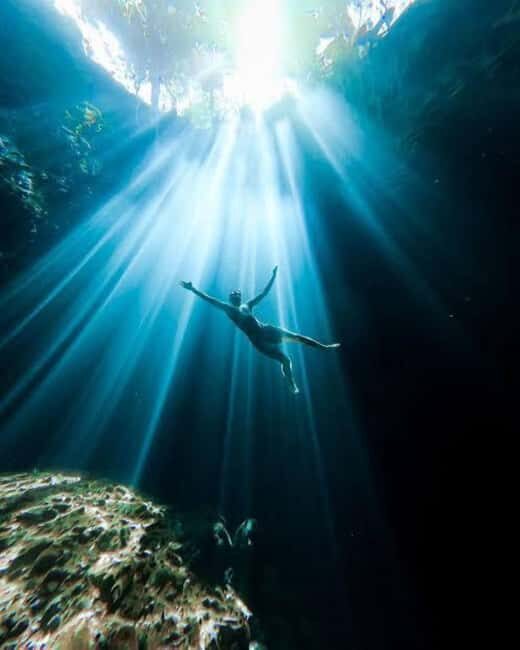
Cenotes are a Yucatán signature, but not all cenotes feel the same. This tour takes you to a cave cenote described as a little-known spot where prehistoric animal bones and Mayan artifacts have been discovered. That combination gives the swim a different flavor: it’s not just a pretty swim hole. It’s a place tied to much older timelines.
You’ll travel from lunch to the cenote site (there’s a short drive on the schedule), and to reach the cave cenote you’ll take dirt roads. The good news: people describe this as worth it, meaning the inconvenience pays back in the setting and the fact that it feels less crowded than more famous cenotes.
Once you’re there, plan on about an hour in the water. You’ll have time to swim in clear waters and explore underground caverns. Past participants also mention that snorkeling masks or goggles were provided, which is a major help if you want to see underwater details rather than just float around.
Bring water shoes. You’ll be walking on uneven, wet surfaces, and sandals alone can get annoying fast. Also pack a towel, and keep biodegradable sunscreen ready for when you resurface and move back into the sun.
Open cenote time: a beautiful reset after swimming caves
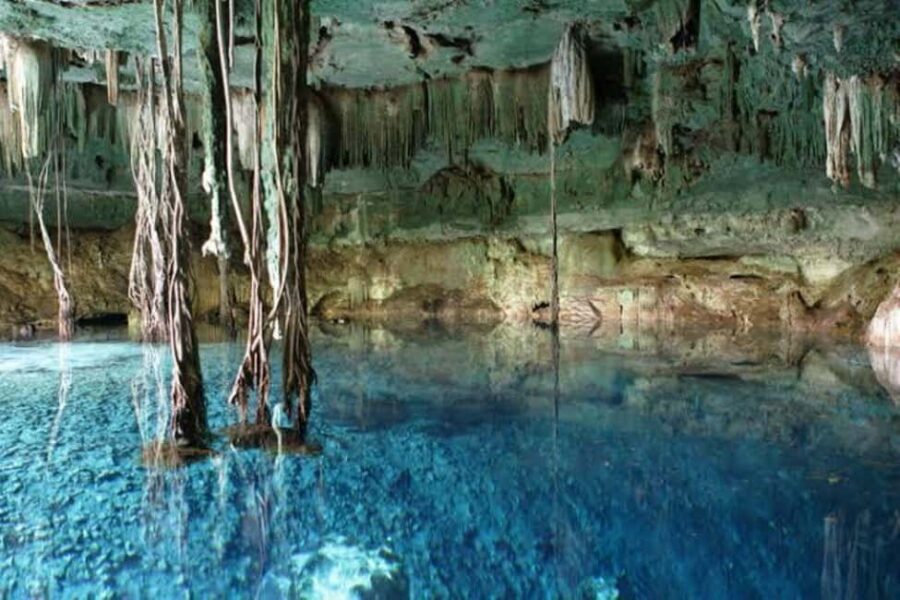
After the cave cenote, you move to a second cenote: a beautiful open cenote where you can relax and enjoy the natural scenery. This is the part of the day that helps you recover from the more intense cave exploration. Even if you swim hard, open water feels calmer and more breathable.
On the schedule, you get another hour for swimming here, with a short transfer between the two cenote stops. Many people describe the cenotes as quiet—sometimes nearly private—especially because the day’s overall rhythm starts early and keeps groups from hitting these spots at peak time.
One practical point: the tour happens in real sun and real humidity. Even if the water feels refreshing, you can still overheat if you don’t pace yourself. I like that the second cenote isn’t framed as “rushed activity.” It’s a finishing stop that gives you room to float, splash, and take photos without feeling like someone is counting down your minutes.
If you have goggles, use them. If you don’t, still swim slowly and watch what’s around you; open cenotes can surprise you with reflections and light patterns that don’t look the same from above.
Price and logistics: $93 is a fair base, but budget for Uxmal entry
At $93 per person for an 8-hour day, this tour is priced like a full-service experience: round transportation, bilingual guidance, Uxmal guided time with a certified guide, traditional lunch, and cenote entrance fees are included. That’s a lot bundled together, and it saves you from planning multiple transfers and paying each site separately.
But there’s a key extra cost: Uxmal admission. The tour includes guided access, but not the Uxmal park fee itself. For foreigners that’s listed at 604 pesos, and for Mexicans/residents 275 pesos with proper ID. So if you’re budgeting, think of the $93 as the guide + transportation + lunch + cenote fees, and then add Uxmal entrance on top.
A few people also noted that tips may be expected during the day. No one said you must tip in a strict way, but it’s smart to carry extra cash so you can handle gratuities politely if you choose.
When you weigh value, I think the strongest argument is the “no-crowds timing + guided Uxmal + two cenotes” combination. If you tried to do this yourself from Mérida, you’d spend time coordinating drivers, entry fees, and route timing. This tour reduces that hassle and gives you a smoother flow.
Just don’t show up without pesos for Uxmal, and don’t arrive late. Those two things can turn a great day into a headache.
Who should book this Uxmal and cenotes day trip
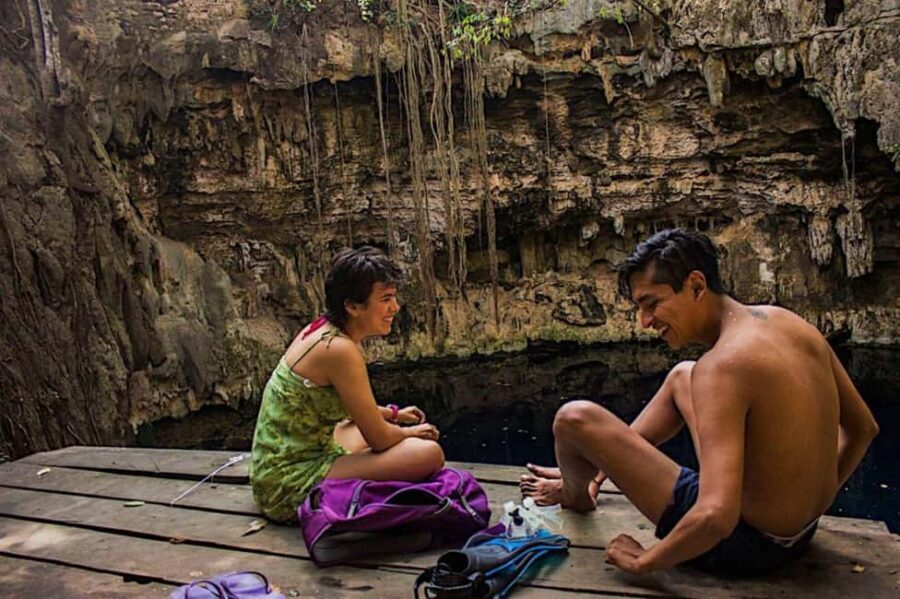
This tour is a good match if you:
- Want one high-impact Maya site (Uxmal) paired with swimming in two different cenote settings
- Prefer a guided walk where you can understand the stone details instead of wandering
- Like the idea of early timing to keep Uxmal and cenotes from feeling like a crowd corridor
- Enjoy local food that’s served in a neighborhood style, not a tourist factory
It may be less ideal if:
- You have mobility limitations or use a wheelchair (the tour is not suitable for wheelchair users and people with mobility impairments)
- You hate fixed schedules and want total freedom to linger or skip parts of the day
If you’re traveling as a couple, a friend group, or solo, the small-group feel mentioned in past experiences is a plus. And if you’re the type who loves asking questions, you’ll likely enjoy the guide style—many people specifically praised guides for answering questions and keeping the day upbeat.
Should you book this Uxmal and cenotes tour?
Yes—if you want a well-paced Mérida day that mixes Maya ruins with real swimming and doesn’t treat lunch and cenotes like afterthoughts. The early start, the certified guide at Uxmal, and the two cenotes with a cave portion are the reasons this tour works.
Before you book, do two things: bring cash for Uxmal entry and pack for water and sun (water shoes, towel, swimwear, sunscreen, insect repellent, and a hat). If you’re ready for that, you’ll get a full Yucatán day with less planning stress and more time actually seeing and understanding what you came for.
FAQ
What time do we meet and where?
You meet at 7:30 a.m. at Parque Santa Ana, next to the fountain. The group usually parks along 47th Street near designated waiting spots.
How long is the tour?
The total duration is about 8 hours.
What’s included in the price?
The tour includes a bilingual guide at all times, round transportation, a guided tour of Uxmal with a certified guide, traditional regional lunch at a local lonchería, and cenote entrance fees.
Do I need to pay extra for Uxmal admission?
Yes. Uxmal entrance is listed separately: foreigners pay 604 pesos, while Mexicans and residents pay 275 pesos with the required official photo ID or resident card.
What should I bring for the cenotes?
Bring swimwear, a towel, water shoes, a sun hat, biodegradable sunscreen, insect repellent, a camera, water, and cash. Snacks can also help.
Will I have time to swim in both cenotes?
Yes. The day includes swimming in two cenotes, with about an hour allocated for each swimming stop.
Is this tour suitable for wheelchair users?
No. It is not suitable for people with mobility impairments, including wheelchair users.