REVIEW · TULUM
Fine Mexican Chocolate Tasting: A Sensory Luxury Journey
Book on Viator →Bookable on Viator
Chocolate in Mexico has a special glow. This tasting is a focused, small-group way to experience fine Mexican chocolate as crafted now, while still tracing it back to cacao rituals and indigenous recipes. I especially like the step-by-step sensory guidance, and I also like that you get both cultural context and real tasting technique. One thing to consider: it can be easy to miss the meeting spot in La Veleta unless you plan ahead.
What really makes this work is the Certified Chocolate Taster host, Shamira, who turns a sweet hour-and-change into a mini masterclass without making it stuffy. The flight format helps you notice aroma, texture, and flavor changes bar to bar, and you’ll also try pre-Hispanic-style chocolates plus a pre-Hispanic Oaxaca bar at the end. If you’re expecting a huge party-style tour, this is more calm and deliberate than loud and fast.
In This Review
- Key things to look forward to
- A short, elegant tasting that feels like Mexico’s cacao brain-teaser
- Meet at Zona Novec in La Veleta (and don’t guess)
- The welcome chocolate sets the tone (modern presentation, ancient roots)
- Starter round: ceremonial-style chocolate, yogurt, and cacao beans
- Pre-hispanic Ceremonial-Style Chocolate
- Greek yogurt with cacao nibs and honey
- Sugar-coated cacao beans
- The main event: 10 fine aroma chocolates (this is where you learn)
- Dessert: a hand-made Oaxaca bar with Zapotec tradition
- What Shamira brings beyond the chocolate
- How to taste like you actually mean it (a quick, practical method)
- Value check: is $77.67 worth it?
- Who this tour fits best
- Should you book fine Mexican chocolate tasting in Tulum?
- FAQ
- Where is the meeting point for the chocolate tasting?
- How long does the experience last?
- What is the price per person?
- Is the tour offered in English?
- What’s included in the sample menu?
- How many people are in the group?
- Is the ticket mobile?
- Is it dependent on weather?
- What’s the cancellation policy?
Key things to look forward to
- A certified guide who teaches you how to taste, not just what to taste
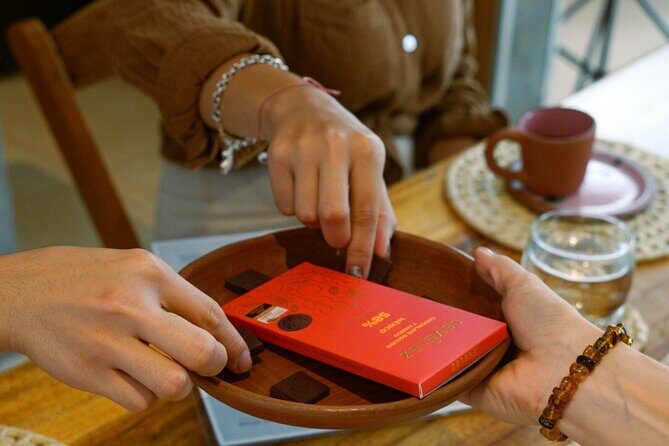
- A 10-piece aroma flight of small-batch, award-winning Mexican chocolates
- Pre-Hispanic cacao starts the experience, with a ceremonial-style welcome chocolate
- Single-origin, biodiverse cacao stories tied to fermentation, roasting, and conching
- Limited-edition creations that are hard to find outside Mexico
- A small group limit of 10, so questions stay welcome
A short, elegant tasting that feels like Mexico’s cacao brain-teaser
This experience in Tulum is priced at $77.67 per person for about 1 hour 40 minutes. That’s not cheap, but it’s the kind of price that starts making sense when you realize what you’re buying: access to small-batch chocolates from top Mexican makers, plus a guided tasting led by a certified chocolate taster (Shamira). Instead of a generic sugar walk-through, you get an education in how cacao becomes flavor.
The group size matters here. With a maximum of 10 people, you’re not shouting over strangers. You can hear what Shamira is pointing out—aroma shifts, texture changes, and the way different processing steps affect taste. And yes, you’ll end up wanting to read labels at home, because you learn what matters and what doesn’t.
Also, it’s English-led, and you get a mobile ticket. If you like structured activities during a beach-heavy trip, this is a solid fit.
You can also read our reviews of more food & drink experiences in Tulum


Meet at Zona Novec in La Veleta (and don’t guess)
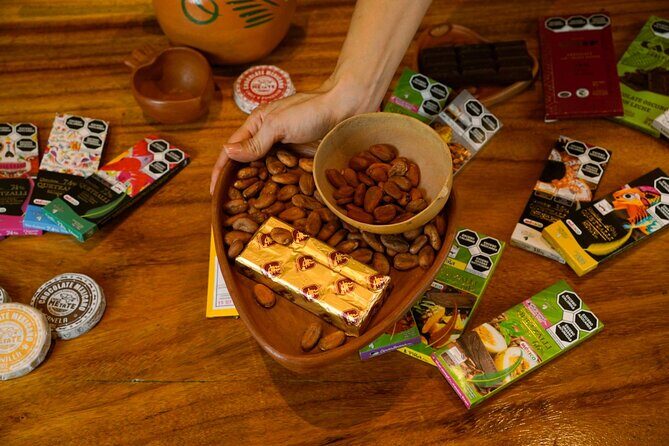
The meeting point is ZONA NOVEC, 9 Sur entre CALLE 6 SUR Y 4 SUR, La Veleta, 77760 Tulum, Q.R., Mexico. The activity ends back at the meeting point, so you won’t be dropped somewhere random.
A practical tip: La Veleta can feel like it’s made of the same-looking streets. One of the most useful pieces of feedback I’d take from this experience is simply this—give yourself extra time to find ZONA NOVEC. If you’re trying to walk in last-minute, you may lose 15 minutes and still show up flustered.
Good news: it’s near public transportation, and service animals are allowed.
The welcome chocolate sets the tone (modern presentation, ancient roots)
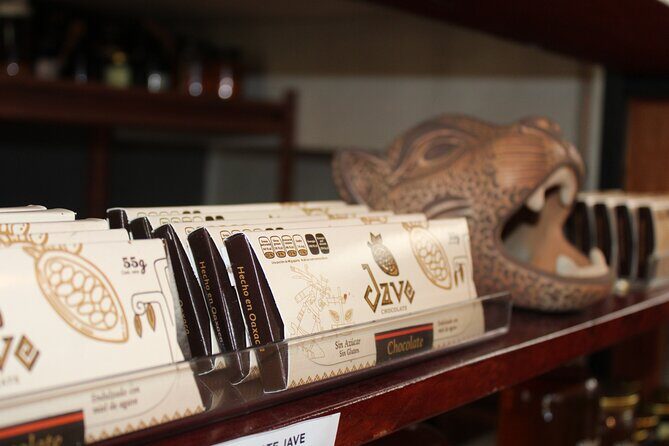
You don’t start with a big bar and a shrug. The experience begins with a sophisticated welcome chocolate inspired by the earliest cacao traditions of Mexico, presented in a modern and minimal style.
That first taste matters. It primes your palate so the rest of the tasting isn’t just about sweetness. You start learning how to notice aroma before you fully even “know” what you’re tasting. Your mouth becomes a little laboratory.
If you love cultural context, this is where the story starts—cacao as an ancestral ingredient, not just a dessert ingredient. Shamira connects the ritual roots to how today’s chocolatiers work with small-batch technique.
Starter round: ceremonial-style chocolate, yogurt, and cacao beans
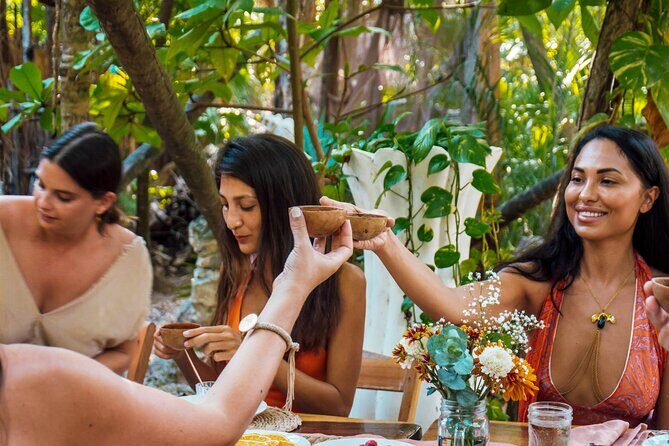
The sample menu is built like a palate warm-up, not a random assortment.
Pre-hispanic Ceremonial-Style Chocolate
This is a traditional-recipe starter that leans into how cacao was used long ago. The value here is that it gives you a baseline. Once you taste this style, the later “fine aroma” flight lands with more clarity, because you can compare how modern processing changes flavor.
A few more Tulum tours and experiences worth a look




Greek yogurt with cacao nibs and honey
This is a snack course that balances the stronger cacao notes. The point isn’t just comfort food. The honey and yogurt help your palate stay flexible, so when the tasting gets more nuanced you’re not stuck in a sugar blur.
Sugar-coated cacao beans
These are small bites designed to highlight different aromas and textures. I like this stage because it trains you to pay attention before you commit to the main chocolate flight. It’s also a reminder that cacao isn’t only chocolate—there are multiple sensory experiences even before the bar stage.
The main event: 10 fine aroma chocolates (this is where you learn)
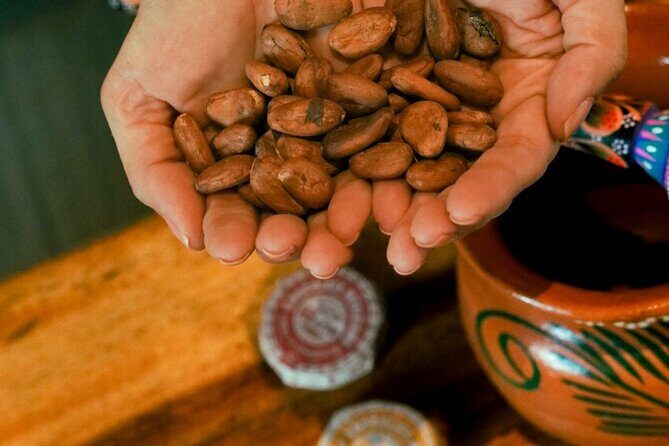
The centerpiece is 10 Fine Aroma Chocolates—a curated flight of small-batch, award-winning, aromatic chocolates from top Mexican makers.
This is the part you should plan your energy for. Don’t schedule it right after a big lunch or while you’re rushing across town. You want the time to smell, sip, taste, and reset between samples.
Here’s what Shamira’s guidance adds:
- You don’t just taste. You learn to watch how aroma changes from one bar to the next.
- You notice texture—how it melts, how it coats, and what that says about the processing.
- You start connecting flavor notes to real factors like terroir, fermentation, roasting, and conching.
Those words can sound technical, but in a tasting format they become useful. You learn why one chocolate tastes brighter or more floral, while another feels heavier or deeper. And if you’ve ever wondered why “dark chocolate” can taste either pleasant or bitter, this flight helps you understand that it’s not just the word dark—it’s the craft behind it.
A strong recurring theme from the experience’s atmosphere is that Shamira teaches you why certain flavors happen, including the idea that many mass-market chocolates end up bitter for reasons tied to how they’re made and what goes into them. She also shared a practical rule of thumb that when a chocolate has too many ingredients, the quality can be questionable—especially compared with the simpler ingredient approach used by many fine makers.
Dessert: a hand-made Oaxaca bar with Zapotec tradition
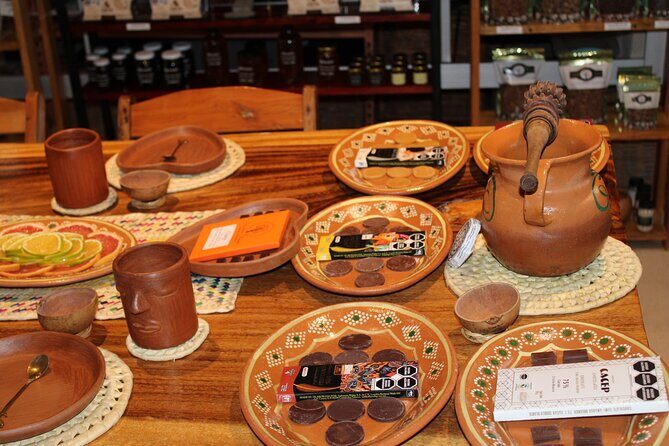
The dessert is a Pre-hispanic Chocolate Bar made by hand using the traditional recipe from the Zapotec indigenous people from Oaxaca.
This final course gives your brain something to hold onto. After you’ve tasted multiple makers and multiple cacao origins, you end with a cultural anchor. It’s a reminder that Mexican chocolate isn’t a modern novelty. It’s a long line of technique, tradition, and ingredient knowledge.
And because it’s a bar (not just a drink or a bite), you get to experience how a specific tradition lands in a clean, finished format.
What Shamira brings beyond the chocolate
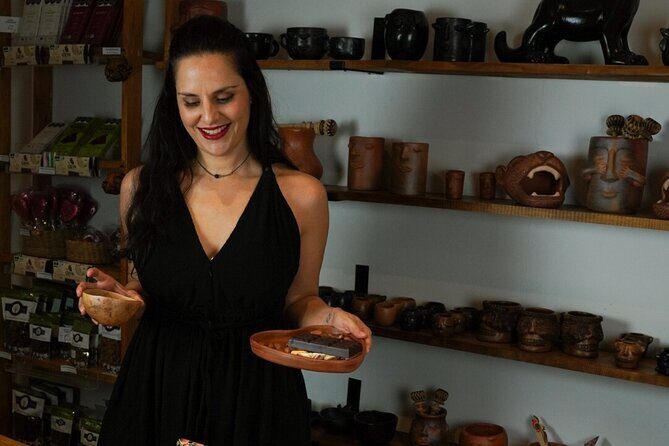
Shamira is the reason many people call this a highlight, and not in the generic way. The atmosphere is warm, welcoming, and conversational, with storytelling that connects chocolate to plants, harvesting, and legend.
From the experience vibe, I’d expect her teaching to include:
- how delicate cacao pods and harvesting can be
- legends tied to Mexican chocolate
- and the broader idea that chocolate has been used beyond dessert—people discussed medicinal purposes too
There’s also an ethics angle that came up through her explanation of unfair labor practices tied to some cacao supply chains. She emphasized that fairer sourcing matters, and that mass-produced chocolate can hide ugly realities behind the wrapper.
That’s not a side topic here. It fits the overall “cacao with context” approach: if you’re going to taste fine chocolate, it’s worth knowing where it comes from and who benefits.
How to taste like you actually mean it (a quick, practical method)
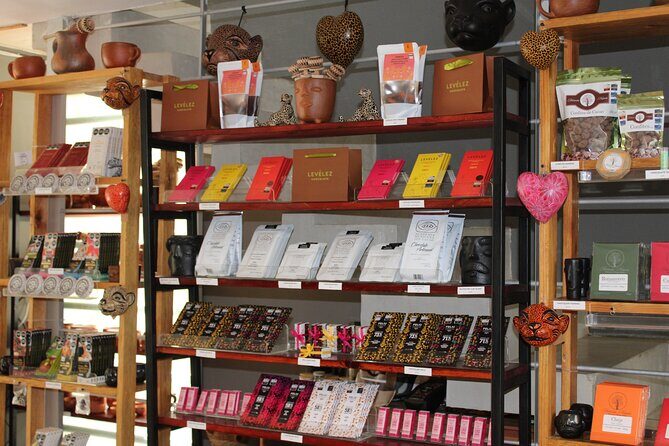
If you want maximum value, use a simple approach during the flight:
- Smell first. You’ll pick up notes before your tongue commits.
- Take a small bite, then wait a beat. Aroma changes as chocolate warms.
- Notice texture before flavor. Coating, melt, and graininess tell you a lot.
- Compare, don’t judge alone. One bar can be “strong” but still beautiful next to another.
The flight format makes this easier. You’re not stuck with only one chocolate to interpret. You’re comparing ten mini stories.
Value check: is $77.67 worth it?
For Tulum, $77.67 is a premium price, but this experience doesn’t feel like a souvenir shop with a few samples. You get:
- a structured menu (ceremonial starter, yogurt snack, cacao beans, 10-bar flight, Oaxaca-style bar)
- a certified guide (Shamira) who explains processing and sensory differences
- small group size (max 10)
- limited-edition, small-batch chocolate from top Mexican makers
If you like food as culture—and you care about how things are made—this is the kind of tour where you’ll leave with sharper taste and better instincts. If you only want a quick sweet break, you might find it slower than you want.
My rule: if you’re the type to read about fermentation, origin, and ingredients, you’ll feel like you got your money’s worth fast.
Who this tour fits best
I’d point this tasting toward travelers who:
- want a calm, indoor-friendly feeling activity during a busy trip
- love learning through hands-on tasting rather than a long lecture
- enjoy food ethics and real sourcing conversations
- want a unique Tulum experience beyond beaches and cenotes
It also works well as a date activity or a couple experience, since the pace is relaxed and the guide’s teaching style is welcoming.
Should you book fine Mexican chocolate tasting in Tulum?
I’d book it if you want a high-signal experience: small group, certified guidance, and a structured flight that teaches you how Mexican makers shape flavor from cacao processing. It’s also a great choice if you’re already a chocolate person and want to understand why Mexican fine chocolate tastes different.
Skip it if you want a big party vibe, if you’re short on time and need something super quick, or if you’re not interested in learning (because the value is in the guided sensory education).
If you’re on the fence, treat this as a “one good food lesson” purchase. At $77.67, it’s not a casual splurge—but it can be a standout cultural experience.
FAQ
Where is the meeting point for the chocolate tasting?
It meets at ZONA NOVEC, 9 Sur entre CALLE 6 SUR Y 4 SUR, La Veleta, 77760 Tulum, Q.R., Mexico. The tour ends back at the meeting point.
How long does the experience last?
The tasting runs about 1 hour 40 minutes.
What is the price per person?
The price is $77.67 per person.
Is the tour offered in English?
Yes. The experience is offered in English.
What’s included in the sample menu?
You’ll try pre-hispanic ceremonial-style chocolate, Greek yogurt with cacao nibs and honey, sugar-coated cacao beans, a flight of 10 fine aroma chocolates, and a pre-hispanic chocolate bar made using Zapotec tradition from Oaxaca.
How many people are in the group?
The experience has a maximum of 10 travelers.
Is the ticket mobile?
Yes. You’ll receive a mobile ticket.
Is it dependent on weather?
The experience requires good weather. If it’s canceled due to poor weather, you’ll be offered a different date or a full refund.
What’s the cancellation policy?
Cancellation is free up to 24 hours in advance for a full refund. If you cancel less than 24 hours before the start time, the amount you paid is not refunded.
You Might Also Enjoy

More VIP Experiences in Tulum
More Food & Drink Experiences in Tulum
More Tour Reviews in Tulum
- Selva Maya Eco Adventure Park: Ziplining, Hanging Bridges, Rappelling and Cenote
★ 5.0 · 1,057 reviews