REVIEW · PUERTO VALLARTA
Desembocada and Ameca River Bird Paradise (Wetland and Tropical birds in PV)
Book on Viator →Operated by ECOTOURS VALLARTA · Bookable on Viator
Dawn bird calls beat PV beach time. This 7-hour Puerto Vallarta birding day takes you into the Desembocada and Ameca River wetland systems, where mangroves and tropical birds share the same air, and the American Crocodile is at least a real possibility.
I like that it’s led by a biologist professional guide for an outing that’s more about reading nature than racing to a checklist. I also like the small-group feel (up to 8 people), which makes it easier to pause, scan, and get help with what you’re seeing and hearing.
One thing to consider: it’s a walking and spotting day, and it’s not recommended for travelers with knee problems. Also, lunch isn’t included, so plan your food timing.
In This Review
- Key Things You’ll Notice on This Bird Paradise Day
- Desembocada and the Ameca River: Why This Wetland Birding Works
- The Morning Start: 6:45 am Pickup and What to Bring
- Playa Boca de Tomates: Your First Scanning Session
- Desembocada Wetlands: Mangroves, Birds, and Working-Land-Edge Life
- Ameca River Birding: When Calls Lead the Sightings
- The Crocodile Mention: How to Approach the American Crocodile Without Stress
- Group Size and Pacing: Up to 8 People, More Time to Get It Right
- What You’ll Get Versus What You Need to Handle
- Value Check: Is This Birding Day Worth Your Time?
- Should You Book This Puerto Vallarta Bird Paradise Birding Tour?
- FAQ
- How long is the bird paradise birding tour?
- What time does the tour start?
- Where is the meeting point?
- Does the tour end back at the meeting point?
- What’s included in the tour price?
- Is lunch included?
- What language is the tour offered in?
- What’s the minimum age to join?
- Is this tour recommended for travelers with knee problems?
- What’s the group size limit?
Key Things You’ll Notice on This Bird Paradise Day
- Biologist-led birding: you’re not just spotting birds, you’re learning how to track them
- Desembocada + Ameca River habitats: mangroves, wetlands, and tropical areas in one day
- Small group (max 8): more patience, fewer missed sightings
- Early start (6:45 am): you’ll be out while birds are most active
- Scopes and careful ID: guides focus on sound and markings, not just distance
- Crocodile is on the radar: keep your eyes open in the right wetland zones
Desembocada and the Ameca River: Why This Wetland Birding Works
This tour is built around the idea that the best birding comes from habitat, not luck. The Desembocada area and the Ameca River wetlands create a stack of different environments close together, so the variety of birds doesn’t feel random—it feels logical. You’re going from mangrove-type cover to river and wetland edges where food and cover overlap.
The big promise is a huge bird total—nearly 350 species across the ecosystems here. Realistically, you’re not going to see all of them in 7 hours, but you’re in the right place for the kinds of birds that show up when conditions are good and you have a guide who can work the landscape.
And yes, the American Crocodile is mentioned as an exciting target. Even if you don’t see one, the value is how the day teaches you to watch responsibly in wetland habitat: slow scanning, good observation habits, and staying aware without crowding wildlife.
You can also read our reviews of more tours and experiences in Puerto Vallarta.


The Morning Start: 6:45 am Pickup and What to Bring
You’ll start at 6:45 am at ECOTOURS VALLARTA / Dive ShopProa 20, Marina Vallarta. The activity ends back at that same meeting point. The early timing matters. Many birds settle into active feeding and calling patterns when it’s cooler and the light is easier for spotting.
Transportation is handled for you with an air-conditioned van, so you’re not wrangling taxis and timing. Bottled water is included, plus snacks, and coffee and/or tea during the day—handy when you’re up early and still shaking off the hotel sleep.
What you should bring is simple and specific:
- Walking shoes (this is a day of standing, scanning, and short walks)
- Your birding log (so you can actually track what you’re seeing)
If you’re sensitive to early starts, or you know you’ll need frequent rest stops for your knees, treat this as a key decision point. The tour explicitly says it’s not recommended for knee problems.
Playa Boca de Tomates: Your First Scanning Session
The day starts with Stop 1 at Playa Boca de Tomates. This kind of coastal starting point is useful because it lets you get your eyes working immediately. Birding works best when you practice early: pick up movement, learn the rhythm of calls, and start sorting birds by behavior before you try to nail the species name.
Also, this is where the tone of the day becomes clear. In real birding, the moment you hear a call and then line it up visually is when everything clicks. Guides on this outing tend to focus on identification through both sight and sound—so you’ll likely be encouraged to listen and then verify with what you’re seeing.
A practical note: don’t expect every stop to be equally easy for long views. Some spots work best for quick sightings and then repositioning. If you like slow and steady watching only, you might feel impatient. If you like the hunt, you’ll fit right in.
Desembocada Wetlands: Mangroves, Birds, and Working-Land-Edge Life
Desembocada is the kind of place where wetland birding has layers. You’re not only looking at untouched habitat. You’re also seeing how birds use the edges of human-managed landscapes, which can be surprisingly productive.
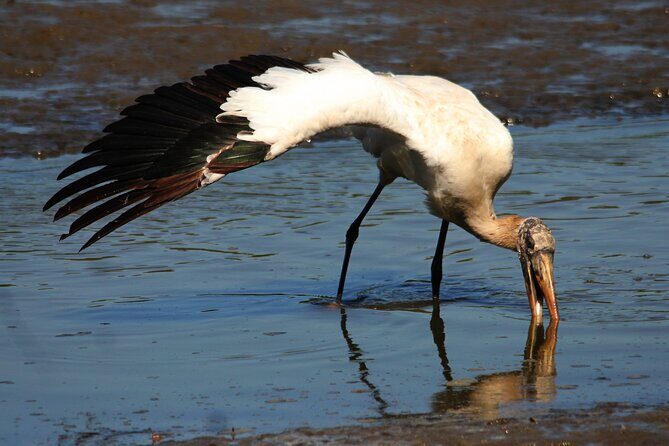
Guides here tend to cover mangrove habitat and wetland zones where you can expect birds that prefer cover, plus species that feed along muddy or shallow areas. The highlight is that birds show up differently in mangroves versus open wet edges—different silhouettes, different calls, different flight patterns. That’s where a biologist guide earns their pay: the day feels like learning, not just walking.
You may also get moments tied to the farming community feel in Desembocada. In one of the most memorable ways this trip is described, people appreciated not only the marshland birds but also how the day connects to local land use. That matters because it helps you understand why birds are there in the first place: food, shelter, and safe movement corridors.
One watch-out: if shore birds are your top priority, be aware that this route can lean more toward inland river and marsh productivity than pure open-shore birding. One person wished there had been a bit more shore watching in an alternate location. So if shore birds are your biggest passion, go in with that context.
Ameca River Birding: When Calls Lead the Sightings
This is the part of the day that rewards patience. The Ameca River wetlands support lots of birds because the habitat changes over short distances—water edges, cover pockets, and open viewing points.
A pattern you’ll probably notice: the best sightings often happen when you listen first. On previous outings, guides have been praised for calling out birds by sound or song before the birds even show themselves. Then, when the bird finally steps into view, the ID becomes easier and you feel like you earned it rather than got handed it.
Expect the tour to move through productive river-edge and wetland areas with an intentional pace. Some days are described as leisurely and relaxing, not rushed. You’ll have time to:
- Scan with the help of a scope when available
- Get help identifying by behavior and markings
- Ask questions without the guide acting like you’re slowing them down
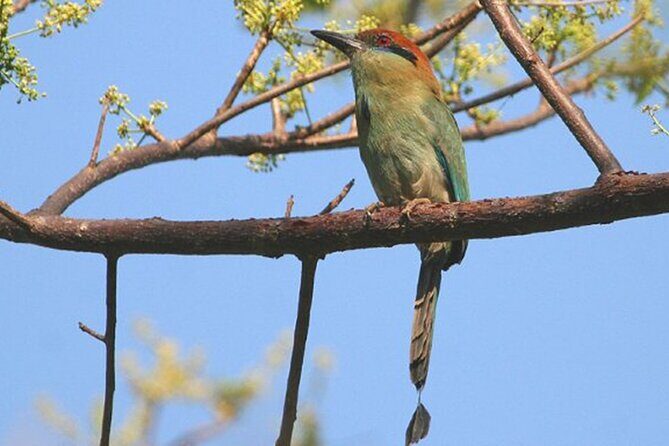
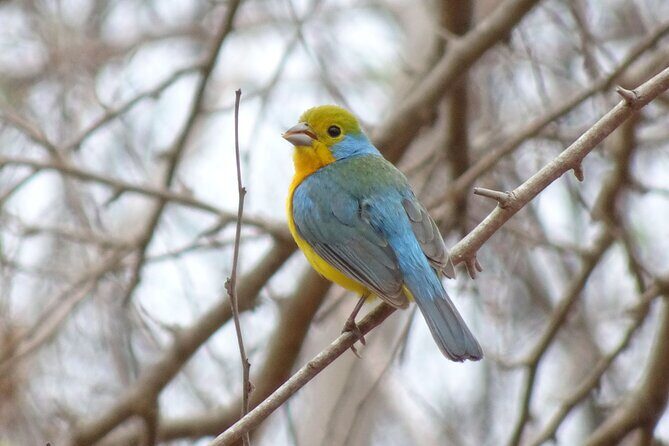
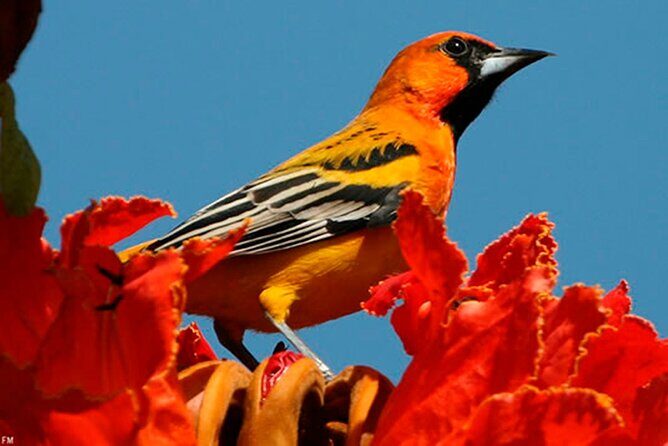
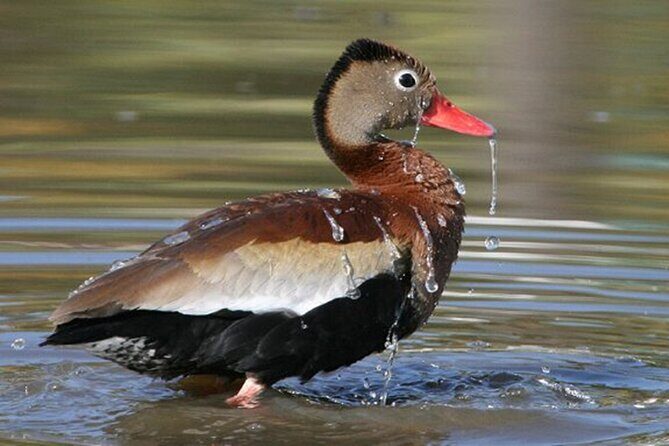
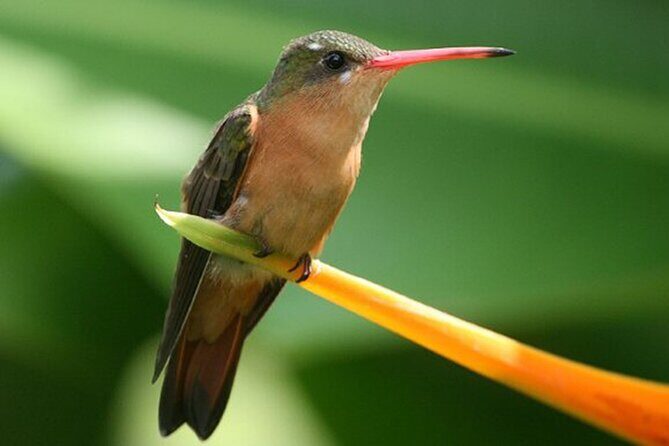
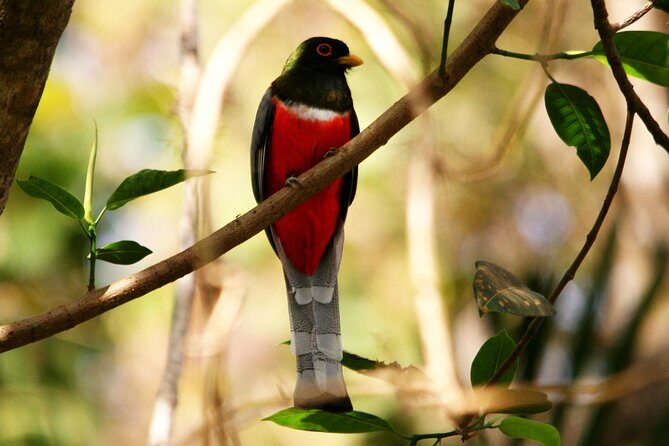
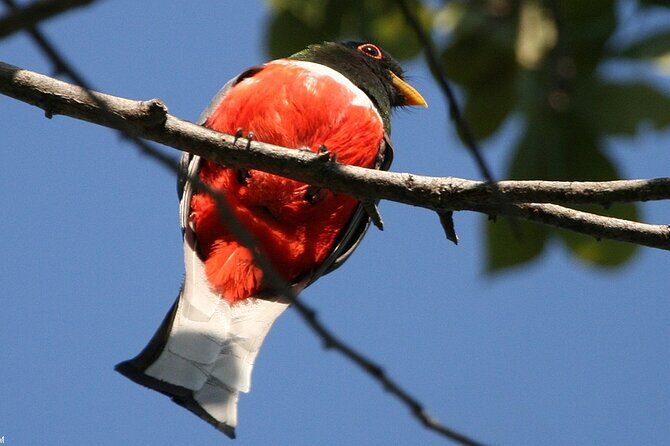
And you’re not just collecting random names. People have walked away with long lists—over 50 species on a day, and sometimes 70+ or even 80+ depending on conditions. The species highlight people mention include things like macaws (including military macaws), motmots, trogons, ducks, and several types of buntings and other tropical birds.


The Crocodile Mention: How to Approach the American Crocodile Without Stress
The tour description flags the American Crocodile as an ever-elusive target, and that’s the right way to think about it. This is not a guarantee, and you’ll get the most out of it by focusing on the conditions and the habitat.
If crocodiles are active, they tend to be visible near the places birds use for feeding and movement—shallow water edges, wet cover zones, and calm stretches where animals can hold position. But even when you don’t see one, the habitat you’re walking through is still the point: mangroves and wetland systems that support tons of bird life.
What helps: keep your expectations flexible. Don’t let the crocodile target steal your attention from the birds and the learning process. If you do get a glimpse, that moment is a bonus. If not, you still leave with a better understanding of wetland life and bird behavior in the Ameca and Desembocada environments.
Group Size and Pacing: Up to 8 People, More Time to Get It Right
This outing caps at 8 travelers. That small size changes the vibe fast. It’s easier for the guide to notice when someone misses a bird, easier to pause without a traffic jam, and easier to hear explanations about how to ID birds by call, behavior, and visual markings.
Pacing also matters. People describe this as relaxed and leisurely when the guide finds productive spots and doesn’t treat every stop like a checklist drill. You may still do some driving between habitats, but the day usually doesn’t feel like constant rushing.
A standout detail: many guides end with a wrap-up session where you go through the birds you saw. Sometimes people get a checklist to keep, which helps you remember later and make it easier to compare your day against your personal bird list. One person also mentioned that the guide shared eBird lists, which is a nice way to keep learning after the van ride home.
What You’ll Get Versus What You Need to Handle
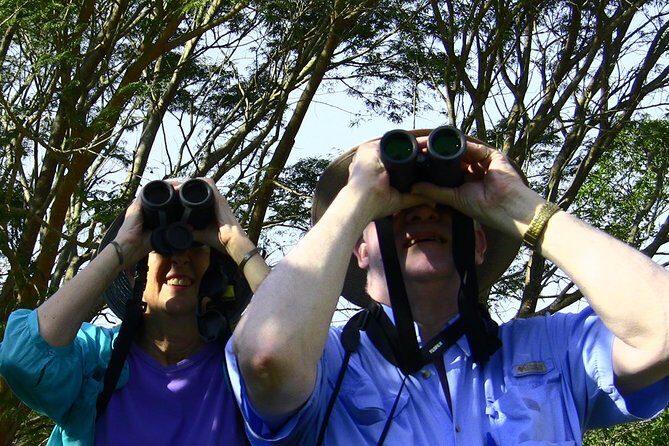
Here’s the practical split.
Included:
- Biologist professional guide
- Driver/guide
- Air-conditioned transport by van
- Bottled water
- Snacks
- Coffee and/or tea
- Mobile ticket
- English-speaking tour
Not included:
- Lunch
That last part is easy to miss if you’re used to tours that cover a full meal. Since you’re out for about 7 hours starting at 6:45 am, plan food timing. If you can, eat before pickup and then lean on the snacks and coffee/tea during the morning and mid-day. Then decide whether you’ll need a meal after you return.
Also, bring the right mindset: this isn’t a beach day with occasional bird photos. You’re walking, scanning, and learning bird behavior. If you treat it like a nature class with binocular time, you’ll get more out of it.
Value Check: Is This Birding Day Worth Your Time?
For a Puerto Vallarta birding tour, the value is in the combination: habitat focus + biologist guidance + small group + a full morning of active birding. Lots of tours claim variety. This one organizes variety by ecosystems: mangroves and wetland/riv er systems that support lots of bird types close together.
The air-conditioned van also adds real value. In Puerto Vallarta, getting around can turn into a time tax. Here, transport is part of the plan, so you’re investing your energy in birding, not transit logistics.
The main value trade-off is that you’re trading a guaranteed lunch for a morning-snack structure. If you’re hungry and you don’t like hunting for food afterward, that’s your only downside to factor in.
Finally, remember the crocodile target. Even if you never see one, the habitat you learn to read is still worth it. If you do see one, that’s the kind of bonus that sticks in your memory for years.
Should You Book This Puerto Vallarta Bird Paradise Birding Tour?
Book it if you want a morning birding experience that’s built on wetland habitat and guided learning. It’s a good match for serious bird watchers, first-time birders who want help with identification, and anyone who enjoys listening for calls and then verifying with a scope.
Skip it or think hard first if:
- You have knee issues and aren’t comfortable with walking and standing for long stretches
- You need a day that feels mostly like sitting still at one spot
- You dislike early starts (pickup is 6:45 am)
One more smart move: go with a flexible checklist mindset. In great birding, your “target list” matters, but so does the unexpected bird that shows up because you stayed ready.
FAQ
How long is the bird paradise birding tour?
It runs for about 7 hours.
What time does the tour start?
Start time is 6:45 am.
Where is the meeting point?
ECOTOURS VALLARTA / Dive ShopProa 20, Marina Vallarta, 48335 Puerto Vallarta, Jal., Mexico.
Does the tour end back at the meeting point?
Yes. It ends back at the meeting point.
What’s included in the tour price?
Included are bottled water, snacks, driver/guide, biologist professional guide, air-conditioned van transport, and coffee and/or tea.
Is lunch included?
No, lunch is not included.
What language is the tour offered in?
It’s offered in English.
What’s the minimum age to join?
The minimum age is 8 years, and children must be accompanied by an adult.
Is this tour recommended for travelers with knee problems?
No, it’s not recommended for travelers with knee problems.
What’s the group size limit?
The tour has a maximum of 8 travelers.