REVIEW · COZUMEL
Cozumel: General Entrance to Mayan Bee Sanctuary
Book on GetYourGuide →Operated by Tourlanders · Bookable on GetYourGuide
Stingless bees and Mayan symbols in 45 minutes. This short tour blends a Mayan Monoliths Exhibition walk with a real look at how Melipona hives work, then wraps it up with honey tasting that tastes better than the story sounds. I especially like the hive structure lesson—it makes the colony feel less like a mystery and more like an organized community—and I also like the monolith path with limestone pieces carved to explain Mayan religious symbols. One thing to consider: you’ll do some walking on uneven gravel, and this isn’t set up for wheelchairs.
If you want a break from typical Cozumel beach time, this is a solid change of pace. The honey sampling also gives you a practical way to judge what you’re learning—because you can literally taste the difference between varieties. The tour is short, so if you’re hoping for a long multi-stop excursion, you may feel it moves fast.
In This Review
- Key things that make this tour worth your time
- A 45-minute break from Cozumel’s usual routine
- Entering the Mayan story: monolith path, limestone art, and Ixchel
- What Melipona bees and Mayan culture have in common
- Inside the hives: how a stingless bee colony stays organized
- Honey tasting: varieties, propolis pearls, and how products are made
- Price and value: paying $13 for a meaningful change of pace
- Logistics on Cozumel: timing, small groups, and transport reality
- What to pack (and what to skip)
- Should you book this Mayan Bee Sanctuary entrance tour?
Key things that make this tour worth your time
- Monolith path with limestone sculptures tied to Mayan symbols like Ixchel, Aluxes, and stelae
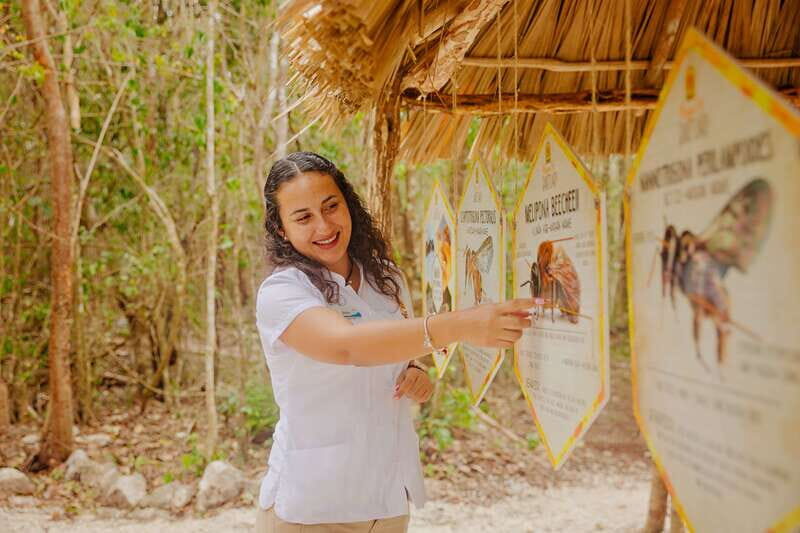
- Melipona stingless bee colony breakdown, including queen, workers, drones, and the guardian role
- Honey tasting you can actually use later when you buy products like candies and creams
- Pollen and propolis pearls are part of the tasting mix, not just plain honey
- Small-group format (max 10) keeps the explanations easy to follow
A 45-minute break from Cozumel’s usual routine
Cozumel can be all sun, salt, and shopping. This tour gives you something quieter and more grounded: a close-up look at stingless bees and the Mayan ideas tied to them. It’s only about 45 minutes, so you’re not signing up for a half-day commitment you’ll regret later.
I like that the pace suits real life. You can fit it between snorkel time and dinner without scrambling your whole day. And because it’s a small group, you’re more likely to get clear answers instead of listening to a loud slideshow.
You can also read our reviews of more tours and experiences in Cozumel.



Entering the Mayan story: monolith path, limestone art, and Ixchel
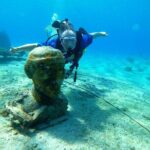
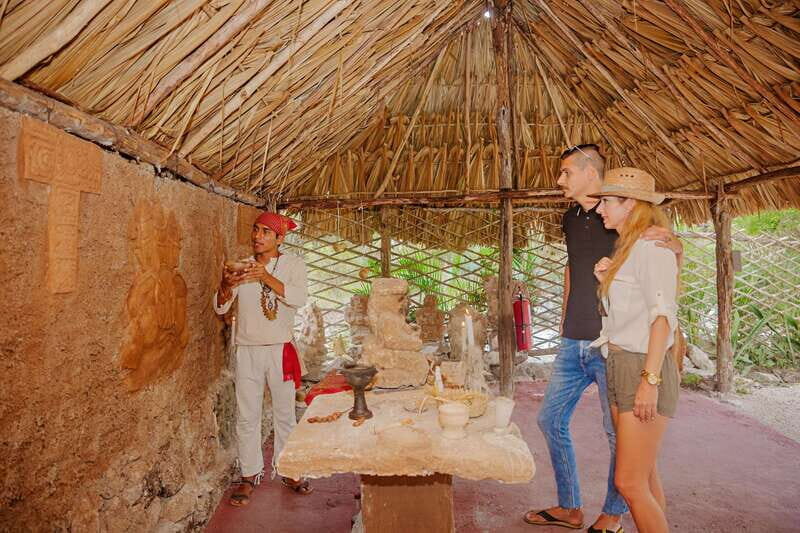
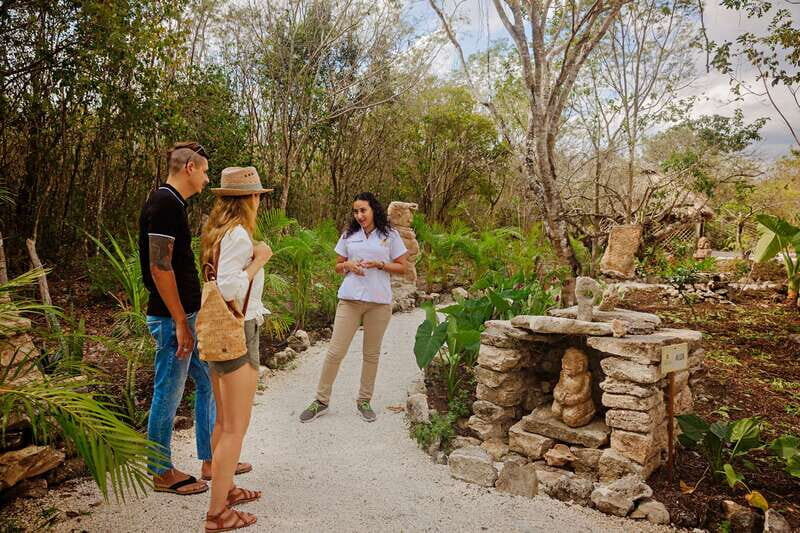
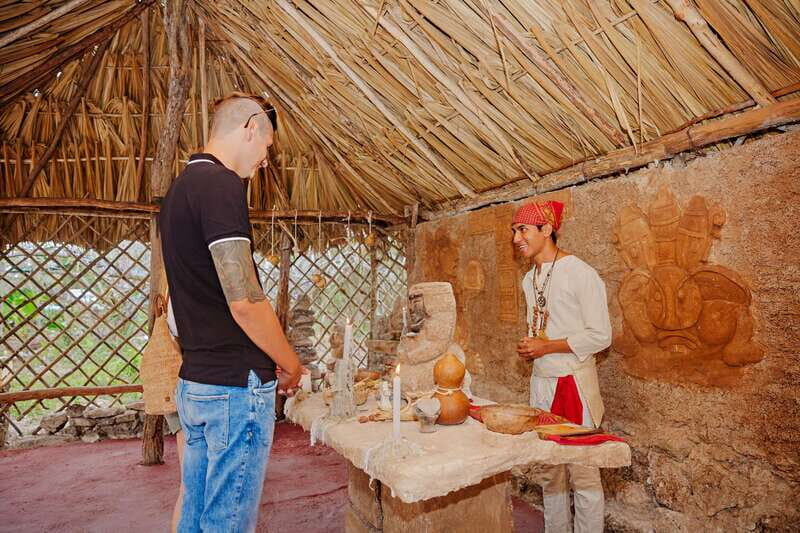
The experience starts with a walk along a monolith path, where you’ll see unique pieces sculpted in limestone by a local artist. This isn’t random decor. The goal is to connect the visual symbols to Mayan beliefs, so you don’t just glance and move on—you understand why they’re placed and what they represent.
As you walk, you’ll hear about Mayan religious imagery tied to figures like Goddess Ixchel, Aluxes, and references to stelae. Even if you don’t consider yourself a history buff, this is the kind of context that clicks because the symbols are presented in a physical setting, not just on a page.
One practical note: bring sunglasses and expect sun exposure. The route is outdoors, and you’ll want to protect your eyes and skin before the tasting part even starts.
What Melipona bees and Mayan culture have in common
After the monolith walk, the tour shifts from art to biology—without losing the Mayan thread. You’ll learn about the nutritional and medicinal properties often associated with Melipona honey, and how Mayan people valued honey for restoring well-being and supporting strength and harmony.
You’ll also get the core connection: the Mayans and the Melipona stingless bees have a close relationship, and the sanctuary uses that story to explain why these bees matter beyond science. For me, the most useful part is hearing how honey fits into everyday life—healing, vigor, and community value—rather than being treated like a rare luxury.
This matters because it changes how you taste later. The sampling stops being a novelty and becomes the payoff to the cultural story you heard on the walk.
Inside the hives: how a stingless bee colony stays organized
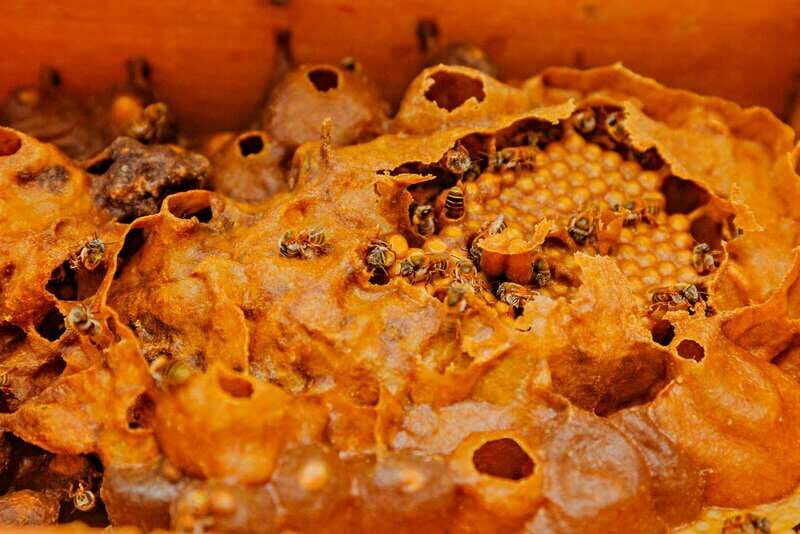
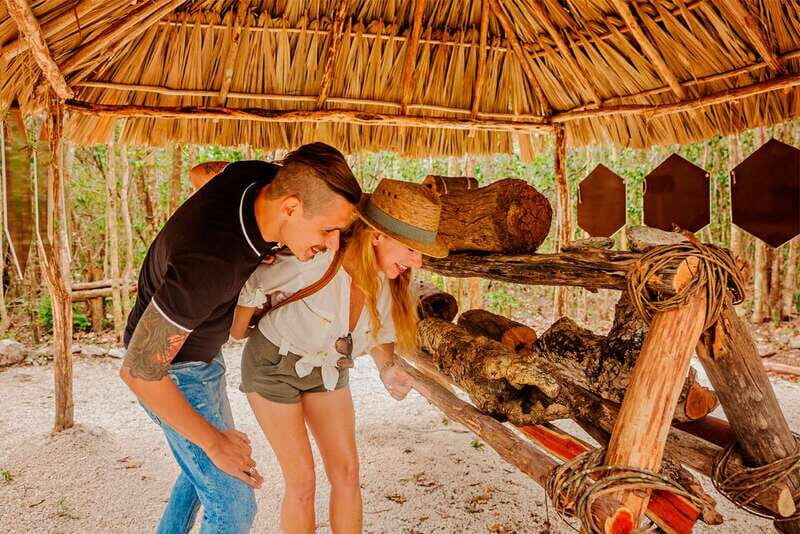
The centerpiece is the Meliponary and a guided look at the hives inside and out. You’re not just told that bees are busy. You’re shown how the colony is organized, with an emphasis on roles that make sense even to first-timers.
Here’s what you can expect to hear about:
- The queen bee and how she fits into colony continuity
- The princesses and the colony’s internal development
- Drones and their role in the colony system
- Workers and the daily work that keeps the hive functioning
- A guardian role, described as part of the colony’s organization
Even though these bees are stingless, the system is still structured. You’ll leave with a better sense that “stingless” doesn’t mean “simple.” It means the colony works through its own methods and behaviors, and the sanctuary helps you understand those methods.
If you’re traveling with kids, this is a good stop. The focus is visual and hands-on, and the group format keeps things moving. If you’re traveling solo, it’s still satisfying because the guide’s explanations make the hive feel watchable, not confusing.
Honey tasting: varieties, propolis pearls, and how products are made
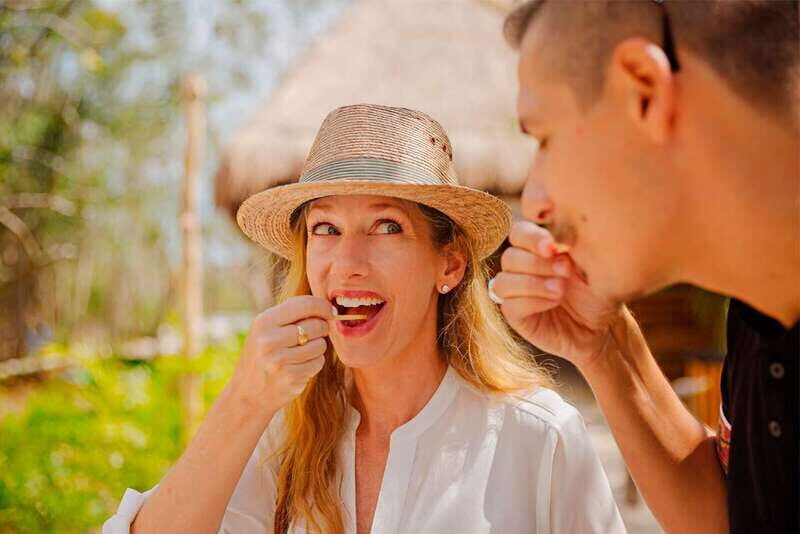
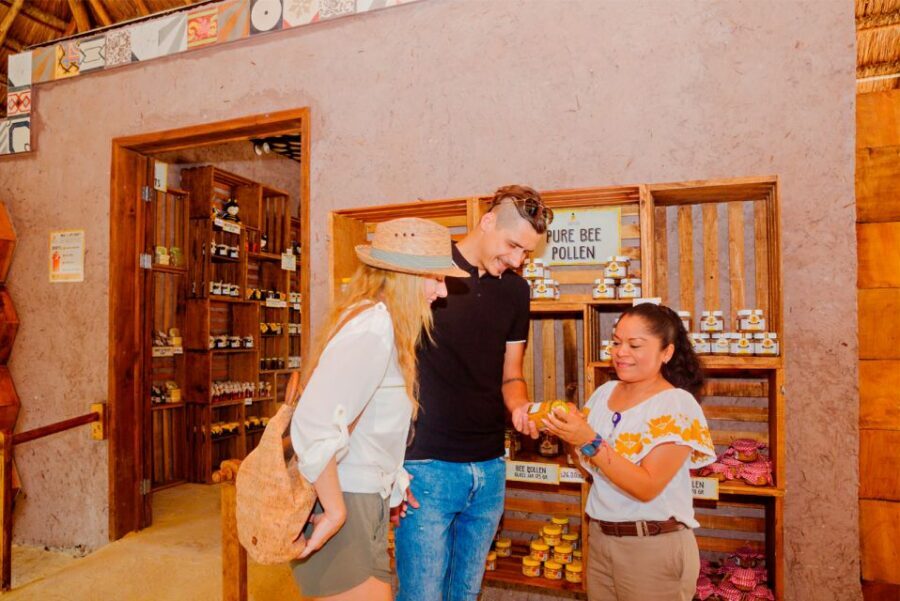
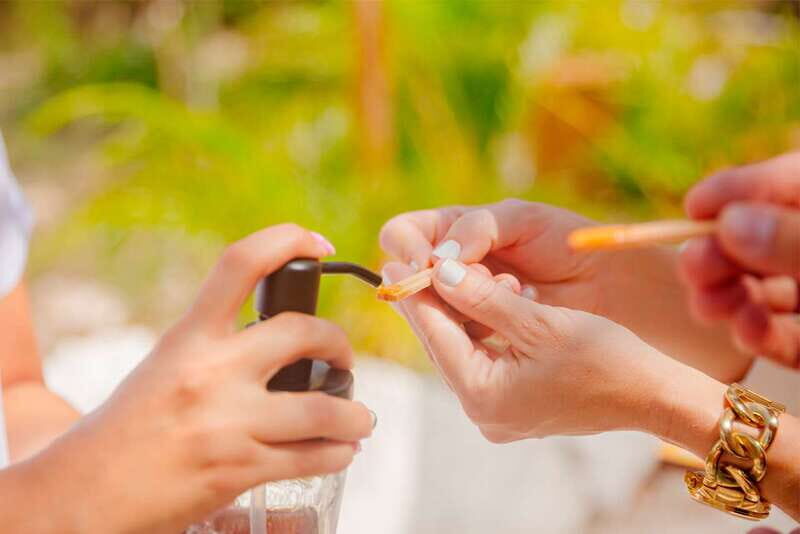
The tour ends with the part most people remember: tasting. You’ll sample different varieties of honey, plus pollen and propolis pearls. That combination matters because you get a range of flavors and textures, not just one sweet product.
Melipona honey tends to be described as delicious—and once you taste it, you can see why it’s used beyond the kitchen. You’ll learn how honey is used to make products such as candies and even items like eye drops, soaps, shampoos, and creams.
This is practical, not just promotional. If you’re deciding what to buy in Cozumel, honey-based products can be a thoughtful souvenir: something tied to the island’s local ecology and the people supporting it. You’ll also be more confident buying because you’ve already tasted what you’re paying for.
There’s also often a short ceremony element described as moving. Even if it’s brief, it adds a human touch—this isn’t only about science. It’s presented as culture, care, and respect for a living system.






Price and value: paying $13 for a meaningful change of pace
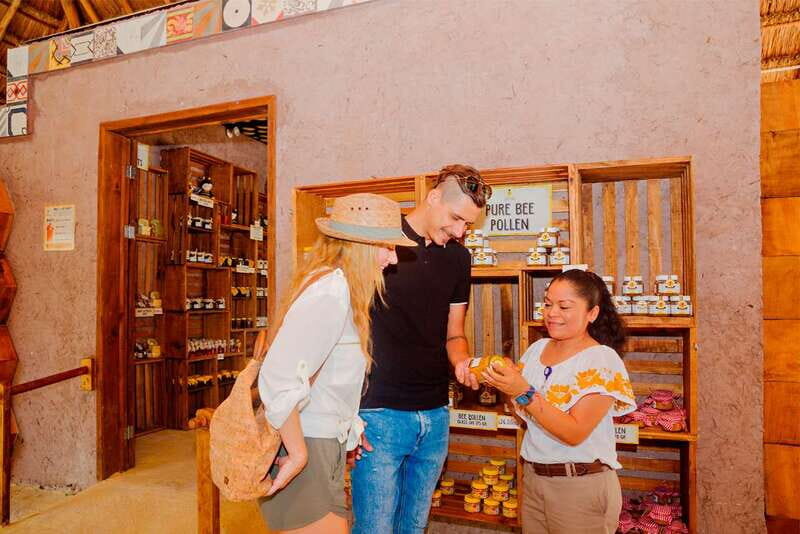
At $13 per person, this is priced like an easy add-on—not a big-ticket excursion. For that money, you get entrance to the sanctuary plus more than a quick glance: a guided tour (English and Spanish), a honey tasting, the Mayan monolith exhibit, and access to the Meliponary.
The value here comes from the structure of the tour:
- You learn something real (bee colony organization).
- You connect it to culture (Ixchel, Aluxes, stelae).
- You taste the results (honey, pollen, propolis pearls).
- You leave with shopping context (candies, soaps, creams, and more).
In other words, you’re not paying just to walk around. You’re paying for interpretation and a tangible ending.
Do note the time. It’s quick—about 45 minutes—so it’s best when you want a focused experience that doesn’t eat your whole day.
Logistics on Cozumel: timing, small groups, and transport reality
The sanctuary visit is designed for small groups—up to 10 participants—and that helps a lot on a short tour. You’ll be able to hear the guide and see what’s happening without feeling like you’re in a cattle line.
You also need to plan your timing. Arrive 15 minutes early and look for the Mayan Bee Sanctuary sign. Starting times can vary, so check availability for your window.
One real-world caution from people who’ve done this: don’t assume transportation will be effortless right after your tour. A cab wait can cost extra. If you rely on a ride, plan ahead for your return so you’re not stuck negotiating while you’re tired and sunburned.
If you’re already in an area with easy access, great. If not, I’d treat transport like part of the trip, not an afterthought.
What to pack (and what to skip)
This tour is simple, but your comfort matters. You’ll be walking on uneven gravel terrain, and it’s outdoors, so don’t overdress for a museum experience.
Bring:
- Comfortable shoes (closed-toe if you want stable footing)
- Sunglasses
- Biodegradable sunscreen
- Comfortable clothes for heat
- Insect repellent
- Cash
Also, consider sunglasses and sunscreen as your “priority items.” You’ll likely spend enough time outside that you’ll feel it if you forget.
Skip the idea of expecting wheelchair-friendly terrain. This activity isn’t suitable for people with mobility impairments or wheelchair users, so plan a different Cozumel activity if that applies to you.
Should you book this Mayan Bee Sanctuary entrance tour?
Book it if you want a short, friendly, meaningful break that mixes Mayan symbolism with real bee biology—and you don’t mind a bit of uneven gravel. The honey tasting is the clear payoff, and the colony explanation gives you something you’ll remember the moment you taste the differences.
Skip it if you’re looking for a long multi-stop tour, or if your mobility is limited and gravel paths won’t work for you. Also, if transport timing is unpredictable for you, make a plan before you go—this is a quick visit, so you’ll want your return ride lined up.
If you’re on Cozumel and you’re already thinking about what else you can do besides snorkel and shopping, this is a smart, value-priced choice that feels different in the best way.