REVIEW · CABO SAN LUCAS
Birding San Jose Estuary Los Cabos Mexico
Book on Viator →Operated by Birding-Los Cabos · Bookable on Viator
A morning of birds in Cabo is pure good sense. This 4-hour outing focuses on the San Jose Estuary and Bird Sanctuary area, where you’ll track down local residents and endemics, then finish with a short boat ride for marine birds. Your certified guide also shares practical identification tips and local ecology, not just a checklist.
I especially like the small-group setup (max 10) and the fact that you get proper spotting tools: a spotting scope plus field guides, with binoculars available on request. A possible drawback: the plan includes a boat segment, and if you mainly want land birding, you may feel you didn’t get enough time on foot.
In This Review
- Key Birding Details at a Glance
- Morning Birding From Cabo: The 7:00 am Start and Why It Works
- San Jose Estuary and Bird Sanctuary: Where You’ll Spend Your Birding Time
- How the Guide Changes the Whole Trip: Scopes, Field Guides, and Bird ID Tips
- The Boat Ride on the Small Bay: Marine Birds, Short Time, Real Payoff
- Species Counts and What They Signal About the Morning
- Price and Value: What $200 Buys in Cabo
- Group Size and Comfort: Max 10 Travelers, AC Ride, and Bottled Water
- Parking and Waiting: The Main On-the-Ground Hurdle to Know
- Bird Calls, Sound Apps, and Animal Stress: A Fair Warning
- Who Should Book This Birding Tour (and Who Might Want Another Option)
- Should You Book Birding San Jose Estuary Los Cabos Mexico?
- FAQ
- What time does the tour start?
- Where do I meet the guide for hotel pickup?
- Is pickup available for cruise passengers?
- How long is the tour?
- What’s included besides the guide?
- Is this tour in English?
- How big is the group?
- What if weather is bad?
Key Birding Details at a Glance
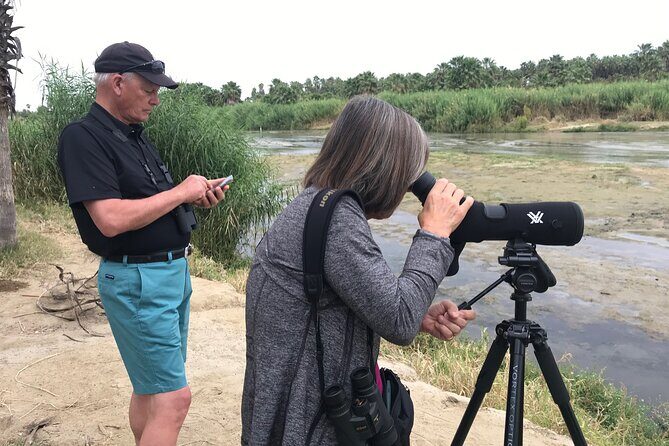
San Jose Estuary focus for land and water bird spotting
Spotting scope + field guides provided, binoculars available on request
Small bay boat ride included for marine birds
Certified guide offers ID tips and local ecology context
Starts at 7:00 am from your hotel lobby or designated cruise meeting point
Morning Birding From Cabo: The 7:00 am Start and Why It Works
Birding is one of those activities where timing matters more than most. Starting early gives you a better shot at active birds and calmer conditions for scanning the estuary edges. This tour typically runs about 4 hours, so it fits neatly into a Cabo day without stealing a full afternoon.
Pick-up is offered, and the meeting point is your hotel lobby. The practical detail that matters here: you should provide your hotel name and room number, because the guide may need that info to get past the security gate and access the lobby. If you’re on a cruise ship, you’ll want to share your cruise arrival time so you can be directed to the right meeting spot.
You can also read our reviews of more tours and experiences in Cabo San Lucas.

San Jose Estuary and Bird Sanctuary: Where You’ll Spend Your Birding Time
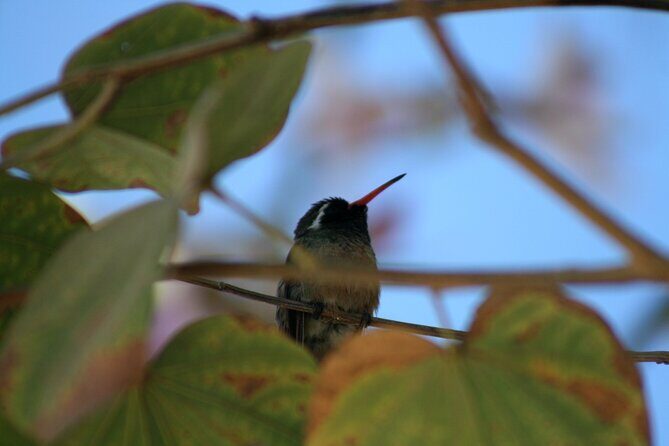
This experience is built around the San Jose Estuary and Bird Sanctuary area. Expect a mix of habitats that help explain why Los Cabos birdlife is so interesting: you’re working estuary edges where water, plants, and shoreline features create feeding and nesting spots.
The tour is explicitly geared toward endemic birds of Los Cabos, plus many other resident species. The guide’s job is to help you see what you’d miss on your own. That often means pointing out birds by shape, behavior, and habitat, not just by color.
One specific bird that shows up in the experience’s results is Xantu’s hummingbird. If it’s in the mix during your morning, it’s a great target because hummingbirds are both fast and small, which makes guided scanning genuinely useful. And since the tour is designed around endemics (the overview mentions three), you can think of this as a targeted bird search day, not a casual stroll.
How the Guide Changes the Whole Trip: Scopes, Field Guides, and Bird ID Tips
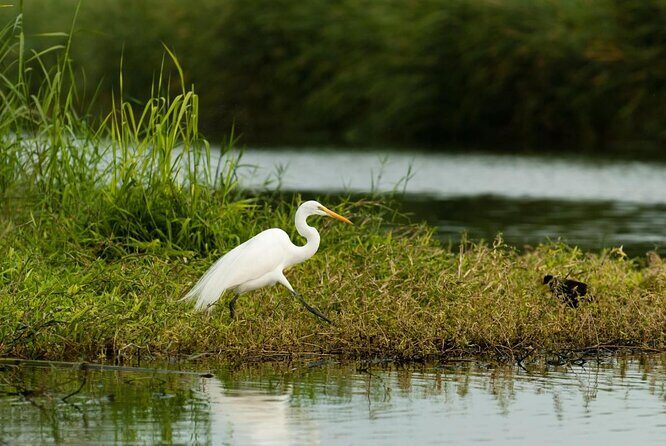
Here’s what makes this outing feel worth the money: the guide doesn’t just talk. You get tools and instruction that help you actually identify birds.
You’ll have:
- A spotting scope and field guides to identify species
- Binoculars upon request
- Time with a certified guide who shares tips and tricks to recognize birds
This matters because many birders hit the same frustration: lots of movement in the distance, and no clear view once you’ve blinked. With a scope, and with guidance on where to look and how to interpret what you’re seeing, you turn random sightings into real IDs. That’s the difference between seeing birds and learning birds.
The guide also adds context tied to the local ecology and traditions, plus local stories. That sort of background helps you understand why the estuary is protected and why birding here is treated as more than entertainment.
The Boat Ride on the Small Bay: Marine Birds, Short Time, Real Payoff
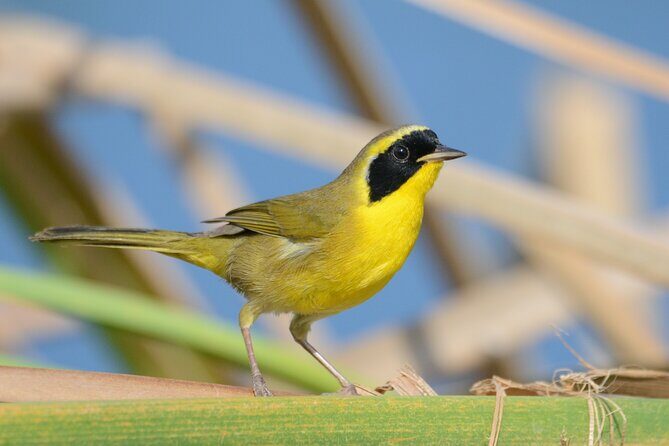
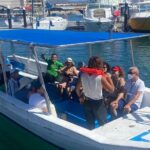
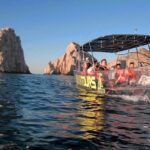
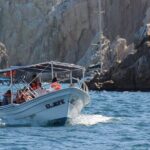
The tour includes a small bay tour by boat, added to the land birding. This is where you get a different perspective. Estuaries aren’t just for shoreline species; water and near-water zones can reveal marine birds that won’t show up the same way from land.
In practice, the boat segment is best seen as a bonus chapter rather than the whole story. Some people love switching viewpoints and tracking birds from the waterline. Others may feel they want more time walking the estuary edges instead of waiting for the boat portion.
So, if you know you’re the type who wants maximum time on foot scanning for every bird that lands near the shore, plan for the possibility that you’ll wish the schedule leaned land-only. If you enjoy the variety of birds from multiple angles, the boat ride is one of the easiest ways to add value without extending your day much.
Species Counts and What They Signal About the Morning
On the best birding mornings, you can rack up a long list fast—often because birds are active, sightings overlap in time, and you’re identifying multiple species across habitats. The tour’s overall rating and recommendation score reflect that pattern: many people come away feeling they got a lot of species with solid IDs.
In the provided experience feedback, people report seeing at least 40 different species, and in other cases 50+ species. Even when you don’t get every bird photographed, you still learn how to recognize the ones you can’t immediately capture on camera.
What that tells you as a reader: this is a strong option if you want an efficient morning that prioritizes variety and learning, not just one long stop with minimal scanning.


Price and Value: What $200 Buys in Cabo

At $200 per person for roughly 4 hours, the best way to judge value is by what’s included and what it replaces.
You’re paying for:
- Hotel lobby pickup in Cabo (plus cruise-ship coordination if needed)
- Air-conditioned transport
- Spotting scope and field guides
- Bottled water
- A certified guide’s ID help and local ecology context
- A boat ride portion
For many visitors, the most expensive part of birding is not the ticket. It’s the time and confusion of trying to figure out what you’re looking at. Here, the guide and equipment are part of the package, so you’re not stuck renting gear or guessing species.
If birding is high on your list for this trip, this can be a straightforward way to get real results in a short window. If birding is more of a side interest, you might choose a less structured activity. But for focused birders, this price feels more like a “birding workshop with transport” than a casual tour.
Group Size and Comfort: Max 10 Travelers, AC Ride, and Bottled Water
This tour runs with a maximum of 10 travelers. That small size is a practical advantage. In birding, the group has to stay together, and you need time for everyone to see through scopes or catch sight of what the guide calls out. Smaller groups make it easier for the guide to manage the pace and respond when someone spots something interesting.
You also get an air-conditioned vehicle and bottled water. In Cabo mornings, that comfort matters because you’re starting early and still working in sun and salt air. The tour doesn’t pretend you’ll stay fully comfortable the whole time, but it does keep the transfer part easy.
Parking and Waiting: The Main On-the-Ground Hurdle to Know
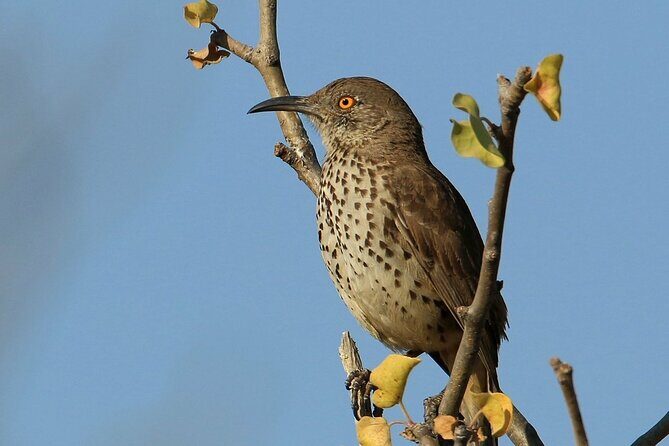
One thing that can affect your mood is timing at stops. There’s a note in the experience feedback about waiting for parking. That’s not usually the tour’s fault in a simple way—coastal protected areas can be busy, and crowd flow can overwhelm parking.
What you can do: go in expecting that “some minutes happen that aren’t bird minutes.” If you’re the type who gets impatient on road schedules, that may feel annoying. If you like the idea of a morning plan where nature is the main event, it’s usually manageable.
Also, if the boat ride is a dealbreaker for you, you can ask whether spending longer at the estuary portion is possible on less busy days. The operator’s response in one case suggests they can adjust the balance when cruisers increase demand.
Bird Calls, Sound Apps, and Animal Stress: A Fair Warning
Birding includes one unavoidable reality: you’re observing wild animals, and you don’t control how they behave. In the experience feedback, there’s a concern about how often a sound app was used to call out birds. The main issue raised is that playback can confuse or stress birds and might shift their behavior.
The operator response indicates they plan to improve the guide’s performance regarding sound use. That’s a good sign, but here’s the practical way to protect your expectations: if you’re sensitive to playback tactics, mention it to your guide at the start and ask how sound is used. A thoughtful guide will be able to explain the approach and keep it restrained.
Who Should Book This Birding Tour (and Who Might Want Another Option)
This tour is a good match if you:
- Want a structured morning with equipment (scope and guides) rather than DIY scanning
- Care about seeing endemics and learning ID skills, including fast movers like hummingbirds
- Prefer a small-group format where the guide can actually work with you
It may be less ideal if you:
- Want only land birding and plan to skip anything boat-related
- Hate schedule friction like parking delays
- Are uncomfortable with sound playback methods and would rather avoid them entirely
Should You Book Birding San Jose Estuary Los Cabos Mexico?
I think you should book this tour if birding is a priority for your Cabo trip and you want results plus learning without spending hours figuring things out yourself. The combination of scope support, an ID-focused certified guide, and a morning window built around estuary habitat makes it a smart way to spend four hours.
Skip it or ask hard questions if your ideal birding day is 100% shore walking, with zero boat time, and you’re strictly opposed to sound playback tactics. But if you’re flexible and you want a solid chance at endemics like Xantu’s hummingbird along with many other species, this is one of the more focused ways to do it.
FAQ
What time does the tour start?
The start time is 7:00 am.
Where do I meet the guide for hotel pickup?
You meet at your hotel lobby. You’ll need to provide your hotel name and room number because the guide may be asked for access at the security gate.
Is pickup available for cruise passengers?
Yes. If you are coming on a cruise ship, provide your cruise arrival time so you can get directions to the meeting point.
How long is the tour?
It’s about 4 hours (approx.).
What’s included besides the guide?
You get an air-conditioned vehicle, spotting scope, field guides to identify species, bottled water, and a small bay boat tour. Binoculars are available upon request.
Is this tour in English?
Yes, the tour is offered in English.
How big is the group?
The tour has a maximum of 10 travelers.
What if weather is bad?
This experience requires good weather. If it’s canceled due to poor weather, you’ll be offered a different date or a full refund.